

Cost of Living in Cebu City vs Metro Manila for Renters and Homeowners (2026 Guide)
People are always weighing the cost of living in Cebu City vs Metro Manila when they’re thinking of renting, buying a home, or investing in property for 2026. Metro Manila is still the country’s main business hub, but Cebu City’s been catching up fast as an economic center in the Philippines. Both cities offer jobs, schools, and shiny new condos, but the price tags on daily life can be surprisingly different.
Heading into 2026, Cebu City tends to have lower housing costs and daily expenses than Metro Manila’s big business districts—which makes it a more affordable pick for a lot of renters and first-time homeowners. Rent for condos in Cebu is often 25% to 40% less than what you’ll see in Makati, BGC, or Ortigas. Property prices per square meter are also lower, so homebuyers and investors can stretch their budgets further.
Utilities, transport, and food all play into the cost of living differences. Sure, wages in Metro Manila might be higher in some fields, but a lot of folks feel Cebu offers a better balance between income, property prices, and quality of life. If you’re on the fence, this guide breaks down the numbers so you can figure out which city fits your plans.
Key Takeaways
- Cebu City usually means lower rent and property prices compared to Metro Manila CBDs.
- Daily costs—think food and transport—are often cheaper in Cebu.
- Comparing income to housing costs can help you decide which city makes more sense for you.
Cost of Living Overview: Cebu City vs Metro Manila (2026)
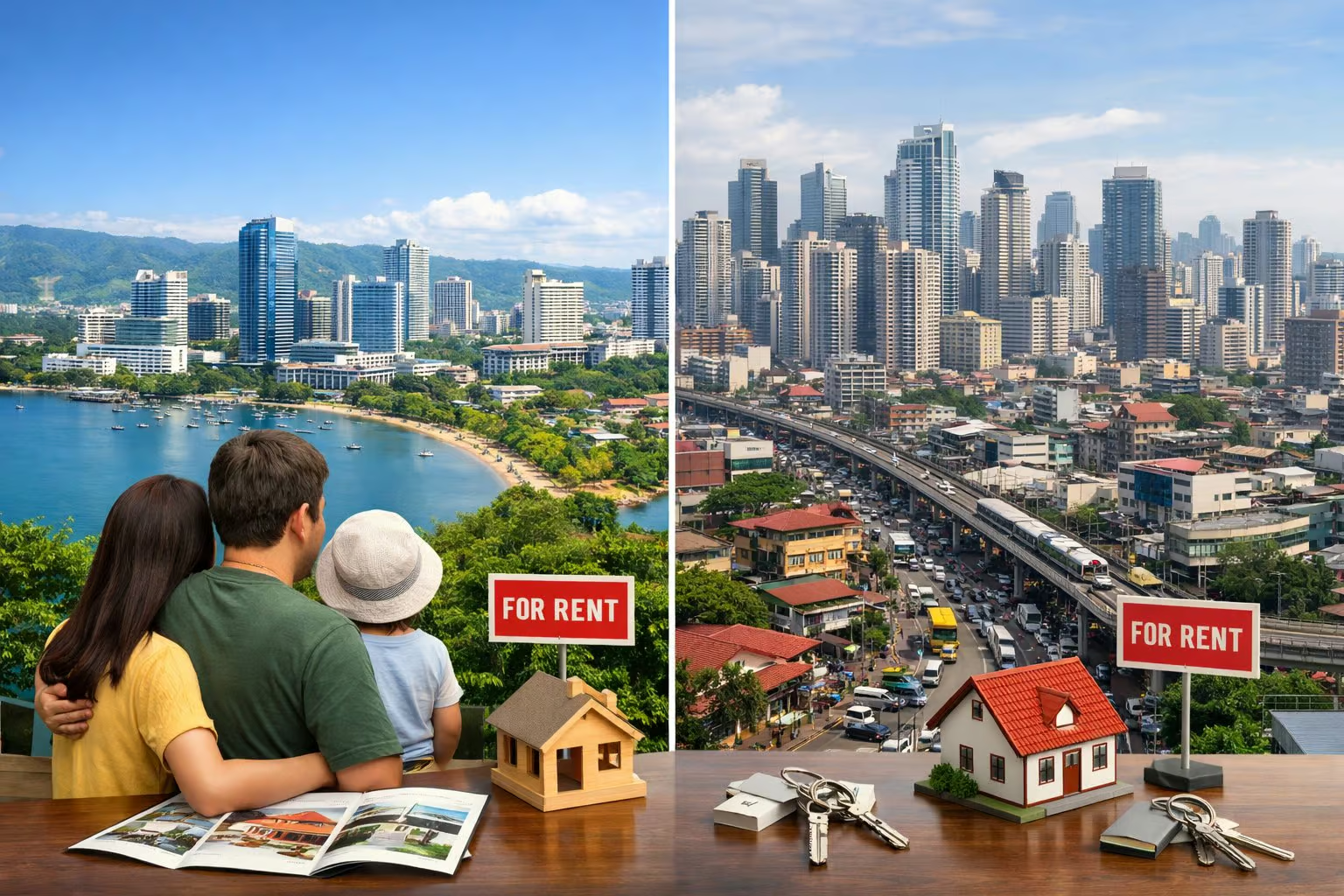
The cost of living in Cebu City vs Metro Manila comes down to housing, transport, and the day-to-day stuff. Cebu City, right in Central Visayas, often means lower monthly expenses, while Metro Manila pays more but also offers higher salaries.
Key Differences Between Cities
Housing’s the biggest difference, hands down.
Rent for condos in Cebu City is typically 25% to 40% lower than in Makati or BGC. Home prices per square meter? Also noticeably less in Cebu’s main business districts than in the prime zones of Metro Manila.
Transportation is another factor. Metro Manila folks spend more on fuel, tolls, parking, and ride-hailing—thanks to traffic and longer commutes. Cebu gets congested too, but distances aren’t as brutal.
For daily expenses—dining, groceries, services—Cebu tends to be easier on the wallet. Imported stuff is priced about the same, but local food and casual eats are cheaper in Central Visayas.
Still, Metro Manila has more job options, higher average corporate salaries, and bigger infrastructure.
Cost of Living Index 2026
2026 comparisons are a mixed bag.
Some trackers peg Cebu City as about 12–13% more expensive than Manila overall, but others show Metro Manila leading if you factor in rent. It really depends on whether rent is part of the equation.
Here’s a quick snapshot:
| Category | Cebu City | Metro Manila |
|---|---|---|
| Rent | Lower | Higher |
| Dining | Lower | Higher |
| Groceries | Slightly lower | Slightly higher |
| Transport | Moderate | Higher |
If you’re renting and housing eats up 40% of your income, Cebu usually means lower monthly costs. For folks with higher incomes who already own their place, the gap isn’t as wide.
But really, cost of living comes down to your lifestyle—not just city averages.
Regional Economic Trends
Metro Manila is still the country’s financial heart. Major banks, multinational companies, and the national government all set up shop there.
This keeps wages high, but it also drives up land prices and rent.
Cebu City’s the economic engine of Central Visayas. IT-BPM, tourism, shipping, and real estate are fueling its growth. Big infrastructure projects—like road expansions and airport upgrades—are pushing property demand higher.
Even with steady price hikes, Cebu property still costs less than prime Metro Manila spots.
Investors see Cebu as a growth market, while Metro Manila feels more stable and established. Both regions matter for the national economy, but their price structures are just… different.
Housing and Rent Comparison for Renters

Rent is the biggest line item in the cost of living for Cebu City vs Metro Manila. Monthly condo rates really highlight the gap, especially in the business districts.
Condo Rental Costs
Condo rent in Cebu City is lower than in major Metro Manila spots like Makati, BGC, and Ortigas.
| Property Type | Cebu City (Monthly) | Metro Manila CBDs (Monthly) |
|---|---|---|
| Studio | ₱15,000 – ₱22,000 | ₱22,000 – ₱35,000 |
| 1-Bedroom | ₱20,000 – ₱30,000 | ₱30,000 – ₱50,000 |
| 2-Bedroom | ₱30,000 – ₱45,000 | ₱45,000 – ₱80,000 |
For example, a studio in IT Park is usually ₱7,000 to ₱10,000 cheaper per month than a similar place in Makati. Two-bedroom units? The difference can be ₱20,000 or more.
That kind of price gap has a real impact on your monthly budget. Lower rent in Cebu City can take a lot of pressure off, especially for young professionals and small families.
Popular Rental Areas
In Cebu City, renters look for spots near offices and schools.
- IT Park is walkable to BPO offices, restaurants, and malls.
- Cebu Business Park is close to Ayala Center and attracts corporate folks.
- Lahug is a favorite for students and faculty, thanks to its proximity to universities.
In Metro Manila, the action’s in the big business districts.
- Makati CBD is the go-to for finance and corporate workers.
- Bonifacio Global City (BGC) draws expats and high-income tenants.
- Ortigas Center and some parts of Quezon City serve both office workers and students.
Rental prices jump in areas with lots of jobs and new buildings. Where you live has a huge effect on your cost of living in either city.
Average Rent Trends
Rents have gone up in both cities lately, mostly because of demand and rising construction costs. Metro Manila’s prime districts, though, have seen steeper increases.
Cebu City’s supply is still growing in IT Park and nearby neighborhoods. That helps keep rents from spiking too fast. Landlords there often offer flexible terms just to stay competitive.
In Metro Manila, limited space in the CBDs means vacancies are rare. High demand from locals, expats, and international firms keeps rents high.
So, for renters, Cebu City usually offers more value for your peso. Lower monthly rent means less stress, but you still get access to business hubs and modern amenities.
Homeownership and Property Prices

There’s a clear gap between Cebu City and Metro Manila when it comes to property prices. Buyers get a lower price per square meter in Central Visayas, while Metro Manila charges a premium for those business districts and limited land.
Condo Price Per Square Meter
Condo prices really show the difference in cost of living between Cebu City and Metro Manila.
In Cebu City, you’re usually looking at ₱120,000 to ₱180,000 per sqm in top areas like IT Park and Cebu Business Park. Mid-market spots in Lahug and Mabolo can be under ₱150,000 per sqm. Pre-selling units sometimes start at ₱110,000 per sqm, depending on the developer.
In Metro Manila, Makati CBD and BGC often range from ₱220,000 to ₱350,000 per sqm. Luxury projects even go above ₱400,000 per sqm. Even in Quezon City or Pasig, you’ll usually pay at least ₱180,000 per sqm.
So, a 50 sqm condo might cost:
- Cebu City: ₱6M – ₱9M
- Makati/BGC: ₱11M – ₱17M
That price gap has a big effect on your mortgage, monthly payments, and the income you’ll need to qualify.
House and Lot Pricing Trends
House and lot prices also differ sharply.
In Cebu City, gated subdivisions often range from ₱25M to ₱45M for mid- to high-end homes near the city center. Smaller homes in up-and-coming areas cost less. Buyers looking toward Danao and other northern Cebu spots find more affordable options, sometimes below ₱10M, depending on lot size and location.
In Metro Manila, similar homes in Quezon City, Pasig, or Parañaque often start above ₱30M. Over in Makati or San Juan, prices can shoot past ₱50M to ₱100M—land’s just that scarce.
Land values drive these numbers. Metro Manila’s got tighter space and higher demand. Central Visayas still has some room to grow, so prices outside the hotspots don’t spike as much.
Property Investment Opportunities
Investors weigh rental yield, demand, and growth potential.
Cebu City benefits from strong demand in IT Park and Cebu Business Park. BPO workers, students, and expats keep condo rentals steady. Entry prices are still lower than Metro Manila, which helps rental yields look a bit better.
Metro Manila has more liquidity and a bigger tenant pool. But higher prices mean yields shrink unless rents climb fast.
Emerging areas in Central Visayas, like Danao and nearby growth corridors, attract buyers chasing long-term appreciation. Infrastructure projects and regional growth keep demand up outside the capital.
Utilities, Transportation, and Daily Expenses

Utilities, transport, and food costs shape the real cost of living in Cebu City vs Metro Manila. While rent shows the biggest gap, daily expenses also hit long‑term budgets for renters and homeowners.
Electricity and Water Costs
Electricity rates in both cities are among the highest in Southeast Asia. By 2026, a small condo with daily aircon use might see a monthly bill of ₱3,000 to ₱5,500 in Cebu City. In Metro Manila, it’s often ₱4,000 to ₱7,000, depending on your provider and usage spikes.
Water bills stay moderate. A one- or two-person household usually pays ₱300 to ₱800 per month.
Condo dwellers also pay association dues. In Cebu City, that’s often ₱80 to ₱120 per sqm. In Metro Manila CBDs, fees can reach ₱120 to ₱200 per sqm, so total monthly housing costs add up fast.
Internet and Communication Expenses
Fiber internet plans cost about the same in both cities. Major providers offer 100–300 Mbps plans for ₱1,699 to ₱2,999 per month.
Mobile data and postpaid plans don’t differ much either—a typical plan with data and calls is ₱999 to ₱1,999 monthly.
The main difference? Metro Manila has wider 5G coverage and more provider choices. Cebu City’s still catching up, but fiber is expanding fast, especially in IT Park and Cebu Business Park.
For remote workers or OFWs managing property, both cities offer solid connectivity, though Metro Manila might edge out Cebu on average speeds.
Transportation Fees and Accessibility
Transportation’s a big chunk of the budget. Metro Manila folks often use MRT, LRT, buses, jeepneys, and ride-hailing apps. Base fares for trains and jeepneys start around ₱13 to ₱15, but daily commutes can run past ₱150 to ₱300 if you’re hopping lines or taking rideshares.
Cebu City leans on jeepneys, buses, and ride-hailing too. Fares start at ₱13, and trips are usually shorter in spots like IT Park and Cebu Business Park.
Traffic’s heavier in Metro Manila, no doubt. Longer trips mean higher fuel and ride-hailing costs. Cebu City gets jammed at rush hour, but average commutes are often shorter if you’re near the business districts.
Grocery and Dining Comparison
Grocery prices are close in both cities, but imported stuff can cost a bit more in Cebu thanks to shipping. A couple might spend ₱8,000 to ₱15,000 per month on groceries, depending on habits.
Wet markets in both places offer cheaper veggies, seafood, and meat. Cebu City’s near local farms and fisheries, so seafood can be a better deal.
Dining out? Depends where you go.
- Casual restaurant meal: ₱250 to ₱400 per person
- Mid-range restaurant for two: ₱1,200 to ₱2,000
High-end dining’s more common in Makati and BGC, with prices to match. Cebu City’s got similar spots but usually at a notch lower, which helps close the COLI gap a bit.
Income, Wages, and Insurance Considerations

Income levels, wage rules, and insurance costs all weigh into the true cost of living in Cebu City vs Metro Manila. Lower rent doesn’t help if wages are lower too, so it’s worth checking both sides.
Local Minimum Wages in 2026
Regional wage boards set minimums by region, not just by city. As of 2026, Metro Manila (NCR) has a daily minimum wage of about ₱610–₱645, depending on sector. In Central Visayas (where Cebu City sits), it’s ₱468–₱501.
That’s roughly 20%–30% more per day for Metro Manila workers. But higher wages come with higher housing, transport, and food costs.
For minimum wage earners, Cebu often stretches income further. Lower rent and shorter commutes can help make up for the smaller daily pay.
Salary Comparison for Major Cities
Professionals in IT, BPO, finance, and engineering tend to earn more in Metro Manila. Big companies and multinationals cluster in Makati and BGC, so pay scales climb.
For example:
| Role | Cebu City (Monthly) | Metro Manila (Monthly) |
|---|---|---|
| BPO Agent | ₱18,000–₱28,000 | ₱22,000–₱35,000 |
| IT Specialist | ₱30,000–₱60,000 | ₱40,000–₱80,000 |
| Accountant | ₱25,000–₱45,000 | ₱35,000–₱60,000 |
Metro Manila salaries often run 15%–35% higher for the same jobs.
But higher pay doesn’t always mean more savings. Someone paying ₱45,000 in rent in BGC might end up with less left over than a Cebu IT Park resident paying ₱25,000, even with a smaller paycheck.
Remote work blurs the lines too. Plenty of folks now earn Metro Manila rates while living in Cebu, which really helps their cost of living.
Insurance Premiums and Healthcare Affordability
Insurance premiums here depend more on your age, coverage, and provider than your city. Still, overall living costs affect how those premiums feel.
Private health insurance plans usually run ₱15,000 to ₱40,000 per year for basic or mid-level coverage. Comprehensive plans cost more, especially as you get older.
Hospital rates in Metro Manila are often higher, especially at top private hospitals. That can mean bigger out-of-pocket bills, even with similar insurance.
Car insurance premiums reflect vehicle value and risk. Metro Manila drivers may pay a bit more due to heavier traffic and accident risk.
For families and retirees, Cebu’s lower housing and daily expenses can free up more budget for insurance, savings, or healthcare.
Lifestyle, Education, and Community Factors

Beyond rent and property prices, daily life in Cebu City and Metro Manila shapes long-term value for renters and homeowners. Safety, schools, public services, and leisure options all factor into comfort, family plans, and investment choices in the Philippines.
Quality of Life and Safety
Cebu City’s travel times are shorter, and traffic is lighter than most of Metro Manila. A lot of folks live close to IT Park or Cebu Business Park, so their daily commutes aren’t as exhausting. Sure, Metro Manila has more job hubs, but honestly, the traffic in Makati, BGC, and EDSA can eat up an extra hour or two every day.
Safety’s a mixed bag in both places—depends a lot on the neighborhood. Gated condos and subdivisions in Cebu City, Makati, BGC, and Ortigas all offer 24/7 security and controlled entry, which helps.
Air is a bit fresher in Cebu City, and it’s not as noisy as the big highways in Metro Manila. But Metro Manila wins when it comes to big hospitals and specialized clinics—something families and retirees might want to keep in mind.
Education and Public Services
Metro Manila packs in the top universities—University of the Philippines, Ateneo, De La Salle, you name it. They draw in students from all over, even internationally.
Cebu City’s no slouch either. The University of San Carlos and University of Cebu are well-known, and there are plenty of private schools in Lahug and Banilad that cater to expats and middle-income families.
Public services? It really depends on the local government. Makati and Taguig in Metro Manila have pretty solid healthcare programs and digital services. Cebu City’s working on better roads, disaster response, and online systems, but service quality can swing a lot from one barangay to another.
Cultural and Recreational Opportunities
Metro Manila’s got the big malls, concert halls, museums, and more international events than you can shake a stick at. If you’re in Makati or BGC, you’re close to theaters, art shows, and a bunch of global restaurant chains.
Cebu City is more laid-back. You can get to beaches and island spots like Mactan or Bantayan pretty quickly—maybe a one- to three-hour trip, depending on traffic and boats.
Both cities have Ayala and SM malls. Cebu City, though, mixes city life with easy escapes to the coast or mountains. That’s a big plus if you want outdoor space but don’t want to live far from the city center.
Frequently Asked Questions

Rent, property prices, utilities, transport, and daily costs all add up to a clear cost gap between Cebu City and Metro Manila. For renters, buyers, OFWs, or investors looking ahead to 2026, these differences really shape decisions.
What are the average rental costs for different types of properties in Cebu City compared to Metro Manila?
By 2026, studio units in Cebu City usually go for ₱15,000 to ₱22,000 a month. Over in Makati, BGC, and Ortigas, studios can hit ₱22,000 to ₱35,000.
One-bedroom units in Cebu City run about ₱20,000 to ₱30,000 monthly. That same space in Metro Manila’s business districts? Expect ₱30,000 to ₱50,000.
For two-bedroom condos, Cebu City rents are around ₱30,000 to ₱45,000. Metro Manila’s usually ₱45,000 to ₱80,000 for similar spots, especially if you want to be central.
How do property prices for condominiums and houses differ between Cebu City and Metro Manila?
In Cebu City, condo prices per square meter often start at ₱120,000 in prime areas. Makati and BGC? You’re looking at ₱180,000 to ₱250,000 per square meter.
House and lot prices have a similar gap. Mid-range homes in Cebu City’s residential areas usually cost less than houses in Quezon City, Makati, or Pasig.
Honestly, your money stretches further in Cebu—bigger floor areas for the same budget compared to Metro Manila.
Are utilities and monthly bills more expensive in Metro Manila than in Cebu City?
Electricity and water rates are about the same, but total bills in Metro Manila tend to be higher because of steeper rent and condo dues.
Internet plans go for ₱1,500 to ₱3,000 a month in both places, depending on speed. Condo association fees in Metro Manila CBDs are often pricier than what you’ll find in Cebu’s towers.
Daily services like laundry or repairs? They’re usually a bit more expensive in central Metro Manila, too.
What is the comparison of transportation costs between Cebu City and Metro Manila?
Fares for public transport are similar, but overall spending changes with traffic and distance.
Metro Manila is just bigger—so you pay more for gas, tolls, and ride-hailing, and longer trips mean more indirect costs.
Cebu City has its own traffic hotspots, but trips are usually shorter. Lots of people live near IT Park or Cebu Business Park to cut down on commuting expenses.
Can you give an overview of food and lifestyle expenses in Cebu City versus Metro Manila?
Eating out in Metro Manila’s business districts costs more than in Cebu City. A casual meal in Cebu is usually cheaper than the same thing in Makati or BGC.
Groceries at big supermarkets are pretty close in price. Imported items? They’re about the same in both cities.
Gyms, coworking spaces, and entertainment spots tend to charge more in Metro Manila’s premium districts than in Cebu’s central areas.
What are some lifestyle factors that might influence someone’s decision to live in Cebu City over Metro Manila?
Cebu City puts you close to beaches and resorts—just a quick drive and you’re there. In Metro Manila, you’re looking at a flight or a long road trip for that kind of escape, which can be a hassle.
Metro Manila’s still the country’s economic powerhouse, packed with multinational offices and big corporate HQs. Cebu, meanwhile, is carving out its own space in IT, BPO, and trade—especially for folks who want a growing city vibe without the full-on chaos.
Some people head to Cebu for shorter commutes and more affordable housing. On the flip side, others stick with Metro Manila for broader job markets and the sheer scale of its urban setup. It really comes down to what you value more—pace, proximity, or possibilities.



)