

6 Things Home Sellers in Cebu Do That Drive Buyers Away (And How to Fix Them)
Most home sellers in Cebu are not hard people. They want a fair price and a smooth process. The problem is that many list too early. They skip the planning that in fact moves buyers toward an offer.
The mistakes covered here are not obscure. They show up repeatedly across Cebu City, Mandaue, Lapu-Lapu, and the surrounding growth areas. Each one is avoidable. Each one costs sellers time, bargaining power, and sometimes the deal itself.
Buyers in Cebu have real options right now. The market is active across price points, and active listings in popular areas move fast. When your listing gives a buyer a reason to hesitate, they do not wait around. They move to the next one.
This guide walks through six common seller mistakes. It explains why each one pushes buyers away. It also covers what you can do to fix it before your listing goes live.
Key Takeaways
- Overpricing, poor photos, and clutter are the three fastest ways to lose buyer interest before a viewing even happens.
- Hiding property issues or being slow to respond can kill a deal that was already moving in the right direction.
- Incomplete documents at the wrong moment are one of the most common reasons transactions fall apart in Cebu.
1. Pricing Too High From The Start

Overpricing is the single most reliable way to slow down selling your home. It is also the most common mistake sellers make across the Cebu market.
The logic behind it is understandable. A seller paid a certain amount. Repairs cost money too. There is also an attachment to the property. All of that is real. The problem is that buyers do not factor in what you paid. They look at market value. This is what similar properties in the same area have in fact sold for recently.
When a property is priced above market, buyers notice fast. In areas like Cebu Business Park, IT Park, or Mandaue, buyers compare multiple listings at once. An overpriced property gets fewer inquiries from the start.
The longer a listing sits, the worse it performs. After 30 to 60 days with no offer, buyers assume something is wrong. Price cuts at that stage attract lowball offers. You end up in a weaker bargaining spot. That would not have happened with correct pricing from day one.
Pricing in the real estate industry requires more than checking the BIR zonal value. Zonal values are useful for tax purposes, but actual sale prices in Cebu often differ greatly. You need sold prices of comparable properties, not just listed prices.
The fix: Get a proper comparative market valuation before you list. A licensed broker with local market know-how can pull relevant sold data. They will spot your property at a price that attracts serious buyers. That way you do not leave money on the table.
2. Weak Listing Photos And Online Presentation
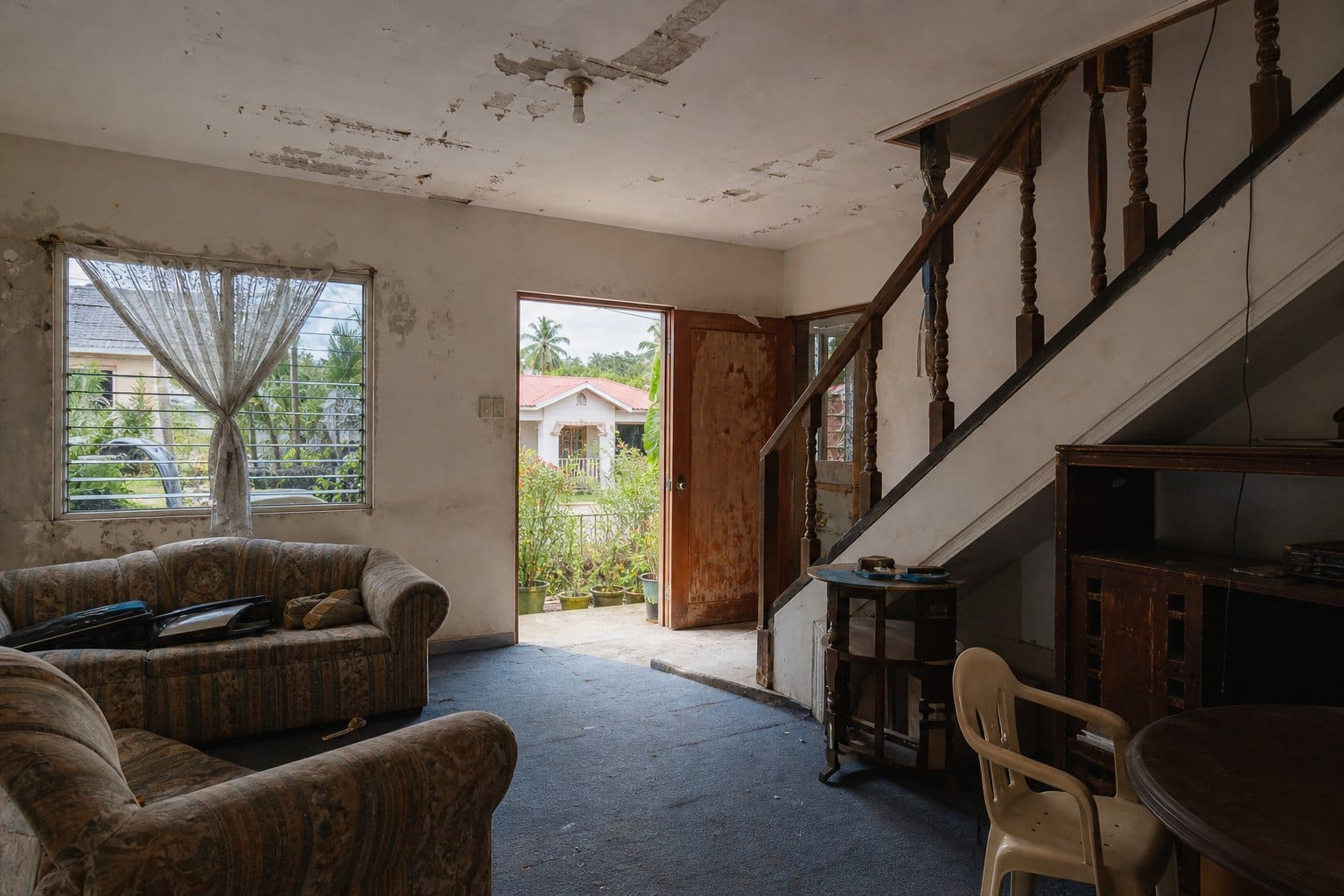
Most buyers in Cebu start their property search online. Your listing photos are the first impression they get, and in many cases, also the last.
Blurry images, dark rooms, awkward angles, and cluttered backgrounds all send the same message. The seller did not try to present the property well. That view transfers directly onto the property itself.
Poor photos mean fewer inquiries. Fewer inquiries mean fewer viewings. And fewer viewings mean more time on the market and more pressure to reduce the price. It is a simple chain of cause and effect that sellers reliably underestimate.
This matters most of all in Cebu’s condo market. A buyer checking Solinea or 38 Park Avenue is also checking freshly staged developer units. They also see well-photographed resale listings from competing sellers. Your photos need to hold up against that standard.
The fix is straightforward. Clean and declutter every room before the shoot. Open curtains, turn on lights, and shoot during daylight hours. Hire a expert photographer if possible. It is one of the highest-return investments you can make before listing. Good photos do not cost much relative to what a faster sale and stronger offer is worth.
One practical note: remove personal items and family photos. Anything that marks the space as someone else’s home should go. Buyers need to picture themselves living there. That is harder to do when the space looks occupied rather than presented.
3. Poor Condition, Clutter, And Low Curb Appeal
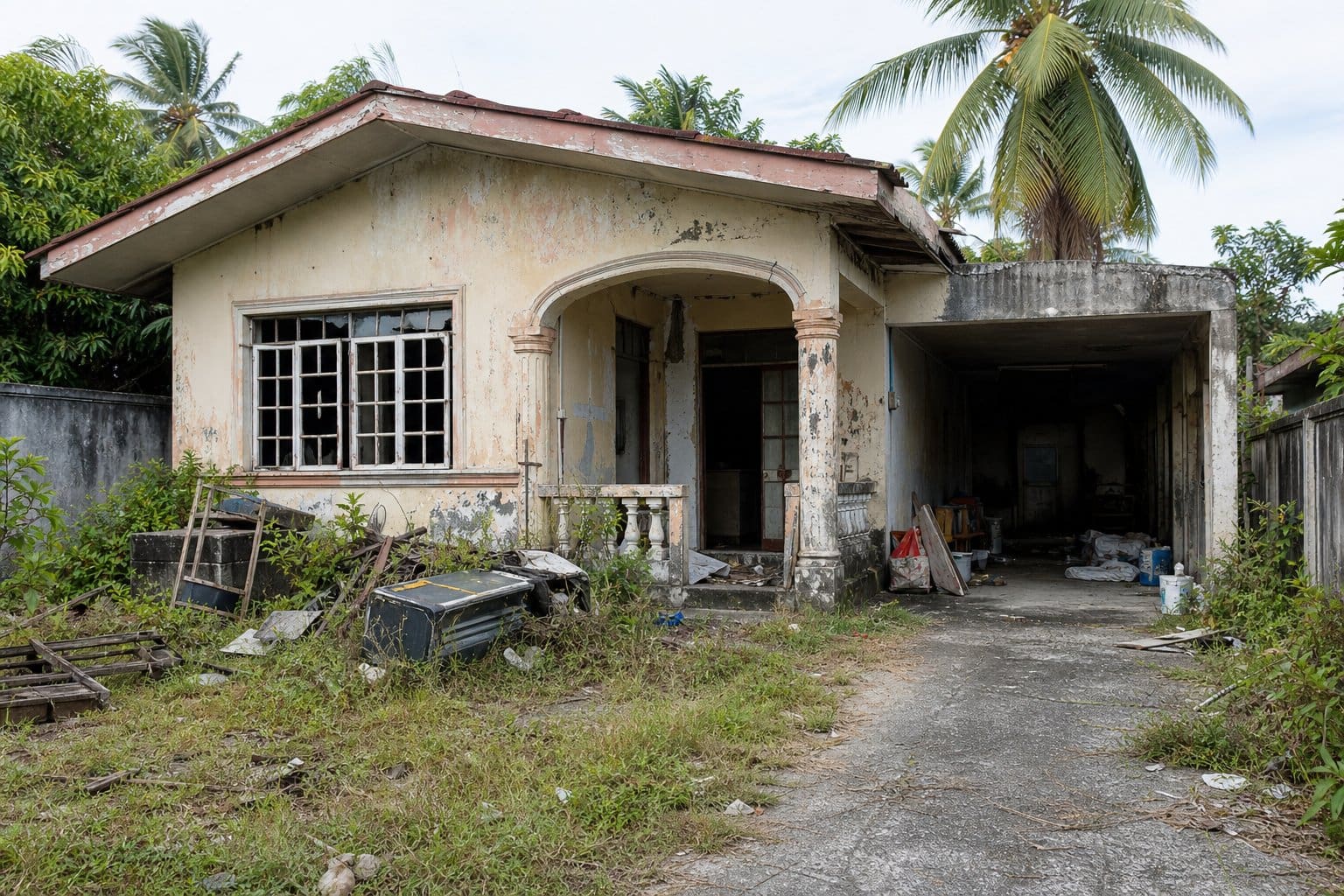
What a buyer sees when they arrive at your property sets the tone for everything that follows. Curb appeal is not a design concept reserved for magazine features. It is a practical factor that influences how a buyer feels before they even step inside.
Overgrown plants, a dirty facade, broken gates, and peeling paint all signal the same thing: deferred maintenance. Buyers do not just see cosmetic flaws. They start calculating repair costs before the viewing is over.
Inside the property, clutter does similar damage. Excess furniture, personal belongings, and built up items visually shrink a space. A small bedroom looks smaller. A functional kitchen looks cramped. Buyers compare your property against cleaner options. The cleaner option wins more often than not, even at a slightly higher price.
The fix does not require a full repair. Focus on high-impact, low-cost improvements:
- Repaint walls with a neutral color where needed
- Fix broken tiles, leaking faucets, and damaged fixtures
- Clear out excess furniture and personal items
- Clean the front of the property, including gates, driveways, and landscaping
- Make sure the property smells clean and feels well-ventilated
These are not expensive changes. Combined, they shift a buyer’s view greatly. A property that looks cared for sends a clear message. The less visible parts — the plumbing, the wiring, the structure — are probably cared for too.
4. Hiding Problems Or Delaying Disclosure
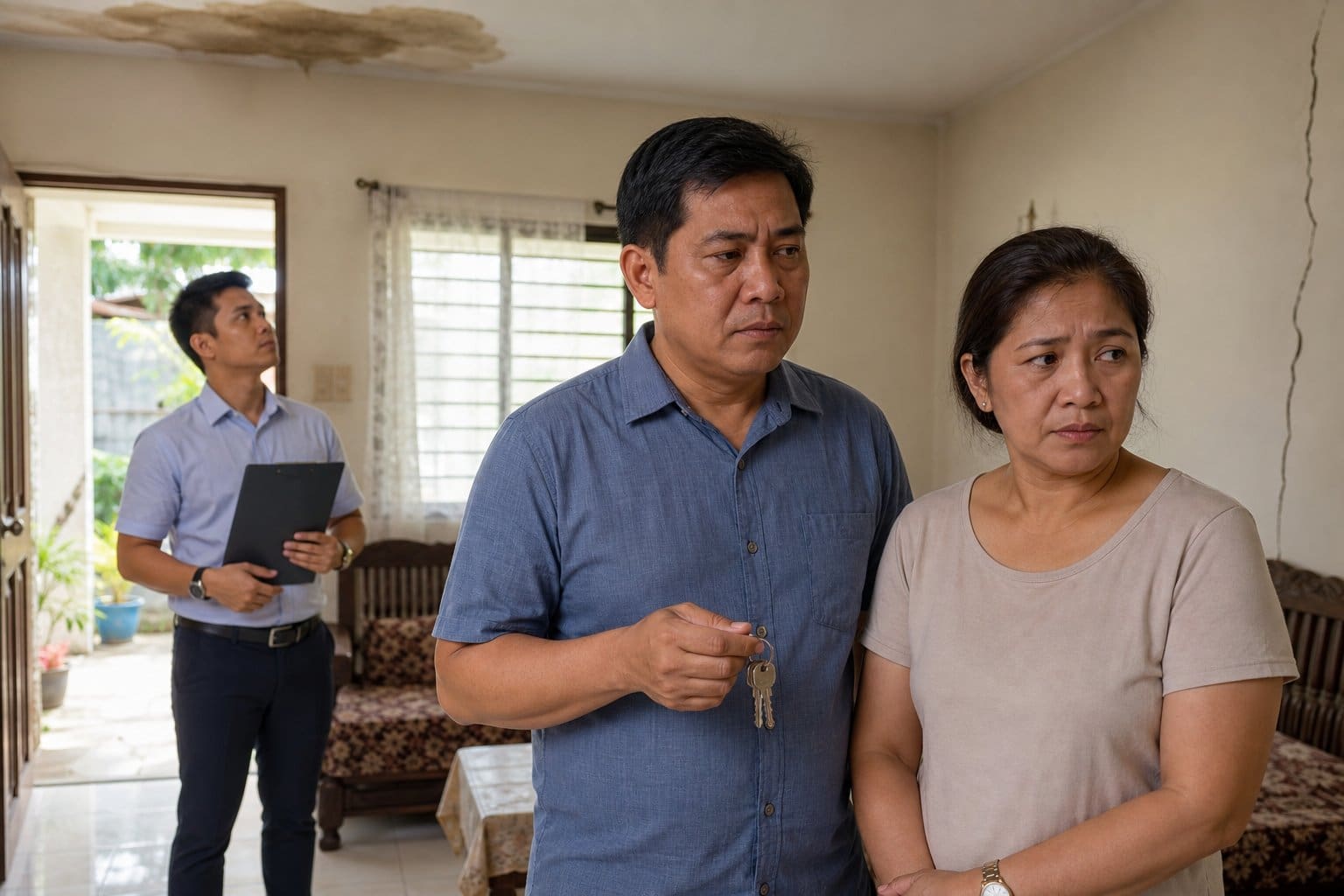
Some sellers in Cebu choose not to mention known property issues up front. A leaking roof, flooding, title problems, or structural problems may be hidden. Sellers hope the buyer will not notice until after the deal is done.
This approach almost always backfires. Buyers today are more informed than they used to be. Many work with licensed brokers and lawyers who do due diligence. This includes title checking and property check. Issues that are not disclosed tend to surface anyway, often at the worst possible moment.
When a buyer discovers an undisclosed problem mid-sale, trust breaks down fast. The most common outcomes are a price cut demand, a cancelled deal, or a post-closing legal dispute. All three are worse than disclosing the issue up front.
Philippine law requires sellers to disclose facts that could affect the value or appeal of the property. Failure to do so exposes you to legal liability, not just a failed sale.
The fix is simple in principle, even if it feels uncomfortable in practice. Disclose known issues before you list. If there is a problem, either resolve it beforehand or price the property to reflect it honestly. Buyers respect transparency. It builds the kind of trust that keeps a bargaining moving rather than derailing it.
If there are title issues, engage a lawyer to resolve them before listing. A clean title is not optional in Cebu. It is a baseline need for any buyer, most of all those securing bank financing.
5. Rigid Negotiation And Slow Buyer Response

Two habits tend to kill deals at the offer stage. The first is refusing to negotiate meaningfully. The second is taking too long to respond to buyer inquiries.
On bargaining, almost every buyer in Cebu will make an initial offer below your asking price. That is not an insult. It is how property sales work. A buyer who sends an offer is interested. Treating that offer as offensive signals you are not a serious seller. Refusing to counter it does the same. Serious buyers move on.
Decide your floor price before talks begin. Know what terms matter most. Is it the final price? The payment timeline? The handover terms? Then respond to every offer professionally. You do not have to accept anything you are not comfortable with. But you do need to keep the conversation going.
On response time, buyers in Cebu often inquire on multiple listings at the same time. A two-day reply arrives after the buyer has already scheduled viewings with three other sellers. Your window is short.
Aim to respond to all inquiries within a few hours, and no later than 24 hours. If you are handling your own listing and finding this hard, set up message notifications. Consider working with a broker who handles inquiry handling as part of their service. Brokers like those at Cebu Grand Realty follow up reliably and keep buyers hired. That is one of the practical advantages of broker support.
6. Document Problems That Kill Momentum

Paper issues are one of the most common reasons property sales in Cebu fall apart. They often appear late — after a buyer is already committed. The result is lost speed, lost confidence, and often a lost deal.
The most avoidable version is a seller who has not prepared their papers before listing. When papers are incomplete, outdated, or in dispute, the sale stalls. Buyers who have a backup option will often use it.
Prepare these papers before your property goes live:
- Clean title (Transfer Certificate of Title or Condominium Certificate of Title)
- Current tax declaration
- Real property tax receipts, up to date
- Association dues clearance (for condos and subdivision properties)
- Any relevant permits or certificates of completion for improvements
Title issues require the most lead time. If there are co-owners, encumbrances, or annotation problems on the title, engage a lawyer early. Resolving these after a buyer is already in the deal is far more stressful. It often causes the deal to collapse fully.
Buyers in Cebu City, Lapu-Lapu, and Mandaue often compare multiple well-documented properties at once. A seller who provides clean, complete papers fast shows trust. That trust supports your asking price and keeps talks from going sideways.
Capital gains tax and documentary stamp tax are handled during the sale process. But, knowing your duties in advance stops surprises at closing.
Frequently Asked Questions

These are the questions Cebu sellers ask most often before and during the listing process. The answers are practical and specific to how the local market in fact works.
How can I determine a competitive asking price based on recent sales in my area?
Focus on sold prices, not listed prices. Ask a licensed broker for a comparative market analysis. Use recent sales in your area — Cebu City, Mandaue, Lapu-Lapu, or nearby corridors. The BIR zonal value is useful for tax purposes. It does not reflect actual market sale prices.
What are the best practices for taking listing photos that attract serious inquiries?
Clean and declutter every room before the shoot, open curtains, and use natural daylight where possible. Hire a expert photographer if your budget allows. Remove personal items so the space looks presented rather than lived-in. Shoot from angles that show the full room, not just corners or walls.
Which property issues should be disclosed upfront to avoid disputes during due diligence?
Disclose anything that could affect the value or a buyer’s choice. This includes title annotations, flooding history, roof leaks, structural concerns, and unpaid dues. Philippine law requires full disclosure of material facts. Concealing known issues can result in legal liability after the sale closes.
How should I negotiate offers effectively without losing serious buyers?
Set your floor price before any bargaining begins so you are not making choices under pressure. Respond to every offer with a counteroffer rather than a rejection, and keep the conversation moving. A buyer who makes a low offer is still an interested buyer. Staying expert and flexible keeps serious buyers at the table.
What low-cost cleaning, decluttering, and minor repairs make the biggest impact before viewings?
Repainting, fixing faucets, replacing broken tiles, and deep cleaning are among the most cost-good improvements. Outside, clearing the driveway, trimming plants, and cleaning the facade improve curb appeal fast. These small changes shift how buyers perceive the overall state of the property.
What key documents should be prepared before listing to prevent delays or failed transactions?
At minimum, prepare your clean title, current tax declaration, real property tax receipts, and association dues clearance. For condos, also have the Condominium Certificate of Title ready. If there are title issues, engage a lawyer to resolve them before listing. Do not wait until a buyer is already in the deal.





)