
Are Cebu Property Prices Becoming Too Expensive for Locals?
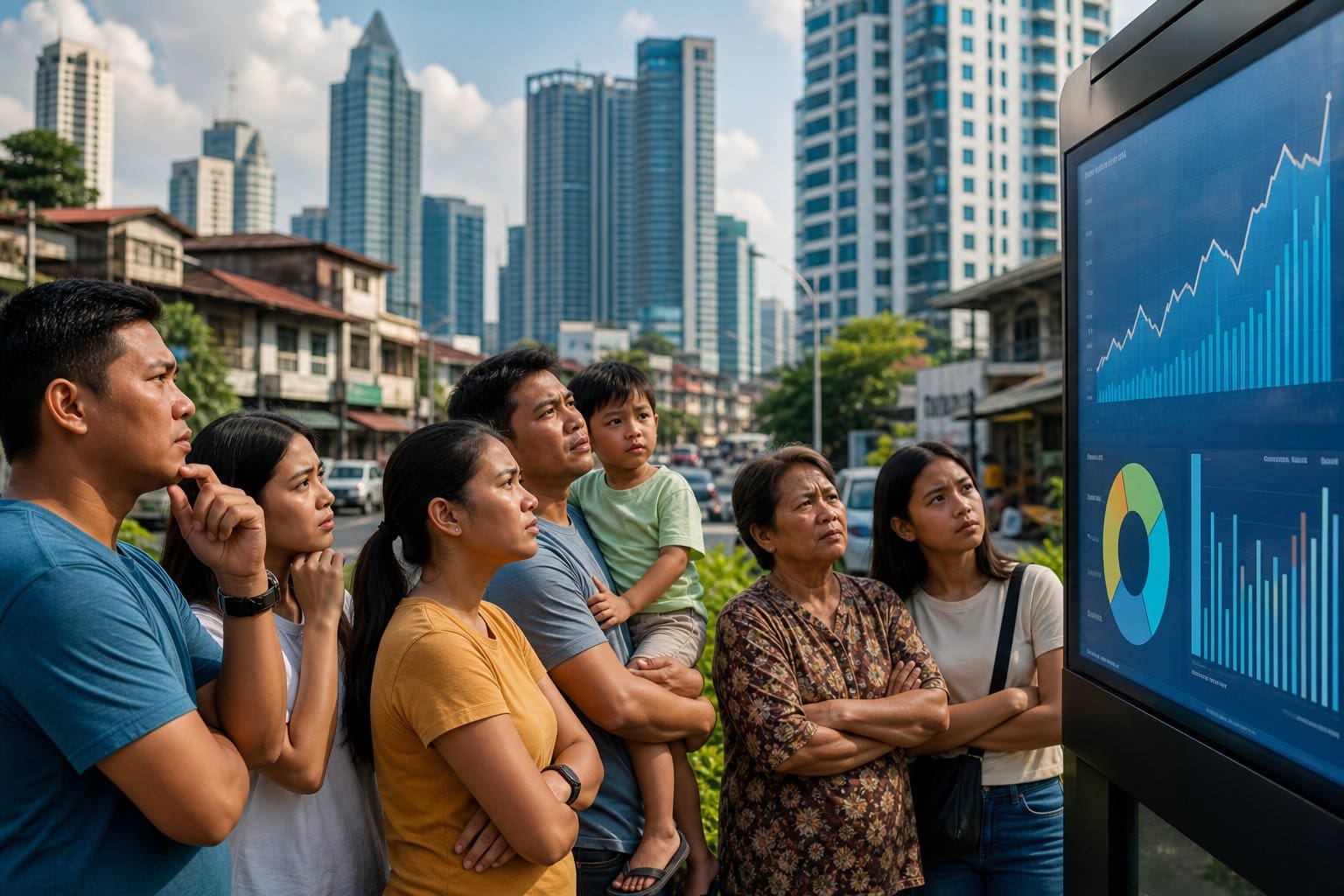
Property prices in Cebu have been going up for years, and in 2026, there’s no real sign of things slowing down. If you’re a local buyer, a first-time homeseeker, or just someone trying to stick to a budget, you’ve probably noticed the gap between what sellers want and what you can actually afford. The question isn’t just whether prices are high—it’s whether they’re now out of reach for the average Cebuano.
Affordability pressure is very real, but it’s not the same everywhere in Metro Cebu. Some neighborhoods are just too pricey for most locals. Others still have options if you’re willing to compromise. Let’s break down what’s actually happening so you can make a smart call—without getting caught up in hype or panic.
Key Takeaways
- Cebu property prices have outpaced local incomes, making it tough for middle-income and first-time buyers.
- Land shortages, job clusters near city centers, and busy developers keep pushing prices up in prime areas.
- Outer spots like Talisay, Mandaue, and Lapu-Lapu are still more affordable, especially as roads and transit improve.
What The 2026 Market Is Telling Buyers Right Now

The Cebu property market in 2026 is active but uneven. Price hikes are mostly happening in well-connected city zones. Some mid-range segments aren’t moving as fast. Condo supply is growing, and your bargaining power really depends on what and where you’re buying.
Price Growth Across Metro Cebu
Residential property prices in Cebu went up about 11.5% year-on-year in mid-2025, according to BSP data. That’s faster than the national average, and it’s still climbing in 2026. Over the last decade, residential lot prices have averaged 7% growth yearly, with hot spots moving even quicker.
Land in Cebu City’s central districts is now selling for much more than official BIR zonal values. So, if you’re budgeting for a purchase, keep in mind the real market price is usually higher than what’s on paper.
How Condos, Houses, And Townhouses Are Moving
Cebu has the biggest condo supply outside Metro Manila. New projects keep popping up, especially near Cebu IT Park and Cebu Business Park. Prices per square meter for mid-range condos in these areas are steadily rising. Meanwhile, townhouse and house-and-lot options in the outskirts are staying a bit more stable.
Ready-for-occupancy units in established buildings usually cost more than pre-selling ones. If you’re looking at houses and lots in places like Talisay or northern Mandaue, you’ll see a wider range of prices than in central Cebu City.
Where Negotiation Still Exists In Today’s Listings
It’s tough to haggle in high-demand zones, but you still have some wiggle room elsewhere. Older resale units, properties that have been on the market a while, and townhouses in less flashy areas are more open to offers. Pre-selling units from big developers don’t budge much on price, but sometimes they’ll work with you on payment terms or reservation fees.
Why Values Keep Climbing Despite Affordability Concerns

Several big factors are keeping Cebu property prices up, and honestly, they’re not going away soon. Geography, jobs, and developer moves are all putting steady pressure on prices, even as more people struggle to keep up.
Limited Buildable Land And Urban Concentration
Only about 7% of Cebu’s land is flat and easy to build on. The rest is hilly and hard to develop—or just too expensive. That’s not changing anytime soon. So, demand gets squeezed into a small part of the island.
This is why land in Cebu City’s core, Mandaue’s main streets, and Lapu-Lapu’s Mactan area keeps getting pricier. There’s just not enough flat, accessible land to go around.
Jobs, Business Activity, And Demand Near Core Districts
Cebu IT Park and Cebu Business Park keep pulling in BPO firms, shared service centers, and professionals who want to live nearby. More jobs mean more people need homes, so demand and prices go up. Developers keep building, but with land so limited, new supply can’t really keep up—especially not at prices regular folks can handle.
The Role Of Pre-Selling Supply And Major Developers
Big developers like Cebu Landmasters and national names keep launching pre-selling projects all over Metro Cebu. At the Cebu International Investment Summit, Cebu Landmasters pointed to a nationwide housing backlog of over 6 million units. That’s a lot of demand, and it keeps new projects coming.
Each new launch usually sets a higher price than the last, which slowly drags the whole market up. Pre-selling keeps the pipeline full, but it also keeps expectations high.
How Rising Prices Compare With Local Buying Power
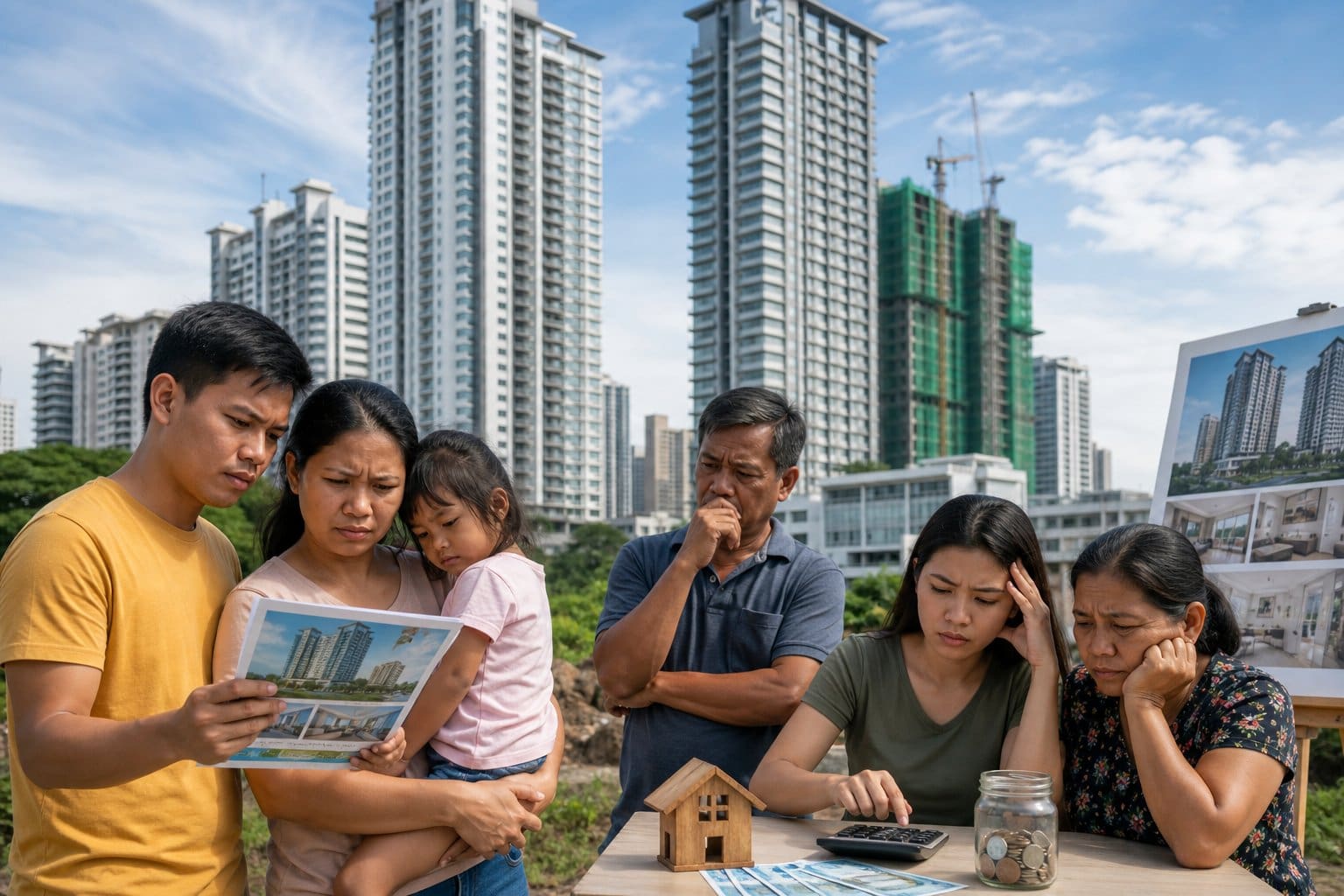
The gap between Cebu property prices and what most local families can actually afford is getting wider. It’s not just a feeling—if you do the math, the cost of owning a home is now way above what a typical income can handle, especially in top locations.
Middle-Income Households And The Cost Of Entry
A decent condo in a good Cebu City spot often starts at P4 million to P6 million for a smaller unit. With normal bank financing, a P5 million loan means monthly payments of P30,000 to P45,000, depending on the rate and term. For a middle-income family, that’s a big chunk of their salary.
Home prices have gone up faster than most local wages. If you’re earning P40,000 to P80,000 a month, paying a mortgage and covering other bills leaves little to no breathing room.
Why First-Time Buyers Feel The Squeeze
First-time buyers get hit the hardest. Most have limited savings for a down payment, no old property to sell, and other bills to pay. A 20% down payment on a P5 million unit is P1 million upfront—years of saving for many people.
Pre-selling can help by spreading out the down payment, but the monthly cost is still tough for buyers without much capital.
Monthly Loan Burden Versus Everyday Living Costs
Living in Cebu is getting pricier too—transport, food, utilities, school, you name it. When your mortgage eats up 40–50% of your take-home pay, it’s a real strain over a 20- to 25-year loan.
Some real estate pros have pointed out that even OFWs earning P50,000 to P100,000 a month can find a P60,000 to P80,000 mortgage barely manageable. There’s often nothing left for emergencies or sudden changes in income.
Which Parts Of Metro Cebu Still Look More Attainable
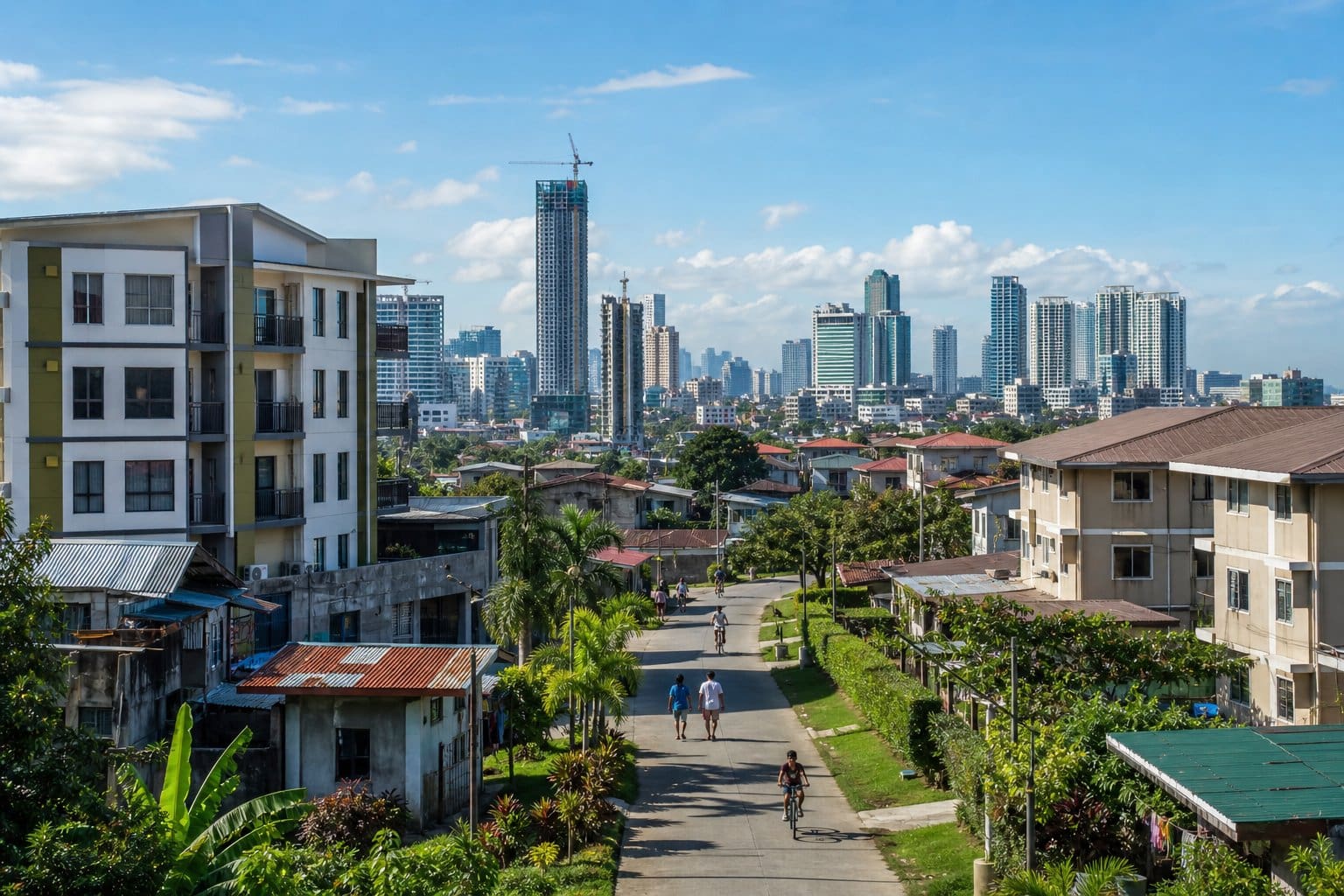
Not every part of Metro Cebu is out of reach. The price difference between central Cebu City and spots like Talisay or northern Lapu-Lapu is still big, and better roads are making these places easier to get to.
Trade-Offs Between Prime Districts And Outer Areas
Living near Cebu IT Park or Cebu Business Park means paying for location, convenience, and maybe better rental income. Prices per square meter here are the highest. If you’re after investment returns or rental income, maybe it’s worth it. But for most owner-occupiers on a budget, it’s just too steep.
Outer areas cost less, but you’ll have to think about longer commutes, road quality, and access to shops and schools. Still, with new roads and better transit, the trade-off isn’t as harsh as it used to be.
Emerging Options In Talisay, Mandaue, And Lapu-Lapu
Talisay is still one of the more affordable places for house-and-lot buyers. Prices per square meter are much lower than Cebu City, and there are more new developments popping up. Mandaue sits in the middle—there’s commercial activity, BPO jobs, and housing that’s a bit cheaper than downtown Cebu.
Lapu-Lapu, especially near the airport and coastal areas, has been going up in value too. Prices are rising, but you can still get in for less than what you’d pay near Cebu Business Park.
How Commute And Access Change Area Value
The Cebu-Cordova Link Expressway (CCLEX) has made it much easier to get between the southern mainland and Mactan. Trips that used to take forever now finish faster, so more people are looking at property in areas along the route.
Once the Cebu Bus Rapid Transit (BRT) corridor opens, getting around north to south in Cebu City should get easier. If you’re eyeing property near future BRT stops, it might be smart to watch those areas now—buyers tend to get interested even before the stations are up and running.
Is This A Bubble Or A More Sustainable Upswing
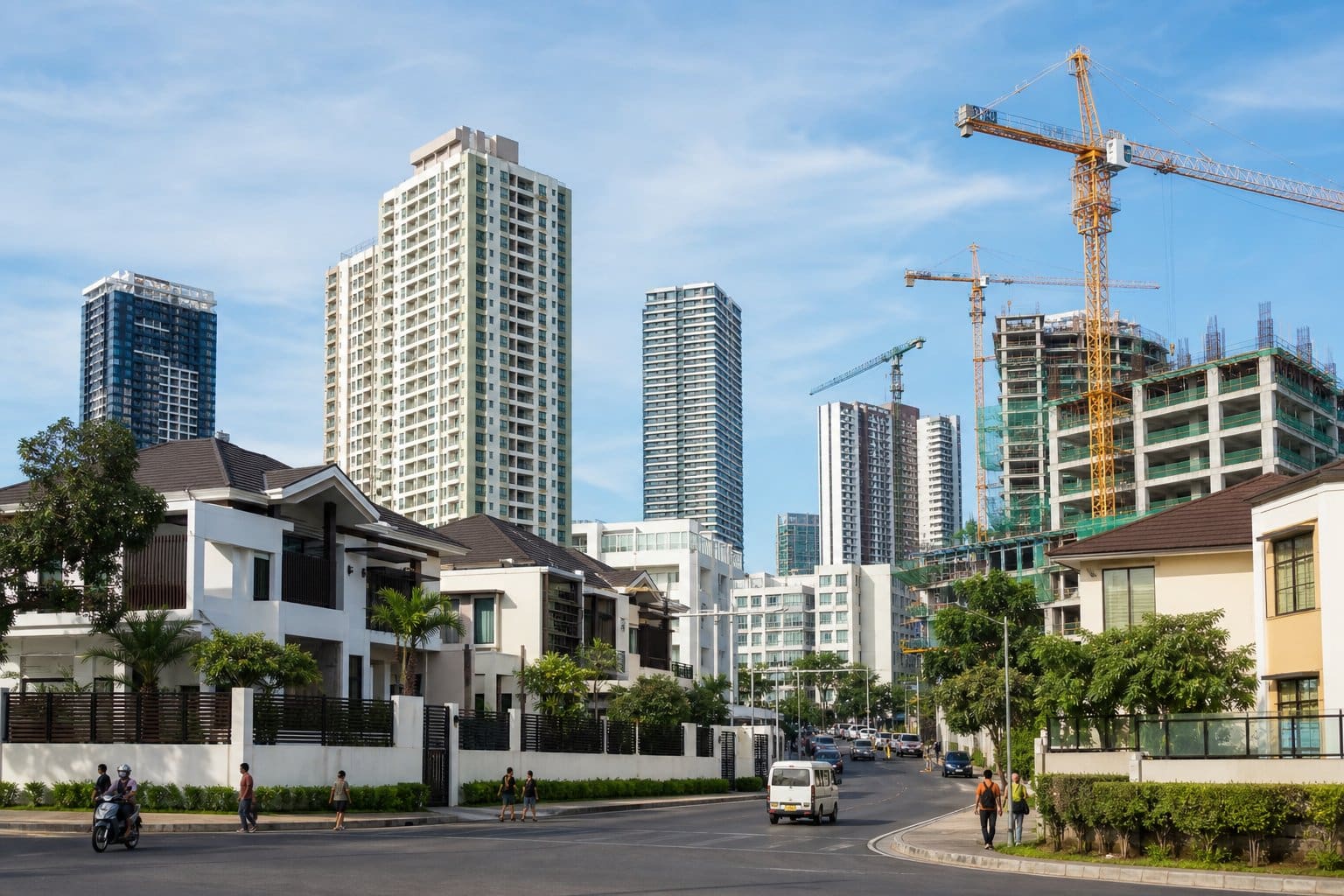
Is Cebu’s property market being driven by real demand or just hype? That’s the big question for buyers in 2026. Right now, it looks like the upswing is built on real factors, not just speculation—though, yeah, there are some risks in certain corners of the market.
What Supports Continued Demand
- BPO jobs, tourism, manufacturing, and trade all keep people moving to Cebu and needing homes.
- The city keeps attracting investment thanks to its skilled, English-speaking workforce.
- New roads and transit projects are making it easier to get around, connecting more neighborhoods.
Residential lot prices have gone up about 7% a year over the last decade. That steady climb hints at real demand from people who want to live or invest here—not just flippers chasing a quick buck.
Where Oversupply Risks Are More Likely
The condo market? That’s where oversupply might bite. Big developers keep building, and some types—like small studios or one-beds in less popular spots—are stacking up more unsold units. If you’re looking at those, watch out for slow-moving inventory.
Some developers have warned about the danger of targeting buyers, like OFWs, who may not be able to keep up with payments. It’s not just theory—this has happened before.
Signals Locals Should Watch Before Buying
- Check the difference between asking prices and what units actually sell for.
- Look at vacancy rates in nearby condos.
- How long do listings stay up before they’re sold?
If a certain project has lots of unsold units for months, demand might be weak there. Also, keep an eye on lending rules. If banks make it harder to get a loan or rates go up, fewer people can buy, and that can drag down prices.
Smart Buying Moves For Locals In A Higher-Priced Market

Just because prices are higher doesn’t mean you can’t buy. It just means you need to be more focused—think carefully about location, type of property, and how you’ll pay for it. The details matter more now than they did a few years back.
When To Choose Ready Units Versus Pre-Selling
- Pre-selling units: You can pay the down payment over time during construction, so it’s easier on your wallet upfront. But you can’t move in right away, and the final unit might be a bit different from the showroom.
- Ready units: More expensive at first, but you skip construction delays and can live or rent it out immediately. If you want rental income fast, go for ready units.
How To Judge Value Beyond The Sticker Price
Don’t just look at the asking price. Compare price per square meter with similar units nearby. Think about actual usable space, the building’s features, and monthly fees. Sometimes a cheaper unit with high dues or a weird layout costs you more in the long run.
Location matters too. Is it walkable to work? Close to future BRT stops? Near the airport? These things make a difference in both how you live and how much your property might be worth later. In Cebu, the best buys are the ones with solid fundamentals, not just a low price tag.
Working With Licensed Agents And Verified Listings
One way to protect yourself is to work with licensed agents who have real, verified listings. There are plenty of unlicensed folks posting on social media, and that can get risky—fake listings and scams aren’t rare here.
Cebu Grand Realty is one example of a local brokerage with licensed agents and verified listings. They cover Cebu City, Mandaue, Lapu-Lapu, Talisay, and nearby spots if you want some backup from people who know the area.
Frequently Asked Questions
What factors are driving recent increases in residential property prices across Metro Cebu?
Prices keep rising because there’s not much flat land, jobs are piling up around Cebu IT Park and Cebu Business Park, and developers keep launching new projects at higher prices. Big new roads like CCLEX are also opening up more places for buyers. All these things push prices up in most parts of Metro Cebu.
How does housing affordability in Cebu compare with local household incomes in 2026?
The gap’s getting wider. A mid-range condo can eat up 40–50% of a typical professional’s take-home pay each month, leaving less for everything else. First-time buyers without savings or help from family have a tough time getting in.
Which neighborhoods in Cebu still offer relatively affordable options for first-time homebuyers?
Talisay is still pretty accessible for house-and-lot buyers—prices per square meter are lower than Cebu City’s center. Some parts of northern Mandaue and inland Lapu-Lapu also have cheaper options, especially if you’re okay with a longer commute.
How have condo prices in Cebu changed over the past few years, and what are buyers prioritizing now?
Condo prices have gone up steadily. Cebu now has more condos than anywhere outside Metro Manila. Buyers in 2026 care more about real usable space, building quality, commute time, and monthly fees than fancy amenities. Studios in less popular places aren’t selling as fast as mid-sized units in better buildings.
What financing options and typical down payment requirements do buyers face when purchasing a home in Cebu?
Most buyers use bank loans or Pag-IBIG Fund. Down payments are usually 10–20% of the price. Pre-selling lets you split the down payment over the build period, so you don’t need all the cash upfront. Interest rates and loan rules vary, so shop around before you sign anything.
What risks and opportunities should buyers consider when investing in Cebu real estate in 2026?
Most of the risks are in the condo market. In some areas, there might be too many new units compared to how many people want to buy. If you’re looking at condos, be careful not to pick something that’ll stretch your budget too thin—missing payments is a real risk if your monthly costs are almost as high as your income. On the bright side, outer neighborhoods with new roads or transport upgrades could see prices go up. Also, resale units can be a smart move, since owners are often more open to negotiation than developers with brand-new projects.