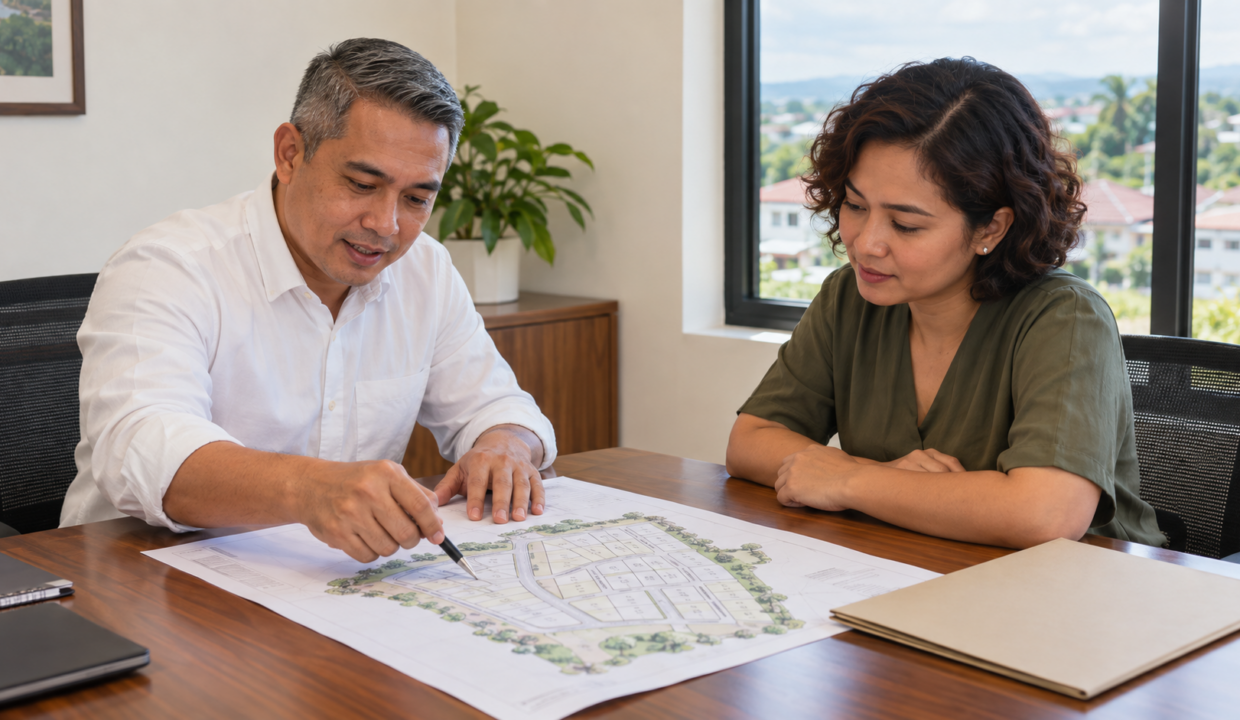

From Reservation to Turnover: A Cebu Property Buyer’s Timeline
Buying property in Cebu is not a one-and-done deal. It happens in stages. There is paperwork, there are payments, and there is a lot of waiting. New to all this? The stretch from reserving a unit to getting the keys can feel murky. Terms like CTS, CAR, and DHSUD get tossed around with little context. This guide is for every Cebu property buyer.
This guide walks you through the whole timeline of buying property in Cebu. It runs from your reservation fee to your title registered in your name. Maybe you want a pre-selling condo in Cebu IT Park. Maybe you want a resale house in Talisay. Either way, the basic sequence stays the same. The pace and stress points differ, of course. But Metro Cebu’s market is mature. Most trusted developers and brokers follow a standard process. Still, the timing and fine print depend on the project.
A licensed broker can save you from headaches. Ideally, pick one registered with the Professional Regulation Commission. A good broker spots red flags early. That helps before you part with your cash. Every Cebu property buyer benefits from that early guidance.
Key Takeaways
- From reservation to full ownership, there are distinct legal, financial, and inspection steps, each with its own timeline.
- Pre-selling, ready-for-occupancy, and resale properties all move at different speeds, especially when it comes to financing and turnover.
- Double-checking documents and costs early on can save you from delays and headaches down the road.
Choose the Right Purchase Path Before You Reserve

Before you pay anything, know what fits your timeline and budget. Pre-selling properties, resale, and ready units each move at their own pace. Your choice here shapes everything else.
Pre-Selling Properties
Pre-selling condos and house-and-lot units sell before or during construction. Prices are usually lower. The payment terms can stretch for years. But you wait longer before you move in.
This route suits buyers who do not need to move right away. It also suits those who prefer small monthly payments. Most projects sit in Cebu Business Park and Cebu IT Park. You will also find them in Mandaue and Consolacion.
Ready-for-Occupancy and Resale Properties
Ready-for-occupancy (RFO) units are finished and can be turned over quickly. Resale properties are homes or condos sold by the current owner, not the developer.
Both options move faster than pre-selling. But you need your cash or loan ready sooner. With resales, check the title with care. Make sure there are no surprise debts or legal issues.
Matching Location to Purpose
Cebu City, Lapu-Lapu, and Mabolo sit near the business hubs. Talisay and outer Mandaue suit families who want more space for less. First, decide your goal. Will you live in it, rent it out, or invest long term? Then compare listings with that goal in mind.
Reservation, Offer Terms, and Initial Documentation

Picked a unit or lot? The developer or seller will ask for a reservation fee. It takes the unit off the market. Here is what that fee covers. We also explain how a letter of intent or earnest money differs. And here is what paperwork you’ll want to have ready before you lock in a plan.
The Reservation Fee
Reservation fees in Cebu usually run ₱20,000 to ₱100,000. Some pre-selling projects accept less. The fee is credited to your purchase price. But do not count on a refund if you back out. It is almost always non-refundable. Read the reservation agreement before you sign. And ask what would entitle you to a refund.
Earnest Money and Letters of Intent
For resales, buyers sometimes submit a letter of intent (LOI). They add earnest money to show they are serious. This comes before any formal contract. Earnest money works much like a reservation fee. You just see it more in private sales than with developers.
Documents to Prepare Early
Start gathering these while your unit is still reserved:
- Valid government-issued ID
- Tax Identification Number (TIN)
- Proof of income or employment
- Marriage certificate (if buying with your spouse)
You’ll also get a computation sheet showing the price, down payment, and monthly payments. Hang on to it—it’s your main reference for the rest of the deal.
Due Diligence Every Cebu Property Buyer Needs

Do not hand over big money too soon. First, be sure the property and seller are legit. Check the developer’s license. Inspect the title. And make sure the property taxes are up to date.
Confirm the Developer’s License to Sell
Buying pre-selling? Make sure the developer has a valid License to Sell. It comes from the Department of Human Settlements and Urban Development (DHSUD). No license? That is a major red flag. Walk away.
Verify the Title
Ask for a certified true copy (CTC) of the title. You get it from the Registry of Deeds. For a house and lot, it is the Transfer Certificate of Title (TCT). For a condo, it is the Condominium Certificate of Title (CCT).
Check for:
- Liens or encumbrances
- Mortgages
- Adverse claims or lis pendens
- Matching names between seller and registered owner
You need a clean title—no issues—before you pay any equity.
Review Tax Records and Occupancy
Ask for the latest tax declaration. Confirm the real property tax payments with the local assessor. For resales, check if anyone still lives in the property. Vacant possession is not always guaranteed at closing.
Contracts, Equity Payments, and Loan Readiness

Once everything checks out, you sign contracts and start payments. This is where you sign the Contract to Sell. You handle your equity payments too. And you get ready for financing before the balance is due.
The Contract to Sell
The Contract to Sell (CTS) spells out the key terms. It lists the price, payment schedule, turnover date, and late penalties. Double-check the unit details in the contract. Do they match what was promised? The developer keeps the title until you pay in full. That is normal for installment deals.
Equity Payments and Timing
Your down payment (or equity) is usually 10% to 30% of the price. For pre-selling, it’s often spread over 24 to 60 months. If you’re buying RFO, expect to pay it off faster—sometimes in just a few months.
Preparing for Loan Approval
Start your loan application early—bank loans or Pag-IBIG can take weeks. Get your income docs, employment certificates, and credit records ready ahead of time.
OFW Buyers and the Maceda Law
Are you an OFW? You will likely need a notarized Special Power of Attorney (SPA). If you sign it abroad, it may need an apostille. This lets someone you trust sign for you at home. The Maceda Law also protects installment buyers. Pay for at least two years, and you earn a grace period. You may also get refund rights if you cannot keep up.
Turnover and Possession for the Cebu Property Buyer

Turnover is when you finally get your unit. But do not confuse it with full legal ownership. They are not quite the same. It is the day every Cebu property buyer waits for.
For pre-selling homes, turnover comes two to five years after reservation. It depends on how fast construction moves. RFO deals are much faster. Sometimes it is just 30 to 90 days after you finish payments.
Before you sign the acceptance form, do a careful walk-through. Look at the walls, floors, plumbing, electrical outlets, doors, and windows for any problems.
Write down any issues in a punch list. Ask for repairs before you accept the property. Once you sign off, it is hard to argue about defects you missed.
Turnover means you get the keys. You can move in, or rent it out. Just remember one thing. Legal ownership is not final until the title transfers. And that can take a few more months.
Taxes, Registration, and Title Transfer

Legal ownership passes to you only after two things. First, all taxes are settled. Second, the new title is registered in your name. This last stage touches several government offices. It can take the longest of all the steps.
Notarizing the Deed of Sale
First, sign and notarize the Deed of Absolute Sale (DOAS). You need this before you handle transfer taxes. Notarial fees are not fixed. So check with your notary public ahead of time. Ask how much you will pay.
Paying Taxes to the BIR
The Bureau of Internal Revenue (BIR) collects taxes here. Buyers pay capital gains tax, or sometimes withholding tax. They also pay documentary stamp tax (DST). As a rule, taxes and fees run 8% to 12% of the total cost. The exact amount depends on the property and its location.
After you settle the taxes, the BIR issues a Certificate Authorizing Registration (CAR). This paper clears the way for title transfer.
Registering the New Title
Once you have the CAR, bring the papers to your local government unit. Pay the transfer tax there. Then head to the Registry of Deeds. Pay the registration fees and get the new title. This part is not quick. Three to six months is normal. It can take longer if offices are busy. It also drags if your papers are incomplete.
Foreign buyers should check the 40% ownership limit on condo projects. A licensed advisor can help sort your documents. But for tax or legal questions, confirm with the experts. Ask the BIR, the Registry of Deeds, or a good lawyer.
Cebu Property Buyer FAQ

How long does it take to receive a property after paying the reservation fee?
This depends on what you buy. For pre-selling units, turnover takes two to five years. For ready-for-occupancy units, it is much faster. You may get the keys within 30 to 90 days. That is after you finish the paperwork and payments.
Is the reservation fee refundable if the buyer decides not to continue?
In most cases, reservation fees are not refundable. But there are exceptions. Policies change from one developer to the next. So read the reservation agreement closely. And ask about your options before you pay.
What documents should buyers verify before signing a Contract to Sell?
Make sure the developer has a License to Sell. Double-check the title for any issues. Then compare the computation sheet with the contract. Catching problems early saves you from headaches later.
How much down payment is needed for a Cebu home?
Down payments usually fall somewhere between 10% and 30% of the price. For pre-selling projects, you can often pay this over 24 to 60 months. If it’s ready-for-occupancy, you might need to pay up faster.
What financing options are available for the remaining property balance at turnover?
Most buyers pick one of three paths. These are Pag-IBIG Fund loans, bank financing, or in-house plans. Each choice has its own rates and approval times. So start sorting out your financing early. Each Cebu property buyer should compare them early.
What taxes, fees, and documents are required to transfer the title into the buyer’s name?
Title transfer comes with several costs. You pay capital gains or withholding tax. You also pay documentary stamp tax, transfer tax, and registration fees. And you need a notarized Deed of Absolute Sale. As a rule, set aside 8% to 12% of the price. Still, check the exact amounts with the BIR and Registry of Deeds. Those numbers can shift.