Mother Title vs. Individual Title: What’s the Difference?
When you buy land or a home in the Philippines, the title is everything. It proves who owns the property. But not all titles are the same. One of the most common points of confusion is mother title vs individual title. Knowing the difference can save you from a costly mistake.
In short, a mother title covers a big piece of land as a whole. An individual title covers just your specific lot or unit. Buying under the wrong one can tie up your money for years. This guide breaks down both in plain language, so you can buy with confidence. It pairs well with our guide to property titles.
Key Takeaways
- A mother title covers a large parcel as one whole; an individual title covers only your specific lot or unit.
- Buying while a property is still under the mother title is riskier, since your lot is not yet separated in the records.
- A promised title-release date is not enough: check the title, seller authority, lot plan and contract before committing.
What Is a Mother Title?
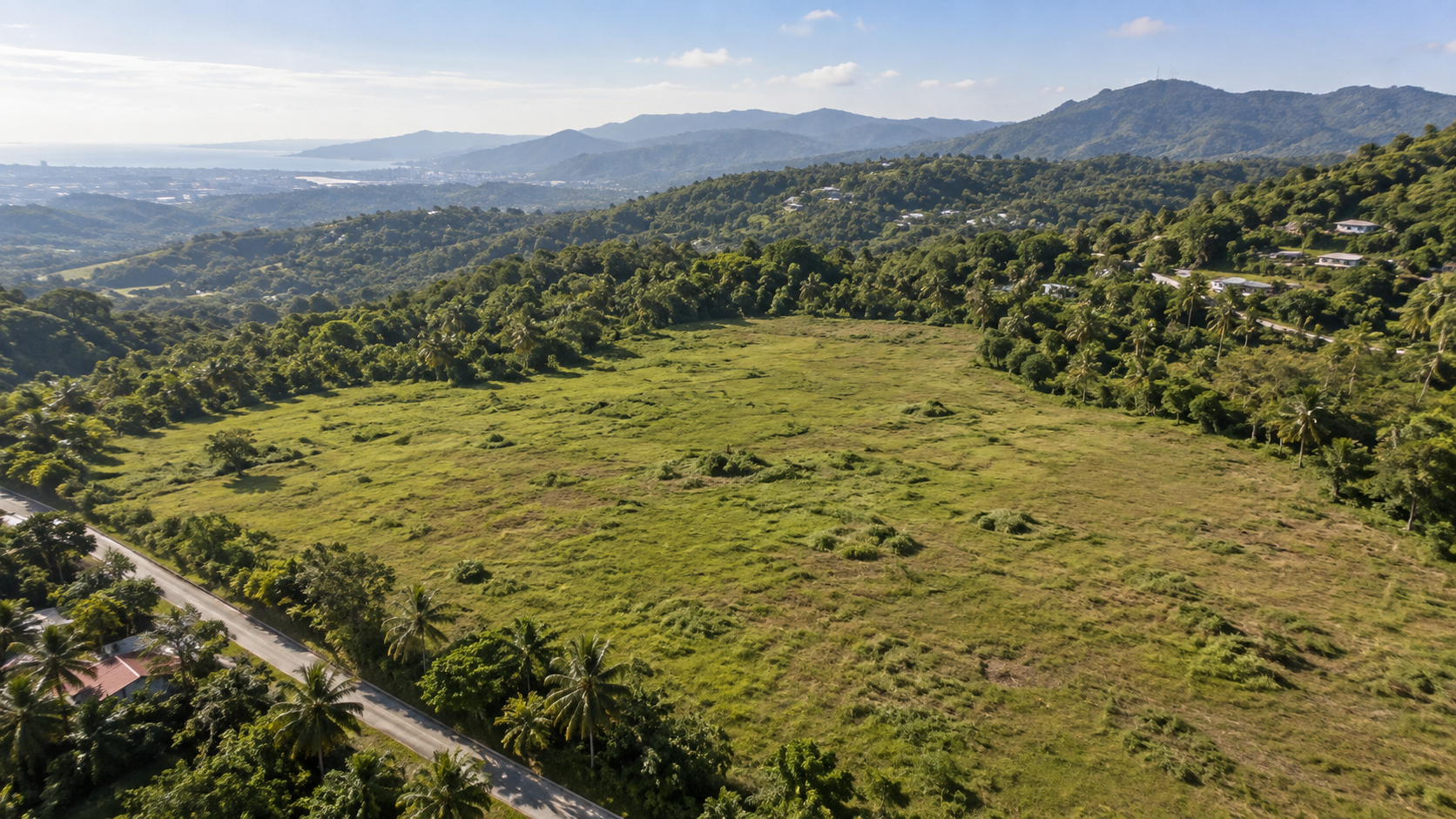
A mother title is the existing title covering the parent parcel before separate titles are issued for portions. Think of a whole subdivision, a big farm lot, or a tract before it is split up. Check the registered owner on the title.
A sale involving part of a titled parcel and the issue of a separate title are different steps. Under Section 58 of P.D. 1529, an approved plan and technical descriptions are needed before a separate transfer certificate can be issued for that portion. The section also provides for annotation of the conveyance while a separate certificate is pending.
What Is an Individual Title?
An individual or separate title identifies a particular lot or condominium unit. Subdivision is one way a separately titled lot is created. A separate lot title has its own technical description and area.
For land, the certificate may be an Original Certificate of Title (OCT) or a Transfer Certificate of Title (TCT), depending on its registration history. These labels do not by themselves tell you whether the title covers a parent parcel or a separate lot. For a condo, a Condominium Certificate of Title (CCT) identifies the specific unit. Check the registered owner and property covered in any condo purchase in Cebu.
Mother Title vs Individual Title: The Key Differences

The two titles serve very different roles. Here is how they compare at a glance.
- Coverage: A mother title covers the whole parcel. An individual title covers only your lot or unit.
- Ownership: Check who is registered and what interest the seller can convey. A separate title does not necessarily mean there is only one owner.
- Selling and mortgaging: A separate title identifies the lot, but it does not guarantee that a sale or loan will be approved.
- Risk: Check annotations and transfer requirements on either title. Subdivision does not automatically remove existing encumbrances.
This is a different question from whether a title is clean or carries notes. To go deeper on that, see our guide on annotated title vs clean title.
Why This Matters When You Buy
If the lot you want has no separate title yet, establish exactly what is being sold and how it will be registered. Do not assume that paying for a marked-out lot makes you its registered owner.
Ask the lender about the specific property before relying on financing. Unresolved title or transfer requirements can affect your plans. Our guides to mistakes new buyers make and fake listings and scams offer related checks.
How an Individual Title Is Created
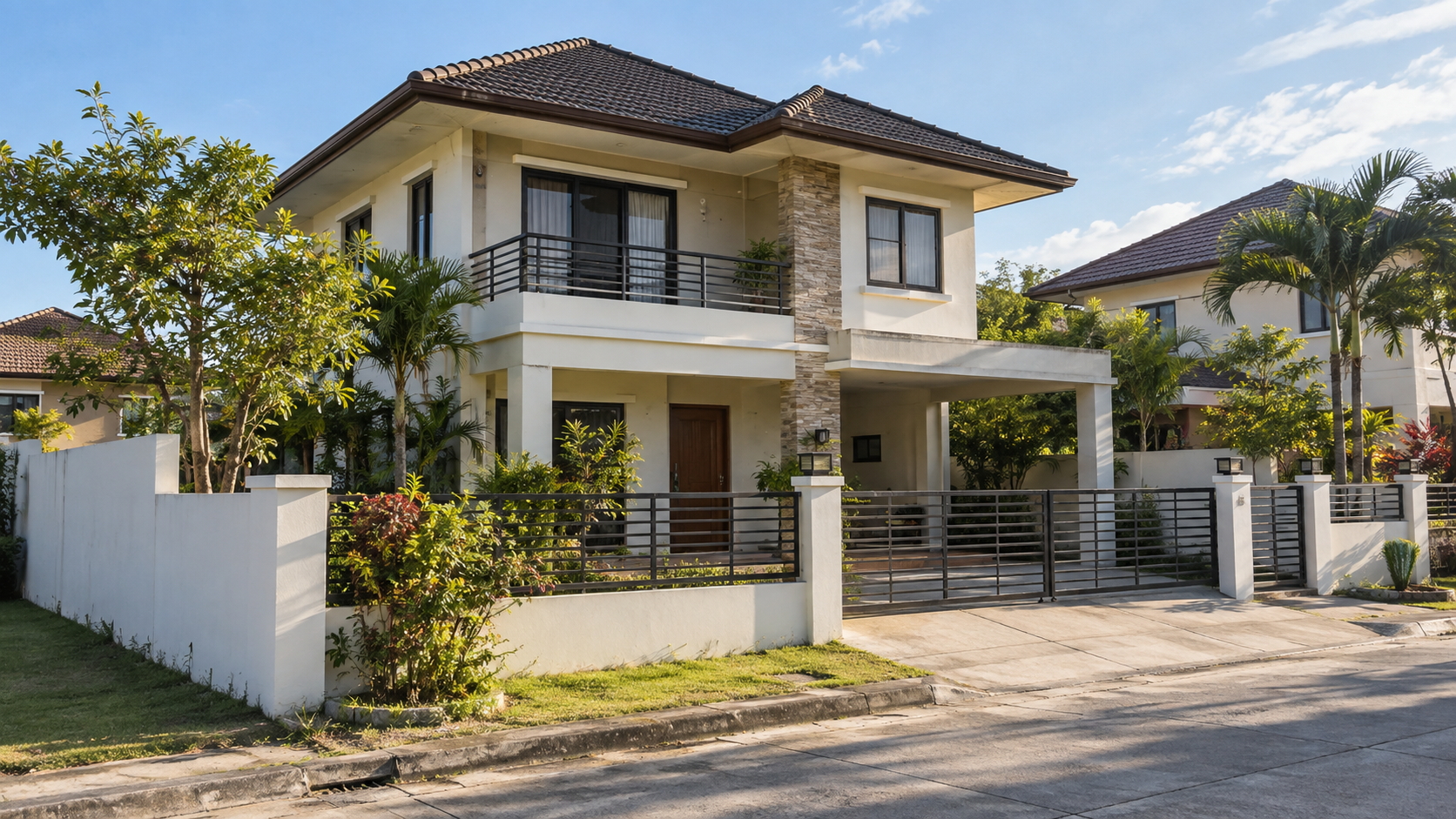
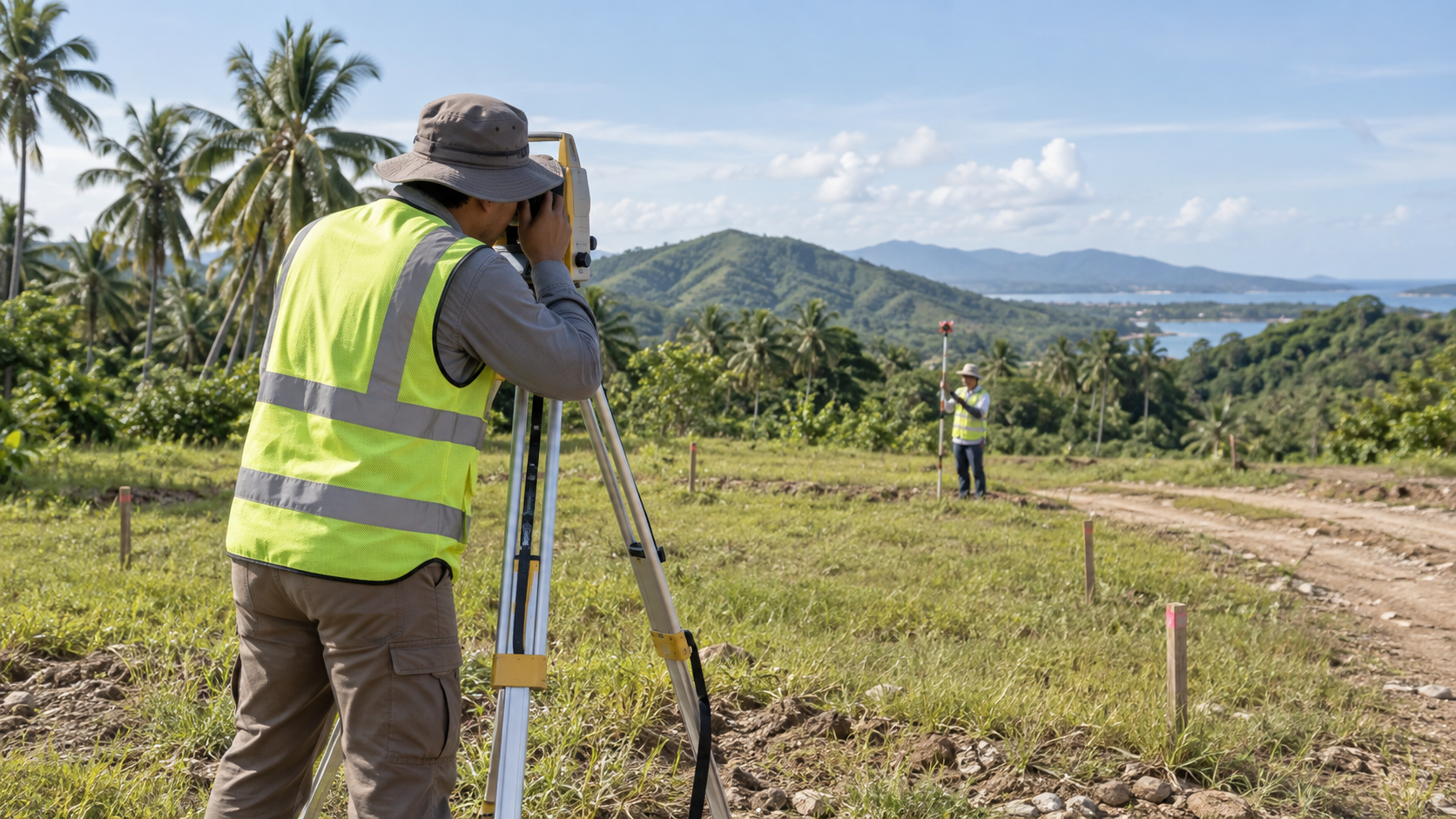
The route depends on the transaction. The LRA lists approved plans and technical descriptions among the documents for subdivision or consolidation. Ask the Registry of Deeds what is required for the particular title; a survey or promised completion date alone is not a separate registered title.
Condominium title issuance has its own documentary requirements. For subdivision and condominium projects covered by P.D. 957, Section 25 requires the owner or developer to deliver the lot or unit title upon full payment. Check the contract and project documents alongside our guides to pre-selling versus ready-for-occupancy, pre-selling condos and the reservation-to-turnover timeline.
How to Protect Yourself as a Buyer
Use these checks to identify questions that need resolving before you commit. They do not guarantee that a purchase is safe.
- Get a recent Certified True Copy of the title through the Registry of Deeds or LRA eSerbisyo. Check the registered owner and annotations.
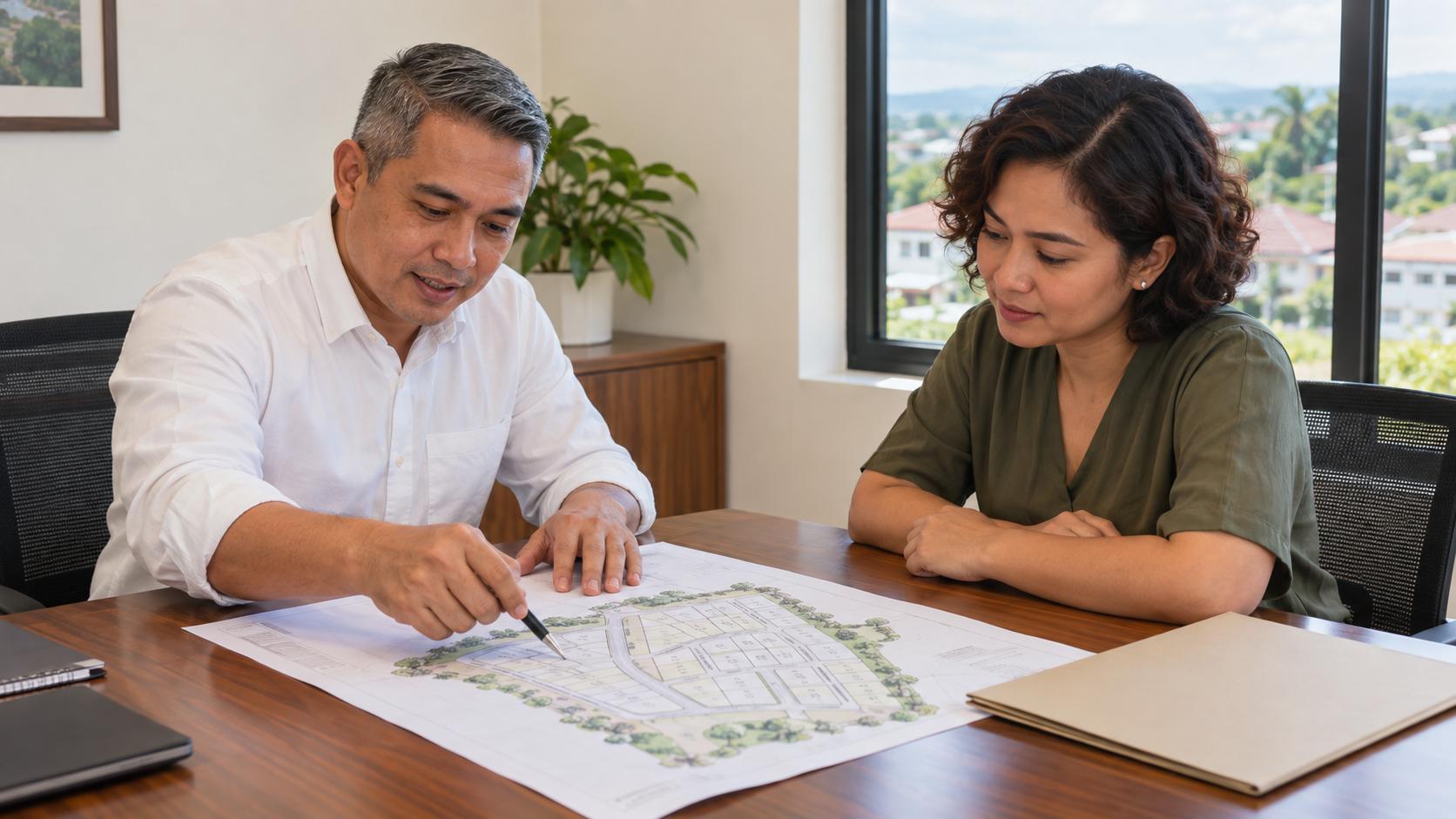
- Ask for the approved lot plan, technical description and documentary status of the separate title. Have a Philippine property lawyer review seller authority, the contract and any unresolved title issues.
- Put responsibilities, payment conditions and the proposed title-release timetable in writing. Ask your lawyer what happens if the title is delayed.
- For a development offered to the public, verify the applicable project registration and License to Sell with DHSUD. A reputation check, including our guide to choosing a credible developer, does not replace document checks.
- Ask a licensed broker which documents are available and which checks remain outstanding; arrange legal review separately where needed.
That last point is where professional help pays off. Confirming the right PRC and DHSUD credentials is part of it, and so is knowing what professional brokerage really means.
Titles and the Cebu Market
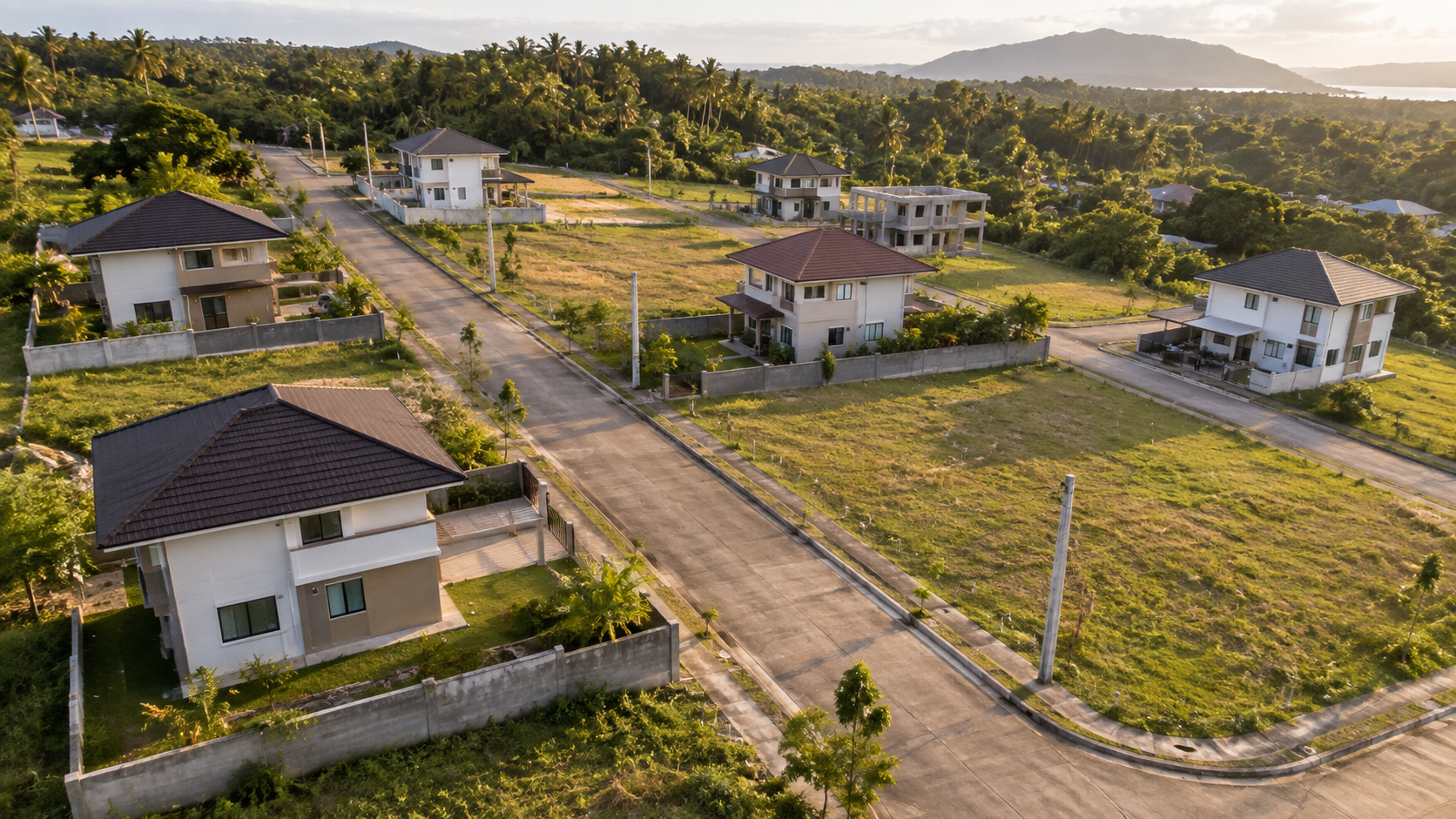
For a Cebu purchase, ask whether the offer concerns an existing separately titled lot, a portion awaiting segregation, or a condominium unit. The documents and unresolved questions matter more than a general assurance that title processing is normal.
Whether you are eyeing pre-selling property options, comparing new launches and resale units, or weighing the best property types for long-term returns, the title question always comes first. It protects the value you are counting on, as our 2026 Cebu market report makes clear.
How Cebu Grand Realty Helps You Buy Safely
Ask Cebu Grand Realty which title and project documents are available for the property you are considering, and which checks are still outstanding. Request clarification before making a commitment, and take unresolved legal questions to your own Philippine property lawyer.
We can also help you weigh the wider picture, from market value versus zonal value to the best condos in Cebu, and once you own, our property management team can look after your investment. When you are ready, get in touch and let our team guide your next move.
Frequently Asked Questions
What is the difference between a mother title and an individual title?
A mother title covers the parent parcel as a whole. An individual or separate title identifies a particular lot or condominium unit. For land, subdivision is one way a separately titled lot is created; OCT and TCT describe registration history rather than parent-versus-separate coverage.
Is it safe to buy a property still under a mother title?
A reputable developer and a promised release date do not establish that a particular purchase is safe. Before committing, verify the title, seller authority, approved lot plan and contract, and have unresolved issues reviewed by a Philippine property lawyer. For a development sale, also check the applicable project registration and License to Sell.
What title do I get for a condo unit?
A condo unit gets a Condominium Certificate of Title, or CCT, for your specific unit. The land the building sits on keeps its own title.
How do I check a property’s title?
Obtain a recent Certified True Copy through the Registry of Deeds or LRA eSerbisyo, then compare the registered owner, annotations and property description with the documents supplied. Ask a geodetic engineer about boundary questions and a Philippine property lawyer about legal issues.
Can I get a bank loan on a property under a mother title?
Ask the lender to assess the specific property and proposed security before you commit. Neither a mother title nor a separate title guarantees loan eligibility or approval.