

Are Smaller Condo Units Becoming Harder to Resell?
You bought a studio or a one-bedroom a few years back, maybe to rent out or as a first step onto the property ladder. Now you are wondering: if you listed it tomorrow, would it actually sell? It is a fair question, and lately a common one. Cebu has seen a wave of compact units come to market, and that has owners asking whether the small space that was easy to buy is now hard to let go.
So are smaller condo units becoming harder to resell? The honest answer is that it depends far more on where the unit is than on how big it is. Some compact units do sit on the market longer than they used to. Others still sell quickly. This guide explains what separates the two, and what you can do to land on the right side of it.
Key Takeaways
- Size is not the problem; location and demand are. A well-placed small unit still sells; a poorly placed one struggles whatever its size.
- Oversupplied clusters are the real risk. Where dozens of near-identical studios compete, resale slows and prices soften.
- Rental demand keeps small units liquid. If it rents easily, there is always a yield buyer waiting.
- You can protect resale value with the right building, honest pricing, and good upkeep.
The short answer

Smaller units are not inherently hard to resell. In the right spot, a studio or one-bedroom is one of the most liquid things you can own, because it is affordable to the widest pool of buyers and renters. What has changed is supply. A lot of compact units have been built in a short span, so in certain buildings and areas, sellers now compete with many near-identical neighbours. That is where resale gets slow, and it is a demand-and-location story, not a size one.
It also helps to remember who buys compact units. Most are investors chasing rental income, plus young professionals and small households who want to be close to work. That pool is large and steady, but it is price-sensitive and spoiled for choice. Give them a reason to pick your unit — location, condition, a fair price — and the sale follows. Give them a copy of the unit next door at the same price, and it stalls.
Why some smaller condo units are harder to resell now
A few forces are working against the weakest of these units. It helps to know them, because they point straight to what to avoid.
- Heavy supply of studios and one-bedrooms in some towers, so buyers have plenty of alternatives and little reason to rush.
- Thin owner-occupier demand — growing families usually want more room, as our look at what holds value long term explains, so many small units rely on investors.
- Near-identical competition: when ten units in the same building share a layout and view, price becomes the only lever.
- Rising monthly dues that eat into a landlord’s return and make yield buyers more selective.
- Buyer caution in areas already seen as stretched on price, which slows every resale, small units included.
What keeps a smaller unit easy to sell
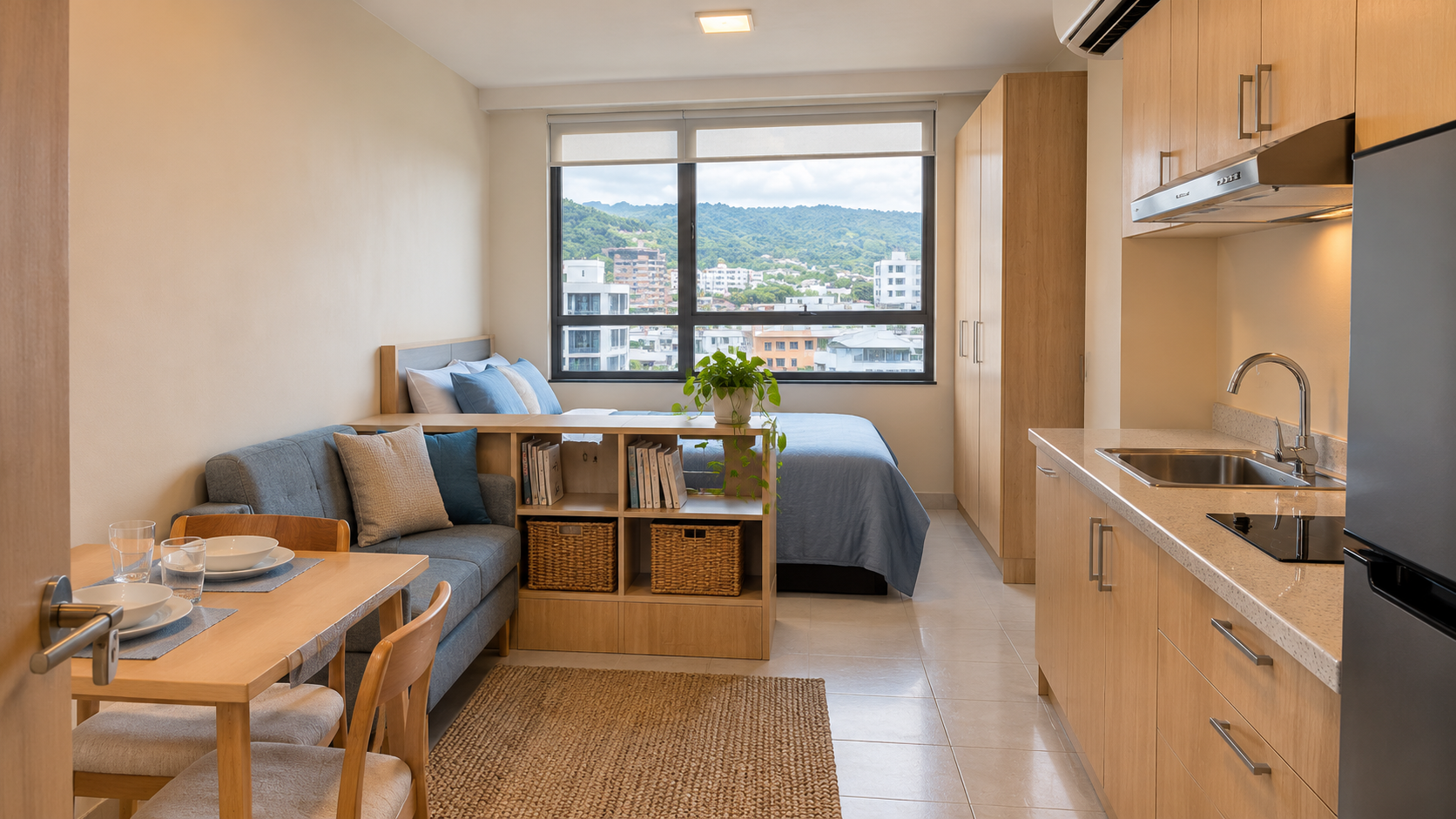
Now the other side, because plenty of compact units still move fast. The ones that do almost always share a few traits.
- A prime, walkable location near offices, hospitals, or universities, where tenants and buyers are constant — think the kind of central spots that let people live without a car.
- Strong rental demand, so the unit earns while it waits; our Cebu rental yield report shows where small units still perform.
- A reputable developer and a well-run building, since developer reputation feeds resale value directly.
- A real differentiator — a better view, a smarter layout, a parking slot, or a mid-rise setting that buyers increasingly prefer.
- Steady demand from the young professionals who favour compact, central condos, keeping the resale pool deep.
How to protect your unit’s resale value
If you already own a small unit, or you are about to buy one, a few habits keep it sellable.
- Price it against the units actually competing with it, not the one that sold two years ago. Check your market value against the zonal value so the number is defensible.
- Keep it rentable. A unit with a tenant and a track record is far easier to sell to an investor.
- Maintain it and stage it well before listing — small spaces live or die on how bright and uncluttered they feel.
- Know your exit options. Our guide to foreclosures, pre-selling, and resale and the signs of strong resale potential are both worth a read before you decide.
Treat a small unit as a rental first

Here is the mindset that keeps compact units sellable: buy one that rents well, and resale almost takes care of itself. A unit with strong, steady rental demand is never truly stuck, because an investor will always buy an income stream in a good location. That is why the numbers matter more than the floor area. Before you buy or hold, run the rent against the dues and the price, lean on the yield figures by area, and make sure the unit pays its way. A small unit that earns is an asset; one that sits empty in an oversupplied tower is the one that gets hard to move.
So, should you still buy a smaller unit?
Yes — with your eyes open. A compact unit in a strong location, in a well-run building, bought at a sensible price, remains one of the easiest assets to rent and to sell. Treat it as a rental asset first and the resale tends to take care of itself. Be cautious, though, in buildings and areas already crowded with identical studios, where your future buyer will have too much choice. The shift toward vertical living is real, and well-chosen small units are part of it; the trick is simply to buy the right one. If you are new to this, start with our guide to choosing a condo in Cebu.
Not sure where your unit stands? Tell us the building and floor, and we will give you an honest read on how it is likely to rent and resell, and what to price it at. When you are ready, talk to the Cebu Grand Realty team.
Frequently Asked Questions

Are studios harder to sell than one-bedrooms?
Often slightly, because owner-occupiers tend to prefer a separate bedroom, so studios lean more heavily on investors. A studio in a prime, high-rental location still sells well; a studio in an oversupplied tower is the tougher case.
Does renting out my unit make it easier to resell?
Usually yes. A unit that rents easily, ideally with a tenant in place, is attractive to the investors who make up most of the buyers for small condos. A proven rental record is a selling point.
Which Cebu areas hold small-unit value best?
Central, high-demand spots near business districts, hospitals, and schools tend to hold up best, since tenants and buyers are always there. Our cost of living guide hints at where that demand concentrates.
How long should it take to sell a small unit?
A well-located, fairly priced unit can sell within a few months; one competing against many identical neighbours can take much longer. Pricing against the units actually on the market, and keeping a tenant in place, are the two fastest ways to shorten that wait.