5 Reasons Mid-Rise Condos Are Growing More Popular Than High-Rise in Cebu
Cebu’s condo market has long been defined by towers. Tall buildings in IT Park, Cebu Business Park, and Cebu City set the standard for vertical living for years. But things have changed. Buyers in 2026 are more selective. Many of them now choose mid-rise condos over high-rise towers.
The shift is not just about price. It is about how people want to live. Cebu is getting busier and more congested. Mid-rise condos offer a different pace of living. Many buyers find this more practical for their lifestyle.
This pattern shows up across Cebu City, Mandaue, Banilad, Lahug, and Talamban. First-time buyers, young professionals, OFW families, and investors are all paying more attention to mid-rise options. In fact, that was not the case a few years ago.
Key Takeaways
- Mid-rise condominiums in Cebu tend to cost less per square meter than high-rise units in the same area, making them a stronger entry point for first-time buyers and budget-conscious investors.
- Practical daily factors like shorter elevator waits, better natural ventilation, and less-crowded shared spaces give mid-rise living a real edge in Cebu’s dense urban environment.
- Neighborhoods like Banilad, Lahug, Talamban, and parts of Mandaue show steady rental and resale demand for mid-rise condos, especially near major business and school corridors.
What Defines A Mid-Rise Condo In Cebu
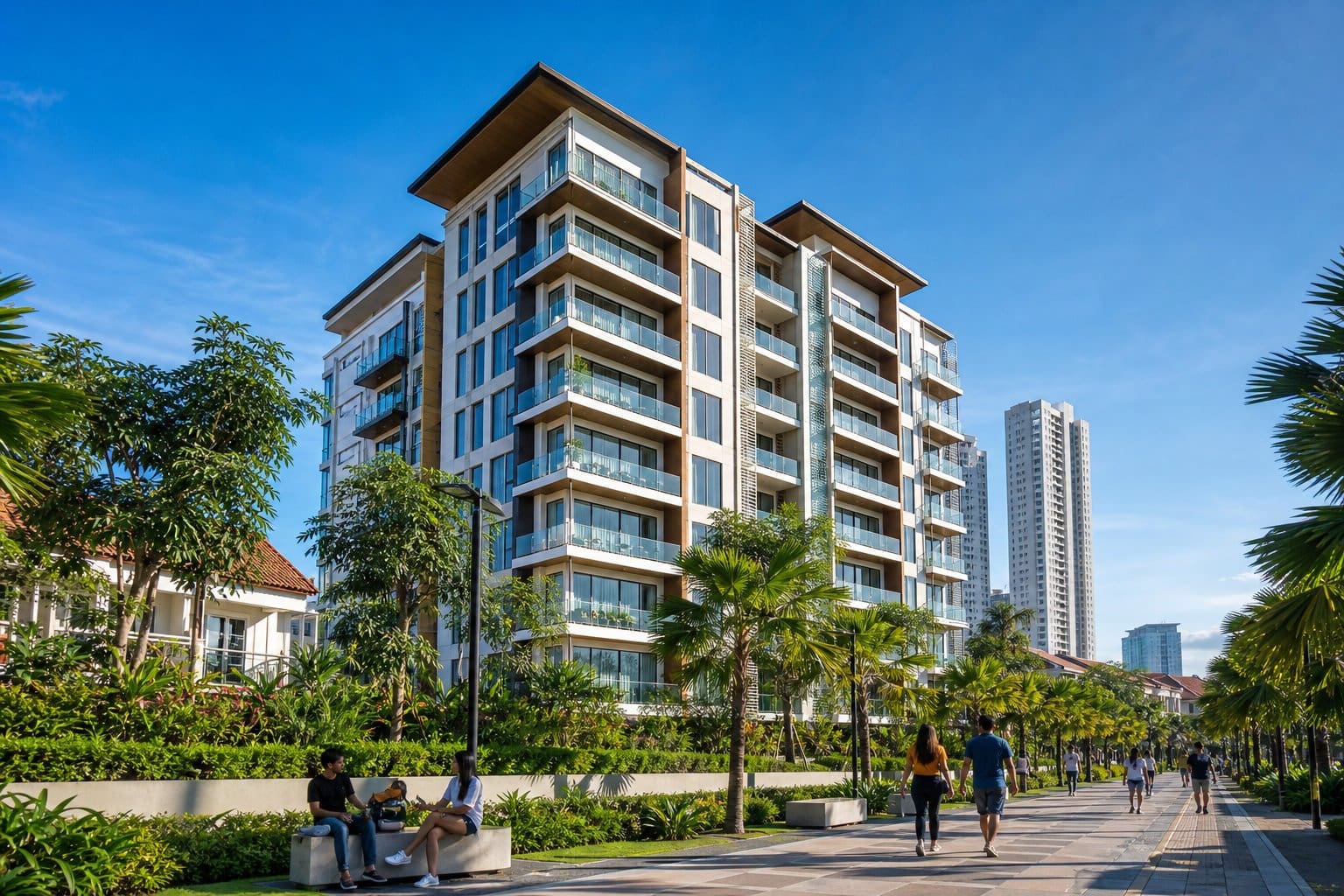
The term “mid-rise” gets used loosely. In the Philippine context, it refers to a building with roughly 5 to 15 floors. Buildings above that, especially those with 20 to 50 floors, fall into the high-rise category. Low-rise condos sit at four floors or fewer.
In practical terms, a mid-rise condo sits between two very different living experiences. High-rise condos offer altitude, city views, and a larger pool of units. Low-rise condos feel closer to ground-level living. Mid-rise condos combine the ease of vertical living with a smaller building scale. That makes them more manageable for most buyers.
In Cebu, mid-rise condos are common in areas like Banilad, Lahug, and Talamban. You also find them in parts of Mandaue and near major business corridors. However, they are less common inside Cebu Business Park and IT Park. In those areas, high land costs push builders toward taller towers to get more returns per square meter.
The size difference matters. A typical high-rise in Cebu holds 300 to 500 units across 30 to 40 floors. In contrast, a mid-rise with 10 to 12 floors holds roughly 60 to 100 units. That gap changes everything. It affects elevator wait times, noise levels, and how well you know your neighbors.
Mid-rise condos are not a lesser version of high-rise condos. They are a different product built for a different kind of buyer. That is the key starting point for making a smart condo purchase in Cebu today.
1. Lower Cost Per Square Meter
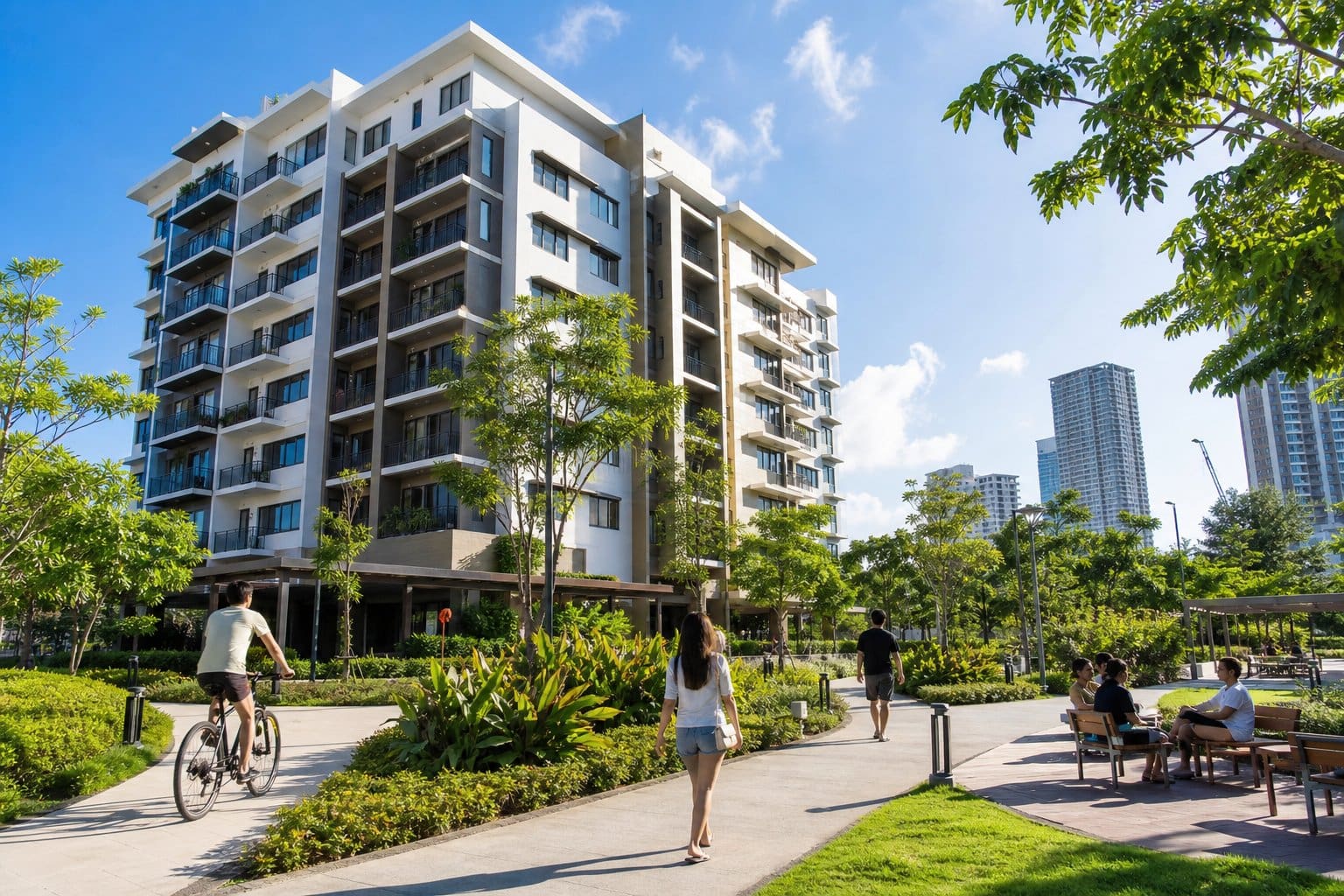
Mid-rise units often carry a lower price tag than high-rise towers in premium zones. This makes them a good option for first-time buyers and families.
2. Daily Convenience and Access
Shorter elevator wait times and easier stair access during power outages improve daily life. These buildings avoid the friction points common in high-density towers.
Day-to-day condo living has friction points that only become clear after you move in. High-rise buildings introduce a specific set of daily inconveniences that mid-rise condos largely avoid.
Elevator wait times in a tall high-rise during rush hour can stretch to five or ten minutes. In a mid-rise with 80 units, the wait is short. Residents on lower floors often skip the elevator. They use the stairs instead. As a result, that small change adds up over time.
Urban living in a high-rise gets hard during power outages. When backup power does not cover elevators, reaching upper floors is tough. Mid-rise residents have a much shorter climb. For those on the first few floors, it is not an issue at all.
Moving in, carrying groceries, and getting deliveries are all harder in a high-rise. Families with young children or pets feel this most. Mid-rise living makes access to the ground floor faster and less tied to building systems.
3. Better Natural Light and Ventilation
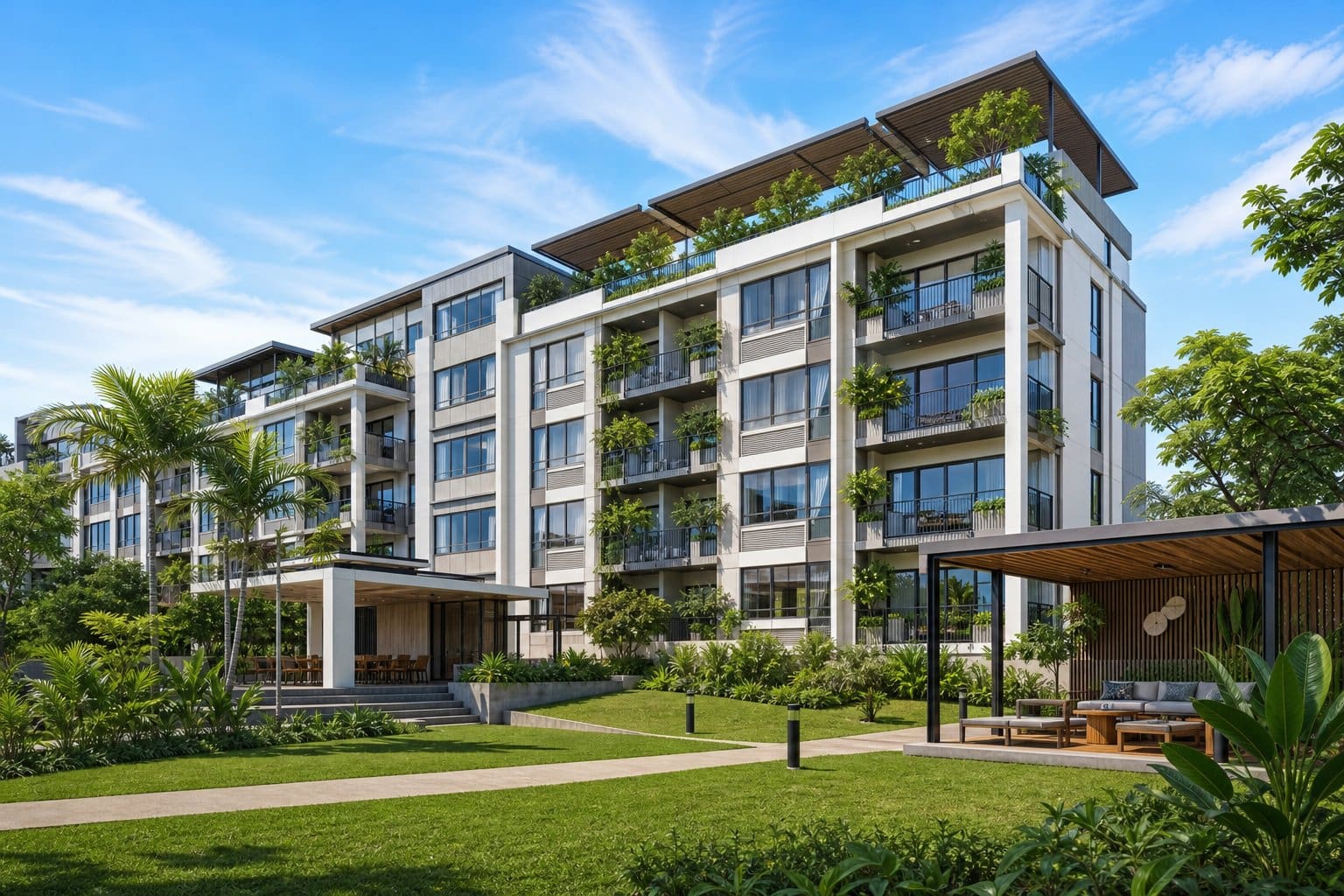
Smaller-scale buildings are often set with more open space around them. This improves airflow and light, greatly cutting monthly electricity costs.
Cebu’s climate makes natural light and airflow real concerns. A unit that relies on air conditioning costs more to live in. However, a well-aired unit on an upper floor of a mid-rise can cut that need. As a result, monthly bills go down.
High-rise towers in dense parts of Cebu often face other towers up close. Units may look straight into another building, blocking natural light. Cross-ventilation is often limited because wind paths are blocked by nearby towers.
Mid-rise condos are usually built on sites with more open space. Upper floors often have clear views and good airflow. Even mid-floor units in a well-designed mid-rise can receive steady natural light throughout the day.
4. Less Crowded Amenities
Shared spaces like pools, gyms, and lobbies are used by fewer residents. This keeps them easy to use and well cared for, even at peak hours.
A pool shared by 80 residents feels very different from one shared by 400. In addition, gyms are open and easy to use, and parking is less of a fight. The lobby stays calm, even during busy delivery hours.
Amenity quality in a mid-rise is less about what is listed. It is more about how usable it is in daily life. A building with 90 residents feels very different from one with 450. For buyers, shared space usability is worth checking before you commit.
5. Residential Lifestyle
With fewer units and shorter halls, mid-rise buildings offer a calm, settled feel. This appeals to long-term residents and families who want a sense of community. Furthermore, fewer residents create a quieter, more home-like feel than high-density towers.
Where Mid-Rise Demand Is Strongest Across Metro Cebu
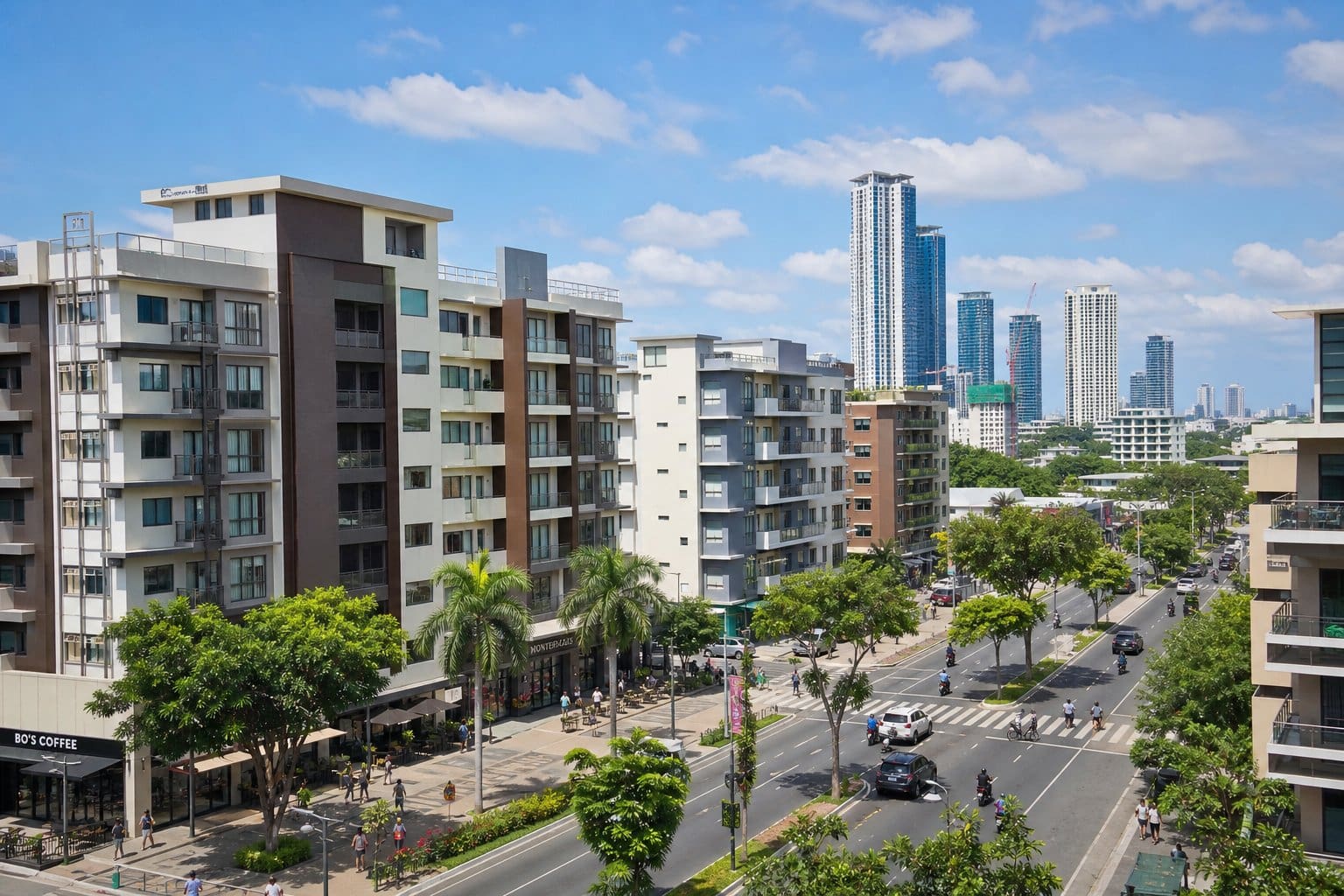
Mid-rise condo demand in Cebu is strong in specific areas. These areas mix a home-like feel with easy access to business hubs. Knowing where demand is highest helps you find a mid-rise with good rental and resale value.
Banilad and Lahug have the most mid-rise condos in Cebu City. These areas are close to IT Park and Cebu Business Park. They attract workers and young professionals but feel more home-like than the high-rise zones. Pre-selling condo launches here sell fast. Demand from both buyers and investors stays steady.
Talamban is an active mid-rise area with lower price points. It is close to the University of San Carlos, hospitals, and shops. That makes it appealing to young buyers and families. Pre-selling condo projects here often cost less than units near Cebu Business Park.
Mandaue is growing as a mid-rise area, mainly along A.S. Fortuna and near the Mactan-Mandaue bridge. Buyers who work in Mandaue or commute to Mactan are driving this demand. Mid-rise condos here offer fair prices and shorter commutes. That draws practical buyers.
South Road Properties is a growing mid-rise area. Land values near SM Seaside and NUSTAR are rising. Moreover, mid-rise condos offer an easier way to enter this zone now. It is a chance to buy in before prices go higher.
For buyers looking across these areas, working with a trusted team saves time. Cebu Grand Realty’s licensed agents hold verified listings across all of these corridors. That can speed up your search.
How To Evaluate Value, Rental Potential, And Resale Appeal
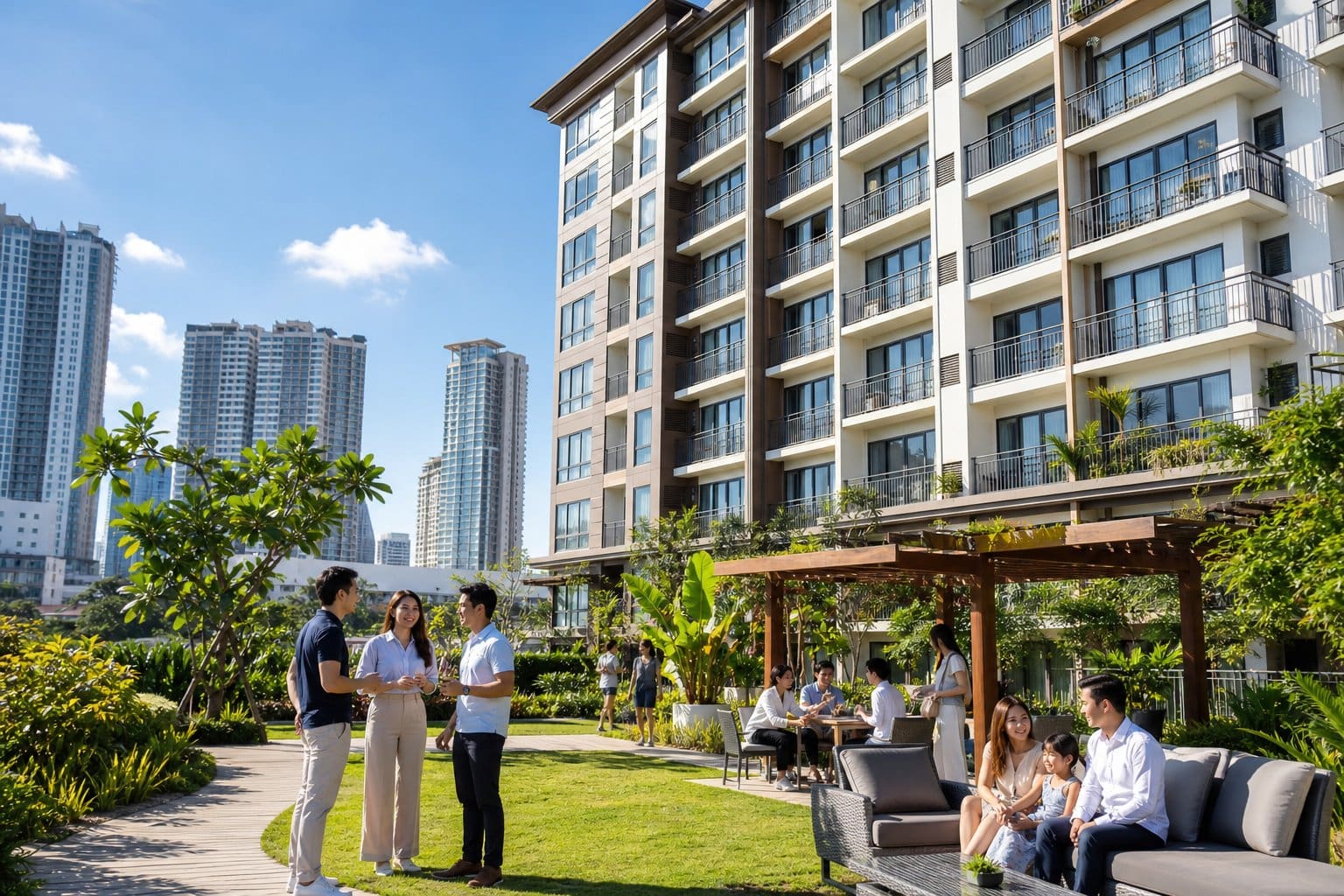
A condo for sale looks different on paper than as a long-term investment. Buying a condo in Cebu means looking past the price. You need to check the factors that drive value over time.
Developer track record is the top filter when looking at a pre-selling condo. A mid-rise from a builder with a strong history in Cebu carries less risk. A cheaper unit from an unknown builder carries more. Ask to see finished projects. Visit them if you can.
Property management quality directly affects how a condo holds its value. A badly managed building shows it fast. In fact, you may see deferred repairs, security gaps, and rising dues with no service gains. Before buying any unit, ask about the HOA setup. Similarly, review the monthly dues history.
Location relative to jobs and rental demand shapes both your rental income and your resale timeline. Mid-rise condos near IT Park, Cebu Business Park, and hospitals in Lahug and Banilad draw steady demand. One-bedroom units in these areas rent for PHP 18,000 to PHP 30,000 per month. Exact rates depend on size and finishes.
For buyers looking at a pre-selling condo in a newer area, the key question is simple. Are roads and business hubs moving toward that location? SRP is a good current example. However, the upside requires patience and a higher tolerance for delays.
Resale in well-located mid-rise condos in Banilad, Lahug, and Talamban has been steady. Properties in these areas sell faster than those in oversupplied or poorly located buildings. As of 2026, Cebu listings average around 110 days on market. In fact, well-priced mid-rise units in good locations often sell faster than that.
Frequently Asked Questions
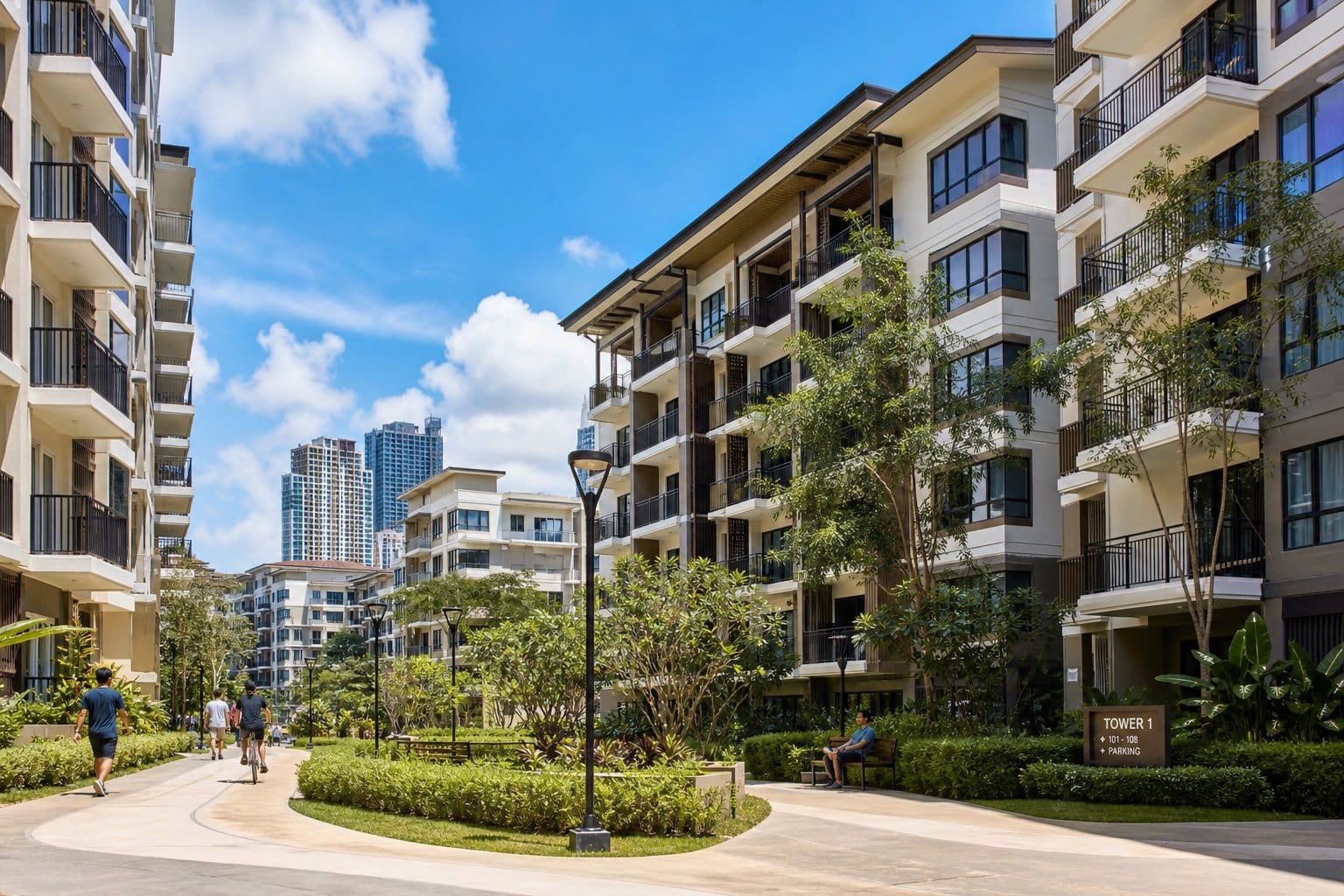
What floor range defines a mid-rise condo compared to a high-rise?
In the Philippines, a mid-rise condo generally refers to a building with 5 to 15 floors. High-rise condos typically exceed 15 floors, with many reaching 30 to 50 floors. Low-rise condos sit at four floors or fewer.
Why do mid-rise units often cost less than high-rise units in the same area?
Mid-rise condos cost less to build per unit. Construction gets much more complex as buildings get taller. Land cost is also spread across fewer floors. Developer margins on smaller projects tend to be lower. In Cebu, these factors often mean a lower price per square meter. Mid-rise units tend to cost less than high-rise units in the same area.
Which Cebu areas have the most mid-rise condos?
Banilad and Lahug have the largest cluster of mid-rise condos in Cebu City. Talamban is active with lower prices, while Mandaue’s A.S. Fortuna area is growing. South Road Properties is growing as a mid-rise zone as roads and business anchors develop.
How do mid-rise condos compare to high-rise towers for daily convenience?
Mid-rise condos have much shorter elevator wait times. Fewer residents share a smaller number of floors, so the wait is brief. However, during power cuts, residents can use the stairs. They do not face the extreme climb of a 30-floor high-rise. Consequently, both factors matter for full-time residents.
Do mid-rise condos offer better natural light and airflow than high-rise towers?
Yes. Mid-rise condos are often surrounded by more open space. As a result, upper and mid-level units get steady natural light and airflow. In Cebu’s warm climate, better airflow cuts down on air conditioning. That lowers monthly electricity costs for residents over time.
What should buyers check to judge long-term value in a mid-rise condo?
Check the developer’s finished projects in Cebu before buying, especially pre-selling condos. In addition, review the property management history. Ask about HOA dues and how they have changed. Location near jobs and rental demand is the final filter. It tells you how fast a unit will move if you sell or lease.