

How to Handle Mold, Dampness, and Poor Ventilation in a Rental
You open the bedroom closet after a week of rain and there it is: a musty smell, and a faint black bloom creeping along the wall. It is one of the most common complaints in Cebu rentals, and it is easy to see why. Our weather is warm and humid almost all year, the rainy season is long, and many units simply do not get enough airflow. Put together, mold, dampness, and poor ventilation are almost a package deal in local rentals.
The good news is that mold, dampness, and poor ventilation are fixable, and most of the time you can stop them coming back. This guide walks through how to clean up what you can see, deal with the moisture behind it, get air moving again, and sort out who is actually responsible, you or your landlord. Whether you rent or own a condo in Cebu, the steps are much the same.
Key Takeaways
- Mold is a symptom of moisture. Clean it off, but fix the damp source too, or it comes straight back.
- Small patches are a tenant job; hidden leaks are usually the landlord’s. Report anything structural in writing, early.
- Airflow is your best defence. Open windows daily, run exhaust fans, and do not block vents with furniture.
- Prevention is cheap; damage is not. A little daily habit beats repainting a wall or losing part of your deposit.
Why mold, dampness, and poor ventilation happen in Cebu rentals
Mold needs three things to grow: moisture, warmth, and still air. Cebu offers all three for most of the year, so the real question is where the extra moisture is coming from. Usually it is one of a few culprits.
- High humidity during the long rainy season, which the changing coastal climate is only making stronger.
- Everyday moisture from cooking, bathing, and drying laundry indoors, with nowhere to escape.
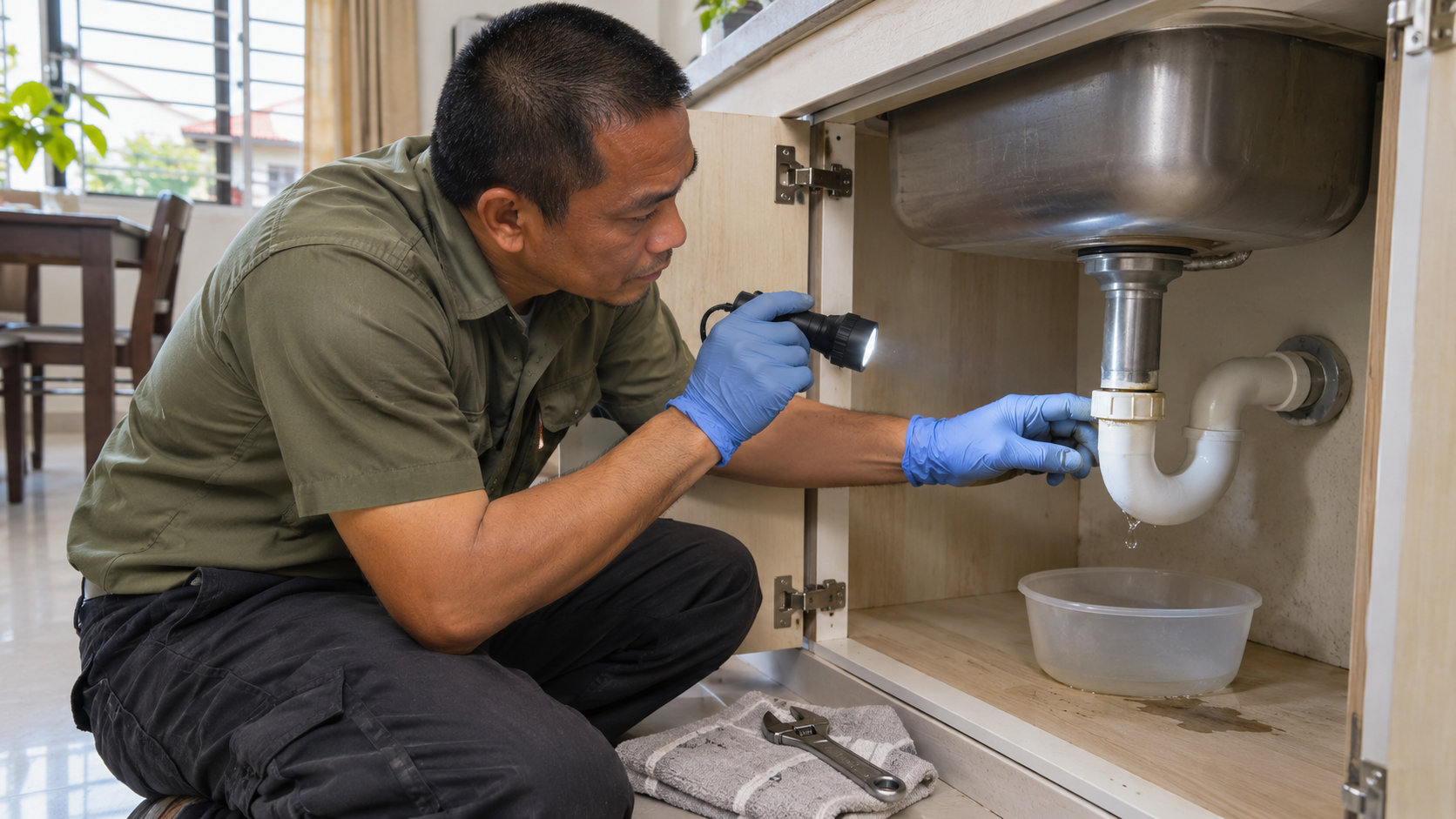
- Leaks from roofs, windows, or plumbing, which are common after heavy rain and flooding.
- Poor airflow in closed-up units, especially small or interior rooms with few windows.
Once you know the source, the fix becomes obvious. So before you scrub anything, take a minute to work out why that corner is wet in the first place.
How to clean mold you can already see
For a small patch, under roughly one square metre, you can usually handle it yourself. Here is the safe way to do it.
- Open a window and wear a mask and gloves. Mold spores are not something you want to breathe in.
- Wipe the area with a mix of water and mild detergent, or a diluted bleach solution for hard surfaces like tile and concrete.
- Let it dry completely. Damp that lingers is an invitation for the mold to return within days.
- Throw out anything soft and badly affected, such as a mouldy pillow or curtain, since these are hard to clean fully.
If the patch is large, keeps coming back, or sits on something you cannot open up, like inside a wall or ceiling, stop there. That is a bigger problem, and it is time to tell your landlord rather than paint over it.
How to tackle the dampness behind it

Cleaning the mold treats the symptom. Drying out the room treats the cause. Start with the easy wins.
Dry your laundry outside or on a balcony whenever you can, since indoor drying dumps litres of water into the air. Wipe down wet bathroom walls after a shower, and keep lids on pots while cooking. A small dehumidifier is worth every peso in a closed condo, and even bowls of silica or charcoal help in a closet. If you are furnishing a compact unit, making a small apartment work also helps keep air flowing instead of trapping it.
If the damp traces back to a leak, a stain that spreads, a patch that is always wet, or water marks after rain, that is structural. Report it promptly and in writing. A slow leak can quietly ruin a wall, and property insurance and repairs are far easier to sort while the damage is still small.
How to fix poor ventilation
Moving air is the single best defence against mold, and most of it costs nothing. The goal is simple: let damp air out and fresh air in, every day. Better airflow is also one of the sustainable upgrades that lift a home’s comfort and value.
- Open windows on opposite sides of the unit for a cross-breeze, even for just fifteen minutes each morning.
- Run the exhaust fan in the bathroom and kitchen, and leave it on a little after you finish.
- Pull furniture a few centimetres off exterior walls so air can move behind it.
- Keep closet and cabinet doors open now and then, since these dark, still spaces are where mold loves to start.
- Add a few indoor plants suited to condo living that tolerate humidity, for a small natural boost.
If a room simply has no window or airflow, that is a design limit, not a cleaning problem. It is also one reason mid-rise condos and units with good cross-ventilation are worth paying a little more for.
Whose job is it — yours or the landlord’s?
This is where a lot of rental disputes start, so it helps to know the rough line. As a general rule, surface upkeep is the tenant’s job and structural problems are the landlord’s.
Usually the tenant: day-to-day cleaning, wiping down damp, airing out rooms, and small mold patches that come from how the space is used. Keeping the unit ventilated is part of looking after it, just like the condition tenants expect to find when they move in.
Usually the landlord: leaks, broken gutters, rising damp, faulty plumbing, and mold caused by any of these. These are defects in the property itself, and fixing them protects the property’s long-term value. Reporting them early and in writing also protects your deposit later, which ties straight into getting your security deposit back without a dispute.
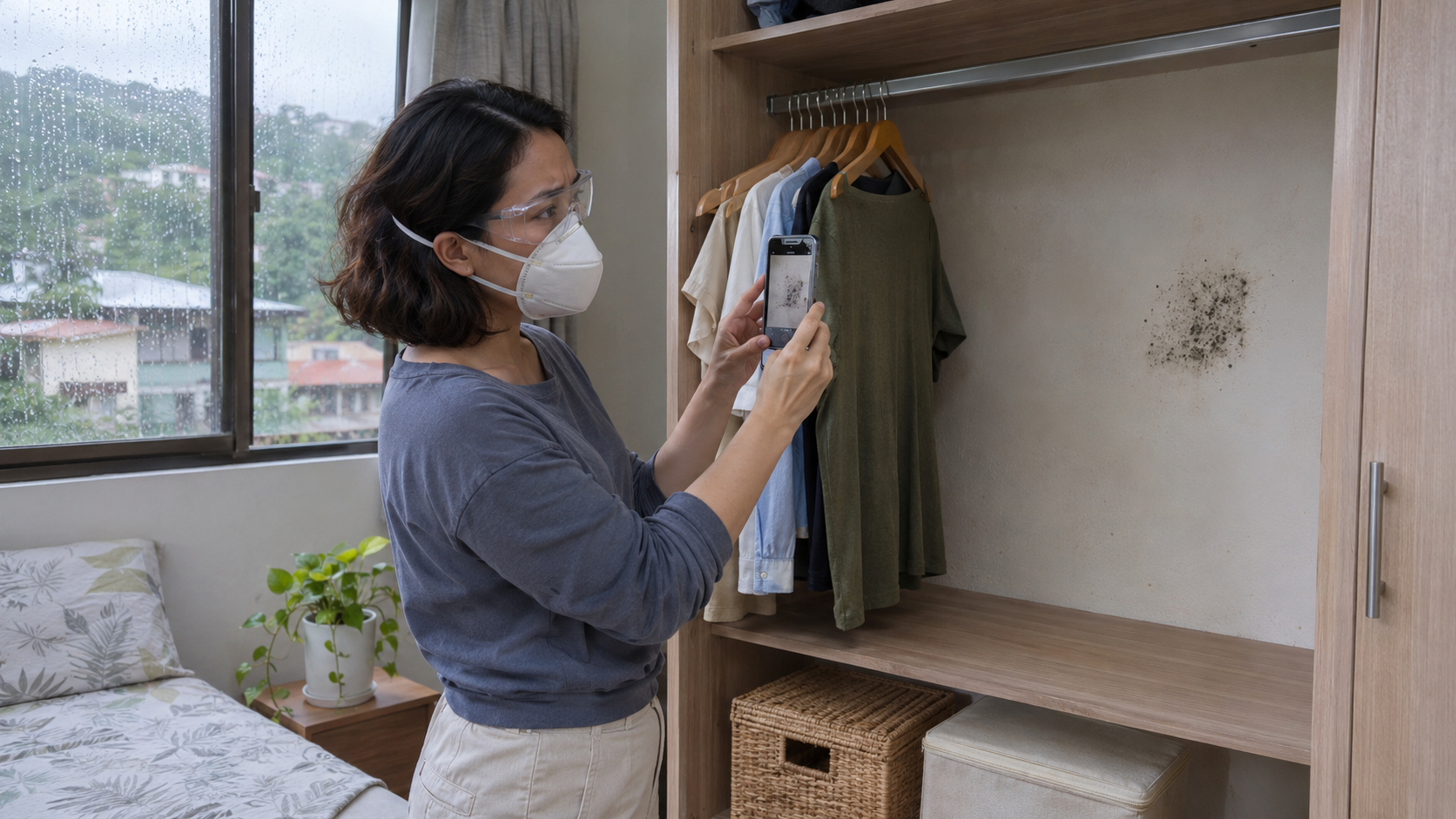
When in doubt, check your contract and report the issue in writing anyway. A quick message with a photo creates a record, and most Cebu rental agreements expect tenants to flag maintenance problems before they grow.
How to stop it coming back

Once the room is clean and dry, a few small habits keep it that way. None of them takes more than a minute, and together they keep mold, dampness, and poor ventilation from taking hold again.
- Air out the unit every morning, even briefly.
- Run exhaust fans while cooking and bathing, and a while after.
- Dry laundry outside, not in a closed bedroom.
- Wipe condensation off windows and walls before it sits.
- Check corners, closets, and under sinks once a week for early spots.
- Report any leak or recurring damp the moment you notice it.
Looking for a rental that stays dry and airy?
A well-built, well-ventilated unit spares you mold, dampness, and poor ventilation in the first place. If you are house-hunting, tell us how you plan to use the space and we will point you toward units with good airflow and solid maintenance, and away from the ones that fight you every rainy season. You can browse our Cebu neighbourhood guides and most affordable areas, see what living here really costs, and when you are ready, message the Cebu Grand Realty team for a shortlist that fits.
Frequently Asked Questions

Is mold in a rental the landlord’s responsibility?
It depends on the cause. If the mold comes from a leak, faulty plumbing, or rising damp, it is usually the landlord’s job to fix. If it comes from everyday use and poor airing, keeping it in check is usually the tenant’s. Report anything structural in writing.
How do I get rid of a musty smell in a condo?
Find and dry the moisture source first, then air the unit out daily, run exhaust fans, and use a dehumidifier or charcoal in closed spaces. The smell fades once the air stops holding so much water.
Can I lose my deposit over mold?
You can, if neglect caused lasting damage, like a wall left to rot. You usually will not if you kept the unit aired out and reported leaks early — the same habits behind returning a deposit without a dispute.
Which rooms are most at risk?
Bathrooms, kitchens, closets, and any interior room with few windows. Anywhere that stays warm, damp, and still is where mold starts, so these are the spots to check first.