How to Rent a Property in Cebu: A Step-by-Step Guide for First-Time Renters
Renting for the first time can feel like a lot to handle. You have a budget in mind, an area you like, and a move-in date that is getting close. Yet the steps from search to signed lease are rarely laid out in one place. If you’re not sure how to rent a property or where to begin, this guide walks you through every step — from setting a budget to moving in — written for first-time renters in Cebu.
What to Know Before You Start
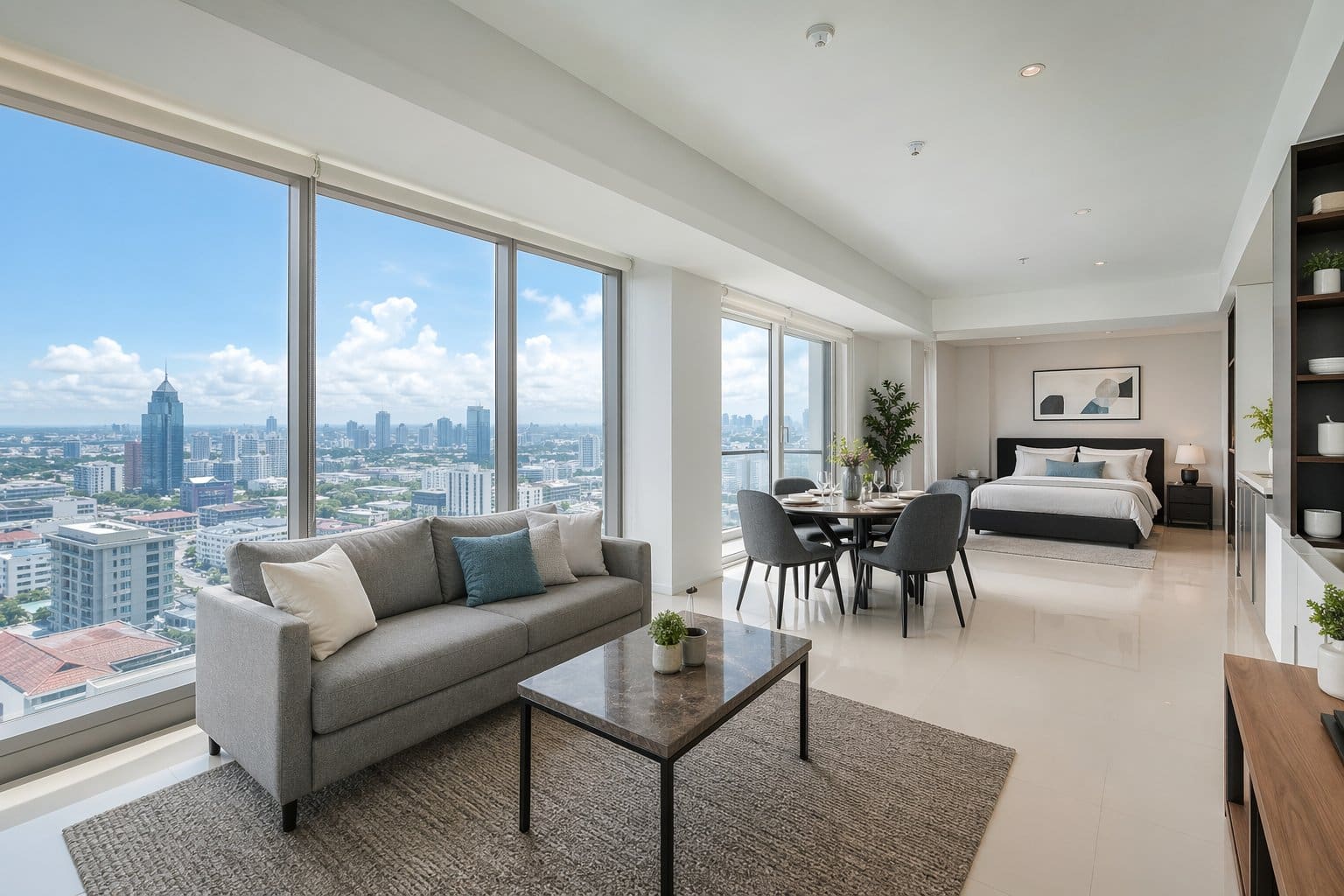
Cebu’s rental market moves fast. A good unit in a well-placed building can be taken within days of going live. So, knowing what you want before you start saves time and stops rushed choices. Still, the steps are the same for every renter who takes them in order.
Also, renting in Cebu costs more upfront than most first-timers expect. Most landlords ask for one to three months in advance plus a deposit of one to two months. Still, knowing these costs early helps you plan ahead and avoid stress on move-in day.
Step 1: Set Your Budget
Before you search for listings, work out how much you can spend each month. A good rule is to keep rent at no more than 30% of your take-home pay. So, if you earn PHP 30,000 per month, aim for rent between PHP 7,000 and PHP 10,000.
However, rent is only part of the monthly cost. You also need to set aside money for power, water, and internet. These add PHP 2,000 to PHP 6,000 per month, based on the unit and your use. See the Cost of Living in Cebu guide for a full breakdown.
Typical Move-In Costs in Cebu
| Cost Item | Typical Range | Notes |
|---|---|---|
| First month’s rent | PHP 6,000 – PHP 50,000+ | Paid before or on move-in day |
| Deposit | 1–2 months’ rent | Refunded at end of lease |
| Advance rent | 1–3 months’ rent | Applied to last months of lease |
| Agent fee | 0–1 month’s rent | Often paid by the landlord, not you |
| Move-in fee (condos) | PHP 500 – PHP 3,000 | Building admin charge |
So, for a PHP 15,000 per month condo unit, plan to spend PHP 45,000 to PHP 60,000 on day one. Knowing this early stops last-minute cash problems.
Step 2: Choose the Right Area

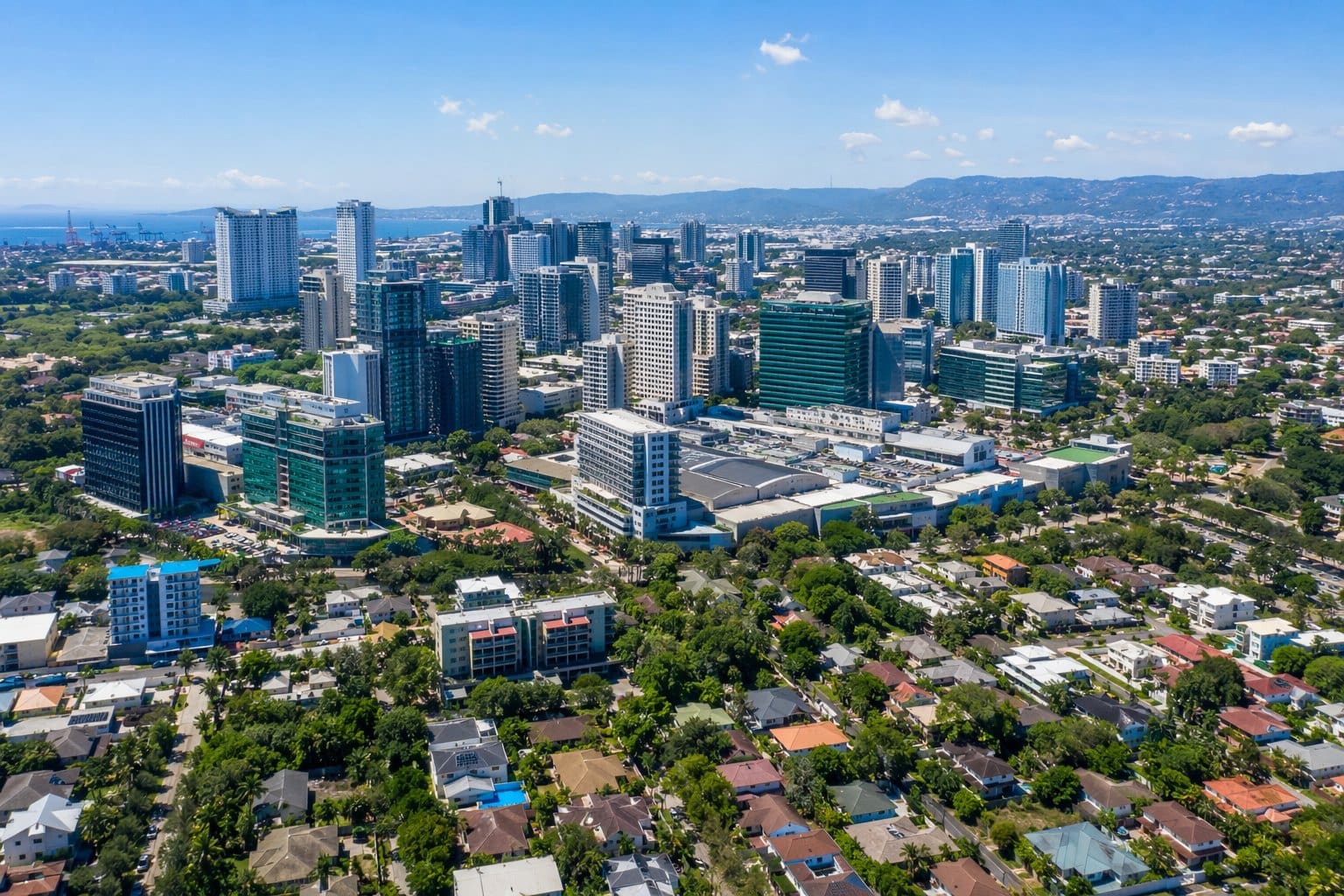
Cebu has several key rental zones. Each one has a different price range, feel, and commute time. So, your choice should reflect where you work, how you get around, and the life you want day to day.
Key Rental Areas at a Glance
| Area | Best For | Monthly Rent Range (Condo) | Commute Notes |
|---|---|---|---|
| IT Park, Cebu City | BPO workers, young staff | PHP 15,000 – PHP 35,000 | Walk to work for IT Park staff |
| Cebu Business Park | Office workers, expats | PHP 18,000 – PHP 45,000 | Central, near malls and offices |
| Lahug / Banilad | Families, students | PHP 10,000 – PHP 25,000 | Quiet, 15–30 min from the city core |
| Mandaue | Budget renters | PHP 7,000 – PHP 18,000 | Good for those working in Mandaue |
| Mactan / Lapu-Lapu | Airport workers, expats | PHP 8,000 – PHP 25,000 | Near airport; traffic via bridge |
| Talisay | Families, low-cost renters | PHP 5,000 – PHP 14,000 | More space for less; longer south commute |
Indeed, location affects more than rent. A cheap unit far from work may cost more in daily travel than the rent you save. So, add up rent plus commute before you decide. Moreover, if you are an OFW or remote worker who needs a stay of three to six months rather than a full year, look for units open to medium-term leases.
Step 3: Know What Property Type You Need
Now, Cebu’s rental market has several types of homes. Each one fits a different life and budget.
Condo units offer building guards, shared pools, and gyms, plus easy access to shops and offices. However, they come with monthly condo fees of PHP 2,000 to PHP 5,000 on top of rent.
Apartment units are often cheaper and come in many sizes. They suit renters who do not need shared perks. Still, quality varies a lot between buildings, so always check the unit in person.
House rentals give more space and privacy. They work well for families or groups who share costs. Yet houses often put more upkeep duties on the tenant.
Furnished vs Unfurnished
Most listings in Cebu fall into three groups. A fully furnished unit has a bed, sofa, dining set, kitchen gear, and often a washer. Still, a semi-furnished unit has fixtures and key appliances but no furniture. So, a bare unit has none of these — just the empty shell.
For first-time renters who come from a family home, a furnished unit costs more per month but saves on buying furniture. So, weigh the extra monthly cost against the upfront cost of buying your own items.
Step 4: Find a Property
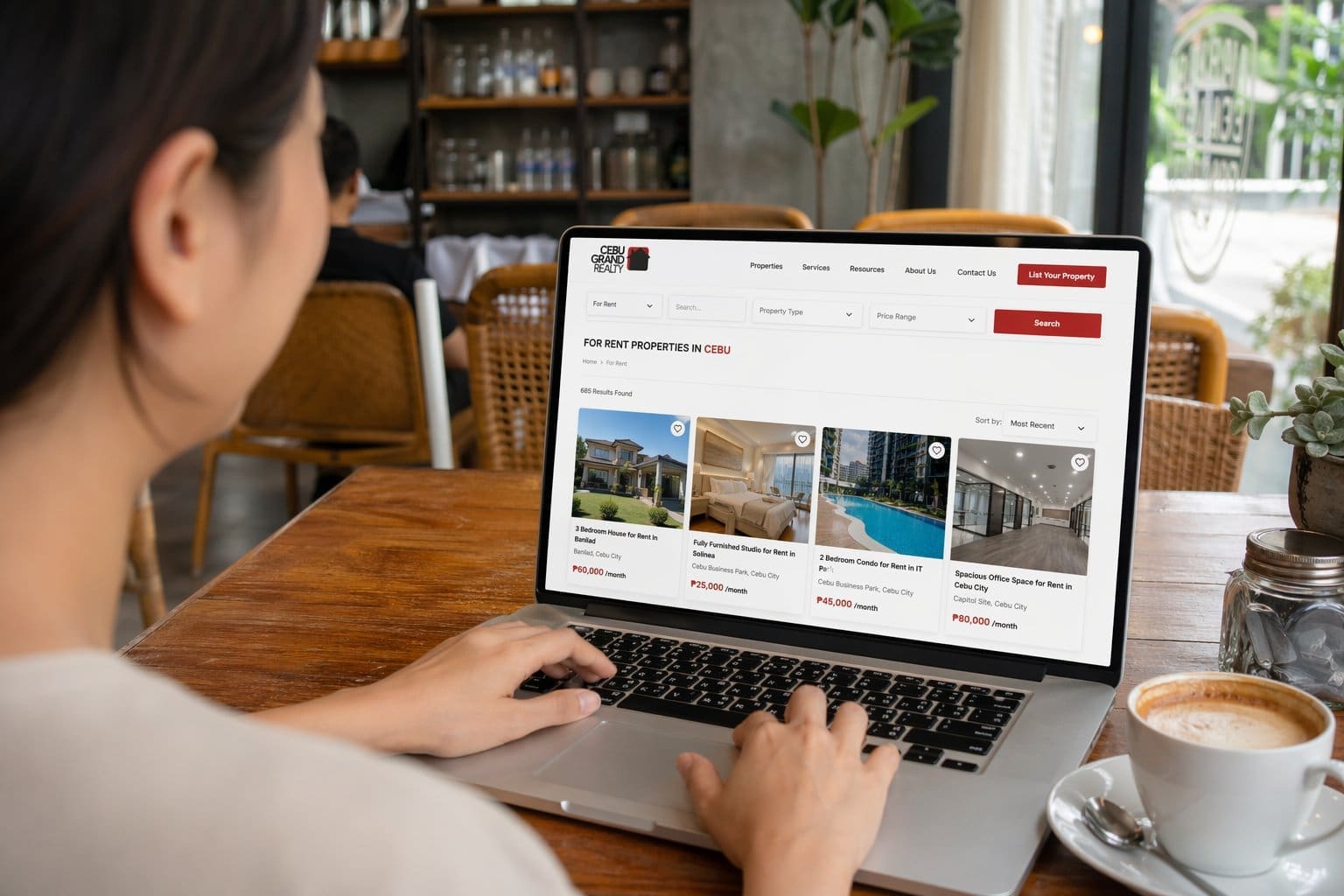
Now that your budget and target area are clear, start your search. Still, there are three main ways to find rentals in Cebu.
Online listing sites such as Lamudi, Property24, and Facebook Marketplace carry a wide range of options. Also, many Cebu Facebook groups are focused on rentals and can surface units not found on formal sites. However, not all listings are checked, so treat unverified posts with care.
Licensed agents can match your needs to open units faster than a self-search. A good agent saves time, explains the lease, and flags issues before you commit. Read 10 things agents wish clients knew. Moreover, in many cases, the landlord pays the agent’s fee — not you.
Building admin offices for condos often list open units directly. So, visiting buildings you like in person and asking the front desk is a smart move.
Red Flags to Watch in Listings
- Photos that look too perfect or do not match the price
- Requests for a deposit before you have seen the unit
- No lease offered or vague terms given verbally
- Landlord who cannot show a title or tax record
- Price far below the going rate for the area
Step 5: View the Unit and Ask the Right Questions
Never pay for a unit you have not seen. Photos can hide water damage, poor light, noise, and building faults. So, always visit in person before you hand over any money.
During your visit, check the water flow in all taps and the shower. Also, test all light switches and power points. Look for water stains on the walls and ceiling. Check your phone signal, and ask if the building has fiber internet.
Questions to Ask the Landlord
- What is included in the rent — water, power, condo fees?
- How are utilities billed — through the building or by actual use?
- Who handles repairs and upkeep?
- Is subletting allowed?
- How much notice do you need to end the lease early?
- Are pets allowed?
Step 6: Understand the Lease

Now, the lease is the most important paper in any rental. So, read it in full before you sign. If any part is unclear, ask the landlord to explain it — or get a second opinion.
Key Clauses to Check
Lease term: Most leases in Cebu run for one year. Also, some landlords offer a six-month term at a slightly higher rate. So, know the start and end dates before you sign.
Rent increases: Under the Rent Control Act, landlords may not raise rent by more than 7% per year on units that cost PHP 10,000 or less per month. So, if your unit falls in this range, you have legal cover against steep increases. Yet knowing how landlords approach pricing and upkeep also helps you spot terms that do not favour you.
Deposit: So, this is returned at the end of the lease if you leave the unit in good shape. However, landlords may keep part of it for damage beyond normal wear. Still, take photos of the unit on your first day to record its state.
Early exit: Many leases require two to three months’ notice and forfeit the advance rent if you leave early. So, know this clause well, especially if your job or plans might change.
House rules: Also, most leases list acts that void the contract — drilling walls, keeping pets, subletting, or running a business from the unit. So, know what is and is not allowed.
Step 7: Prepare Your Papers
Landlords and building managers in Cebu usually ask for these before they approve a lease:
- One valid ID
- Recent payslips — two to three months
- Work contract or a letter from your employer
- Two to three character references
- A filled rental form for managed buildings
Also, if you are self-employed or a freelancer, a bank statement from the last three months is often accepted in place of payslips. Some landlords may also ask for your annual tax return.
Step 8: Sign the Lease and Move In

Once the landlord approves you, pay the move-in costs and sign the lease. Make sure you get a signed copy for your own records.
Before moving your things in, do a walk-through with the landlord or building admin. List any damage that is already there in writing and have both parties sign it. So, this step protects your deposit when you move out.
Also, set up your utilities promptly. In condo units, power is often billed through the building. Water may work the same way. Internet setup can take one to two weeks, so book it early.
Your Rights as a Tenant
Philippine law gives tenants clear protection. The Rent Control Act covers home units renting at PHP 10,000 or less per month in Metro Cebu and limits how much rent can rise each year.
Still, a landlord cannot force you out without proper notice and legal grounds. So, if you pay rent on time and follow the lease, you are protected. Indeed, a verbal threat of eviction with no formal notice has no legal weight.
Moreover, landlords must keep the property in a safe and livable state. If there are major faults in the building, plumbing failures, or safety risks, the landlord must fix them. Keep all repair requests in writing — even a text message works as a record.
Common Mistakes First-Time Renters Make
Paying a deposit with no contract. Never pay before you have a signed lease in hand. Indeed, a verbal deal does not protect you if a dispute comes up.
Skipping the unit walk-through. Indeed, listing photos can hide problems. So, always visit and record the unit’s state before you move in.
Picking a place based on rent alone. A cheap unit far from work or school may cost more in daily travel than the rent you saved. So, total cost matters more than the rent figure.
Not reading the early exit clause. Life changes. If your job moves or your plans shift, a strict early exit clause can cost you months of rent.
Forgetting to get a copy of the lease. Always keep a signed copy. Indeed, you need it if any issue comes up with the landlord later.
Frequently Asked Questions

How much is the typical deposit in Cebu?
Most landlords ask for one to two months’ rent as a deposit. So, this is returned at the end of the lease if the unit is left in good shape.
Can a landlord raise the rent at any time?
No. Under the Rent Control Act, landlords renting units at PHP 10,000 or less per month may only raise rent by up to 7% per year. Units above this level may be raised, but increases must still follow the signed lease terms.
What is the difference between advance rent and a deposit?
Advance rent is applied to the last months of your lease. So, if you pay two months in advance, those two months are covered at the end. A deposit covers damage and is returned at the end of the lease.
Do I need an agent to rent in Cebu?
No, but working with a licensed agent makes the process smoother. Also, in most cases, the landlord pays the agent’s fee — so the help costs you nothing.
What do I do if my landlord will not return my deposit?
Send a written demand first. If the landlord still refuses without cause, you can file a complaint with the Housing and Land Use Board. Also, you can seek help through your barangay.
Renting in Cebu for the first time is simple when you know what to expect. Set a clear budget, pick an area that fits your life, view every unit in person, and read the lease before you sign. With the right prep, your first rental in Cebu can be smooth and stress-free.
For guided property search and access to checked listings across Cebu, the team at Cebu Grand Realty is ready to help you find the right fit.