
How to Transfer a Land Title in Cebu: Step-by-Step at the Registry of Deeds
The sale has closed, the money has changed hands, and you are holding the keys. On paper, though, the property is still not yours. The certificate of title sitting in the Registry of Deeds still carries the seller’s name. Until it is replaced with one in your name, you are the owner only by agreement, not by record. Learning how to transfer a land title is the step that matters. It turns a signed deed into legal ownership you can defend, mortgage, or sell later.
The good news is that the process is a fixed sequence of government offices, not a mystery. The frustrating part is the detail. Each office has its own requirements, and a single missing paper can send you back to the start. This guide walks through what it takes to transfer a land title in Cebu. It follows the order the offices expect you to visit them.
Key takeaways
- A transfer moves through four main offices in order: a notary public, the BIR, the local Treasurer, and the Registry of Deeds. A final stop at the Assessor closes it out.
- Nothing moves until the Deed of Absolute Sale is notarized and the BIR issues the electronic Certificate Authorizing Registration (eCAR).
- Deadlines matter. Capital gains tax and documentary stamp tax have filing windows, and missing them adds penalties and interest.
- The title is only truly yours once the Registry of Deeds cancels the old title and issues a new one printed with your name.
- Keep certified copies of every receipt and clearance. The next office almost always asks for the previous office’s proof.
What transferring a title actually means
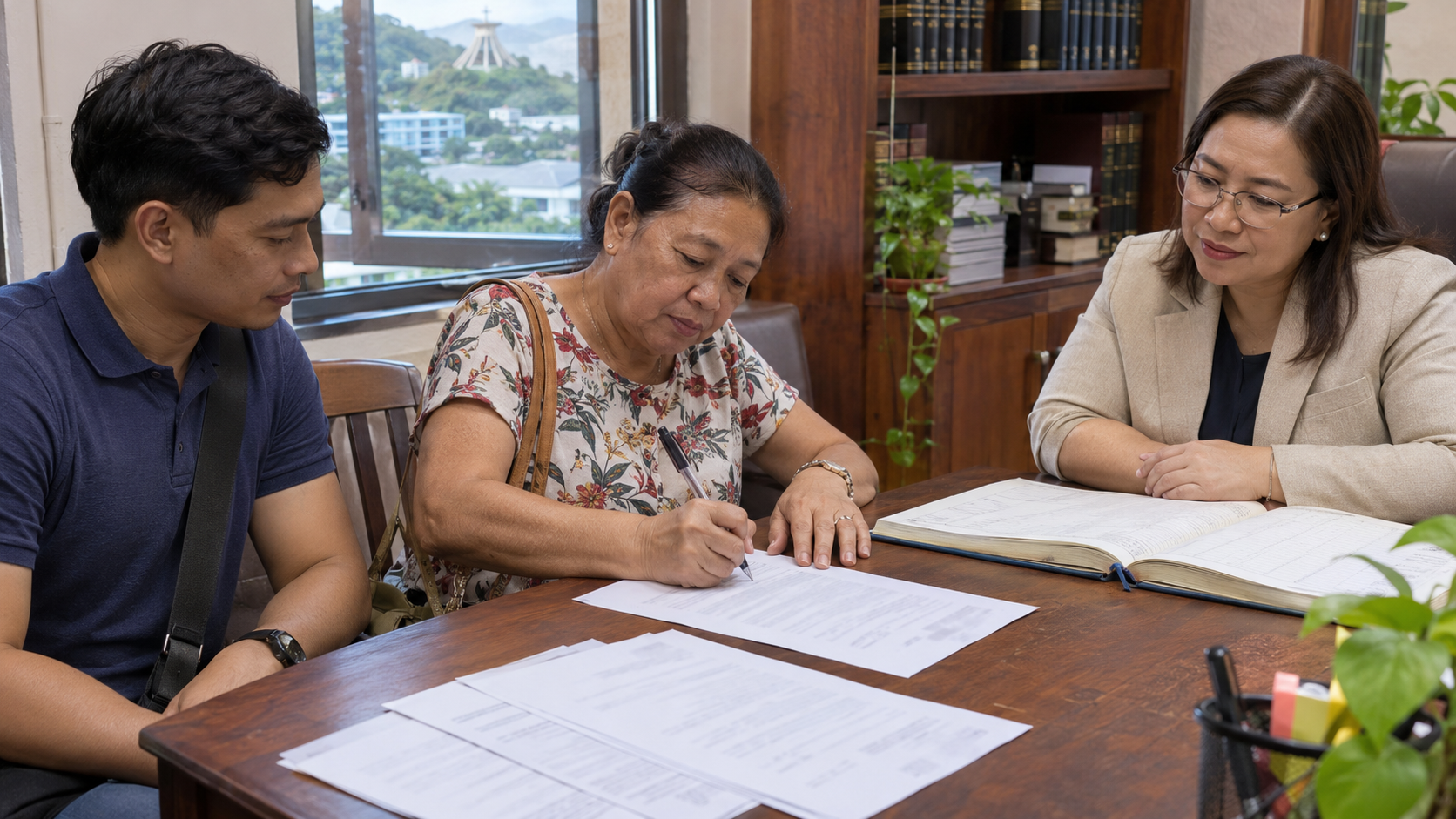
Philippine land is tracked under the Torrens system. There, the government register is the final word on ownership, not the paper you hold. A registered lot is covered by a Transfer Certificate of Title, or TCT. A condo unit has a Condominium Certificate of Title, or CCT, instead. To transfer a land title is to have the Registry of Deeds cancel the seller’s certificate and issue a new one in your name. Only then does the register itself show you as owner.
This is also why it matters whether the lot already has its own individual title. Some lots are still carried under a larger mother title. A property sitting under a developer’s or family’s mother title cannot be transferred cleanly. It has to be subdivided and issued its own certificate first. That is a very different timeline from a straightforward resale.
Before you start: the documents you need to transfer a land title
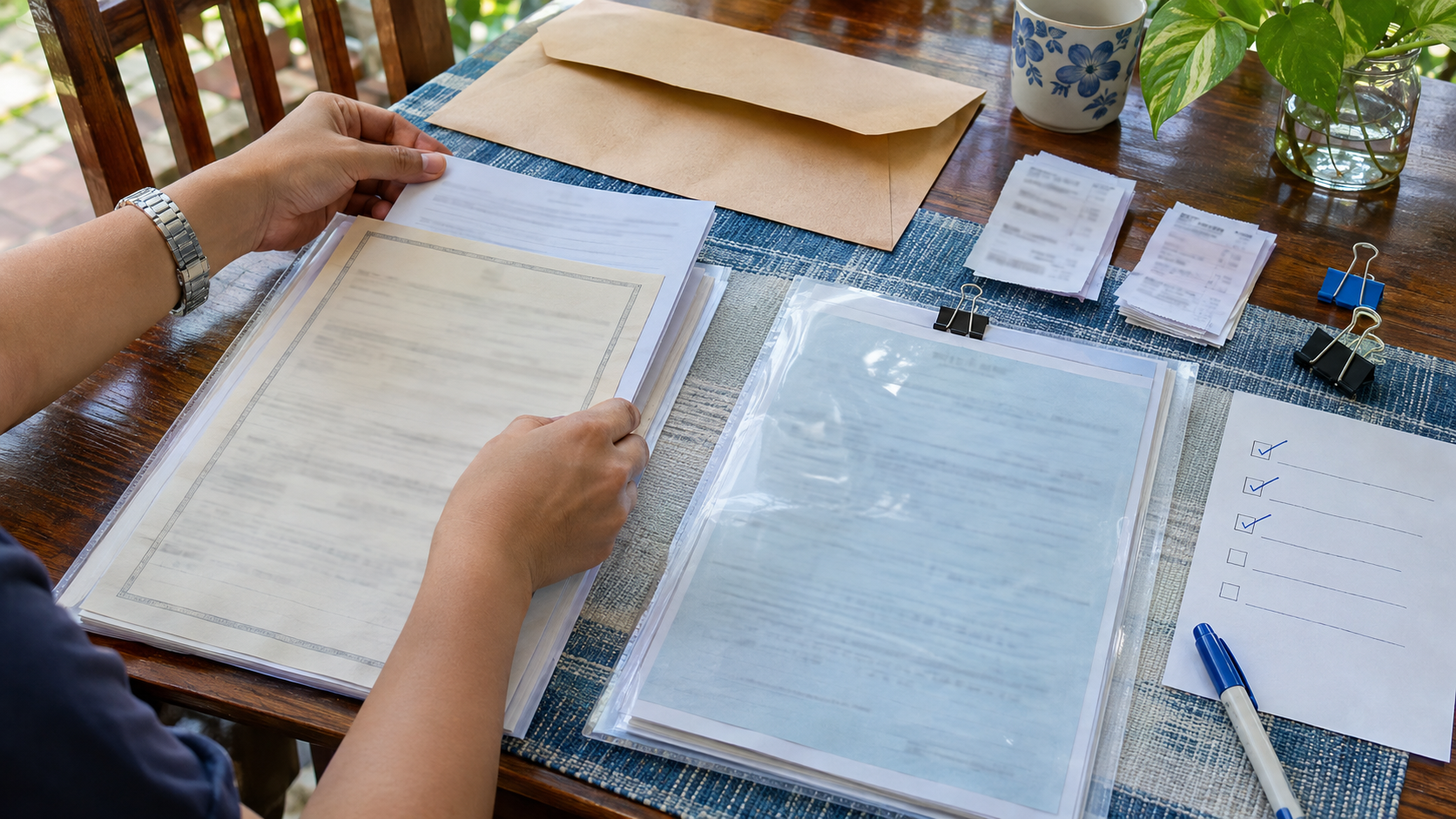
Gathering paperwork first saves repeat trips. You will need the original owner’s duplicate of the title and the notarized Deed of Absolute Sale. You will also need the latest tax declaration and a real property tax clearance. Valid IDs and tax identification numbers for both buyer and seller are required too. For a married seller, a spouse’s consent is usually needed. Request certified true copies of the title and tax declaration early, because several offices keep one.
It also pays to read the title carefully before you begin. A title with no encumbrances is clean and ready to transfer. A title carrying annotations, such as a mortgage, lien, or adverse claim, has to be cleared first. That clearing can add weeks you did not plan for.
Step 1: Notarize the Deed of Absolute Sale
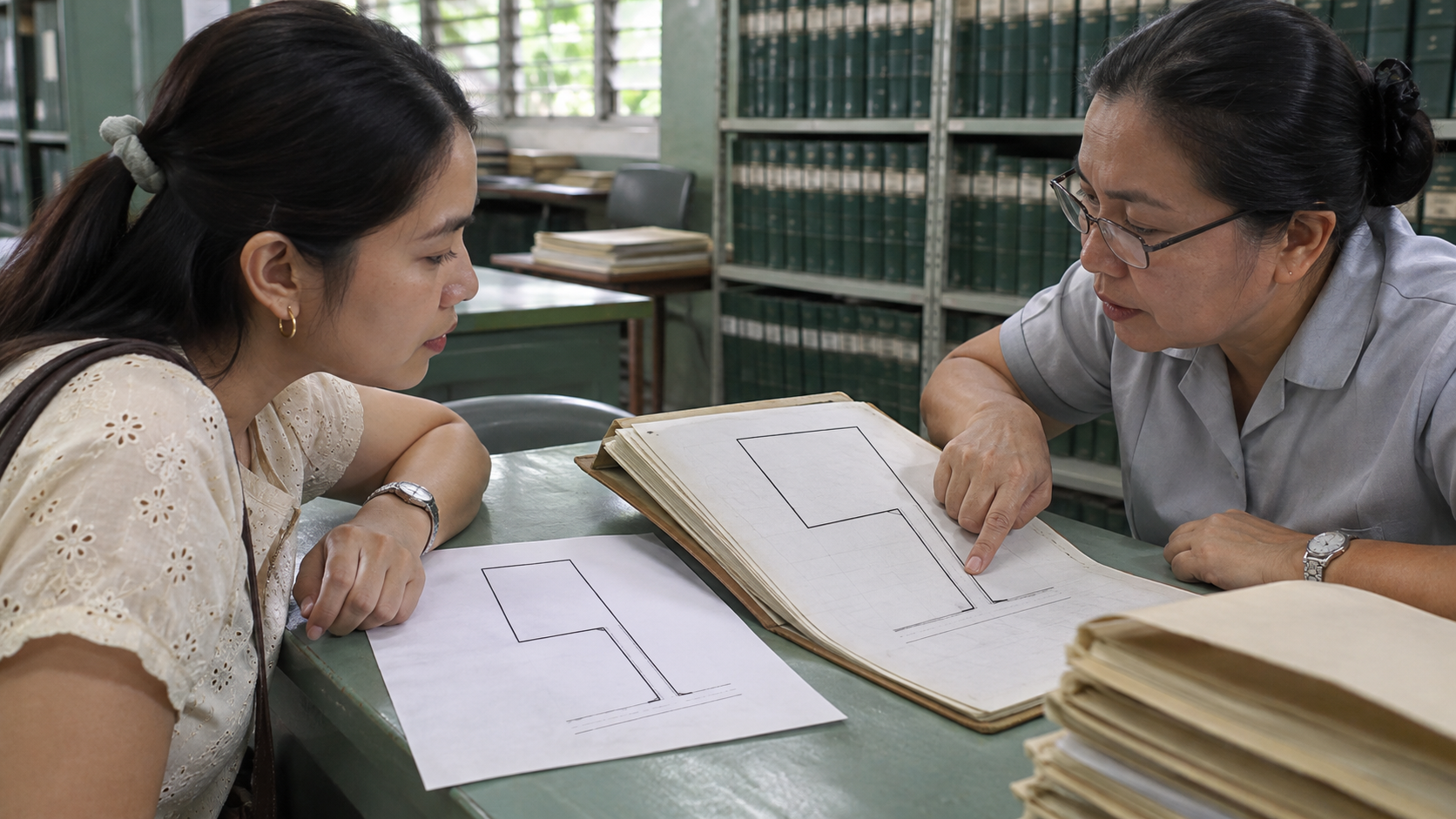
The Deed of Absolute Sale is the document that records the sale and the agreed price. It carries no legal weight for a transfer until two things happen. It must be signed before a notary public and entered into the notarial register. Notarize it promptly, because the date of notarization starts the clock on your tax deadlines. Have the notary prepare several original copies. The BIR, the Treasurer, and the Registry of Deeds each keep one.
Step 2: Pay the BIR taxes and get the eCAR
The Bureau of Internal Revenue is where most transfers stall, so give it the most attention. Two taxes apply to a typical sale. Capital gains tax is computed at six percent, and documentary stamp tax at one and a half percent. Both are based on whichever is higher: the selling price or the BIR zonal valuation. That is why that figure matters so much. File and pay within the BIR’s deadlines. Late payment draws surcharges and interest that can dwarf the original amount.
Once the taxes are paid and the documents reviewed, the BIR issues the electronic Certificate Authorizing Registration, or eCAR. This is the single most important piece of paper in the whole process. Without the eCAR, the Registry of Deeds will not register the transfer, full stop. These taxes are also part of the full closing costs you should budget for from the beginning. They should not be a surprise discovered at closing.
Step 3: Pay the transfer tax at the LGU Treasurer
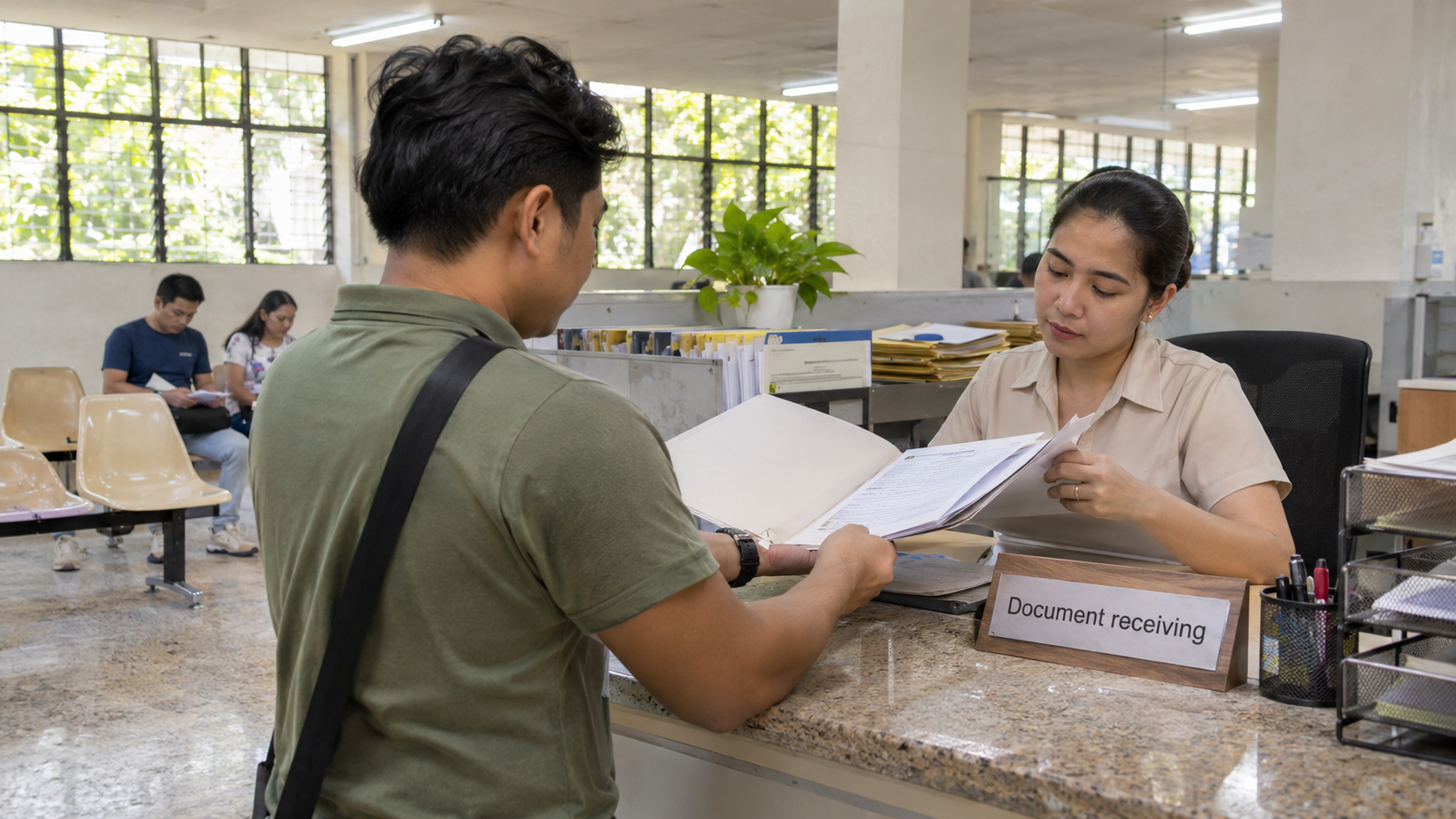
With the eCAR in hand, go to the Treasurer’s Office where the property sits. That may be Cebu City, Mandaue, Lapu-Lapu, or the relevant town. There you pay the local transfer tax. The rate is set by the local government and is a small percentage of the property’s value. The Treasurer issues an official receipt. Many LGUs also issue a tax clearance confirming that real property taxes are current. Bring that receipt to the next step.
Step 4: Register the transfer at the Registry of Deeds
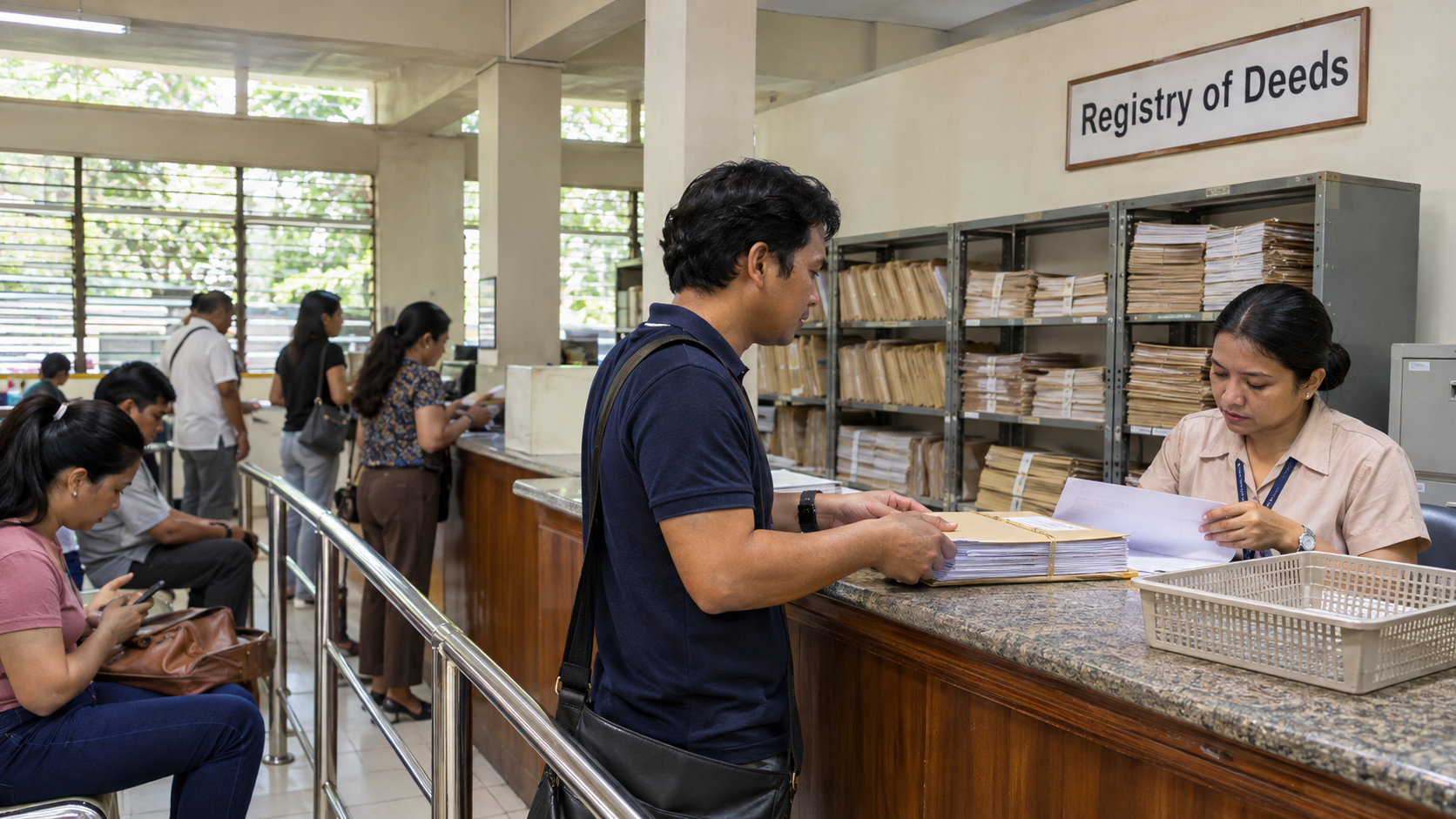
This is the step that actually changes ownership on record. Submit the owner’s duplicate title, the notarized deed, the eCAR, the transfer tax receipt, and the tax clearance. They go to the Registry of Deeds with jurisdiction over the property. The Registry cancels the seller’s title and issues a new TCT or CCT printed with your name. You pay a registration fee, which follows a published schedule based on value. When the new title is released, the property is legally yours, and only then. Keep the original somewhere safe and order a certified copy for everyday use.
Step 5: Update the tax declaration at the Assessor
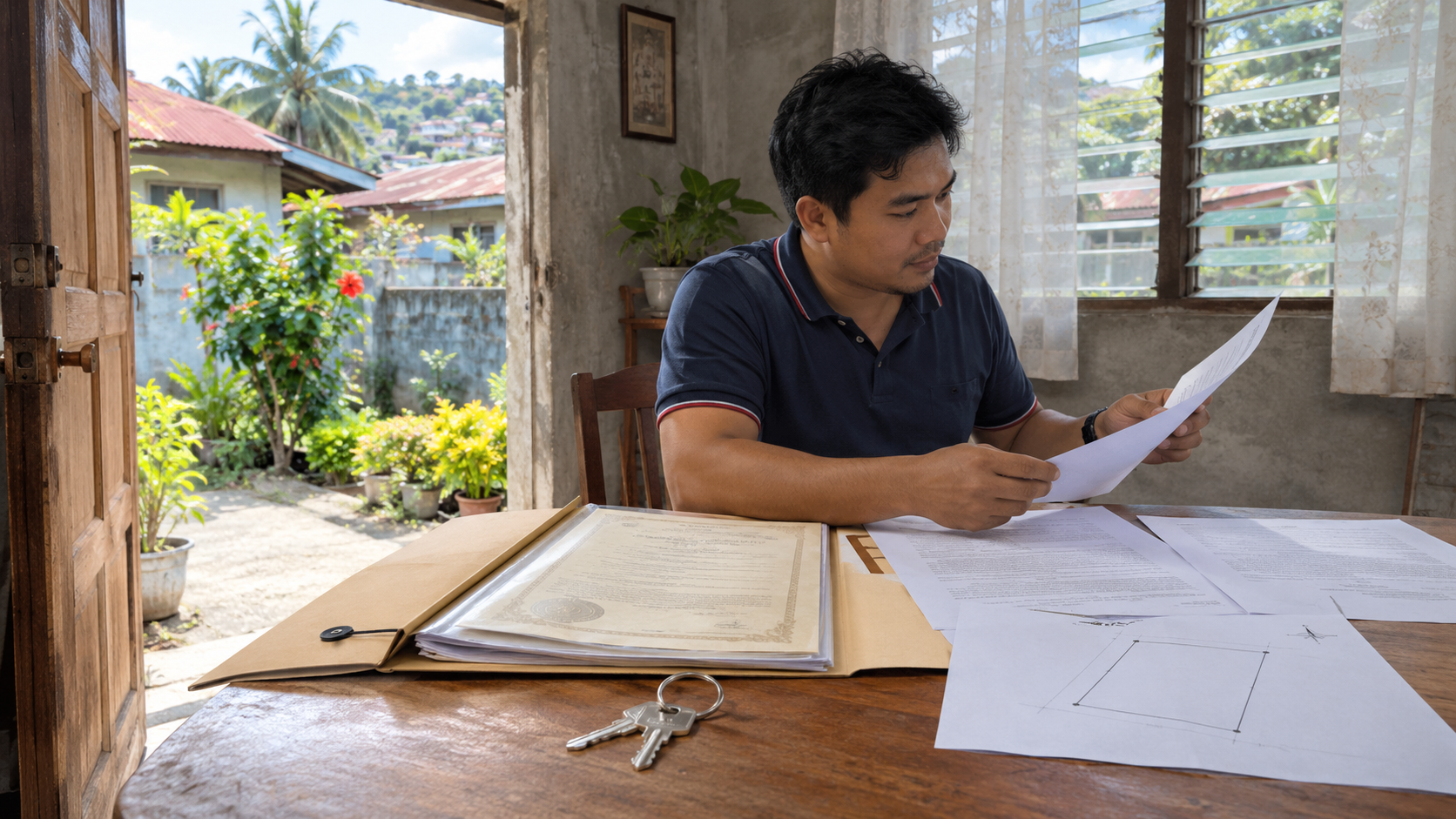
One stop remains. Take your new title to the Assessor’s Office and have the tax declaration transferred into your name. This ensures future real property tax bills are issued to you, not the former owner. It also keeps the Assessor’s records consistent with the Registry. Skipping it is a common oversight. It resurfaces years later when you try to sell and the records do not match.
How long it takes and what it costs
A clean resale with complete documents usually takes several weeks to a few months. That runs from notarization to a released title, with the BIR stage usually the slowest. Costs are mostly the taxes and fees already described, plus notarial and processing charges. The exact amounts depend on the property’s value and the LGU. So treat any single quoted figure with caution, and build your budget from the real cost of buying. Rushing the tax deadlines is the one thing most likely to inflate the final bill.
Common mistakes that delay a transfer

Most of the time it takes to transfer a land title is lost to a handful of avoidable errors. Missing the capital gains tax deadline is the costliest, turning a routine fee into a penalty. Buying a property whose title still carries unresolved annotations is a close second. The lien has to be cleared before anything else can proceed. Mismatched names, an unsigned spousal consent, or a title still under a mother title can all stop the process cold.
The deeper lesson is that a smooth transfer starts before the sale, at due diligence. Verify the title against the Registry’s own copy, and watch for warning signs in the documents. That prevents the worst outcome: a transfer that cannot be completed because the title was never clean to begin with.
When to get professional help
Many buyers handle a straightforward transfer themselves, and the sequence above is manageable with patience. But some cases raise the complexity. An inherited property, a title under estate settlement, unresolved annotations, or a seller abroad all raise the stakes. In those cases it is worth bringing in a lawyer before you start, not after a filing is rejected. A good broker can also shepherd the paperwork through each office. That is often the real value of working with one.
Thinking of buying in Cebu and want the title handled properly from day one? Talk to the Cebu Grand Realty team. We will guide you through each step, from verifying the title to releasing a new one in your name.
Frequently asked questions
Can I move in before I transfer a land title into my name?
Usually yes, once the deed is signed and you have taken possession by agreement with the seller. But possession is not ownership on record. Until the Registry of Deeds issues the new title, you cannot mortgage or resell the property. So finish the transfer promptly.
What is the eCAR and why does everyone mention it?
The electronic Certificate Authorizing Registration is the BIR’s proof that the correct taxes have been paid on the sale. The Registry of Deeds cannot register a transfer without it. That makes it the pivot point of the entire process.
Who pays the capital gains tax, the buyer or the seller?
By default the seller shoulders the capital gains tax. The buyer pays the documentary stamp tax, transfer tax, and registration fees. In practice this is negotiable. Spell it out clearly in the Deed of Absolute Sale so there is no dispute later.
How long is an eCAR valid?
An eCAR has a validity period for presentation to the Registry of Deeds, so do not sit on it. Register the transfer soon after the BIR releases it, to avoid having to revalidate.