Red Flags That May Indicate a Fake or Unauthorized Property Listing
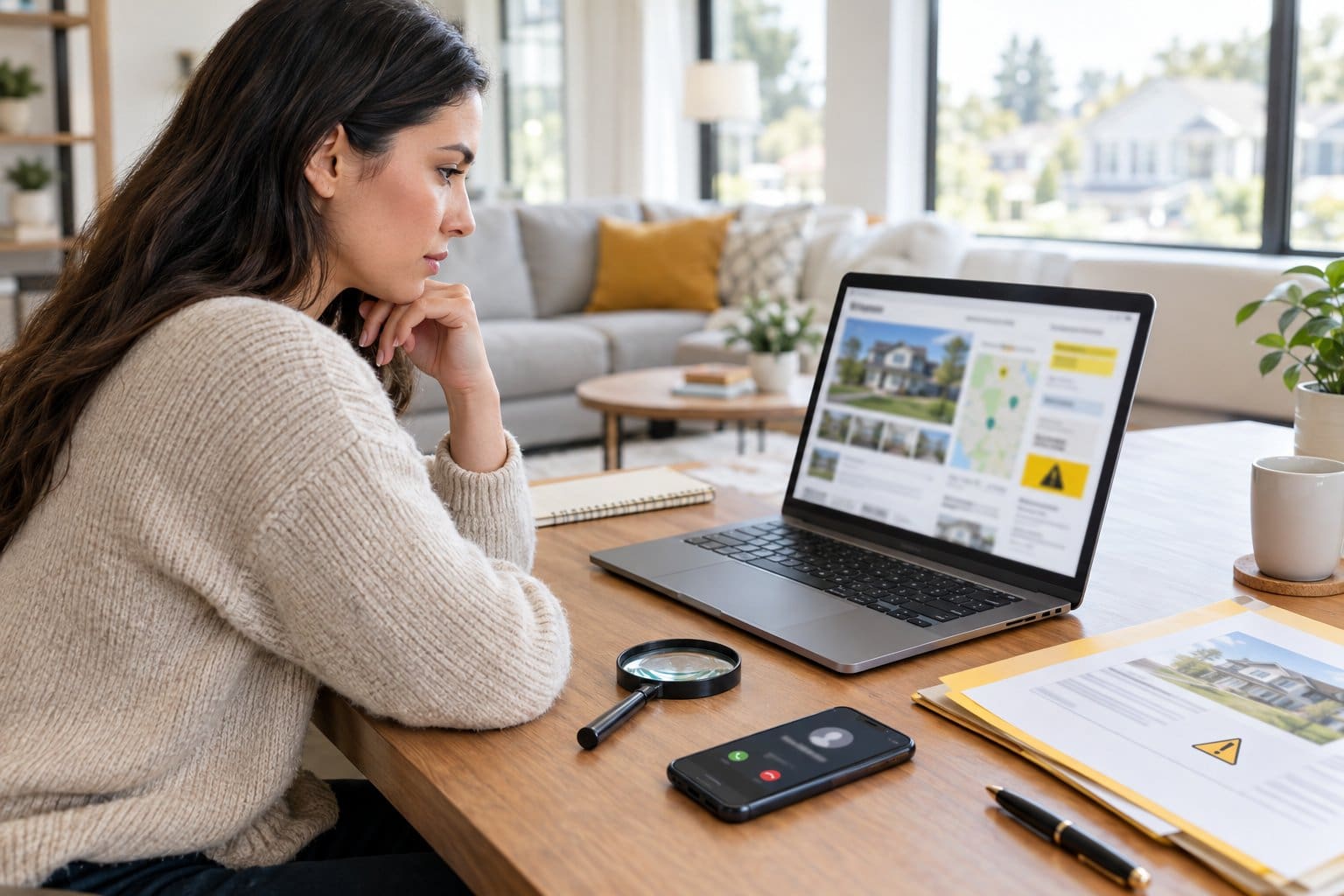
A listing that looks perfect can still be a trap. Scammers copy real photos, invent addresses, and rush you to pay before you see the unit. In Cebu, good homes move fast. A prime spot in IT Park or Cebu Business Park can be gone in days. Scammers use that rush against you.
The clearest warning sign is simple. A price far below the market, paired with pressure to pay before you verify, shows up in almost every scam. It does not matter if the listing is fake, for a home that does not exist, or unauthorized, for a real property someone has no right to sell. Knowing the difference, and which document to check at each step, keeps your deposit and your data safe.
Property scams cost buyers and renters real money. The loss often happens fast, before a contract is even signed. Cebu has its own patterns, from condos advertised at impossible rents to land deals pushed through with no title check. Start your search on the best platforms to find Cebu properties.
Key Takeaways
- A price well below market, plus pressure to pay before viewing, is the strongest scam signal.
- Checking a broker’s PRC license, the seller’s written authority, and the title takes minutes and protects your money.
- Keep every screenshot, receipt, and message, and report fraud early to the right authority.
Warning Signs in the Ad, Price, and Seller’s Conduct
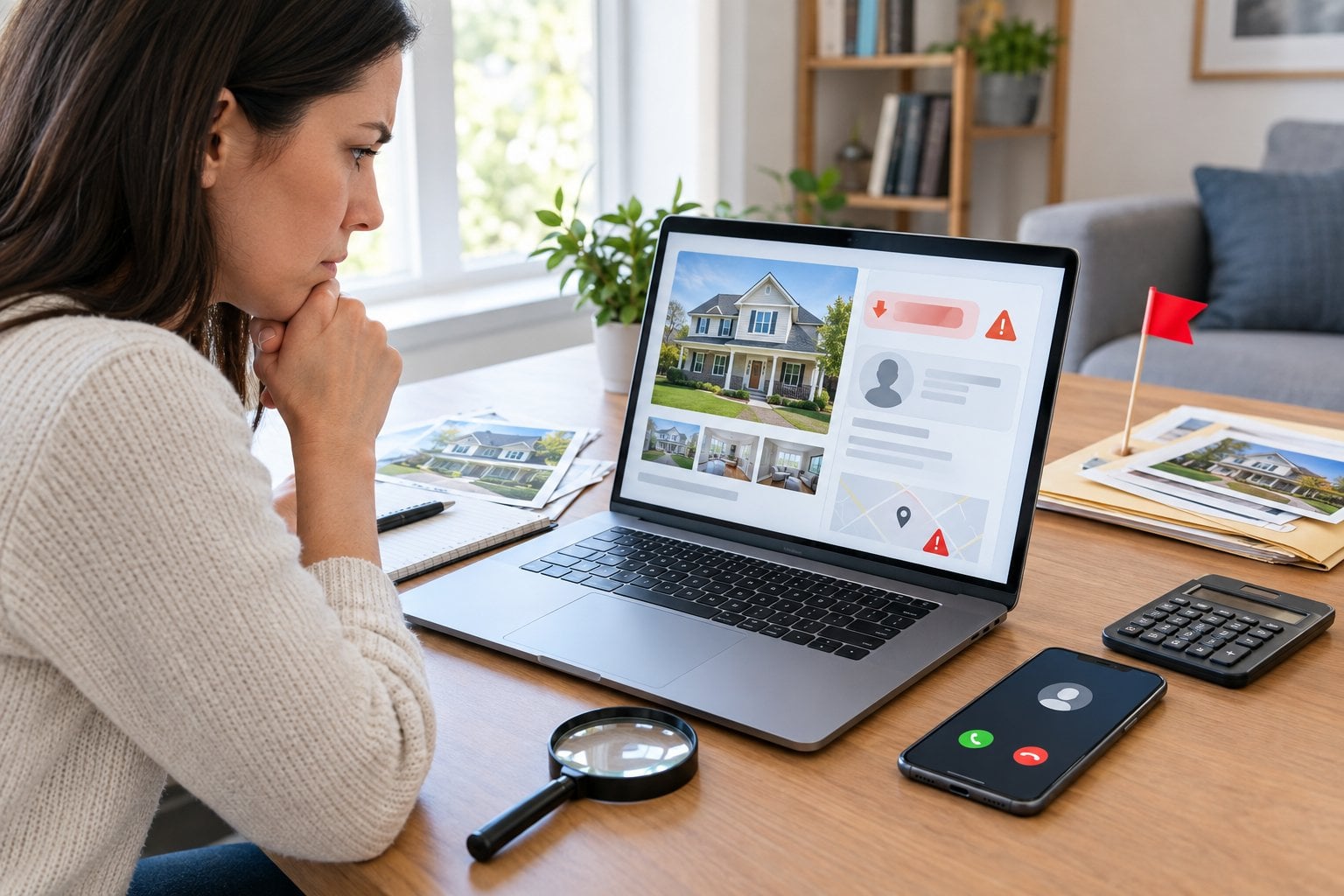
Most scams share a pattern. The ad looks too good. The seller dodges questions. And there is a push to pay fast. Watch the price, the photos, the chat, and the payment request, and you stop most scams early.
When Is a Below-Market Price a Warning Rather Than a Bargain?
A price far below the market for that building is the most common red flag. Say similar units rent for ₱25,000, and one offers the same layout for ₱14,000. Treat that gap as a warning, not luck. Compare the price against real sold and rented deals nearby, not just other online ads. Duplicate listings can repeat the same fake number. Our guide to market value versus zonal value helps you judge a fair price.
Why Duplicate Listings, Stock Photos, and Inconsistent Details Matter
Scammers reuse the same photos across many ads, often under different names or prices. A reverse image search on Google Images can show if a listing borrowed its pictures from a real post elsewhere. Watch for details that do not match, too. A unit number missing from the building directory, or a floor plan that does not fit the stated size, is a bad sign. See more local cases in our guide on how to spot fake listings in Cebu.
Why a Refused Site Visit or Live Video Walkthrough Should Stop the Deal
A seller who avoids an in-person visit or a live video call is hiding something. Real owners and authorized agents can show you the unit, name the building admin, and answer basic questions. If every excuse is “I’m abroad” or “the caretaker has the keys,” slow down before you send anything.
How Pressure Tactics and Off-Platform Messages Raise the Risk
Many rental scams start on Facebook Marketplace or buy-and-sell groups, then move fast to private chat. Lines like “another buyer is interested” or “decide today” are pressure tactics. They are meant to skip your checks. A real deal survives a few days of questions. The same tricks appear in fake online rental and travel scams the PNP has warned about.
Payment Requests That May Signal Rental Fraud or a Fake Sale
How they ask for money tells you a lot. Watch for a personal GCash wallet, a wire transfer, or an app-based transfer instead of a business account that matches the brokerage. Always ask for an official receipt with the date, amount, purpose, and property address. A refusal can also point to identity theft using someone else’s property. A real brokerage never minds a paper trail, which is part of what professional brokerage really means. For more patterns, see the top real estate scams in the Philippines.
How to Verify Authority, Ownership, and Documents Before Paying
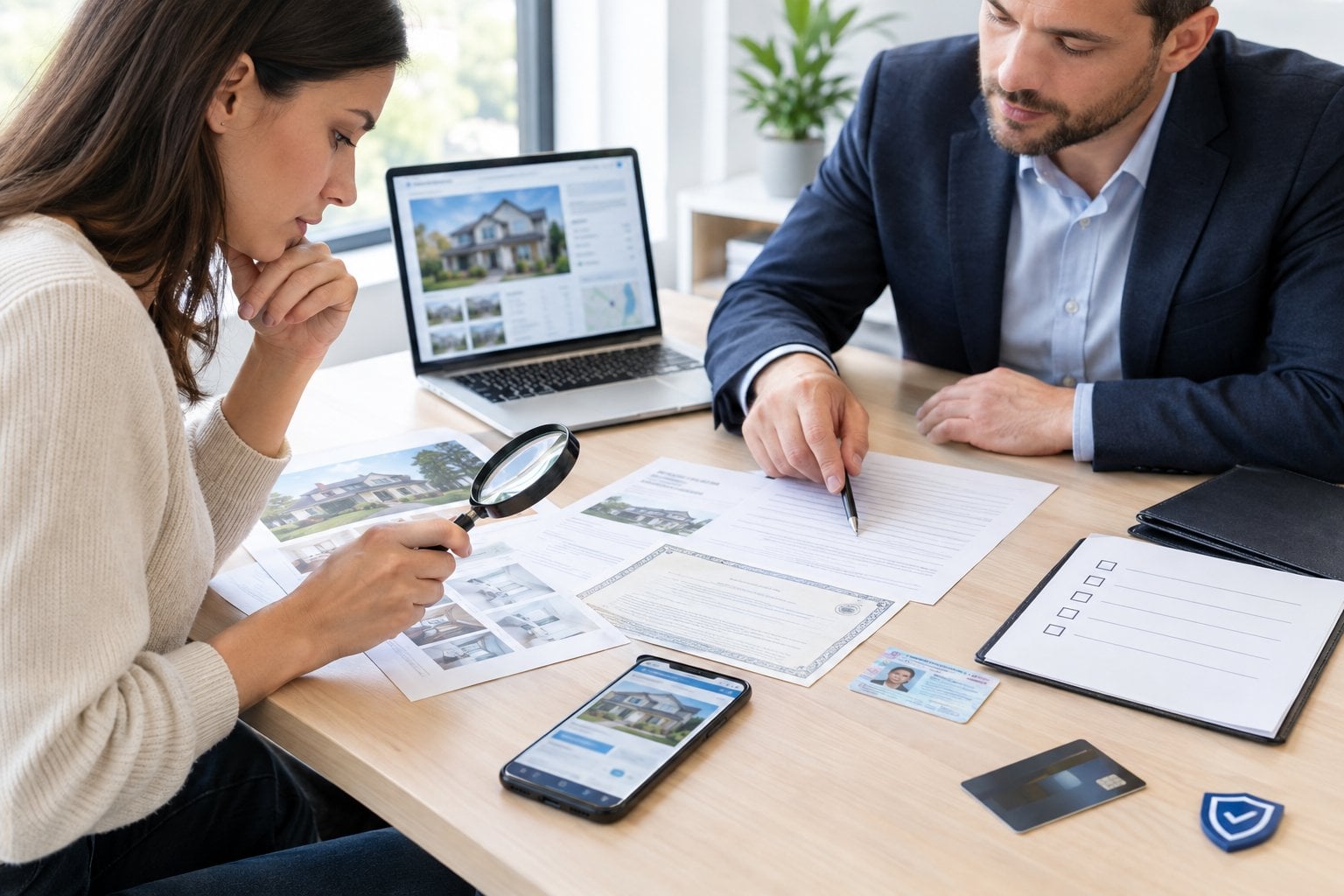
Verifying who you deal with, and what they may sell or lease, is the step that stops fraud before money moves. Check the broker’s license. Confirm the owner’s identity. Review the title. And for pre-selling projects, check the developer’s government approval.
How Do You Check a Broker’s PRC License and a Salesperson’s Supervision?
Ask for the full name and PRC license number of the agent or broker. Then confirm it on the PRC license verification portal. A salesperson must work under a named, licensed broker, so ask who that broker is and confirm it. If someone refuses to share this, or says it is not needed, that is a red flag. Our guide on PRC and DHSUD credentials shows you how.
What Proof Should an Owner or Authorized Representative Provide?
The owner’s name on their government ID must match the name on the title. If someone represents the owner, Philippine law requires written, notarized authority. This is often a Special Power of Attorney, or SPA. Ask to see it early, not after you pay a reservation fee.
How Can You Check a Resale Title and the Registered Owner?
For any resale, ask for a certified true copy of the Transfer Certificate of Title, or the Condominium Certificate of Title. Get it from the Registry of Deeds where the property sits, not a photocopy from the seller. Compare the title number, owner’s name, and technical description with what the seller shows. Read every annotation on the back, too. It can reveal a mortgage, an adverse claim, or a court case. It helps to know the difference between an annotated title and a clean title, which our guide to property titles explains. A title that exists only as a scanned image is not enough.
What Must Be Verified for a Pre-Selling Condo or Subdivision Project?
Any pre-selling condo or subdivision needs a License to Sell before it can market units. It comes from the Department of Human Settlements and Urban Development. Ask for the license number, then confirm it on the DHSUD list of licensed projects. A project without this license cannot legally collect payments yet. The same care applies when you choose a credible developer, and it guards against raw-land and “data-data” schemes.
How Should a Reservation Agreement or Contract to Sell Protect You?
A written reservation agreement or contract to sell should list the exact unit, the price, the payment schedule, and the seller’s full legal name before you pay. Read it in full before you sign. Verbal promises about the unit or the timeline mean nothing later. Treat any request to pay before this document exists as a serious warning. Our list of questions to ask before signing helps you catch red flags in the agreement.
What to Do If You Suspect a Property Scam
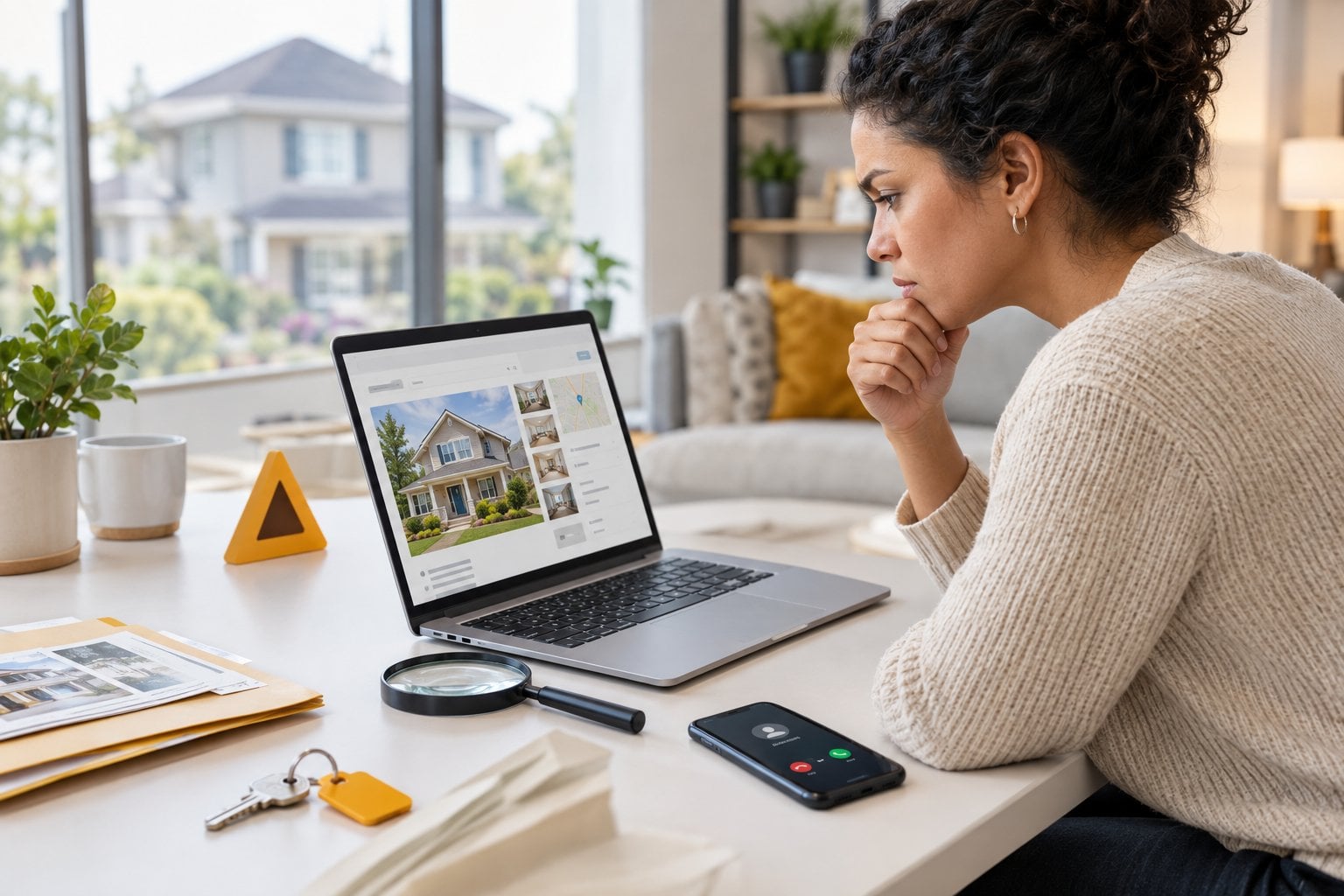
Act fast the moment something feels wrong. Save your evidence, and report to the right authority. That gives you the best chance to recover funds, or to stop the scammer from hurting others.
Which Screenshots, Messages, and Receipts Should You Preserve?
Save every screenshot of the listing, the chats, the phone numbers, and the receipts before the scammer can block you. Include timestamps, the claimed name, the bank or wallet details, and any documents they sent. This becomes the evidence behind a complaint later.
Where Can You Report Online Real Estate Fraud in the Philippines?
Report online fraud to the PNP Anti-Cybercrime Group. You can also go to the NBI Cebu office for a more formal investigation. If the case is false advertising rather than outright fraud, the Department of Trade and Industry can take a complaint under the Consumer Act. Around the holidays, when scams rise, our holiday scam-prevention tips are worth a read.
When Should You Seek Legal Advice or File a Criminal Complaint?
Once your evidence is organized, you can file a criminal complaint for estafa under the Revised Penal Code. It covers deceit used to get money or property. File your complaint-affidavit with the City or Provincial Prosecutor where the scammer is based. Talk to a lawyer if the amount is large. For claims up to ₱1,000,000, small claims court is faster and needs no lawyer.
Slow Down, Verify, and Keep Every Payment Traceable
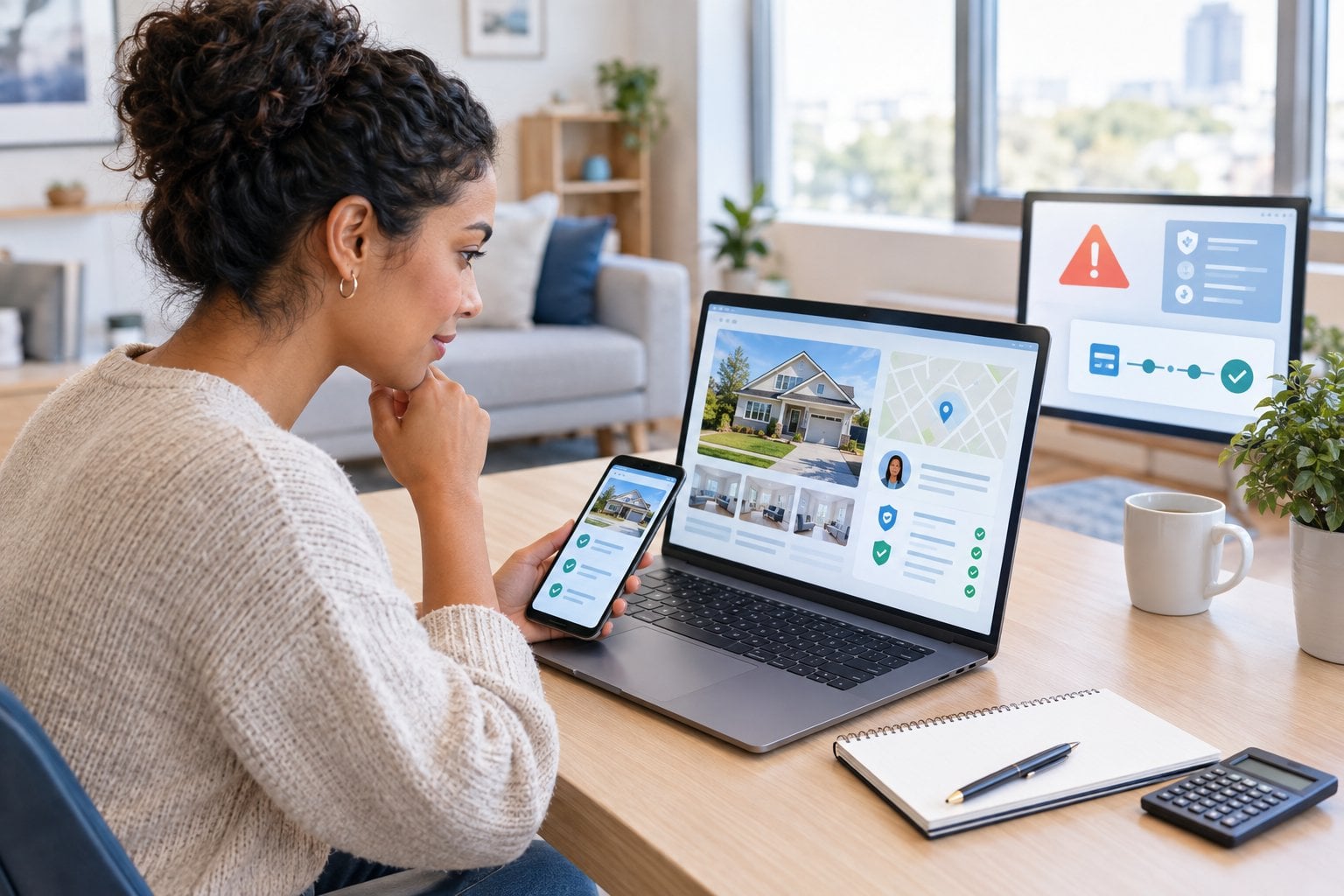
Every tip here comes down to one habit. Pause before you pay, and verify before you trust. A property that is truly available will still be there after you confirm the agent’s license, request a certified true copy of the title, and see the unit in person or on a live video call.
Working with verified listings and a licensed agent removes most of this risk from the start. A real brokerage checks ownership and authority before a property ever reaches you. At Cebu Grand Realty, our team follows this process on every listing. We confirm titles and seller authority first. We also support owners through leasing and manage homes for owners. New to the search? Our guides on renting in Cebu, buying from abroad, and questions for OFWs investing here are a safe place to start.
Insist on an official receipt for any payment, no matter how small. Keep it with your records. That one habit, plus a healthy pause before you send money, protects you far more than worry after the fact. It is also what tenants look for in a trustworthy rental.
Frequently Asked Questions
How do I know if a property listing is fake?
Look for a price far below the market, a demand for payment before viewing, photos that appear on other unrelated listings, and an agent who dodges basic questions. Any single sign deserves caution. Two or more mean you should walk away.
Is it safe to pay a reservation fee before seeing the unit?
No. Never pay any amount before you see the real unit, in person or on a live video call, and verify the seller. This one rule stops most fake listing scams.
How do I check whether a real estate agent is licensed in the Philippines?
Ask for the agent’s full name and PRC license or accreditation number, then confirm it on the PRC verification portal. A salesperson should also name the licensed broker who supervises them.
What is an unauthorized property listing?
It is a real property listed by someone with no legal right to sell or rent it, such as a subletting tenant or an agent with no written authority from the owner. The property is real, but the person offering it cannot legally close the deal.
How can I verify that a seller is the registered owner?
Request a certified true copy of the title from the Registry of Deeds, and compare the owner’s name with the seller’s government ID. If someone represents the owner, ask for their notarized authority, such as a Special Power of Attorney, before you proceed.
Where should I report an online property scam in Cebu?
Report it to the PNP Anti-Cybercrime Group or the NBI Cebu office, and file with the DTI if false advertising is involved. Keep every screenshot, message, and receipt ready, since this evidence supports both the report and any later case.