
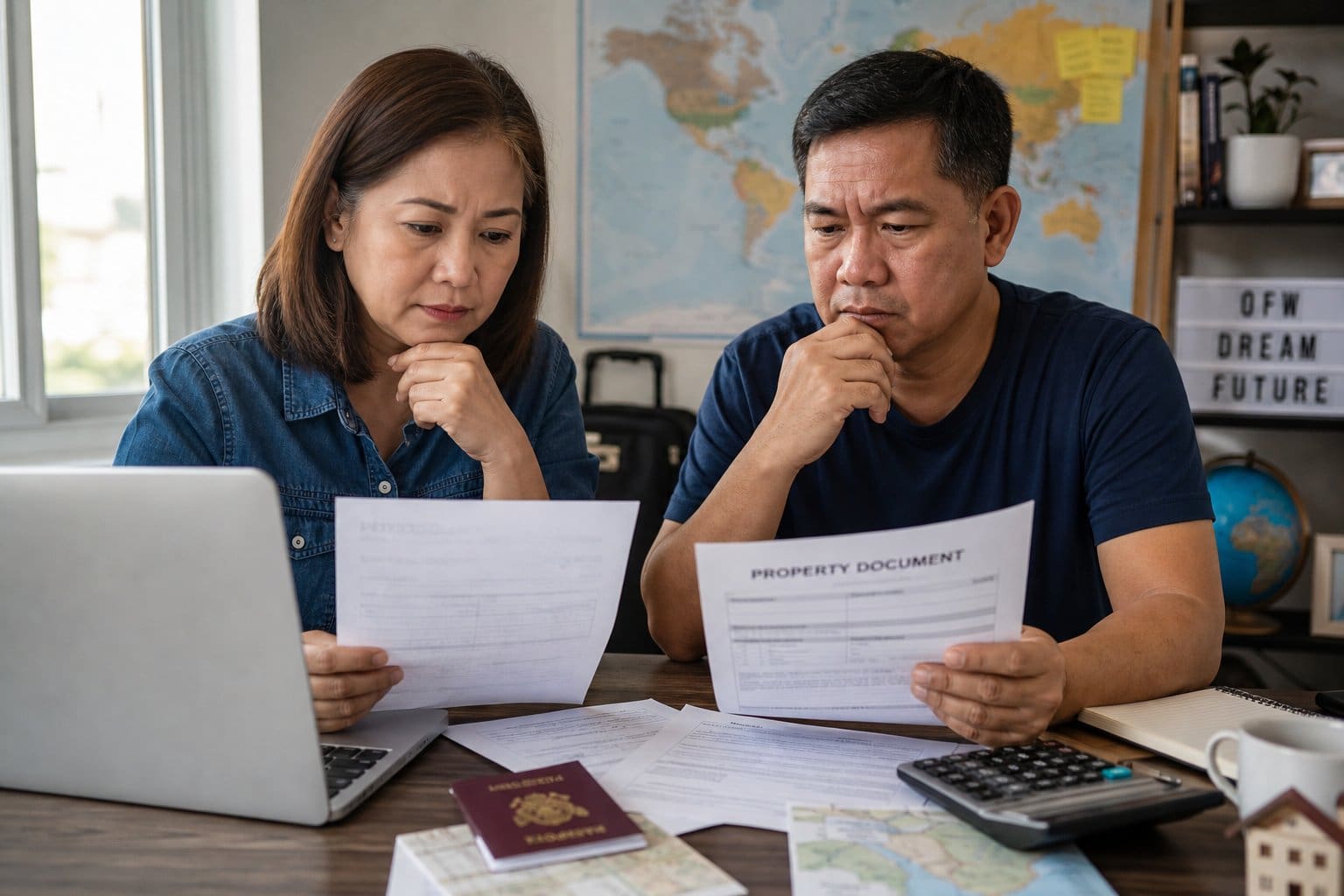
4 Risks OFWs Face When Buying Property Through A Relative
For many OFWs, buying property in the Philippines means handing over control to someone you trust. A parent, sibling, or cousin handles the site visits and signs the papers. They also manage the payments while you work abroad. The setup feels practical because it is. Visiting every unit or attending every signing from overseas is simply not possible.
The problem is not the arrangement itself. The real problem comes from unclear rules. No one defines who does what, which documents matter, or how money moves. Distance removes your ability to catch problems early. Spot a title in the wrong name or a missed payment, and the damage is real. Fixing it will need legal action.
This guide covers four key risks OFWs face when buying property through a relative. In addition, each section includes steps tied to real documents and the transfer process.
Key Takeaways
- Property titled or contracted under a relative’s name can strip you of legal ownership even if you paid for everything.
- A broad Special Power of Attorney gives a relative authority to make binding decisions you never agreed to.
- Nominee arrangements used to work around legal restrictions carry serious criminal and civil consequences under Philippine law.
Why Buying Through A Relative Creates Extra Risk
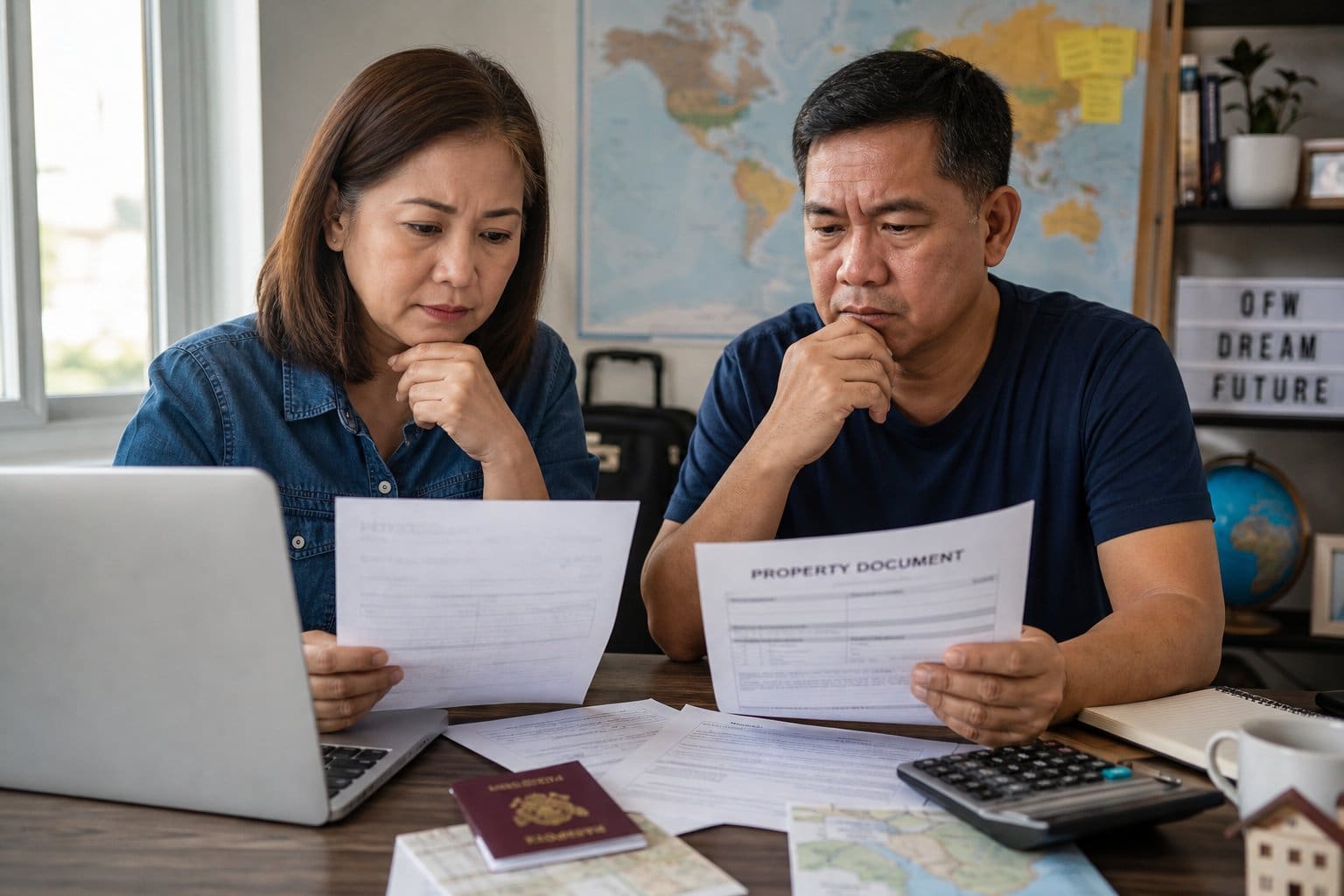
The core issue is that distance creates a gap in oversight that family trust alone cannot fill. A relative with no written agreement and no proper SPA is more than just a helper. Under Philippine law, they can bind you to contracts and accept terms you never approved. In some cases, they can even hold title in their own name.
A licensed real estate broker working directly with you gives you a cleaner line of oversight. Your relative fills a logistical role. In addition, a broker handles the legal and document side and talks with you directly.
When a relative takes on both roles without clear limits, they make decisions without asking you. Payment schedules exist only in their memory. Receipts go missing. Contract terms change without your input. Each gap is a place where your ownership or money can quietly slip away.
Philippine real estate is paperwork-driven. Simply put, ownership is based on what is on record, not who paid. If your name is missing from the contract to sell, the deed of sale, or the title, you have no legal rights to the property. This is true even if you paid in full.
1. When Ownership Papers End Up In The Wrong Name

This is the risk with the most lasting harm. An OFW sends money to a relative to buy a condo or house and lot. The relative completes the deal. However, the title — whether a Transfer Certificate of Title (TCT) or a Condominium Certificate of Title (CCT) — ends up in the relative’s name, not yours.
If a title is in someone else’s name at the Registry of Deeds, you have no legal claim. However, how much you paid does not change this. As a result, fixing it needs a court process, proof of your payments, and legal fees.
Title checking is your first line of defense. Request a certified true copy of the title from the Registry of Deeds. Do this as soon as the title is released. Do not accept a photocopy from the developer or your relative. This copy shows the owner of record, any notes on the title, and any liens.
Check each document in sequence:
- Contract to sell must carry your name as buyer.
- Deed of absolute sale must identify you as the purchasing party.
- Tax declaration should reflect your name after turnover.
- Transfer Certificate of Title or Condominium Certificate of Title must show you as the registered owner.
If your relative acts under a Special Power of Attorney, their signature appears on your behalf. Your name should still appear as the buyer on every document. Any change from this is a red flag. Resolve it before the next payment is due.
2. How Money Problems Start Even Before Turnover

Sending large sums of money across borders to a family member takes a lot of trust. Even with honest intent, poor money management can cause real damage to your purchase. This can happen before the unit ever turns over.
A relative unfamiliar with real estate payment schedules may miss due dates, pay the wrong amounts, or fail to collect official receipts. Under in-house financing, missed payments trigger penalty charges that build up fast. If you are using a Pag-IBIG housing loan, late or missing documents can put your loan approval at risk.
In more serious cases, money sent for a down payment gets used for other household needs. The relative plans to pay it back before the deadline. The deadline passes. Penalties build up. You find out months later when the developer sends a cancel notice.
The safest setup is direct payment to the developer or seller where possible. When that is not an option, tie every payment to the developer’s official payment schedule. Use the statement of account as your guide. After each payment, ask the developer for the official receipt in your name. Do not get it through your relative.
Keep a running record of:
- Every amount sent and the date sent
- The developer’s corresponding payment schedule entry
- The official receipt number and date
Ask your broker to confirm receipt with the developer after each payment. A licensed agent on the ground adds a second layer of checking. It protects you without putting strain on the family relationship.
3. The Danger Of Broad Authority And Unapproved Decisions
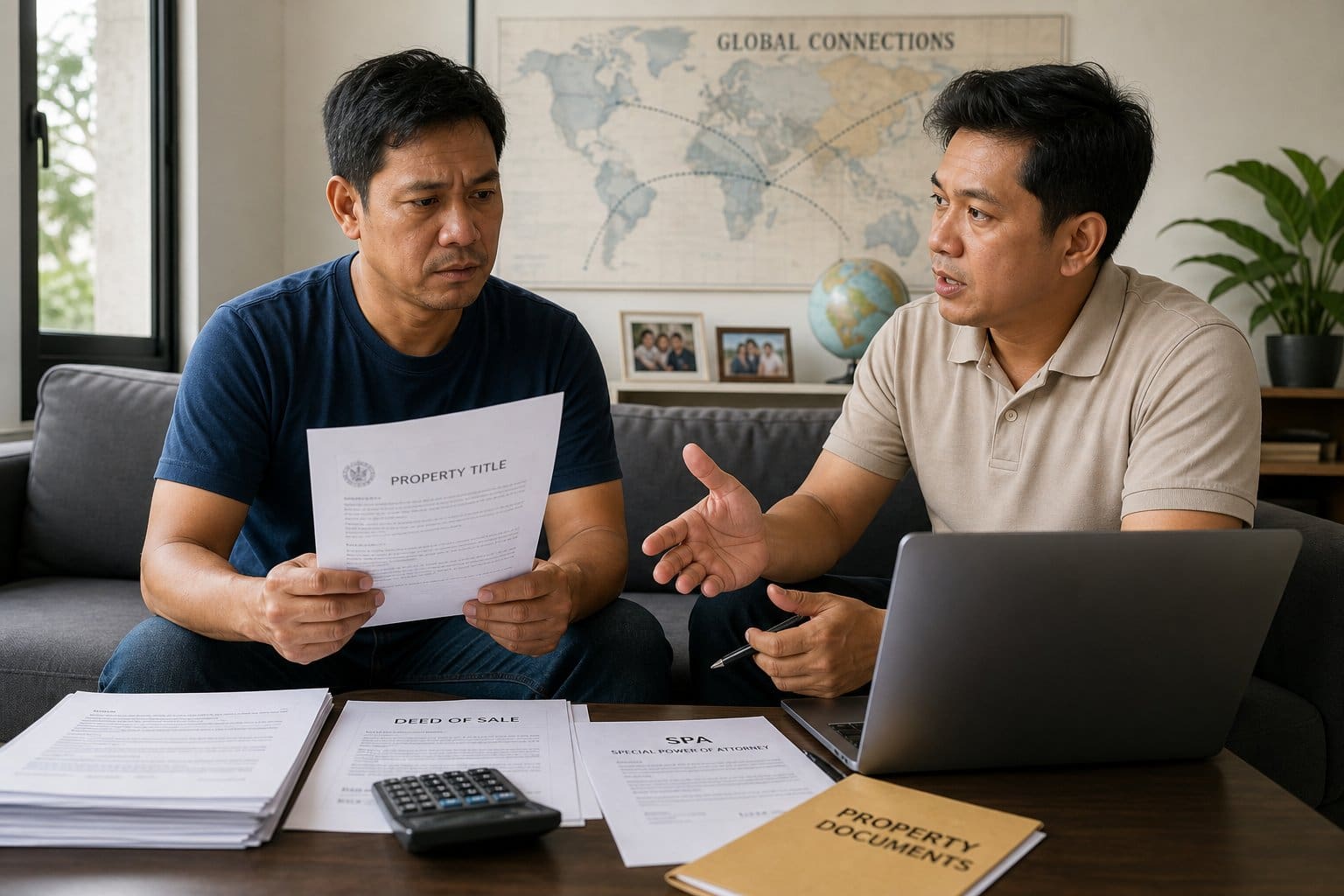
A Special Power of Attorney is a legal tool, not a routine form. A broad SPA can give your relative the power to make almost any decision about the property. This includes decisions you would never have agreed to.
For example, a relative might accept a unit on a different floor. They might agree to a longer payment term or sign a contract change you never reviewed. They could even enter a different purchase on your behalf. Each of these actions, once signed, binds you legally. A licensed broker can flag contract changes in real time. A relative acting alone often cannot.
Limit the SPA to exactly what the deal needs. A well-written SPA names the specific property, the developer, the purchase price, and the payment terms. It lets your stand-in sign only the documents for that one deal. Anything outside those limits needs your direct say.
Before the SPA is notarized abroad, have a Philippine lawyer review it. You must also have the SPA authenticated through the Philippine Department of Foreign Affairs or the nearest Philippine Embassy or Consulate in your country. Without this step, the SPA carries no legal weight in Philippine real estate transactions.
Review any contract change before your representative signs it. In fact, a quick video call to check the document takes far less time than fighting an unfair term later.
4. Family Disputes, Nominee Setups, And Legal Restrictions

Family relationships change. A relative who was reliable when you left can be hard to reach, under financial stress, or difficult to deal with years later. Moreover, property and money put pressure on even close families.
If a relative dies while holding property in their name, their heirs may claim it. Without clear documents showing you as the real buyer, proving your ownership becomes a legal fight. This holds even if your relative was only your stand-in.
A separate but serious issue involves nominee setups. Some OFWs with foreign spouses or foreign nationality try placing a title under a relative’s name. They do this to get around ownership limits. However, this carries real legal risks under Philippine law.
The Anti-Dummy Law prohibits using a Filipino nominee to hold property for someone who has no legal right to own it. Foreign nationals face a 40% foreign ownership cap on condo projects and cannot own land outright. Trying to bypass these foreign ownership restrictions through a relative puts both parties at risk of criminal charges and possible forfeiture.
Agrarian reform rules add more limits for agricultural land. Purchasing agricultural land through a relative to bypass land use or ownership rules is also unlawful.
Put all agreements in writing, even within the family. A written authority document should cover who controls the property, how funds flow, and what happens if either party passes away. This greatly cuts the risk of disputes. Register the title in your name as soon as the unit is turned over.
Safer Ways To Buy Remotely And Stay In Control

Buying property in Cebu from abroad is doable. In fact, you just need the right structure from the start. The key is cutting out informal steps as much as possible.
Work directly with a licensed broker who talks with you by video call, shares verified listings, and reviews contracts before anything is signed. Your name appears on documents from day one. Your broker tracks payment schedules and flags any contract changes before they become final.
For title checking, request a certified true copy from the Registry of Deeds. Do this once the title is released. Check the owner name, title number, and description on the title. Make sure these match your contract to sell and deed of sale. Any mismatch requires formal resolution. Do not handle it through a family conversation.
Keep all payment records organized and traceable:
- Official receipts issued by the developer in your name
- Bank transfer confirmations matching each payment date
- Developer statement of account showing applied payments
If you use a relative as your SPA stand-in, keep their power to only what the deal needs. Have a lawyer in the Philippines review the SPA before it is notarized and certified abroad.
Cebu Grand Realty works regularly with OFW buyers. They cover Cebu City, Mandaue, Lapu-Lapu, Talisay, and nearby growth areas. Their licensed agents handle documents, verify listings, and keep buyers up to date at each step. As a result, you do not need a relative in the middle of every deal.
Frequently Asked Questions

What documents prove I am the legal owner, not my relative?
Your name must appear on the contract to sell, the deed of sale, and the title. For a house and lot, that is the Transfer Certificate of Title. For a condo, it is the Condominium Certificate of Title. The tax declaration should carry your name after turnover. If any of these show your relative’s name, your legal ownership is at risk.
How do I limit my relative’s authority in the SPA?
Use a Special Power of Attorney that names the property, developer, purchase price, and payment terms. Limit it to only what that one deal needs. Have a Philippine lawyer review it before it is notarized. Then have the SPA certified. Send it through the Philippine Department of Foreign Affairs or the nearest Embassy or Consulate in your country.
What are the most common ways property funds get misused?
The most frequent problems are missed payment deadlines, funds spent on household expenses, and failure to collect official receipts. In in-house financing, missed deadlines trigger penalties that build up fast. In Pag-IBIG housing loan deals, incomplete documents from a relative can delay or block the loan approval.
How do I make sure every payment is tracked and credited correctly?
Arrange for payments to go directly to the developer’s account whenever possible. Request official receipts issued in your name after each payment. Match every transfer to the developer’s official payment schedule and keep copies of bank confirmations with each receipt. Ask your broker to confirm with the developer that each payment was received and applied correctly.
What should I do if the title or contract shows the wrong name?
Gather all evidence of your payments. This includes bank records, remittance confirmations, and written communications about the purchase. Consult a Philippine lawyer right away to review your options. These may include filing an action for reconveyance or noting an adverse claim at the Registry of Deeds. Act quickly, because title disputes get harder to resolve once the property changes hands.
How do I prevent family disputes over a property a relative managed?
Put the entire setup in writing. Cover who controls the property, how money flows, and what happens if either of you passes away. In addition, register the title in your name as soon as the unit turns over. This removes any doubt about who owns it. A clear payment trail and a narrow SPA are your best protection if a dispute comes up later.