

How to Return a Security Deposit Without a Dispute
A security deposit refund goes smoothly when both sides agree on three things before the lease starts. How much is held. What it can be used for. And when it comes back. You can return a security deposit without a dispute by pairing a clear lease with joint move-in and move-out records, deducting only for proven damage or unpaid bills, and settling the balance in writing on time.
Most conflicts happen because one of those pieces is missing. They rarely happen because either side acts in bad faith.
This matters for landlords and tenants alike. A landlord who holds back a deposit without proof risks a complaint at the barangay. They also risk a small claims case.
A tenant can be caught off guard too. Some assume the deposit is theirs in full, no questions asked. Then a fair deduction surprises them. Cebu’s rental market is broad. It has long-term residents, OFW families, expats, and companies leasing for staff housing. Each case is helped by the same habit. Put the numbers and the unit’s condition on paper, every time.
This article shares general information based on common Philippine rental practice. Cases can vary. For a serious dispute or a large amount, check the current rules with DHSUD or your barangay. You can also ask a qualified lawyer or appraiser for help.
Key Takeaways
- A written lease that names the deposit amount, allowed deductions, and refund timeline stops most fights before they start.
- Photos, signed inspection reports, and receipts are the strongest proof, both for a fair deduction and for a full refund.
- When a dispute still happens, the barangay and small claims court give a simple path that rarely needs a lawyer.
The Legal Rules That Govern Deposit Refunds

Philippine law treats a security deposit as a contract tool first. The Civil Code backs it up. For some units, the Rent Control Act does too. No single law spells out every rule for every lease. So the lease itself carries a lot of weight, as long as it does not break the law.
Security Deposit vs. Advance Rent and Last Month’s Rent
A deposit and advance rent do different jobs. Advance rent pays for a set month of stay. Once that month passes, it is not refundable.
A deposit secures the tenant’s duties. That means unpaid rent, unpaid utilities, and damage beyond normal wear and tear. It comes back at lease end, unless valid deductions apply.
Many leases say plainly that the deposit is not the last month’s rent. Say a tenant stops paying and expects the deposit to cover it. That can put the tenant in default. The deposit is usually released only after a final check and settlement of all accounts.
How the Civil Code, Lease Contract, and Good Faith Work Together
The Civil Code sets the background rules for every lease. The landlord must hand over a livable unit. The tenant must pay rent and return the unit in nearly the same shape, apart from normal wear and tear.
Where the Civil Code is silent, the lease fills the gap. Its terms just cannot break the law or public policy. Both sides are expected to act in good faith.
A landlord who holds a deposit with no basis is at risk. So is a tenant who fights a fair, documented deduction. Either one can face a claim of unjust enrichment or breach of contract.
When Rent Control Rules Apply to Residential Units
The Rent Control Act of 2009 (RA 9653) caps deposits and advance rent for some homes only. It covers units renting at ₱10,000 a month or below in Metro Manila and highly urbanized cities like Cebu City. Elsewhere, it covers units at ₱5,000 a month or below.
For covered units, the cap is one month advance rent and two months deposit. The deposit must sit in a bank under the landlord’s name. Any interest goes back to the tenant at lease end.
Units above these limits are not covered. That includes most condos and higher-end houses in Cebu City, Mandaue, and Lapu-Lapu. Whether you rent a gated community or an independent property, the deposit amount and handling then depend on the lease.
In Cebu, the common market standard for uncovered units is two months advance and two months deposit. This is local practice, not a legal rule. So the exact setup depends on what both sides agree to.
Commercial leases follow the same idea. The contract governs, since RA 9653 covers residential units only. This matters as commercial rentals in Cebu keep growing.
Limits on Forfeiture Clauses and Contractual Penalties
Some leases say the whole deposit is forfeited for any breach. That clause is not always enforceable. A court can reduce a penalty that is unfair or far larger than the real harm. It then treats it as an improper penalty.
For covered units, RA 9653 already limits forfeiture. It ties the amount to the unpaid rent, unpaid utilities, or real damage. A landlord cannot keep the full deposit just because a clause says so, if the real loss is much smaller.
Build the Paper Trail Before Move-Out
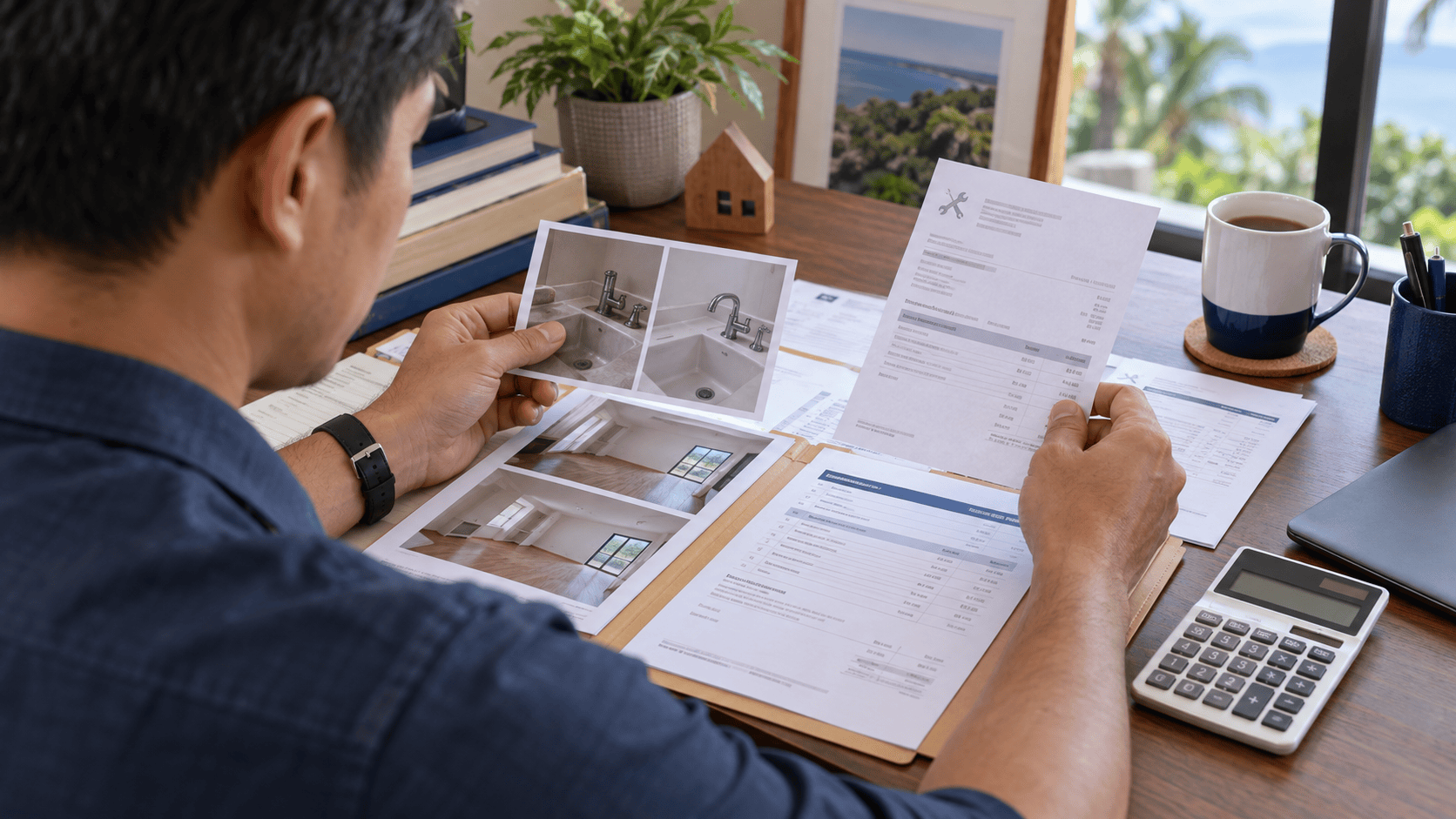
A dispute-free refund starts with paperwork. You create it before either side has anything to argue about. The lease should name the refund timeline and allowed deductions in plain words.
A signed move-in record helps too. It should capture the exact state of the unit before the tenant brings in a single box.
What the Lease Should Say About Refund Timing and Deductions
The lease is the first place to look when a deposit question comes up. It should state the exact deposit amount. It should say whether the deposit can ever go toward rent. And it should give a clear refund window after move-out, such as 30 days.
It should also list what counts as a valid deduction. Think unpaid utility bills, repairs for tenant damage, or missing items from a furnished inventory. Before signing, both sides gain from reviewing the questions to ask before signing a lease. A vague clause here is the root of many later fights.
How to Create a Reliable Move-In Condition Record
A signed move-in report, backed by dated photos, is the most useful document either side can show later. Walk through every room together. Note the state of walls, floors, fixtures, and appliances.
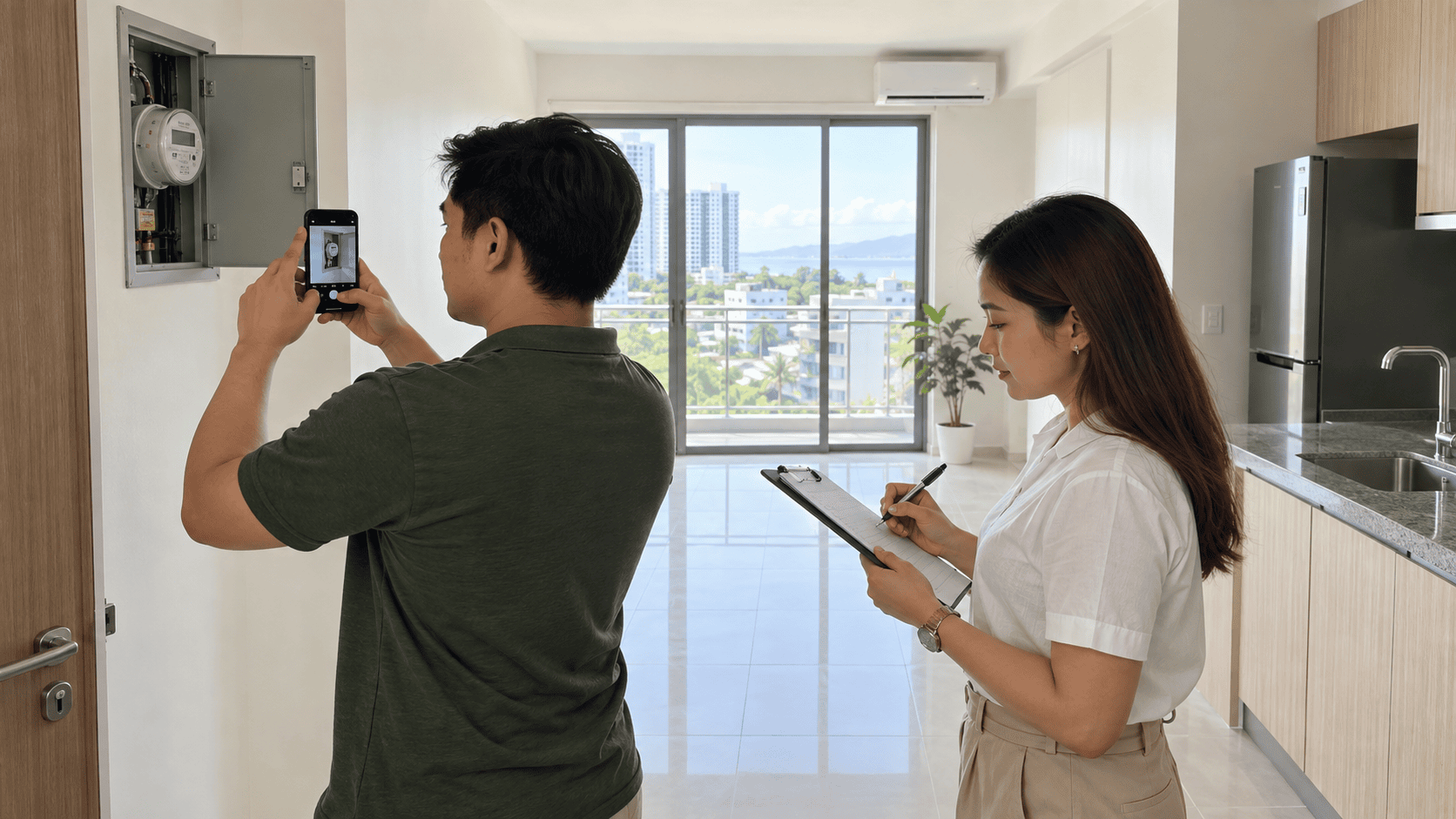
Record the water and electric meter readings on the same day. If the unit is furnished, list every item on an inventory sheet.
Both sides should sign the report. A one-sided record carries far less weight in a dispute.
Records to Keep During the Tenancy
Keep copies of paid rent receipts, utility bills, and any written repair requests as the lease runs. These records prove there were no arrears. They also show whose job a repair was.
Landlords with several units find that steady records help in other ways. They make it easier to handle late rent payments professionally and to file rental income taxes as a Cebu landlord. A clear payment history at move-out avoids fights over rent that was actually paid months earlier.
Inspect, Calculate, and Document Lawful Deductions
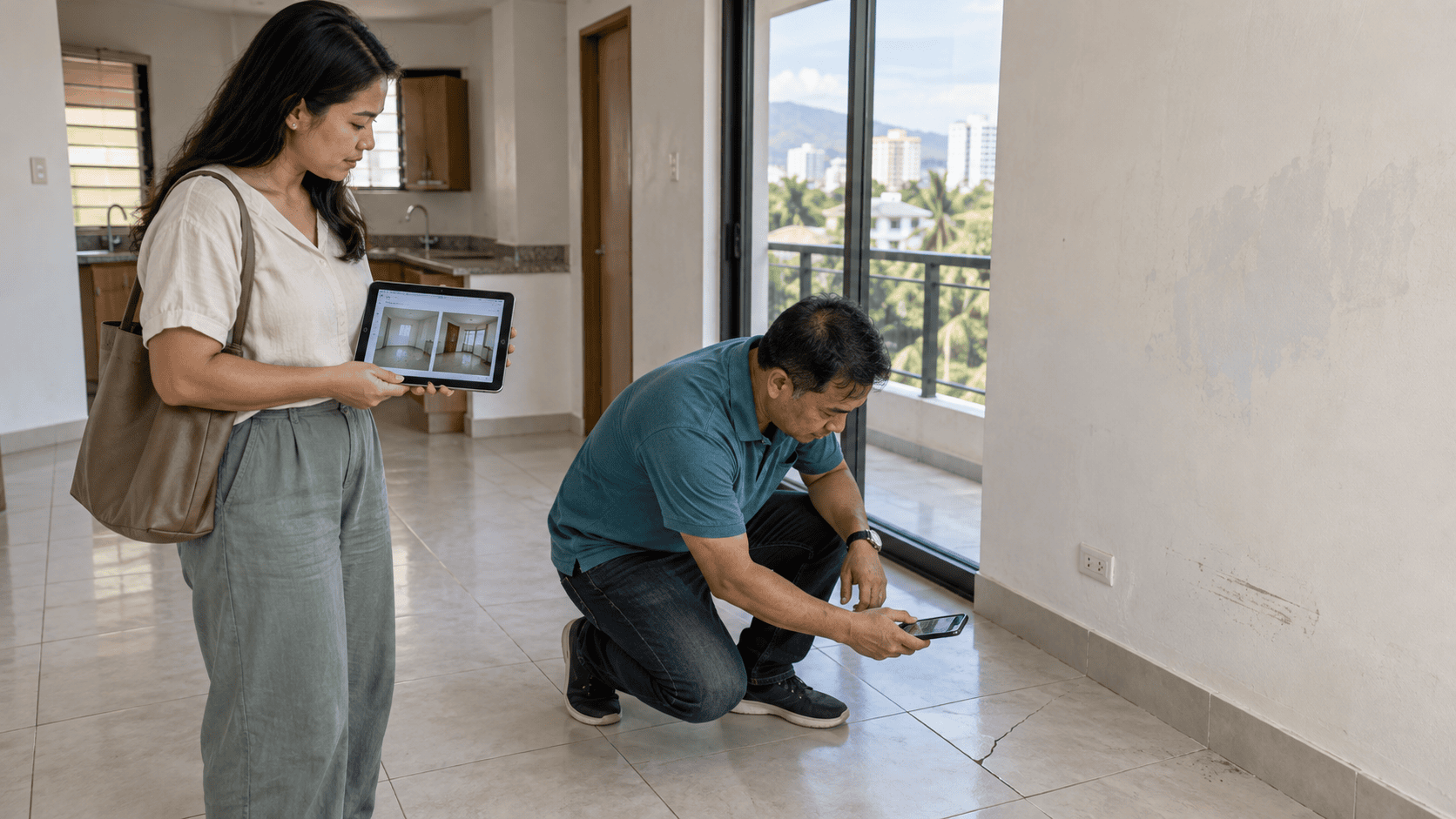
The move-out check is where the refund is really decided. It works best as a joint walkthrough. You compare the unit line by line against the move-in report.
Deductions hold up only when they are tied to real damage or unpaid amounts. They must be backed by receipts. And they must be kept apart from the normal effects of daily living.
How to Run a Fair Joint Move-Out Inspection
Set the check with both sides present, ideally right after the tenant leaves. Walk through the same rooms and items from the move-in report. Take fresh, dated photos of anything that changed.
A simple checklist keeps the walkthrough consistent:
- Walls, ceilings, and paint condition
- Floors, tiles, and grout
- Doors, windows, and locks
- Kitchen counters, sink, and cabinets
- Bathroom fixtures and drainage
- Appliances and furniture against the inventory list
- Final water and electric meter readings
- Keys, remotes, and access cards returned
Damage vs. Normal Wear and Tear
The Civil Code asks the tenant to return the unit in the shape it was received. The exception is what is lost through normal wear and tear, the weather, or time. Faded paint, small nail holes, light floor scuffs, and aging fixtures that still work are the landlord’s cost, not the tenant’s.
Chargeable damage looks different. Think cracked tiles from impact, broken fixtures from misuse, deep stains from neglect, or missing furnished items. The dividing line is fault.
Wear from normal use is not chargeable. Wear from carelessness or misuse usually is.
Which Charges May Be Deducted From the Deposit
Lawful deductions usually cover a few things. Unpaid rent. Unpaid utility bills. Repairs for tenant damage. Replacement of missing inventory items. And reasonable cleaning if the unit was left very dirty. It helps to know what every renter should expect here as well.
Routine turnover cleaning is different. Any landlord would do it between tenants. It is not a fair charge against the deposit.
How to Support Repair and Cleaning Costs
Every deduction needs a paper trail. Name the item. State the amount. Attach a receipt or a contractor quote. Before-and-after photos make the claim even stronger.
A landlord who writes only “for repainting and cleaning,” with no details, is in a weak spot if the tenant pushes back. Watch for vague clauses in the rental agreement that invite this. An itemized, receipt-backed list rarely gets disputed.
Issue the Refund and Itemized Accounting Promptly

A clean refund pairs the money with a written statement. The statement shows exactly how the final amount was worked out. This paper, more than any spoken reason, convinces the tenant the deduction was fair. It closes the matter.
What a Complete Deposit Settlement Statement Should Show
A proper statement lists a few things. The original deposit amount. Each deduction as its own line. The receipt or quote behind each one. The net amount being refunded. And the date and method of payment.
This format works for both homes and commercial units. It gives the tenant a clear basis to accept or question each item. They are not left with only a total. It is part of what tenants look for in a fair rental.
What Is a Reasonable Time for a Deposit Refund?
No single national law sets one deadline for every lease outside rent control. For covered units, the deposit and any bank interest come back at lease end, less lawful deductions.
For uncovered units, the lease timeline governs. If the lease is silent, the deposit should come back within a reasonable time after turnover and final billing.
Many Cebu landlords use a 30-day window as fair practice. It gives time for late utility bills and repair costs to settle. An unexplained delay well past that window can be challenged as bad faith, even without a fixed legal number.
How to Handle Final Bills, Partial Refunds, and Amounts Beyond the Deposit
Utility bills often arrive after the tenant leaves. So many leases let the landlord hold part of the deposit until the final bill comes in. The rest is released promptly.
Sometimes repairs or unpaid rent cost more than the deposit. The landlord can then bill the tenant for the difference. The claim needs the same receipts and itemized statement used for the deduction.
Resolve a Deposit Dispute Before It Escalates

Most deposit disputes never reach a courtroom. A calm talk, backed by documents, often settles them at the first stage. When that fails, Philippine rules give a clear path through the barangay before anyone files a case. This is a normal part of navigating Cebu’s rental market.
How to Negotiate From the Lease, Photos, and Receipts
Start by reviewing the deduction clause with the move-in and move-out photos. A tenant who sees dated photos and repair receipts is far more likely to accept a deduction. One who gets only a verbal total is not.
Landlords who catch problems early gain the most. It helps to know the common tenant red flags that signal risk before the lease is even signed.
When to Send a Written Demand
If informal talks stall, the tenant can send a written demand letter. It asks for the deposit back or an itemized accounting. Use a method that confirms receipt, such as email with a read receipt or registered mail.
A written demand also starts the clock on any delay claim. It shows the landlord was formally notified.
How Barangay Conciliation and Small Claims Work
When both sides live in the same city or town, barangay conciliation usually comes first. It runs under the Katarungang Pambarangay system. It is free, and a mediator helps both sides reach a deal.
If no deal is reached, the barangay issues a certificate to file action. That allows the next step. Small claims court then handles simple money claims, including unreturned deposits, up to ₱1,000,000.
Neither side needs a lawyer. The process moves faster than a regular civil case. Both sides just need to bring the lease, photos, receipts, and the written settlement statement.
When a Regular Civil Action or Ejectment Issue May Be Involved
Sometimes the dispute is tangled with possession, such as a tenant who will not leave. Then an ejectment case under Rule 70 may apply, alongside or instead of a simple money claim. Where bad faith is proven, courts have also awarded damages and interest beyond the disputed amount.
That outcome leans heavily on the facts and the evidence shown.
A Fair, Well-Documented Exit Protects Everyone
A dispute-free refund comes down to the same habits at every stage. A lease that states the rules clearly. A signed record of the unit at move-in and move-out. Deductions backed by receipts. And a written settlement delivered without needless delay.
These steps protect both sides. A landlord who documents everything can defend a deduction with confidence and in good faith.
A tenant who kept their own photos and receipts is just as well placed. They can ask for a fair, itemized accounting.
Owners with several units gain the most from routine systems. So do those renting to expat tenants or to owners buying from abroad. Steady property management makes this routine, not stressful. A good property manager handles the records for you.
Cebu Grand Realty’s licensed agents work with local landlords and tenants across Cebu City, Mandaue, and Lapu-Lapu. We support owners through the whole leasing cycle, built on years of earning client trust. We can guide you on a lease and handover that holds up if a disagreement ever comes up.
Frequently Asked Questions

How long does a landlord have to return a security deposit in the Philippines?
For covered units, the deposit comes back at lease end, less lawful deductions. For other units, the lease timeline governs. When the lease is silent, a return within a reasonable time, often about 30 days, is the fair practice most landlords follow.
Can a landlord use the security deposit for the last month’s rent?
Not automatically. Many leases say the deposit cannot be used as rent. It comes back only after final bills and damages are settled. A tenant who stops paying and expects the deposit to cover it may be in default, unless both sides agree in writing.
Can cleaning and repainting be deducted from a security deposit?
Reasonable cleaning can be deducted if the unit was left very dirty and a receipt backs the charge. Routine repainting between tenants is treated as normal wear and tear. It is not a valid deduction unless the walls show real damage.
What happens if tenant damage costs more than the security deposit?
The landlord can bill the tenant for the difference beyond the deposit. The charge must be itemized and backed by receipts or repair quotes. If the tenant disputes it, the barangay or small claims court are the usual next steps.
Do landlords have to pay interest on a security deposit?
For covered units, yes. The deposit must sit in a bank under the landlord’s name, and any interest goes to the tenant at lease end. For units outside that coverage, interest depends on what the lease says. Good landlord habits make these terms clear from the start.
Can a tenant file a small claims case for an unpaid deposit refund?
Yes. A tenant can file a small claims case for an unreturned deposit. The amount must be within the ₱1,000,000 limit, and barangay conciliation must have taken place where required. Neither side needs a lawyer, and it is usually faster than a regular suit. First-time renters can start with our step-by-step guide to renting in Cebu.