Gated Community or Independent Property: Pros and Cons in Cebu
Choosing between a gated community or independent property is one of the first calls you make as a Cebu homebuyer. It can shape your daily life more than almost any other choice. Gated homes give you managed safety and shared perks. Independent homes give you privacy, freedom, and more control over cost.
Neither one wins outright. The right pick depends on your household, your budget, and how much say you want over your own home. New to the city? Start with our guide to moving to Cebu. The choice also depends on the barangay, since drainage and roads vary block by block.
Key Takeaways
- Gated homes offer safety, perks, and shared upkeep. In return, you pay monthly dues and follow house rules.
- Independent homes offer more privacy and freedom. But you handle safety, upkeep, and drainage checks yourself.
- Match the choice to your stage and budget. Then check the exact home, its title, and its street before you commit.
How Do Gated Communities and Independent Properties Differ?
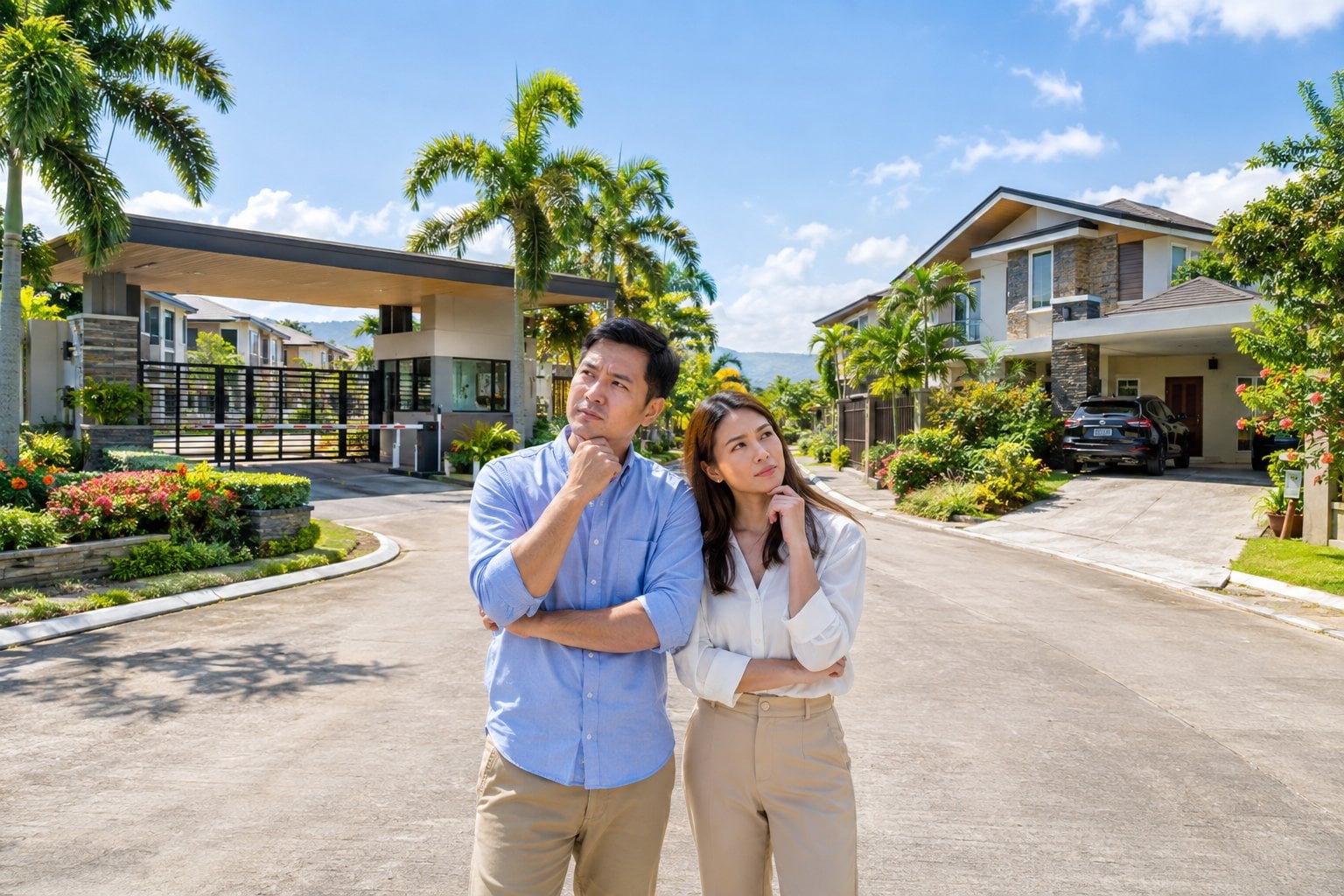
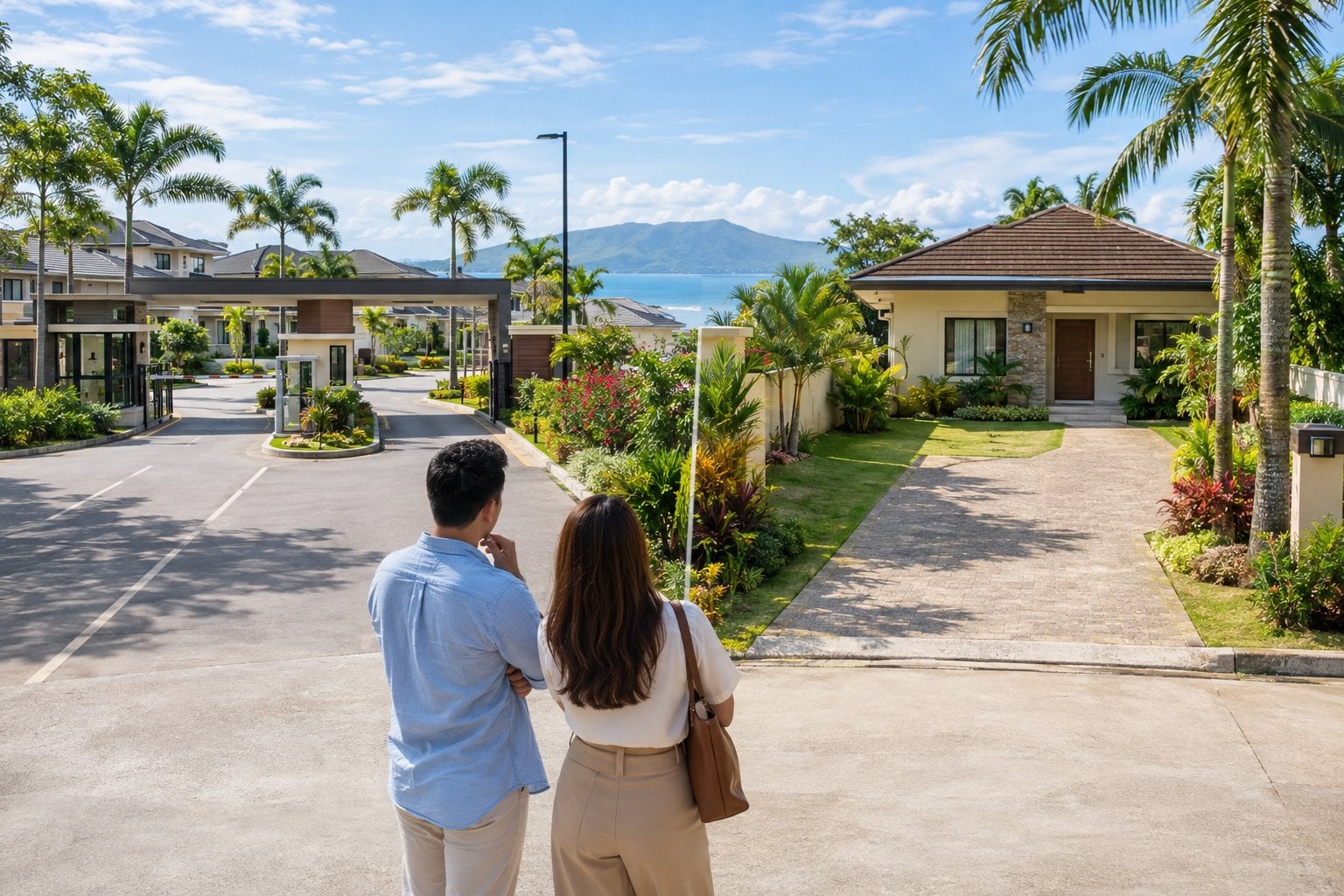
A gated community is a private village with a guarded entry and a homeowners group that runs shared spaces. An independent property stands alone. It has no shared board or fence. The gap shows up in daily life, in the paperwork, and in who handles each task.
What Defines a Gated Community in Cebu?
A gated community has guarded gates, a fence or wall, and a guardhouse that logs visitors. You see them all over Cebu. Some sit in Talisay and Talamban. Others are older villages in Banilad and Lapu-Lapu City.
A homeowners group collects dues, sets house rules, and keeps up the parks, roads, and clubhouse. Some big projects work like small towns. They mix homes with shops or offices in one plan.
What Counts as an Independent House or Standalone Home?
An independent property sits on its own lot. There is no shared fence, group, or gate. This covers standalone houses, some standalone apartments, and a lot bought for a custom build.
You deal straight with the barangay for local needs, not a private board. Your water, roads, and drainage link to public systems, not a managed estate.
How Ownership, Governance, and Shared Areas Differ
In a gated community, you own your house and lot. But the group runs the shared roads, parks, and perks. Its rules cover how you use those areas. They often cover changes to your home too.
With an independent home, ownership is simpler. You own the lot and the house. There are no shared areas to manage with others.
Security, Amenities, Privacy, and Everyday Living
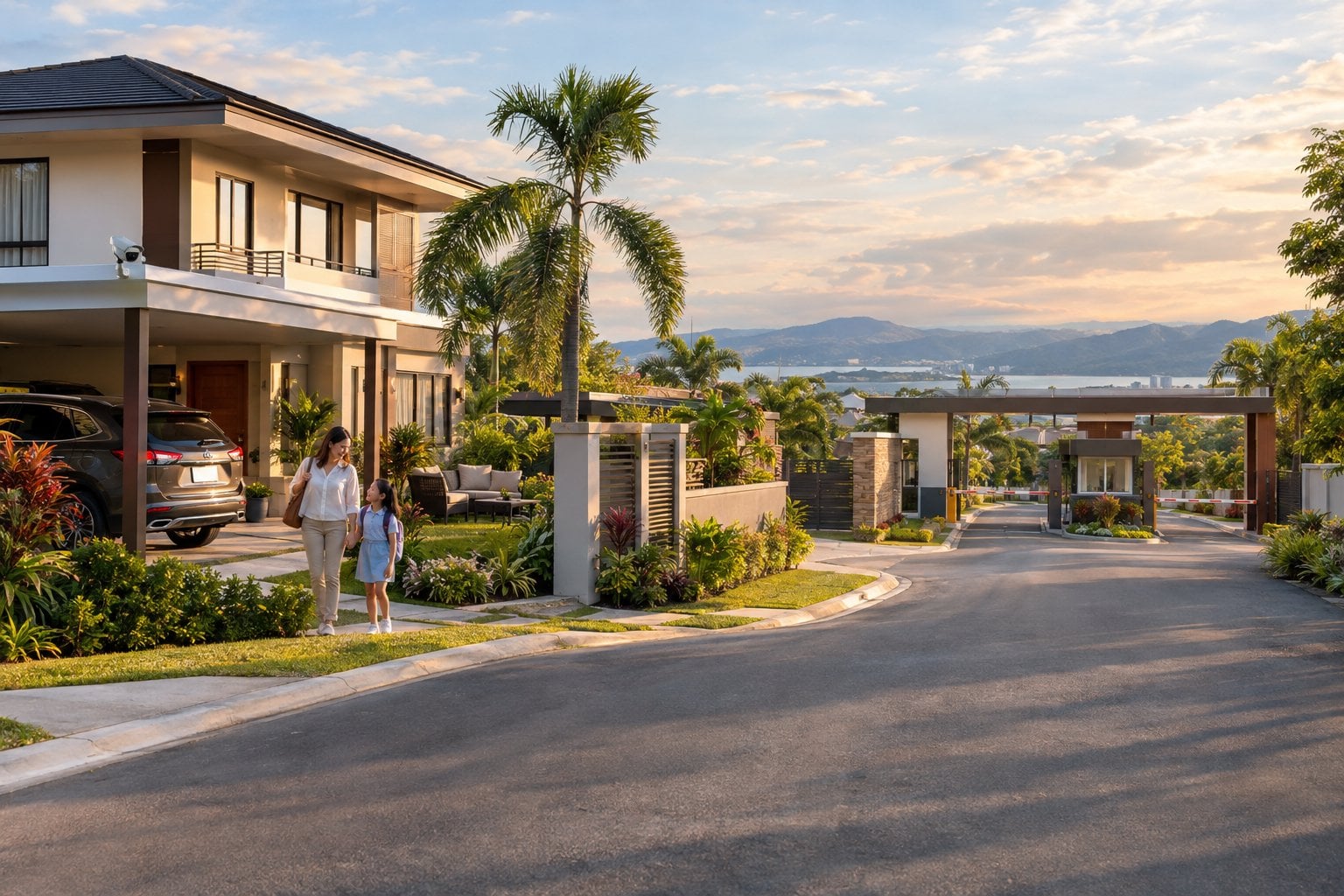
Gated homes give you stronger managed safety and more shared perks. Independent homes give you more privacy and fewer limits. The better fit depends on who lives there and how they live.
What Security Measures Can a Gated Community Provide?
A gated community can offer guarded gates, CCTV, roving guards, and visitor logs. These layers cut the number of strangers on your street. That is a big reason families with kids and retirees like them.
An independent home leans on the safety you set up yourself. That means your own cameras, fence, or alarm. Some barangays also run patrols, so ask about them directly.
Which Shared Amenities Are Worth Paying For?
Shared perks are worth the dues if your household will use them. A pool, clubhouse, or gym adds daily value for retirees and busy families. Many buyers also value the parks and open spaces.
If you rarely swim or join events, you may pay each month for perks you never use. Weigh that cost against a simple private garden at an independent home.
How Much Privacy and Flexibility Does Each Option Offer?
Independent homes offer more privacy and freedom. There is no shared wall, visitor log, or board checking your plans. Gated homes trade some of that for a stronger sense of community.
Freedom to change also differs. An independent home lets you renovate, extend, or add rooms with fewer approvals. In a gated community, you often need the group to sign off first.
Who Benefits Most From Community Living?
Young families, retirees, and busy professionals often gain the most from community living. The built-in events, green gardens, and safe streets suit people who want connection with little effort.
Buyers who want privacy, quiet, or full control lean the other way. They tend to pick an independent setup instead.
What Are the True Costs and Responsibilities of Each Option?
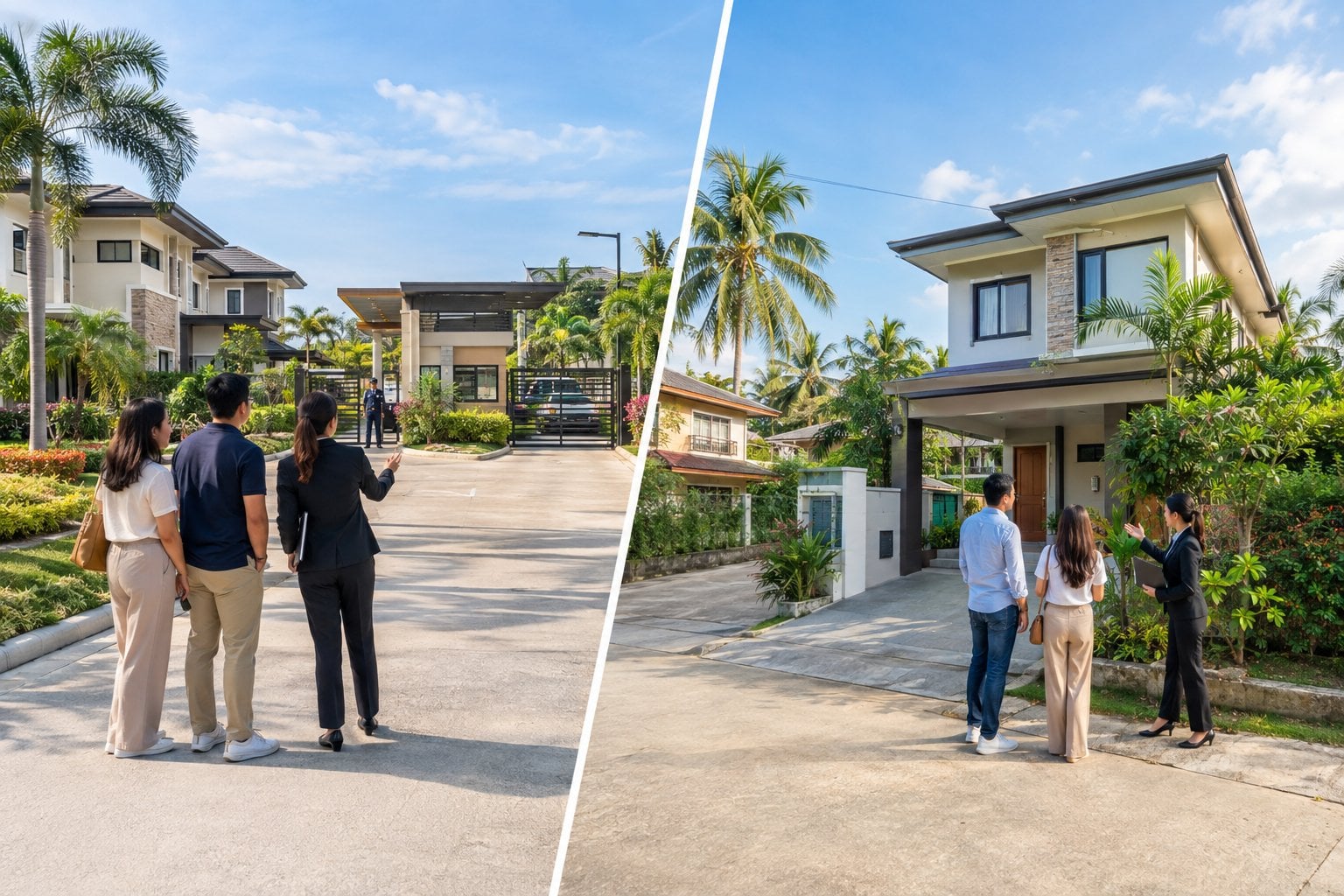
Gated homes carry ongoing dues on top of the price. Independent homes usually cost less each month. But they hand the upkeep and repairs to you. Neither is cheaper by default. It depends on how you use the home.
Upfront Price, Association Dues, and Monthly Ownership Costs
A home in a well-run gated community often costs more than a similar independent house nearby. On top of your loan and tax, expect a monthly due. It funds the guards, shared upkeep, and savings.
Independent houses often skip that monthly due. That gap adds up over the years. So run the numbers against your budget before you compare homes on price alone.
Maintenance, Power Backup, and Utility Responsibilities
In a gated community, the group handles road repairs, shared gardens, and sometimes power backup for common areas. Your own home, though, is still your job.
In an independent home, you handle it all. That runs from your own power backup to the drainage on your lot. You get full control of quality, but the cost lands on you when something breaks.
Rules and Regulations vs. Freedom to Renovate or Operate From Home
Gated communities often need group approval for remodels, outside changes, or a home business. These rules protect the look and resale of the village. But they limit what you can do on your own.
Independent homes give you more room to renovate or run a home business. You still follow normal barangay and city permits. If freedom matters more than shared upkeep, this gap carries real weight.
How Location, Due Diligence, and Resale Affect Value

Location, drainage, and the outlook for a street shape resale far more than the gate itself. Checking the title and the barangay matters in both cases.
Prime Locations, Urban Centers, and Everyday Access in Cebu
Independent homes often sit closer to prime spots. Think of areas near IT Park and Ayala, or roads with quick access to Mandaue and Lapu-Lapu. That closeness shortens commutes and makes errands easier.
Gated homes cluster more in Talisay, Talamban, and outer Banilad. They trade central access for a calmer, managed feel. If you want quiet streets or easy access, weigh that trade-off with care.
Why Drainage, Roads, and Surrounding Development Matter
Drainage depends on the street and barangay, not on the gate. A gated village with poor drainage can flood just as fast as an independent home on low ground.
Visit any home during heavy rain if you can. Or ask neighbors about how it handles storms. Check nearby new roads and projects too, since they change water flow and traffic over time.
What Drives Resale Value, Rental Demand, and Investment Potential?
Resale and rental demand depend on the street, the group’s track record, and growth in the wider area. It is not the property type alone. A well-run gated village can hold steady demand. A well-placed independent home near work can match it, since it draws the tenants who want a short commute.
Returns vary from one home to the next. Treat any long-term value claim as tied to that street and building. It is not a promise tied to gated or independent status.
Due Diligence Questions to Ask Before You Make an Offer
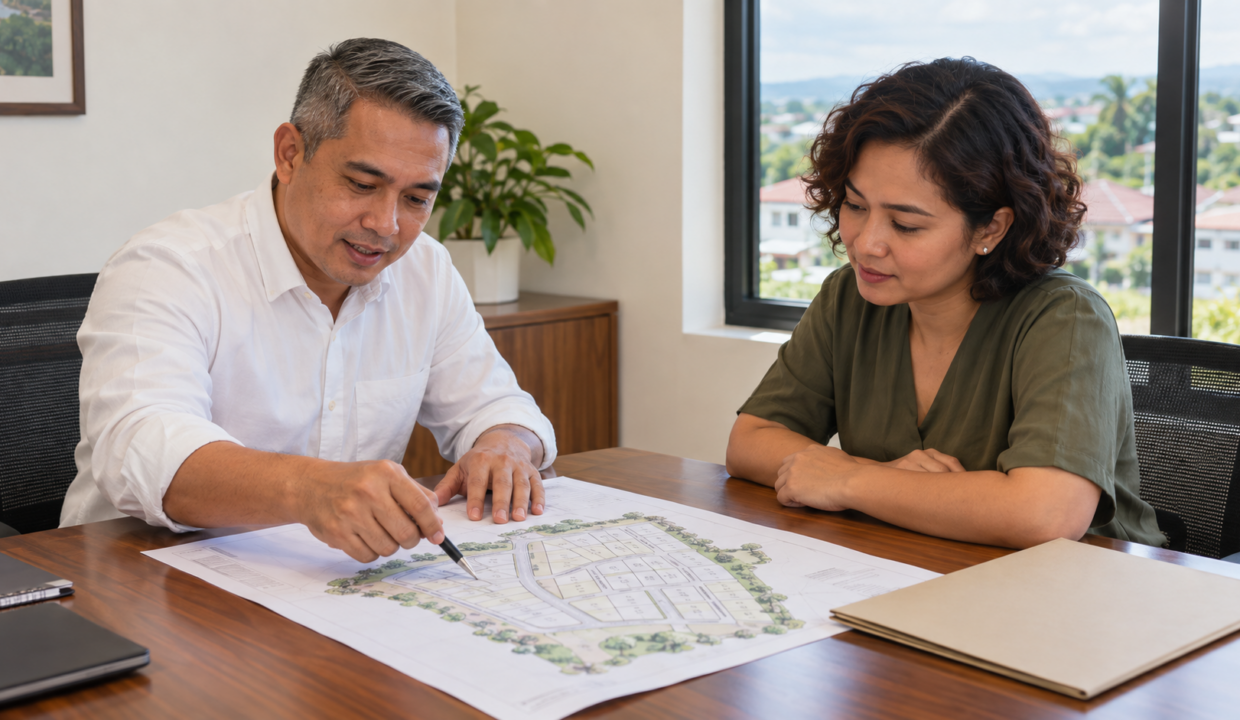
Before you make an offer, check the title at the Registry of Deeds. Confirm the seller can sell. Look for unpaid property taxes or liens. For subdivision or condo buys, also confirm the developer’s License to Sell and DHSUD approval, above all for pre-selling projects.
Ask about the homeowners group’s finances in a gated community. For an independent home, check the street, drainage, and neighbors. A licensed broker who knows Cebu’s barangays, like the team at Cebu Grand Realty, can help you compare verified listings and flag papers worth a second look.
Choose the Home That Fits How You Live
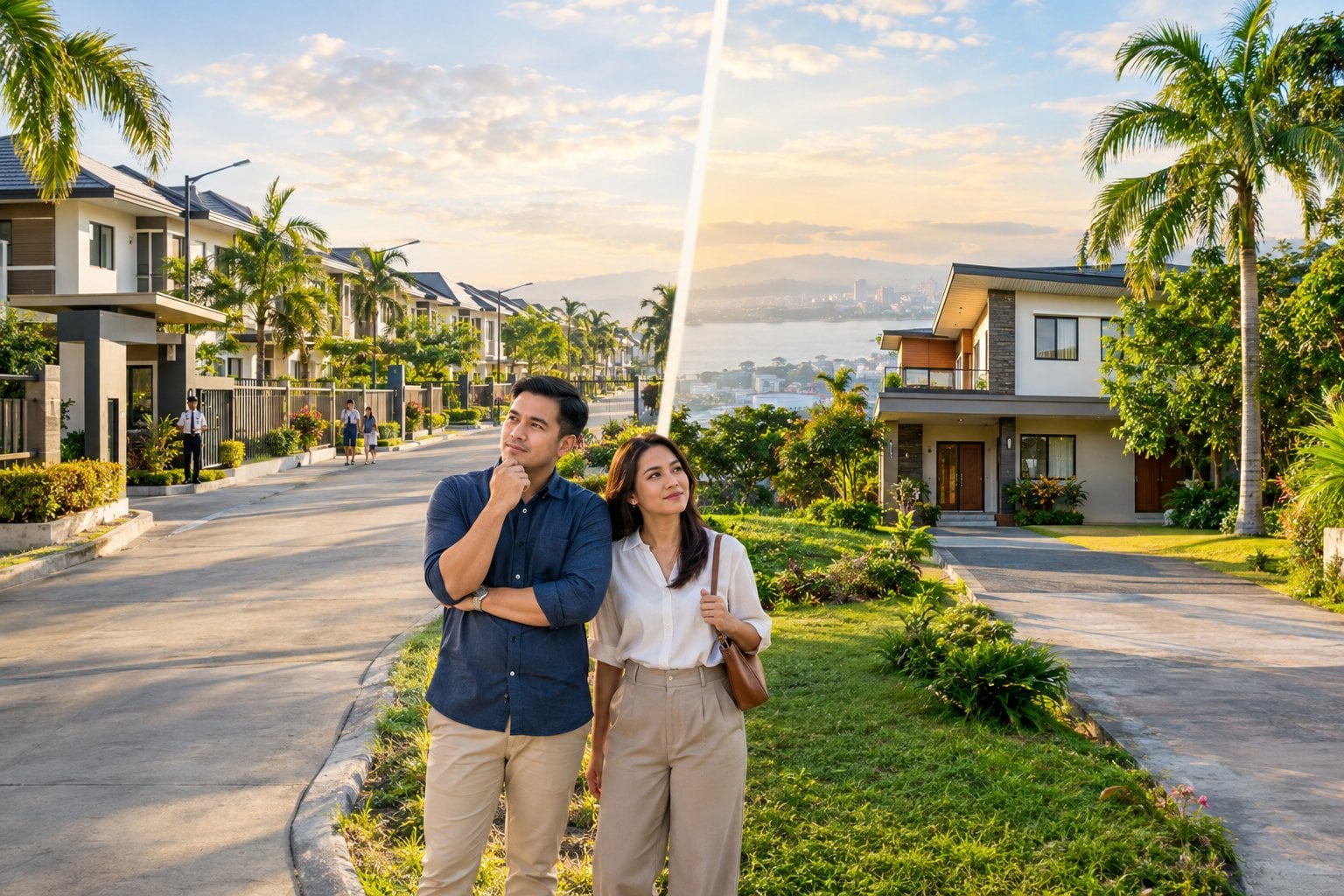
The right choice comes down to your daily habits, not to which option sounds safer or fancier. Community living suits buyers who want structure, shared perks, and less to manage.
An independent home suits buyers who want control, privacy, and often a lower monthly cost. Families with young kids, or retirees who want easy safety, tend to lean gated.
Working professionals, hands-on owners, and buyers who want central access often prefer an independent home. Neither path is the safer money bet by default. Both depend on the street, the group, and how well you check the home before you buy.
Frequently Asked Questions
Are gated community association dues worth paying in Cebu?
They are worth it if your household will use the safety and perks often. Families with kids or retirees who want low-effort upkeep tend to gain the most. Buyers who rarely use shared spaces may find an independent home a better fit.
Is an independent property always cheaper than a house in a gated community?
Not always. Independent homes often skip the price premium and monthly dues that gated homes carry. But you may spend more on your own safety, repairs, and drainage. Compare the total cost over several years, not the sticker price alone.
Which option has better resale value in Cebu?
Resale depends more on the street, barangay, and nearby growth than on the gate. A well-run gated village can hold steady demand. An independent home in a good spot near a business hub can do just as well.
Can I renovate or run a home-based business in a gated community?
You can often renovate, but most gated communities need group approval for outside changes. They may also limit home businesses to protect the village’s calm. Check the rules and any legal approvals before you finalize plans.
What should OFWs and overseas buyers check before buying a house and lot in Cebu?
They should verify the title with the Registry of Deeds and confirm the seller can sell. They should also check for unpaid taxes or liens before sending funds. It helps to send a trusted stand-in for the ocular check, since buying from abroad makes it hard to see the drainage and roads yourself.