
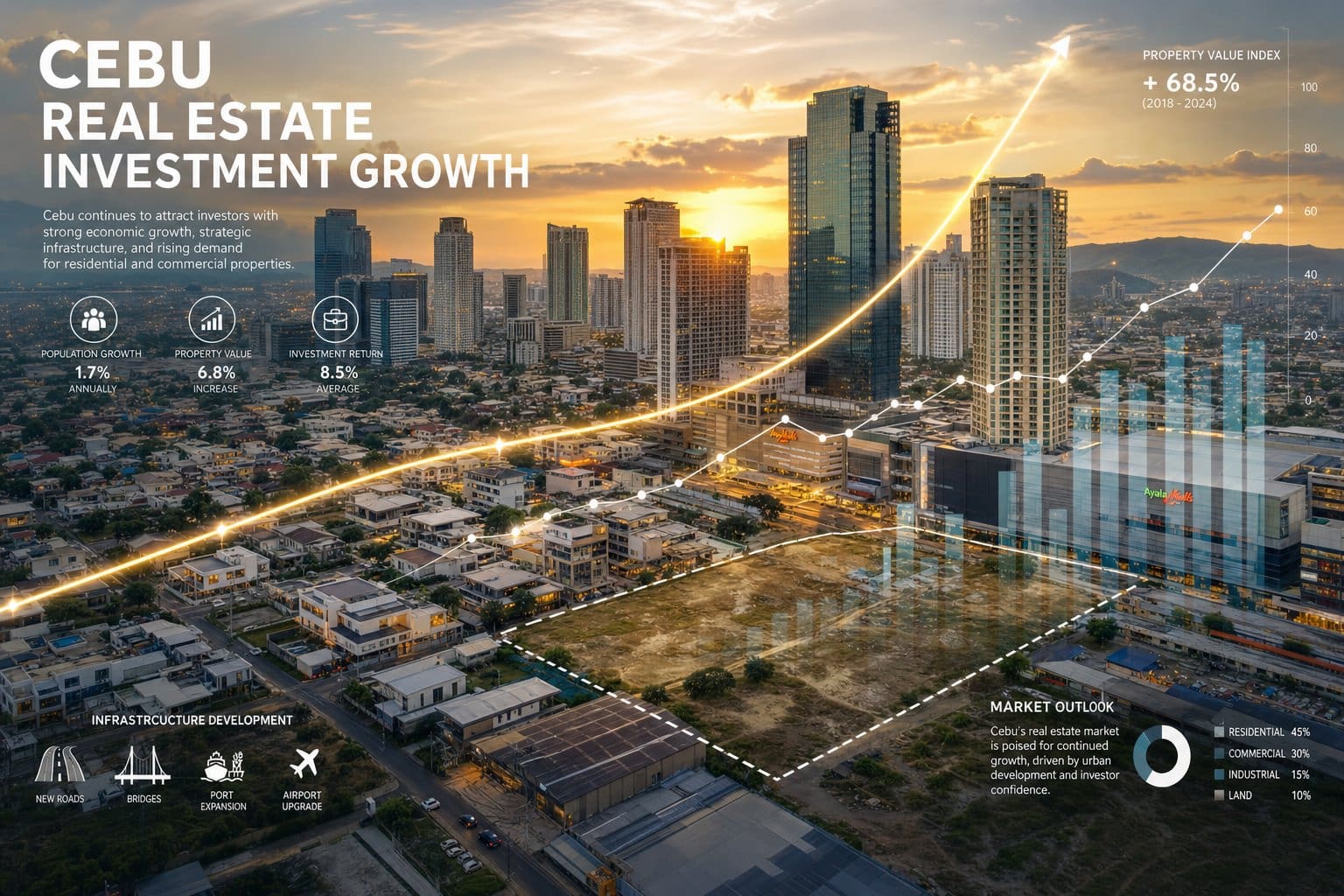
Best Property Types for Long-Term Investment Returns
Not all properties deliver the same returns over time. Understanding the best property types for long-term investment returns can help you make smarter decisions. The type of property you choose shapes your rental income, capital price growth. How easily you can sell later.
Choosing the right property type from the start is one of the most important decisions you’ll make as an investor.
In Cebu, the options are broader than most people expect. You can pick a condo near IT Park, a house and lot in Talisay, a retail unit on a busy road, an office suite in Cebu Business Park, a warehouse in Mandaue, or even raw land in a growth area.
Each option performs differently based on your goals, budget. Timeline. Some are better for quick cash flow, others for long-term growth.
This guide compares the main property types available in Cebu and the Philippines. It looks at how each one performs across rental yield, capital price growth, liquidity. Real-world management demands.
Key Takeaways
- Condos are the simplest entry for new investors. Warehouses and commercial assets suit those with more capital and experience.
- Your ideal property type depends on whether you want cash flow now or capital growth later on.
- Cebu’s growth corridors, BPO demand, and infrastructure projects create opportunities that national guides sometimes miss.
What Drives Long-Term Property Returns
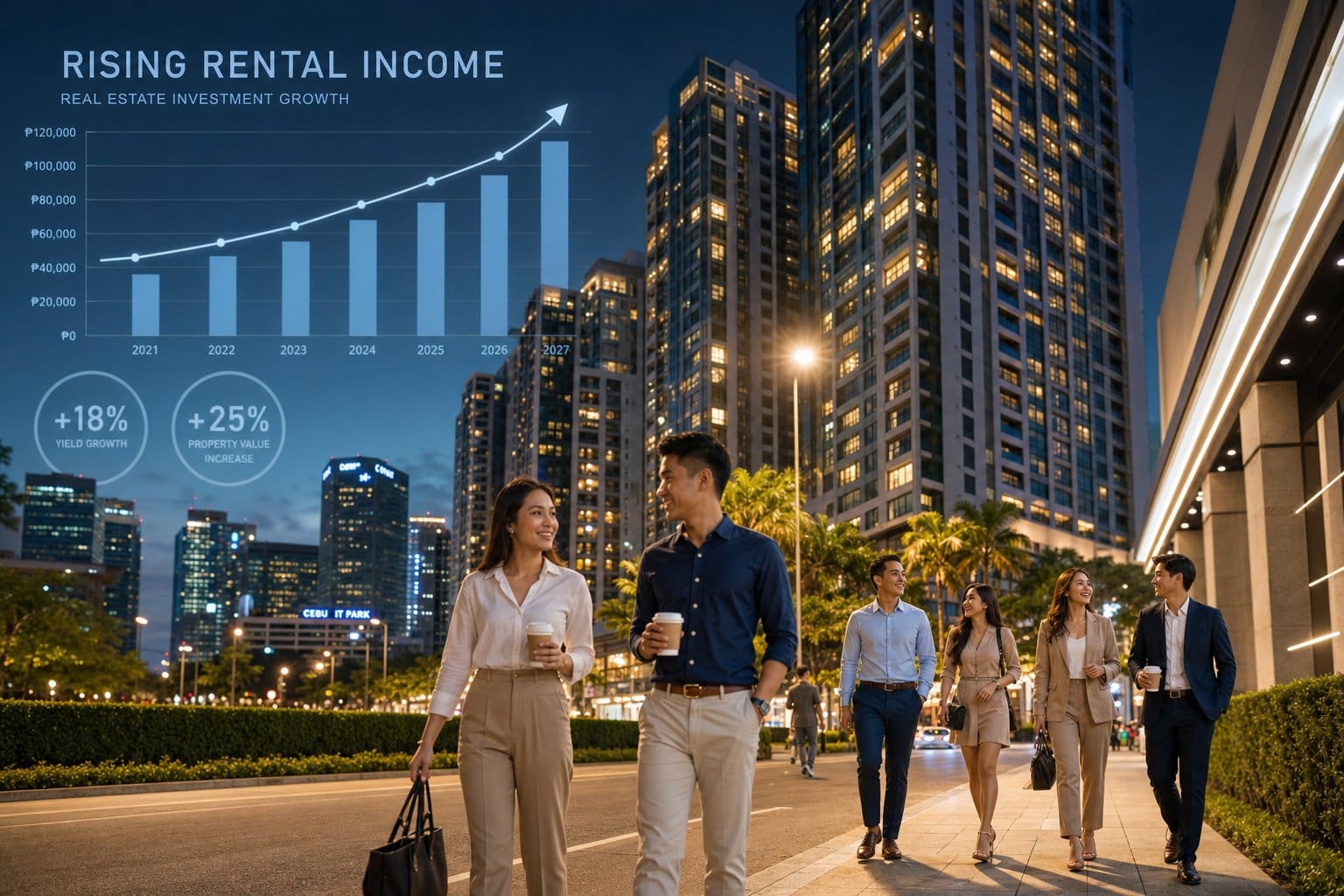
Before comparing property types, it helps to get a grip on the two main sources of return. Rental yield is the income your property generates compared to its price. Capital price growth is how much your property’s value goes up over time.
Rental Yield
Gross rental yield is your annual rental income divided by the purchase price. For example, a unit costing PHP 3 million and renting for PHP 15,000 a month brings in a gross yield of 6% per year.
Net yield is lower, as it subtracts expenses like maintenance, association dues. Vacancy periods. That’s the real number to watch.
Capital price growth
Several things drive property price growth: job growth, population growth, roads projects. The overall market mood. In Cebu, being close to major business districts has been a strong predictor of steady price growth.
Other Factors That Matter
Liquidity is about how quickly you can sell if you need to. Condos in prime locations are usually easier to sell than warehouses or bare land.
Vacancy risk varies a lot. A warehouse tenant might sign a three-year lease, while a condo could sit empty between renters.
Entry cost and down payment requirements are different too. Residential properties are easier to finance with mortgages. Commercial and industrial assets usually need bigger deposits and stricter terms. Balancing all these factors against your asset goals is key.
Residential Options: Condos, Houses, And Small Multifamily

Residential properties are the most accessible starting point for investors in the Philippines. Each type comes with its own risks, cash flow. Management demands.
Condominiums
Condos are the top pick for many first-time investors in Cebu. Units near IT Park, Cebu Business Park, and Lahug are in demand from BPO workers, expats. Students.
Gross rental yields in good locations usually hit 5% to 8% per year. Capital price growth often averages 6% to 10% in growth corridors.
Condos are easier to maintain, since the association handles the building’s common areas. The main risk is oversupply—some parts of Cebu have more new units than renters, which can soften yields and slow price growth. So, location matters here.
Houses And Lots In Gated Subdivisions
Single-family homes in gated subdivisions attract families, expats. Long-term renters looking for space and security. Rental yields are lower than condos, usually around 3% to 5%.
On the plus side, tenants in houses tend to stay longer—often two to five years. That means less vacancy risk and fewer headaches finding new renters.
Capital price growth for house-and-lot properties in places like Banilad, Talamban, and Talisay has been solid over 10 to 15 years. These are better for investors who want to build wealth over time rather than chase immediate cash flow.
Townhouses And Small Multifamily Units
Townhouses sit somewhere between condos and houses in terms of price, size. Yield. They attract young families and workers.
Small multifamily units like duplexes offer rental income from more than one unit, which helps if one sits empty. The management is a bit more involved. But The income potential is higher than a single-unit asset.
Commercial And Industrial Assets For Higher Yield

Commercial and industrial properties can deliver higher yields than residential ones. But they come with bigger entry costs, more complex leases. Are more sensitive to economic swings.
Retail Spaces
Retail spaces on busy roads or near residential areas can generate gross yields of 6% to 10% in prime spots. Commercial leases are usually longer. So Vacancy risk is lower.
A big plus is the triple net lease, where tenants cover taxes, insurance. Maintenance, lightening your load as the owner. The downside? Retail tenants are sensitive to economic downturns and might ask for rent cuts or even close up shop. Financing is also tougher than with residential.
Office Space
Office units in Cebu’s BPO corridors—like Cebu Exchange and Oakridge Business Park—attract corporate tenants on two- to five-year leases. That stability is a real benefit.
Gross yields for office space usually range from 6% to 9%, depending on location and fit-out. The shift to hybrid work has shaken up demand, but Grade A buildings in top business parks have held up better than secondary spots. When looking at office space, focus on tenant quality and building grade, not just the numbers.
Warehouses And Industrial Facilities
Warehouses don’t get much attention from smaller investors. But They offer some of the most stable returns out there. Demand is driven by e-commerce, manufacturing. Distribution.
Tenants sign long leases and rarely leave early. Gross yields often land between 7% and 12%. Maintenance costs are lower than for residential or retail properties.
The catch is the higher entry price and the need to be near major roads, ports, or industrial zones. For those with enough capital, industrial properties are among the most reliable real estate assets in the Philippines.
Land, Leisure, And Alternative Investment Paths
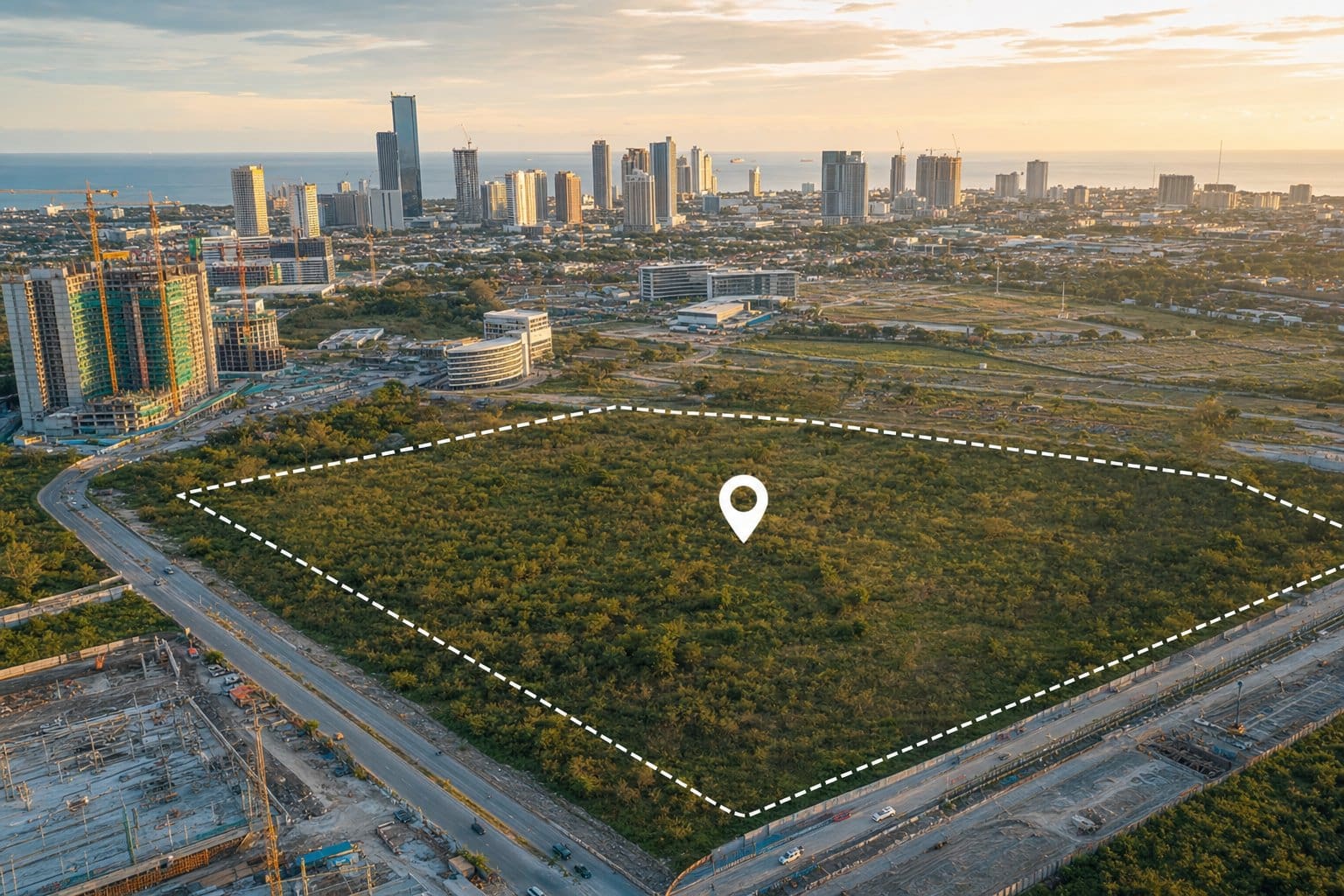
Besides the usual residential and commercial options, there are other real estate assets that can play a role in a diversified portfolio. It all depends on your goals and risk appetite.
Raw Land In Growth Corridors
Land in the right area can offer big price growth, with no tenants or maintenance to worry about. In Cebu, land values around South Road Properties, Mactan. New reclamation zones have climbed a lot in the past 15 years.
The downside is there’s no cash flow while you hold the land. This strategy is for patient investors who don’t need passive income right away. The main risk is picking the wrong area or waiting out slow roads progress.
Leisure And Short-Term Rental Properties
Vacation rentals and short-term rentals in Mactan and coastal Cebu get a lot of tourist demand, especially since travel picked up again. Properties on Airbnb can earn strong yields in peak seasons.
The income is less predictable compared to a standard lease, and active management is a must. Hotels and hotel room assets are a more hands-off option. But Returns depend a lot on occupancy and brand reputation.
Alternative Investment Paths
If direct property ownership feels like too much capital or hassle, real estate asset trusts (REITs) and crowdfunding platforms give you exposure to commercial and industrial assets with lower entry costs. These pay out dividends as income.
They’re great for diversifying your real estate portfolio without taking on full management. Honestly, they work best as a complement to direct property holdings, not a total replacement.
Matching Property Type To Your Budget And Goals

There’s no one-size-fits-all when it comes to property types. What works best depends on your budget, goals. How hands-on you want to be.
First-time investor with limited capital? A well-located condo is usually the most practical way to start. Entry costs are manageable, getting a mortgage is less of a headache. Finding tenants isn’t as tricky as leasing out commercial space.
Liquidity’s better too, which helps if you need to pivot quickly. That peace of mind is underrated, honestly.
Chasing rental income? Condos and retail spots in busy areas tend to give the best mix of yield and steady tenants. If you’d rather not get bogged down in daily details, property managers or even some decent software can handle the grunt work.
Thinking long-term growth? House-and-lot properties and raw land in up-and-coming areas usually win out over a decade or more. You’ll wait longer for a payout. But The price growth can be worth it.
This style suits OFWs and folks who don’t need instant rental income. It’s more of a “set and forget” approach.
Got bigger capital and experience? Commercial retail, office units. Warehouses open up higher income and longer leases. The risks are bigger. But So are the rewards if you know the market well enough.
Mixing things up—say, a condo for cash flow and land for growth—can give you a nice balance over time. It’s smart to check in on your real estate game plan every couple years since the market never sits still.
Cebu Market Factors That Can Improve Performance

Cebu’s real estate scene has its own quirks. Some spots and property types just perform better than the national average. Knowing what drives that can give you an edge.
BPO And Office Demand
The BPO sector is a huge force in Cebu, driving rental demand for both homes and commercial spaces. IT Park and Cebu Business Park are packed with workers renting condos and offices.
Vacancy rates stay low. Rental yields are consistent in those areas. It’s a reliable pattern, at least for now.
Roads Projects
New roads, bridges. Reclamation projects are changing the map. Places like parts of Talisay and the South Road Properties corridor are suddenly on investors’ radar.
roads spending is one of the clearest signs that values might rise. It’s not foolproof. But It’s close.
Population Growth And Urban Expansion
People keep moving to Cebu. That keeps housing demand up. As Cebu City gets pricier and more crowded, Mandaue and Lapu-Lapu have picked up a lot of new homes and industrial sites.
Industrial And Logistics Growth
Warehouses and industrial properties near Mactan and the ports are seeing a boom thanks to e-commerce and logistics. These spots are becoming surprisingly competitive for rental yields.
Honestly, working with agents who know Cebu—like Cebu Grand Realty—makes a difference. Some areas look great on paper but don’t deliver. So Local insight is worth its weight in gold.
Frequently Asked Questions
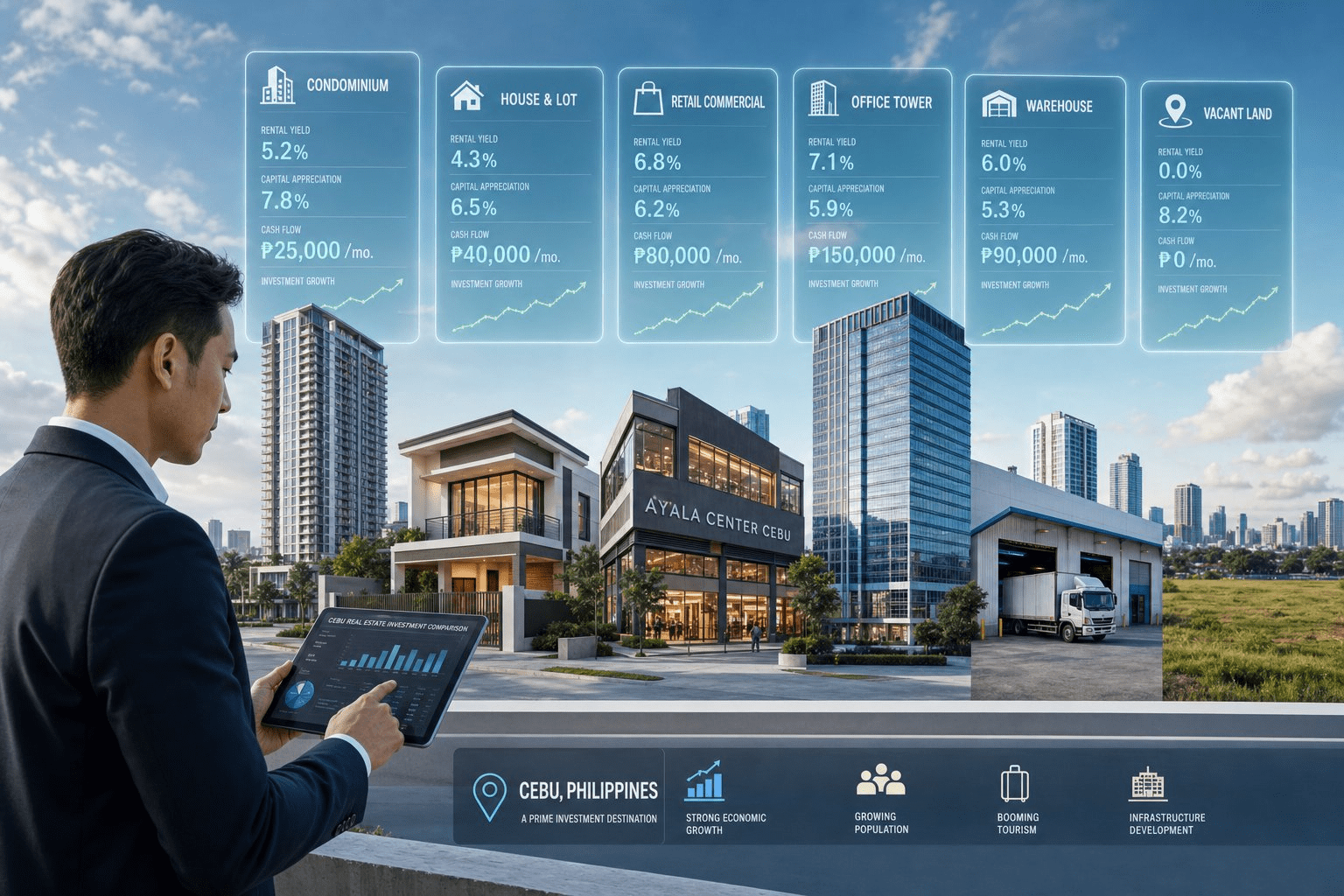
Which property type typically offers the highest long-term rental yield in the Philippines?
Warehouses and industrial properties usually deliver the highest gross rental yields—think anywhere from 7% to 12%. If that entry cost is a stretch, well-located condos near business districts are a solid compromise, balancing yield, liquidity. Easy management.
How do I choose between rental income and capital appreciation when investing in property?
It comes down to what you need. If you want cash flow right now, focus on condos and retail in high-demand neighborhoods.
If you’re in it for the long haul, house-and-lot properties or raw land in growth areas tend to grows in value more over a decade or so.
What are the main risks of investing in residential condos, and how can I reduce them?
The biggest headache is oversupply—too many new units can drag down both rental rates and resale value. You can sidestep this by sticking to known growth corridors like IT Park or Cebu Business Park.
Check the developer’s track record and peek at vacancy rates before you commit. It’s a bit of homework. But It pays off.
Are house-and-lot properties in gated subdivisions better for long-term growth than condos?
For long-term price growth, house-and-lot properties in good subdivisions usually outpace condos. Tenants tend to stay put longer. Land scarcity pushes values up.
Condos, on the other hand, often deliver better rental yields in the short to medium term—especially in busy business districts.
What should investors evaluate before buying commercial retail or office units for lease income?
Look at foot traffic, the kind of tenants you’ll attract, lease terms. How close you are to known business areas. Triple net leases can cut your operating expenses a lot.
For office units, stick to Grade A buildings in proven locations and see how hybrid work trends are affecting occupancy rates. The details matter more than ever these days.
Is investing in raw land in growth corridors a good strategy if I don’t need cash flow?
If you’re a patient investor and can wait at least 10 years, then yes, it can be a solid move. Raw land in spots with real roads plans—think reclamation zones or new roads around Cebu—has a track record of jumping in value.
Still, there’s risk. Pick the wrong location, or if development fizzles out, you might be stuck holding land that goes nowhere for a while.