

The Future of Real Estate in Cebu’s IT Park
Cebu IT Park just never slowed down. While other property markets across the Philippines went through some wild corrections after the pandemic, IT Park held its ground.
In many segments, it grew. Now in 2026, buyers and investors no longer ask if IT Park is a good bet. The question is how much longer entry stays open before prices push the casual buyer out
What sets IT Park apart from most other Philippine property markets is its foundation in jobs, not just investor hype.
Over 200 BPO companies, tech firms, and global offices operate here. They employ tens of thousands of people who want to live close by. That kind of demand keeps rents steady even when the broader market gets wobbly.
Here’s what the data, project pipeline, and just walking the area are telling us about where things might be going.
Key Takeaways
- IT Park’s employment base makes rental demand way more stable than most purely residential developments in the Philippines.
- Prices are climbing at 4% to 8% a year, and green-certified or especially well-located units are likely to beat the average.
- The entry window’s narrowing but isn’t slammed shut yet; buyers and investors with a clear plan are in a better spot than those holding out for a dip.
Why Cebu IT Park Keeps Holding Value
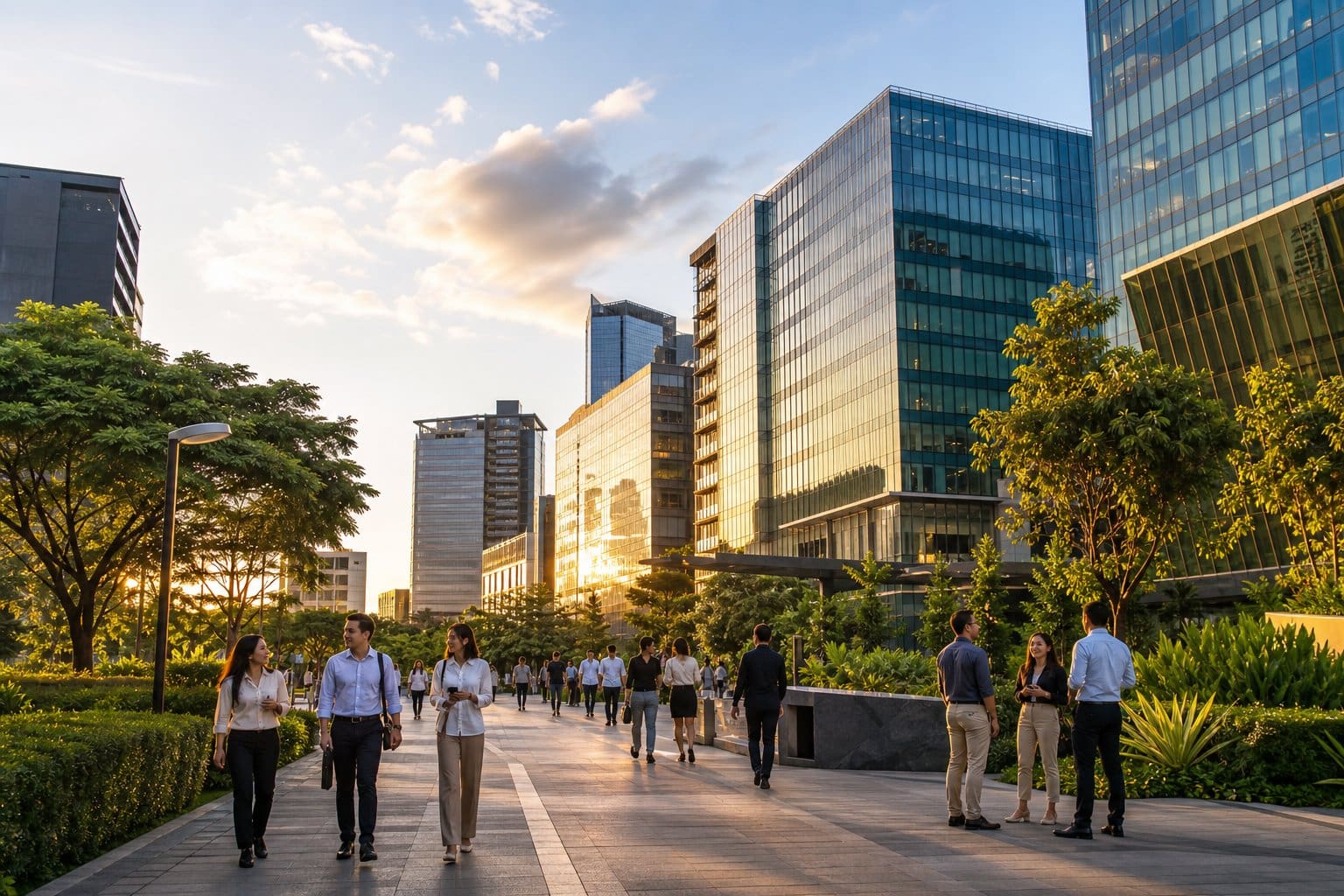
The strength of IT Park isn’t an accident. It’s the result of history, geography, and infrastructure at a level you just don’t see in most Cebu districts.
This place sits on the former Lahug Airfield. That military airport shut down when Mactan-Cebu International Airport opened in 1996. Cebu Property Ventures, under Ayala Land, bought the land in 1989 and started planning out the area.
By 2001, it was named an Information Technology Special Economic Zone under Presidential Proclamation No. 12. That gave IT Park its PEZA status and tax perks that draw in the big IT-BPO names.
That PEZA designation is a big reason why demand here acts differently. Companies like Concentrix, Optum, EY, and Wipro have expanded here. The economic perks and strong base make the higher rent worth it.
Vacancy dropped from 28% in Q3 2022 to 14% in Q3 2025. That’s a real signal in a market that added a lot of new space over the same period.
The geography helps, too. IT Park sits on higher ground in Lahug. So it’s one of the least flood-prone business zones in Cebu City. That’s not just a marketing line. After recent calamities, it’s a real valuation factor.
Flexible workspace operators like The Company Cebu, Regus, and KMC Solutions have a strong presence here. They make up about 75% of Metro Cebu’s flex workspace inventory.
That cluster shows where talent and decision-makers want to be. For property investors, office market strength directly supports steady tenant demand.
What Is Driving Demand In 2026
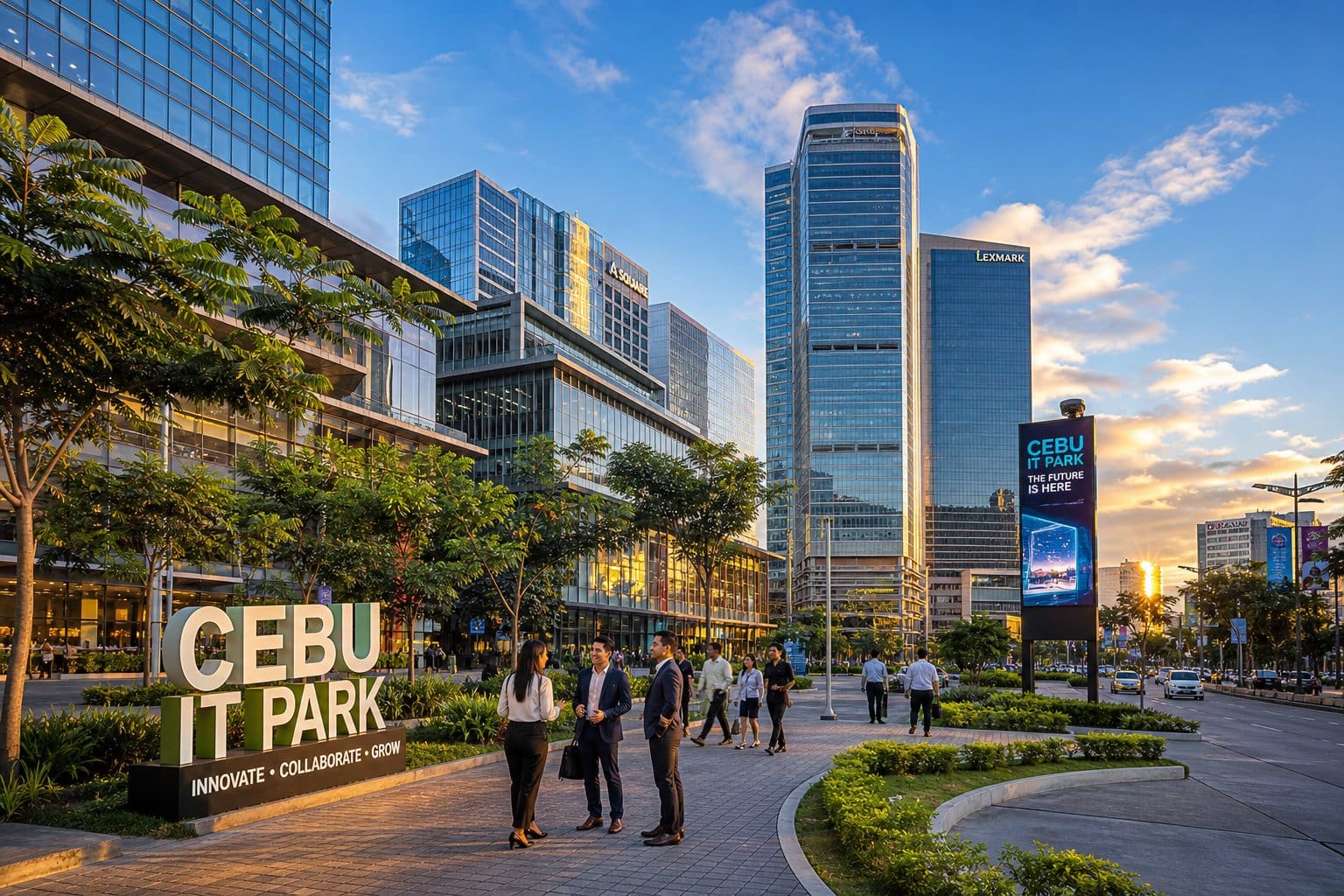
In 2026, demand in and around Cebu IT Park is all about tight office absorption, lifestyle infrastructure, and regional links. All of that keeps both residential and commercial tenants sticking close to the area.
On the office side, the park chalked up 96,000 square meters of deals in just the first nine months of 2025. With no major new office supply expected for the next three years, vacancy is likely to get even tighter.
That matters for property investors because lower office vacancy means more workers looking for nearby homes to rent. Ayala Central Bloc is the lifestyle anchor here. It has retail, dining, and entertainment built for the young workers who fill the BPO offices.
This walkability premium is real. Units within easy walking distance of Central Bloc always pull in higher rents than ones a couple blocks away.
Links outside the park is picking up, too. The Cebu-Cordova Link Expressway has already changed how people think about travel times between Cebu City and Mactan. Ongoing project around Mactan-Cebu International Airport is also driving investor interest in the wider Metro Cebu area.
For residents and office workers, easier airport access just adds to IT Park’s appeal as a base. Cebu Business Park is close by, and together these two zones form the most set up commercial corridor in the Visayas.
Foreign investment is coming in as well, funding new condo towers and commercial upgrades that lift the in all quality of the district.
Where Prices, Rents, And Yields Are Heading

Pre-selling studio units from set up developers inside or right next to IT Park are going for PHP 4.5 million to PHP 7 million in 2026. Ready-for-vacancy units cost more since buyers can start earning rental income right away instead of waiting for the building to finish.
Gross rental yields for studio and one-bedroom units are averaging 5% to 7% a year. That’s still higher than most comparable spots in Metro Manila, where prices have outpaced rent growth.
Net yields run between 4% and 5.5% after dues, taxes, and vacancy. That applies to a well-managed unit. The tenant profile helps. BPO workers sign six to twelve-month leases. They get paid via payroll and tend to renew. Turnover is low.
For OFW investors managing units from overseas, this is one of the lower-maintenance rental markets in the country. Property management from local brokerages like Cebu Grand Realty can fill in for absentee owners.
Looking at price price growth, a realistic five-year view is steady growth. Think 4% to 8% per year for well-located buildings. Some projects just outside IT Park have even seen 8% to 12% annual price growth in certain micro-areas.
That’s not a blanket guarantee. But it shows how tight supply and strong jobs can keep values moving up, even as prices rise. The double-digit jumps from the early 2010s aren’t the baseline now. But consistent, jobs-backed growth is still in play.
The Next Wave Of Supply And Upgrades
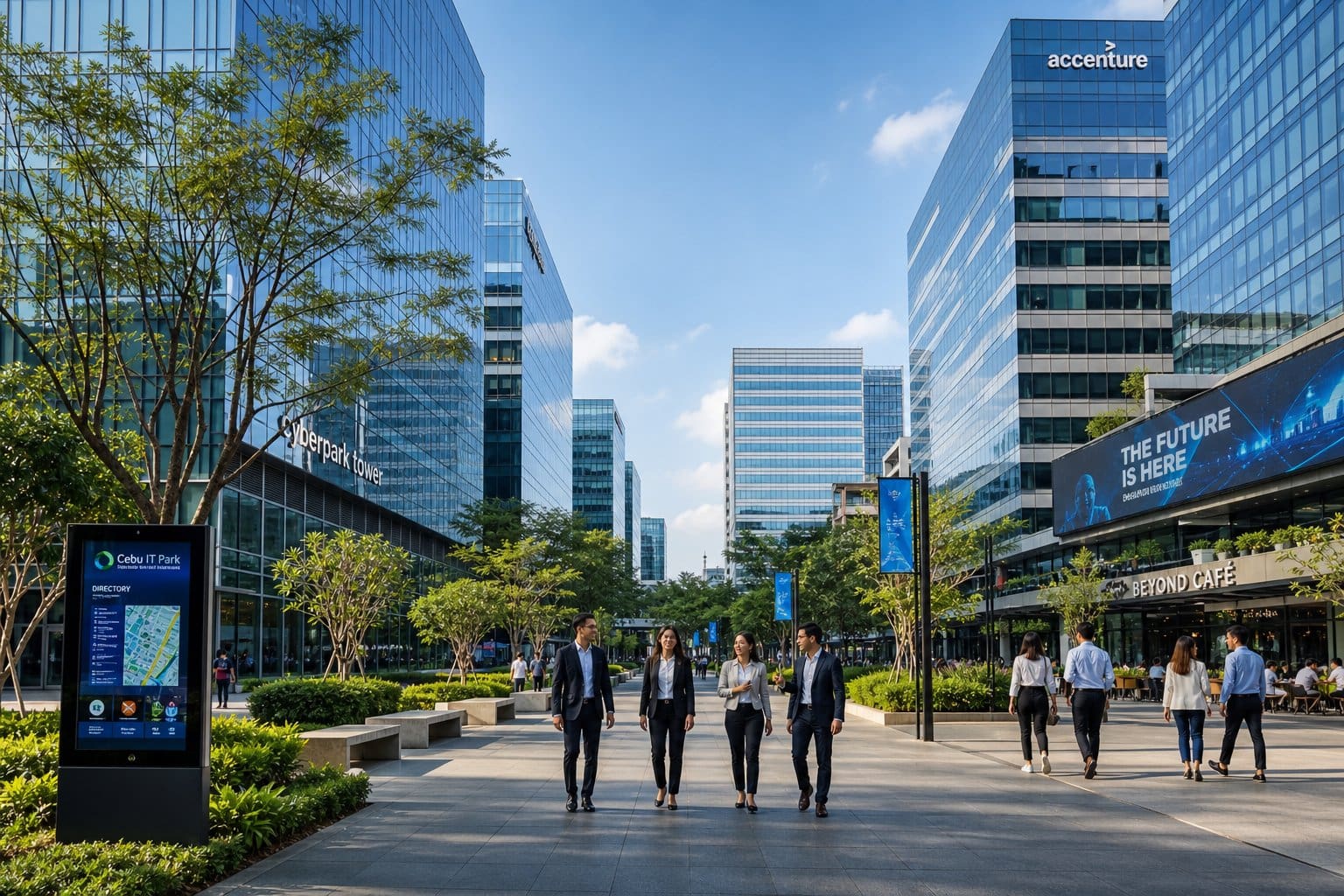
The next three to five years of supply will focus on premium homes and green-rated offices. It is not just about adding more volume.
On the residential side, the Wave Towers project is a big addition. The first tower, Nagomi, is 40 stories with 709 units and aims for larger, higher-end product inside the park.
There’s also a PHP 6 billion twin-tower project. A local developer and a Japanese firm are behind it. It targets the premium home segment. These aren’t starter units. They signal that the district is moving upmarket, which could lift resale values for existing stock.
Commercially, Archbishop Reyes Avenue is still seeing new project. Cebu Exchange, Arthaland’s flagship office tower, is the standout. It’s got LEED Gold, BERDE 5-Star, WELL pre-rating, and EDGE Zero Carbon rating. Making it the largest multicertified green office tower in the country.
Corporate tenants, especially BPOs with global reporting requirements, are starting to insist on green-rated spaces for their teams. That demand is only getting stronger.
There’s also a noticeable shift toward walkability upgrades and covered pedestrian infrastructure inside the PEZA zone. Units closest to the park’s core get a proximity premium that keeps growing as road congestion drags on.
Buildings with direct or sheltered access to major employers will pull in stronger rents. Tenants don’t want to walk outside in Cebu’s heat and traffic.
The Risks That Could Change The Outlook
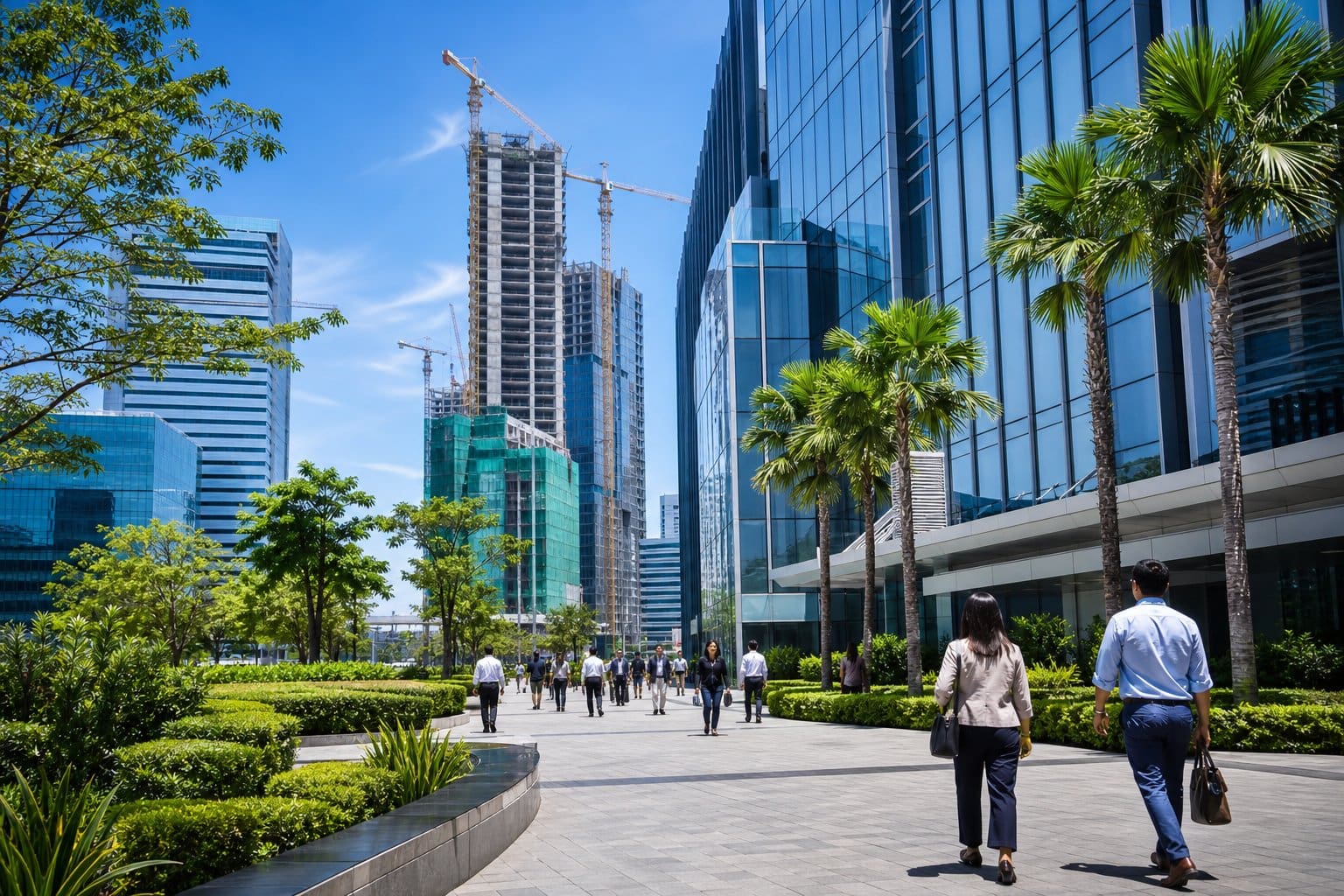
The investment case for IT Park is strong. But let’s not pretend it’s risk-free. Three things are worth watching over the next five years.
Studio oversupply is the most immediate concern. The studio segment is crowded, and new supply keeps coming in.
Generic studio units in average buildings with no real standout features face the most pressure on price and rent. Units with better views, more space, premium finishes, or strong building management will do better than the rest.
If you’re buying a studio, building quality and management matter as much as location. AI and automation in the BPO sector are more of a medium-term risk than an immediate one.
Cebu’s BPO profile is already moving toward higher-value work. But if there’s a big wave of layoffs among lower-skilled BPO workers, IT Park rental demand could dip in the studio segment. Most forecasts see this as something to watch over five to seven years, not a near-term shakeup.
Cebu’s talent pipeline and cost advantages still draw in expansions from major firms. Infrastructure bottlenecks are the most stubborn problem.
Traffic along Archbishop Reyes Avenue and the Lahug corridor is a daily headache. Until mass transit improves, walkability to the PEZA core is still the biggest factor in unit value.
Properties that need a car or long commute face more demand risk. Units within walking distance of the park are safer bets. None of these risks should scare you off IT Park. But they should make you more careful about which unit and building you pick.
What Buyers, Investors, And Landlords Should Do Next

The Cebu-Cordova Link Expressway has already changed how Metro Cebu moves. Its effects on property values along those connected corridors are still playing out. Nobody knows exactly where things will settle just yet.
For buyers, investors, and owners near IT Park, that broader links shows why location precision matters more than ever.
If you’re a first-time buyer eyeing a home near work, IT Park remains a logical choice in 2026. But let’s be real: you’re entering a market that’s already seen a lot of action.
Focus on value per square meter, how well the building’s managed, and whether you can walk to your workplace. Paying a premium for an IT Park address can be justified. But don’t get talked into a fringe location just because it’s marketed as “IT Park-adjacent”. that’s rarely worth it.
If you’re an investor—local or an OFW looking for something outside Manila. The rent-to-price ratio here is still one of the clearest in the country. Your biggest variable is property management.
A unit that sits empty for two months a year loses out. A steady tenant makes all the difference. Working with a licensed local property manager protects your returns. Don’t try to self-manage from far away.
If you already own in the area, the outlook is still favorable. Hold, keep your unit in good shape, and check your rental pricing every twelve months.
New supply is coming in. So old finishes and rents that don’t match the market will cost you tenants faster than a few years ago.
Cebu Grand Realty’s licensed agents work all over Cebu City, Mandaue, Lapu-Lapu, and nearby spots. They can help with investment advice, leasing, and property management if you’d rather not handle your IT Park assets on your own.
The CCLEX connection and airport upgrades are drawing more investor attention to Metro Cebu as a whole. IT Park still feels like the highest-confidence sub-market in that story. But the window for entry at today’s prices is getting tighter.
That doesn’t mean you should rush in blindly. But it does mean moving with purpose and maybe more urgency than before.
Frequently Asked Questions
What factors make this district more resilient than other Philippine property markets during downturns?
IT Park’s strength comes down to its link with jobs, not just market mood swings. Over 200 BPO and tech firms operate inside the PEZA zone. So housing demand here is tied to payroll. Not just buyer confidence.
Its higher elevation, flood-resistant terrain, and mature roads and utilities add a layer of stability that most purely home projects can’t match.
How will the upcoming mixed-use developments affect condo prices and rental competition over the next five years?
New high-end condo towers like the Wave Towers and that PHP 6 billion twin-tower project are pushing the district’s home mix upmarket. That usually lifts median values across the area.
Rental competition is going to heat up in the studio segment. So well-located, well-managed, and unique units will absorb demand. Generic stock will feel more pressure on both pricing and vacancy.
What rental yield range can landlords realistically expect after dues, taxes, and vacancy allowances?
Gross rental yields for studio and one-bedroom units are averaging 5% to 7% a year right now. After association dues, property tax, and a realistic empty months, net yields usually land between 4% and 5.5%.
Units in great locations with steady tenants and active management tend to hit the higher end of that range.
Which unit types and building features are most likely to outperform in resale and rental demand?
Units with bigger floor areas, good views, and premium finishes tend to outperform plain studios. Solid building management matters too. Green-rated buildings are gaining traction, too, as more corporate tenants want eco- compliant spaces.
That’s pulling up demand for nearby home units from higher-earning employees.
How could changes in the BPO and tech workforce impact tenant demand and rent growth in the area?
The BPO sector in Cebu is shifting toward higher-value roles. This supports steady or rising wages and stable rent-paying power. If there’s a big layoff of lower-skilled workers, studio demand would feel it first.
But most forecasts see that as more of a medium-term risk, not something that’s about to happen. Cebu’s cost advantages and talent pool are still drawing expansions from major global firms in 2026.
What key risks should buyers and investors watch, including oversupply and infrastructure constraints?
The studio segment faces the highest oversupply risk. More and more new players are fighting for the same pool of tenants. It’s starting to feel crowded.
Traffic congestion along Archbishop Reyes Avenue and the Lahug corridor is still a headache. That mess limits how much extra people are willing to pay for walkable units compared to the less accessible ones.
There’s also the whole question of AI-driven changes in BPO headcount. Buyers might want to keep an eye on that over the next five to seven years. But maybe don’t panic just yet. It’s more of a background risk than something that’ll hit yields overnight.