
Why PRC and DHSUD Credentials Matter When Choosing a Cebu Broker
Real estate deals in Cebu can move fast. One moment, you pay a reservation fee. The next, a contract lands in your inbox. Suddenly you are trusting someone you barely know. And your hard-earned savings are on the line. So check a broker’s credentials before things get serious. It is basic due diligence. And it takes barely any time at all.
Cebu’s property market is busy. Not everyone who offers to help is a legit broker. Some are licensed professionals. Others just use the title with no training. They also have no accountability. Telling them apart protects you early. It helps long before the contract stage.
Key Takeaways
- PRC licenses and DHSUD approvals are two different things—both matter before you hand over any money.
- Verifying credentials takes just a few minutes and should happen before you share documents, pay fees, or sign anything.
- Credentials are just the starting point. Always review contracts, titles, and payment terms yourself.
PRC Licensing, DHSUD Registration, and What Each Proves
The Professional Regulation Commission (PRC) licenses real estate practitioners nationwide. It works under the Real Estate Service Act (RA 9646), known as the RESA Law. A national board sets the exam standards and oversees brokers.
A PRC license means the person passed the national exam. It is not just paper in a drawer. Licensed brokers also keep up with continuing education and a strict Code of Ethics.
DHSUD registration is separate. The Department of Human Settlements and Urban Development (formerly HLURB) makes brokers register every year. This confirms the broker is active, on top of their PRC license.
Here’s a simple breakdown:
| Credential | Issued By | Proves |
|---|---|---|
| PRC License | Professional Regulation Commission | Passed the licensure exam, active professional standing |
| DHSUD Registration | DHSUD Regional Office | Annual registration to practice, project-level compliance |
Both are important. A PRC license without current DHSUD registration isn’t enough, and the law treats them as separate requirements.
Broker or Salesperson: Know Who Is Accountable
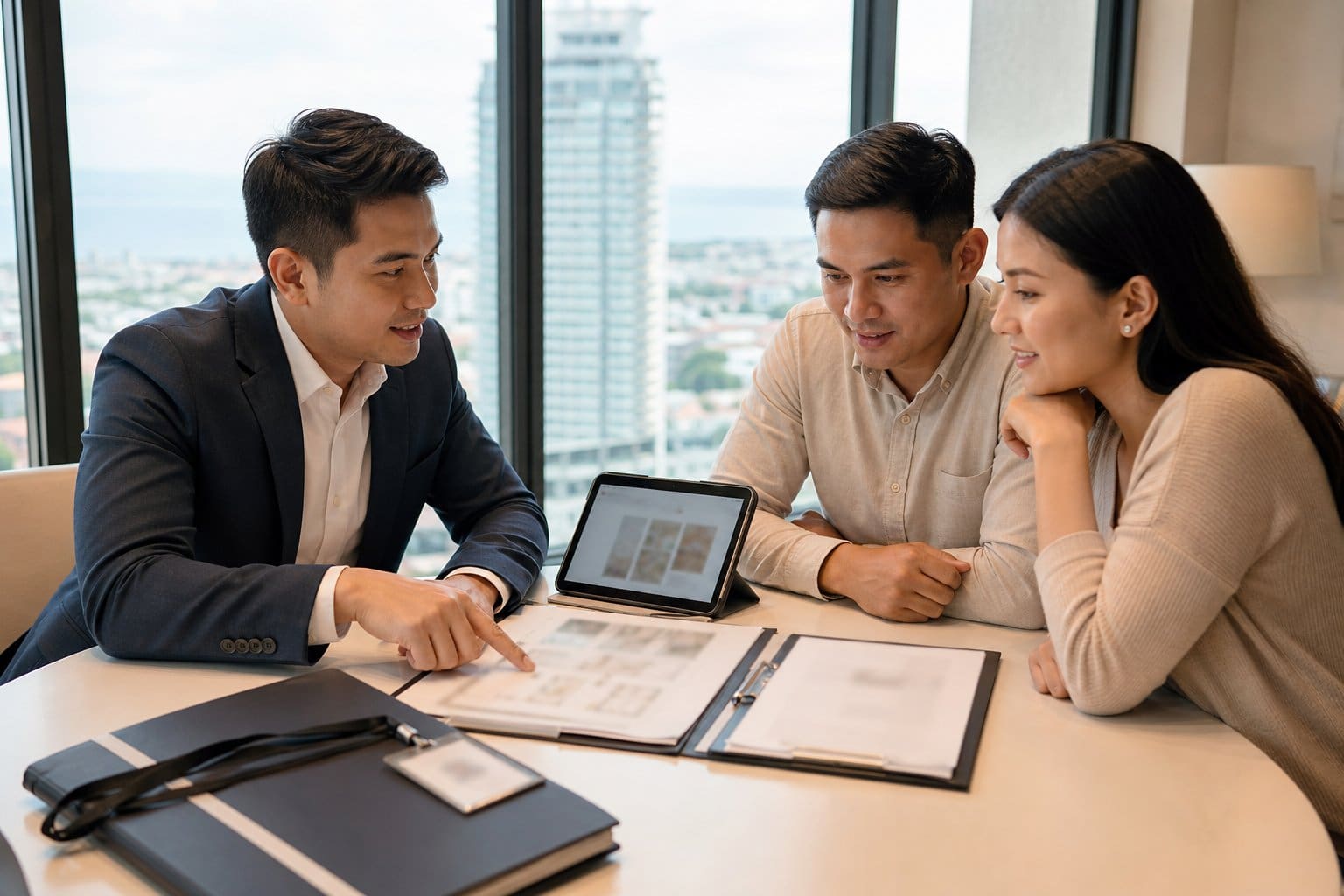
Not everyone showing you properties is a licensed real estate broker. Many are salespersons, and that difference matters more than most buyers think.
A broker holds a full PRC license. They earn it through a degree and coursework. They also pass the board exam. A broker can negotiate, sign, and collect commission. They do this in their own name. A salesperson is different. They can show properties and answer questions. But they must work under a licensed broker. They cannot close a deal alone.
Sometimes a salesperson acts alone. That means no supervising broker stands behind them. So no licensed person is accountable. That gap becomes your headache if things go sideways.
Ask who the supervising broker is. A legit salesperson will tell you right away and can show proof.
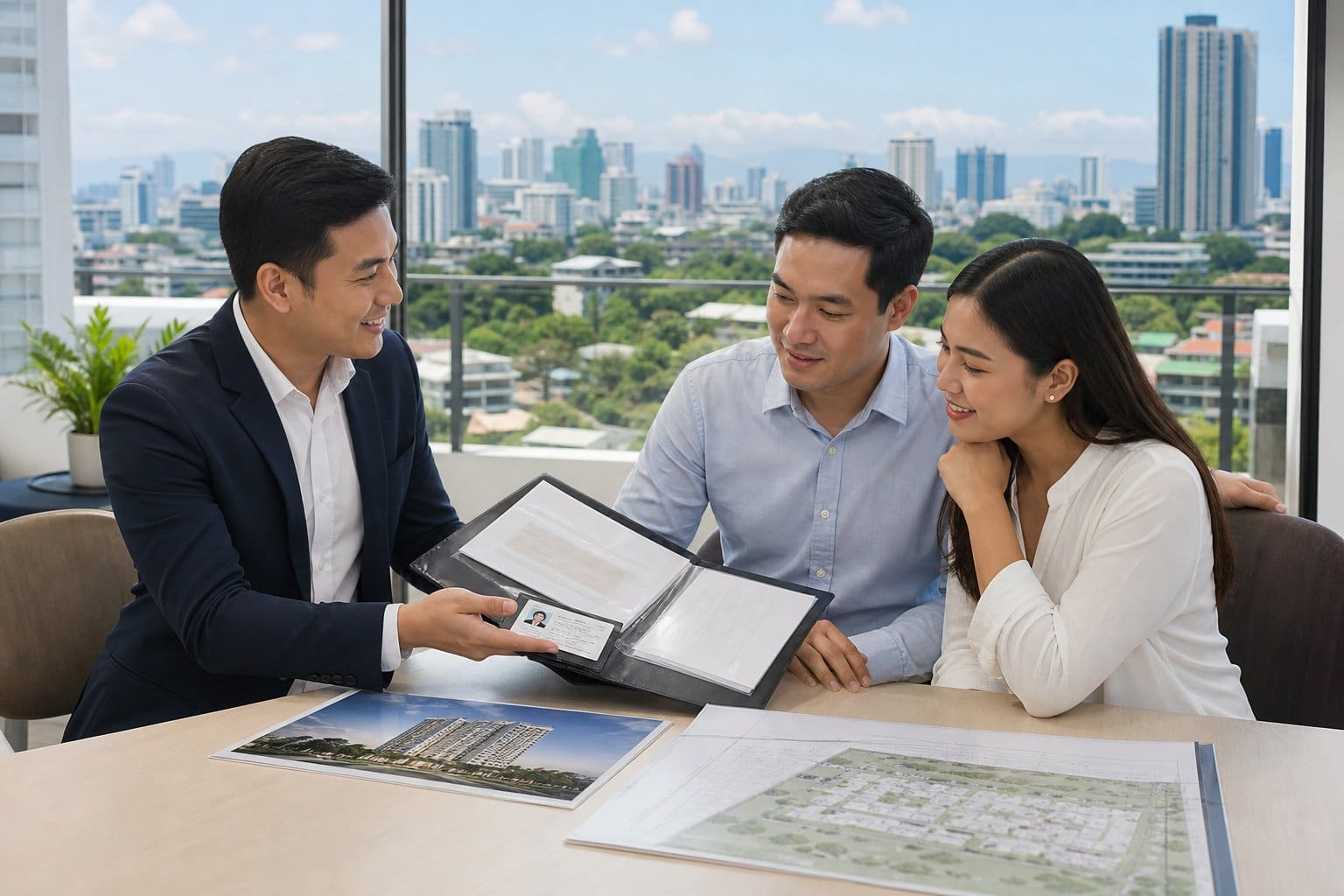
Always ask to see the actual PRC ID, not just a business card. It has a license number you can check. A photo is the bare minimum; the physical card is better. Check it before you sign or pay.
Verify the Professional and Project Before You Pay
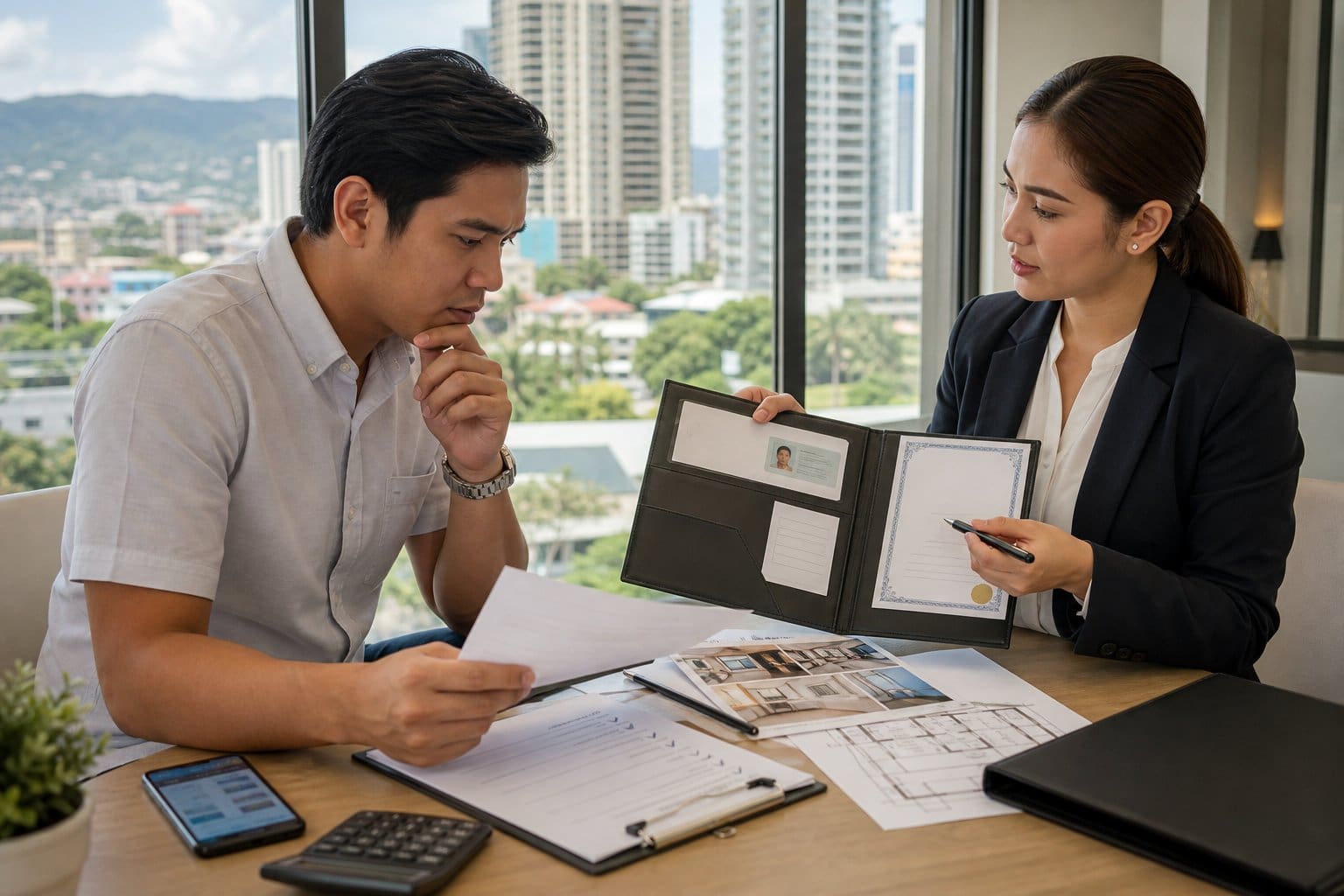
Verification isn’t just one step. You’re really checking two things: the person, and the project.
Start with the person. Go to the PRC online verification system at verification.prc.gov.ph. Search the broker’s name. It shows if the license is active and current. Do this before anything else.
Then check the project, especially if you’re looking at pre-selling condos or house-and-lot packages. Ask for the developer’s DHSUD certificate and, for pre-selling, the License to Sell. This proves DHSUD has reviewed and cleared the project for public sale.
Timing is everything. Do these checks before you pay reservation fees, not after. Once you’ve signed and paid, fixing a mistake is a lot harder.
A good order of steps is:
- Verify the broker’s PRC license number online.
- If there’s a salesperson, confirm their supervising broker.
- Ask for the DHSUD certificate for the broker or agency.
- Request the project’s License to Sell before talking payment.
- Get the reservation agreement in writing before paying anything.
If you skip straight to payment, you’re opening yourself up to nasty surprises later.
Documents That Credentials Cannot Replace
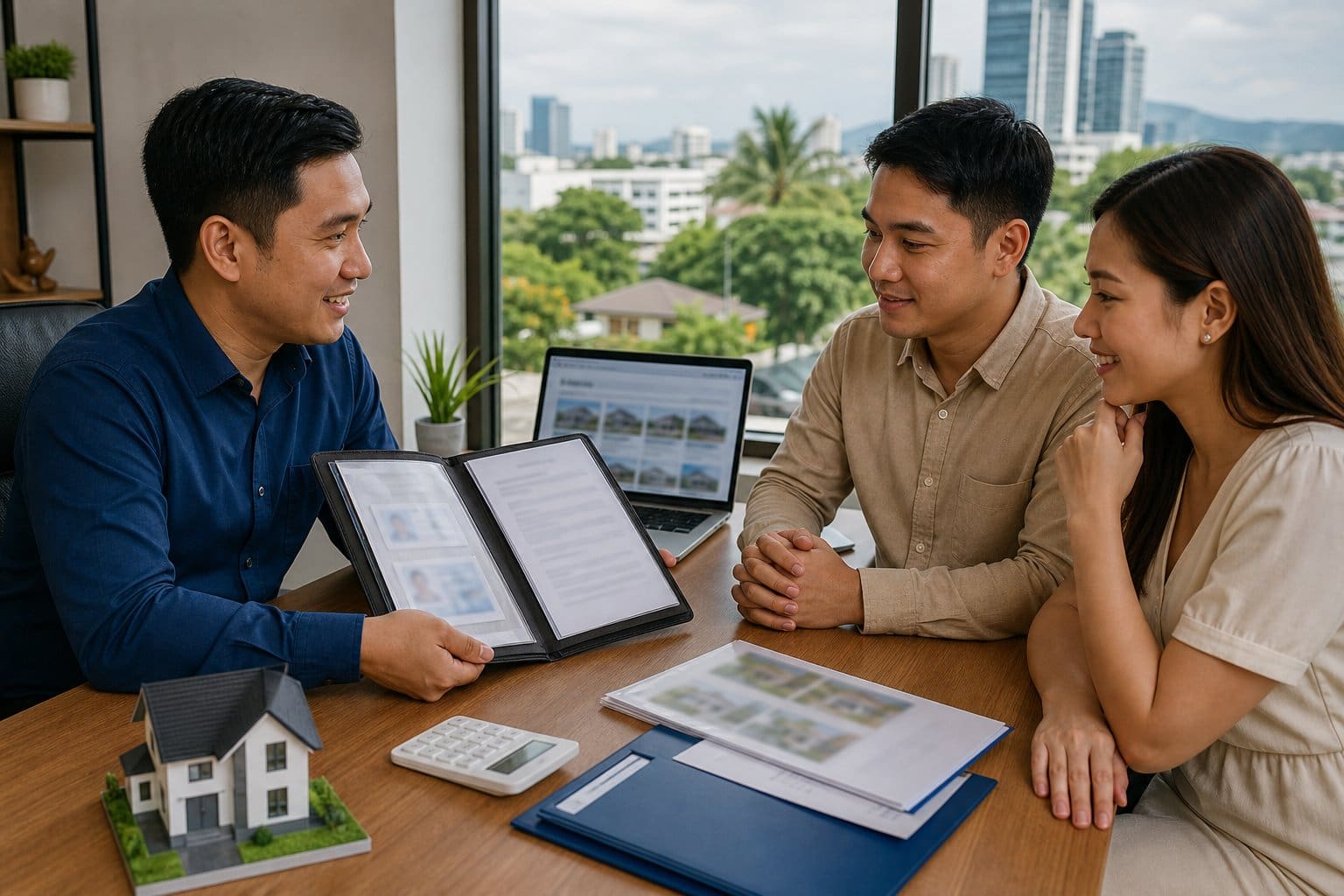
Having a valid PRC license means the person is qualified. It doesn’t guarantee the property is free of issues. Those are separate things, and mixing them up is a common pitfall.
Ask for the broker’s authority to sell. This document comes from the owner or developer. It proves the broker can market that property. Without it, they may have no link to the seller.
Title documents need a careful look. Make sure the title is clean. Check that it matches the seller’s name. Confirm it has no disputes. Then check the tax declarations. See if the property taxes are current. These things affect the title transfer. They can cause delays or even kill a sale.
Before you sign a deed of sale, do some math. Know how property value and zonal value work. They affect your capital gains tax. The BIR uses zonal value for some taxes. It may not match the selling price.
Brokers can help with these documents. Still, double-check everything yourself. Some contracts have unusual terms or big amounts. For those, get a lawyer before you sign. Credentials tell you who you deal with. They do not promise the property is problem-free.
Red Flags, Written Terms, and Safer Next Steps
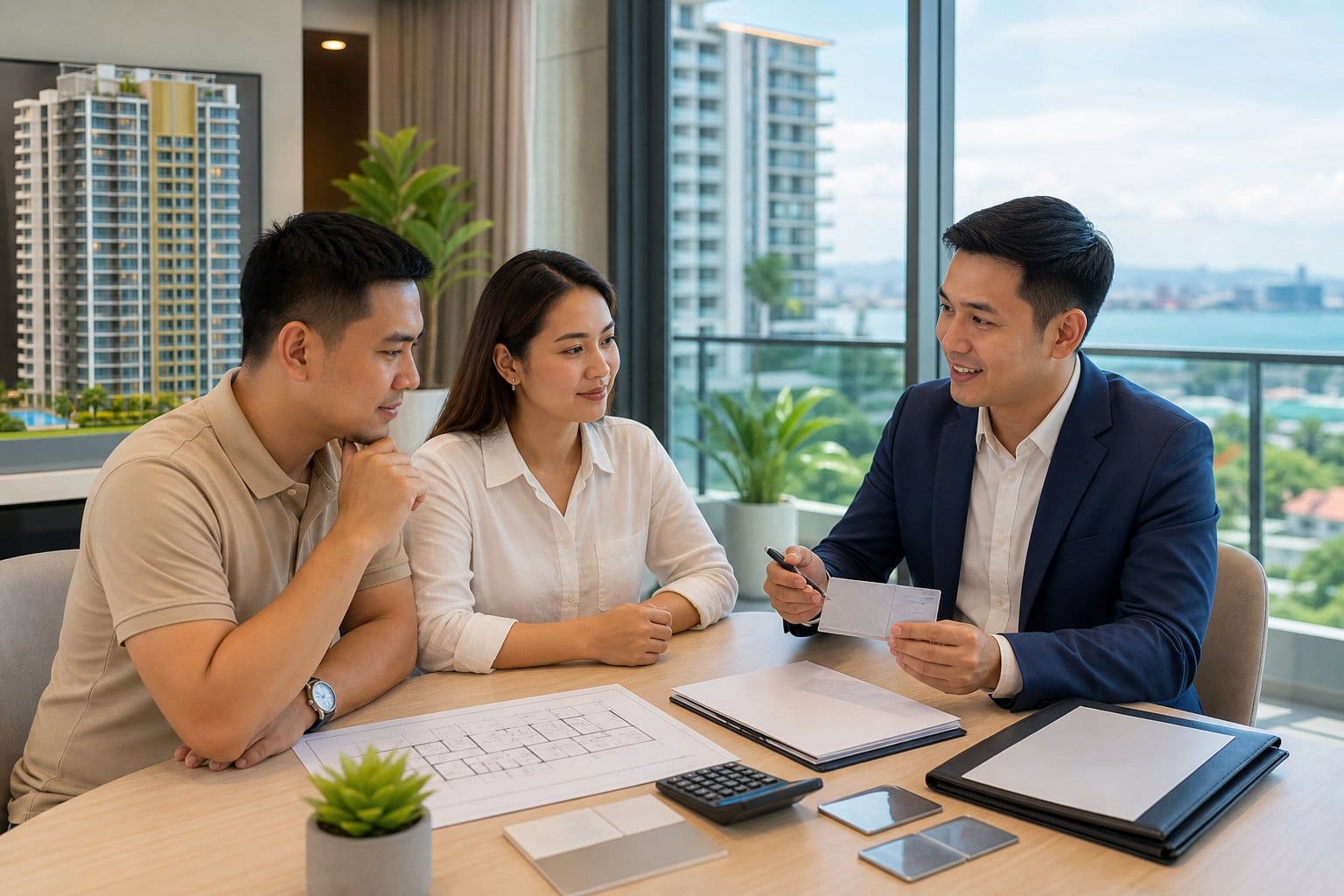
Some behaviors should make you pause before you even get to the paperwork. Spotting these early can save you from bigger headaches later.
Be wary of anyone rushing your reservation fee. Do not pay before you see an authority to sell. Review the payment terms in writing first. Legit brokers do not rush you. Many belong to groups like PAREB. They respect basic checks.
Some red flags:
- Won’t show a PRC ID or DHSUD certificate when asked.
- Only makes verbal promises about price, discounts, or completion dates.
- Wants cash-only payments with no receipt or agreement.
- Pushes you to sign a contract before you’ve read it.
- Gives inconsistent answers about the supervising broker.
A real broker puts everything in writing—reservation agreement, payment schedule, commission details. Verbal promises? Not worth much if things go wrong.
The Code of Ethics for licensed brokers requires honesty and full disclosure. If someone dodges questions about fees, timelines, or their licensing, that’s a problem—license or not.
If things feel rushed, take a step back. Ask for the documents. Read them at your own pace. Do not let anyone say waiting means missing out. A real deal will still be there tomorrow.
Extra Safeguards for Cebu Buyers and OFWs

Buying from abroad adds distance to every step. So checking things carefully matters even more.
OFWs often rely on a licensed broker back home. The broker does what they cannot do in person. That includes property viewings and document pickups. It also includes trips to a DHSUD office. You cannot just drop by to check details yourself. So the broker’s credentials matter even more. Make sure they are legit from the start.
Video calls during property tours are a must. Do not just trust the marketing photos. Ask for time-stamped pictures instead. Or ask for a live walkthrough. Then you know what you are really getting.
You may sign a Special Power of Attorney for someone. First, double-check their PRC license number yourself. Do not just take a family friend’s word for it. Trust is good, but proof is better.
Taxes can get tricky overseas. Property value and zonal value affect your capital gains tax. Title transfer also takes longer from abroad. So ask your broker for a realistic timeline.
Keep copies of every document you get. For pre-selling, include the DHSUD certificate and License to Sell. Digital tools make remote checks easier. But you still have to use them.
Frequently Asked Questions
How do I check if a Cebu broker has an active PRC license?
Go to verification.prc.gov.ph and search the broker’s name. That shows if the PRC license is active. You can also ask for a photo of their PRC ID. Seeing it in person is even better. These checks take only a few minutes. Do them before sharing documents or paying.
Why should I check a developer’s DHSUD License to Sell before buying a pre-selling property?
The License to Sell means DHSUD approved the project for sale. Without it, the developer cannot collect reservation fees. They cannot legally sell units either. Skip this step, and you take a big risk. You could pay for a project that never gets built.
What are the risks of working with an unlicensed or colorum real estate broker?
An unlicensed broker cannot enforce contracts. They also cannot represent you in a dispute. Philippine law does punish unlicensed practice. But that will not get your money back. If something goes wrong, your options are few.