

Moving to Cebu from Manila or Abroad: The 2026 Relocation Guide
More Manila professionals and overseas Filipinos are packing up for Cebu every year, and honestly, the reasons are hard to ignore. Rent and housing are cheaper, daily commutes are shorter, and you still get access to solid jobs, hospitals, and schools.
This guide lays out what actually changes when you move here, whether you’re coming from Quezon City or after years abroad. You’ll get real cost breakdowns, a look at neighborhoods based on commute and lifestyle, and what renting, buying, and visa steps look like in 2026. No fluff, no sales pitch—just the stuff you’ll wish you knew before signing a lease or booking that flight.
Key Takeaways
- Cebu’s rent and property prices are generally lower than Manila, but electricity and a few day-to-day expenses can add up.
- Your best neighborhood depends on your commute, schools, and whether you want city buzz or a slower pace.
- Visa, healthcare, and school processes change depending on if you’re a returning Filipino, foreign worker, retiree, or remote worker.
Why Cebu Is Drawing Movers From Manila and Overseas
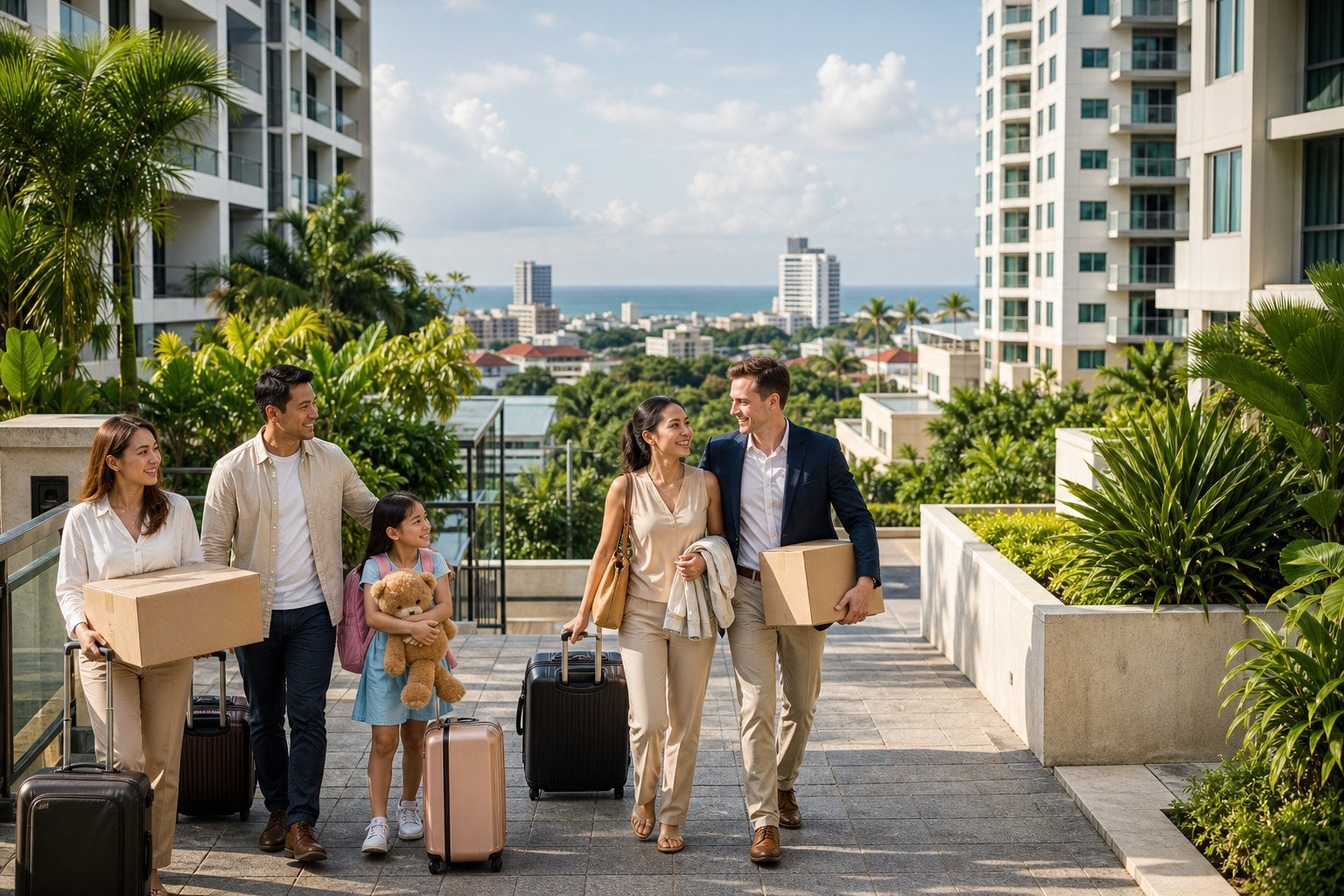
Cebu City has become a true second hub for the Philippines, not just a smaller Manila. The metro now has over a million people, and that’s still rising as workers, retirees, and returning OFWs move in.
The BPO sector drives a lot of that growth. Cebu IT Park and nearby districts have big call centers and back-office operations, with lower staff turnover than other cities. That stability is a big deal if you’re moving for a job, not just hoping to land one later.
Tourism is another pillar for the economy. Beaches are close enough for a weekend escape, and that shapes daily life in a way Manila just can’t offer.
On the practical side, shipping your whole household from Manila or abroad is pricey and slow. Most people just sell bulky furniture before leaving and buy new stuff here. Also, Mactan-Cebu International Airport has direct flights to major Asian cities and plenty of domestic options—handy if you still have ties in Manila or overseas.
Families have more to consider. International schools are here, but seats and fees change often, so check with each school directly before picking a neighborhood.
What It Costs to Settle In and Live Comfortably

Budgeting for Cebu isn’t just about rent—recurring costs can sneak up. Electricity is the big surprise for most newcomers, especially after that first bill.
A one-bedroom outside the center usually goes for $300 to $500 a month. If you want to be in the city center, expect $500 or more, depending on the building. Groceries and eating out? Budget $150 to $250 monthly if you keep it simple. Mobile plans with data are about $15 to $20 a month.
Electricity can really eat into your budget. Running aircon through Cebu’s heat will spike your bill, so check insulation and the age of cooling units before signing a lease.
Banking is straightforward, but do it early. BPI, BDO, and Metrobank offer standard accounts, but foreigners usually need a visa and proof of address first. For sending money from abroad, Wise is popular for low fees, and GCash is everywhere for daily payments and splitting bills.
If you’re a returning Filipino, update your PhilHealth address soon after moving. Foreigners staying long-term should get international health insurance before arriving—public options are limited for non-citizens.
For a single person, living comfortably usually means spending $700 to $1,000 a month. Couples should plan for $1,300 to $1,800, depending on housing and how often you eat out.
Choosing a Neighborhood That Fits Your Daily Routine

Picking a Cebu neighborhood really comes down to your commute and daily habits, not just rent. What works for a BPO worker near IT Park is completely different from what a retired couple or a family with kids might want.
If you want city life and easy work access:
- IT Park (Cebu IT Park) and Lahug are close to major offices, cafes, and condos—great for BPO or tech jobs.
- Cebu Business Park, near Ayala Center Cebu, is more polished and walkable, with shops and restaurants nearby.
- Mandaue City (think Mandani Bay) has quicker routes north and can be a bit cheaper than IT Park itself.
If you want a quieter, family-friendly vibe:
- Banilad and Talamban have more green space and are close to established schools.
- Mabolo and Guadalupe are central, popular with locals, and offer a mix of old and new housing at moderate prices.
If you want the beach or need airport access:
- Mactan Island, especially Mactan Newtown in Lapu-Lapu, is good for resort-style living or frequent flyers. Just keep in mind, bridge traffic can be rough during rush hour.
SM City Cebu is another area to check out if you want retail close by but don’t want to live right in a business district.
Rent First, Then Decide Whether to Buy

Renting before buying gives you a real feel for Cebu, and honestly, that trial period is more important than you might think. Traffic, noise, and building issues change block by block, and no listing photo tells you what it’s like during a brownout or heavy rain.
Rent for a few months so you can check your actual commute at rush hour, not just what Google Maps claims. You’ll also see if a building’s generator and water supply work during outages—something newcomers often overlook.
Ask about deposits before you sign anything. Most Cebu leases need one or two months’ deposit plus advance rent. Furnished units usually cost more, so compare that to buying basic furniture yourself.
Once you’re sure about an area, buying gets easier. Working with a local brokerage like Cebu Grand Realty helps, since they know which listings are legit and which buildings have a good track record. Property portals rarely show the full story.
Work, Visas, and Essential Arrival Setup

Your visa path depends on why you’re coming, and mixing them up can cause headaches. Tourist, work, retirement, and remote work visas aren’t interchangeable, even though people with all four end up in the same neighborhoods.
If you’re working for a local company, you’ll need a 9(g) Pre-Arranged Employment Visa, sponsored by your employer, plus an Alien Employment Permit. Timelines change, so check with the Bureau of Immigration before making job plans.
Remote workers and digital nomads now have a Digital Nomad Visa, but eligibility and income rules change, so check official sources—not just blogs.
Retirees usually go for the SRRV (Classic tier and others) from the Philippine Retirement Authority. Requirements include a deposit and proof of income, and these numbers shift from time to time.
All long-term foreign nationals need an ACR I-Card from the Bureau of Immigration, no matter the visa.
For internet, Globe, Smart, and PLDT all cover Cebu. Fiber is widely available in IT Park, Lahug, and Business Park. Typical speeds work for video calls, and plenty of co-working spaces offer backup if your home internet lags.
Healthcare, Schools, Transport, and Island Life

Daily life in Cebu leans on decent healthcare, a handful of solid schools, and a transport network that’s a bit of a shift if you’re used to Manila. Honestly, one of the best parts? You can hop over to nearby islands on weekends—it’s a game changer for how you spend your downtime.
Healthcare here means places like Chong Hua Hospital, Cebu Doctors’ University Hospital, and Vicente Sotto Memorial Medical Center. You’ll find English-speaking staff, and most types of care are covered. Definitely sort out private insurance before you arrive, though—hospitals usually want a financial guarantee before admitting you.
Schools for families include Cebu International School, Singapore School Cebu, and Bright Academy. Some offer an IB curriculum, but fees and seat availability change a lot, so it’s better to ask each school directly before you pick a place to live. For older kids, University of Cebu is one of several university options.
Getting around mostly means using Grab, jeepneys, or habal-habal for short trips. Grab is the easiest for newcomers who haven’t figured out the routes yet.
Weekend trips are a big plus. Bohol, Moalboal, Oslob, and Malapascua Island are all just a few hours away. You can swim with whale sharks, see the sardine run, or try thresher shark diving—stuff people travel across Southeast Asia to do. Having all this so close is a huge upgrade from Manila, honestly.
Frequently Asked Questions

Is moving to Cebu cheaper than living in Manila?
For most, yeah, it is. Rent’s usually lower for the same kind of place, and condos per square meter are more affordable. The catch? Electricity. Air conditioning isn’t cheap, wherever you are in the city.
How much money do I need to live comfortably in Cebu?
If you’re solo, around $700 to $1,000 a month covers rent, food, and utilities. Couples should plan for $1,300 to $1,800. Of course, it depends on your neighborhood and how much you eat out or use the AC.
Should I rent or buy when I first move to Cebu?
Honestly, renting first is the way to go. You’ll get a feel for your commute, see how reliable the building is during outages, and figure out if the neighborhood suits your daily life before making a big commitment.
Which areas are best for people moving to Cebu?
IT Park, Lahug, and Cebu Business Park are great if you want to be near work and city perks. Banilad and Talamban are better for families who want more space near schools. Mactan Island is ideal if you want the beach and quick airport trips, though the bridge traffic can be a pain.
Do foreigners need a visa to move to Cebu?
Yes, usually. You might get a 9(g) work visa for local jobs, the SRRV if you’re retiring, or the new Digital Nomad Visa for remote work with foreign income. Returning Filipinos don’t need one. Visa rules change, so check with the Bureau of Immigration Philippines before you make any big plans.
What should I arrange before relocating to Cebu from abroad?
Start with your visa—seriously, that decision affects almost everything else. Get your international health insurance sorted, double-check schools if you’re bringing kids, and once you’ve got your visa and a local address, think about opening a bank account or setting up something like Wise for money transfers.