Retiring in Cebu: Everything You Need to Know About Living Here Long-Term
Cebu is one of the best places in Asia to retire. It has warm weather, low costs, good hospitals, and a warm local culture. Also, the city has a large expat community, so you will not feel alone. Whether you are a foreigner or a Filipino returning from abroad, Cebu offers a high quality of life at a price that makes sense.
Why Retirees Choose Cebu
Cebu has a lot going for it. The cost of living is low compared to most Western countries. The people are friendly and speak English well. In addition, the food is great, the beaches are close, and the weather is warm all year. These factors make Cebu a top choice for long-term living.
The city also has a modern side. Cebu has top-tier malls, international restaurants, good schools, and fast internet. So you can enjoy a simple life or a busy social one. The choice is yours.
Moreover, Cebu is well-connected. The Mactan-Cebu International Airport offers direct flights to many Asian cities. This makes it easy to travel or receive visiting family and friends.
Cost of Living in Cebu for Retirees
One of the biggest draws of Cebu is its low cost of living. In general, a couple can live well here for PHP 50,000 to PHP 80,000 per month. That is about USD 850 to USD 1,400. However, you can live more simply for PHP 30,000 to PHP 40,000 if needed.
| Expense | Monthly Estimate |
|---|---|
| Rent (condo or house) | PHP 15,000 – PHP 40,000 |
| Food and groceries | PHP 8,000 – PHP 15,000 |
| Utilities (power, water, internet) | PHP 3,000 – PHP 8,000 |
| Transportation | PHP 2,000 – PHP 5,000 |
| Health and medical | PHP 3,000 – PHP 8,000 |
| Leisure and dining out | PHP 5,000 – PHP 15,000 |
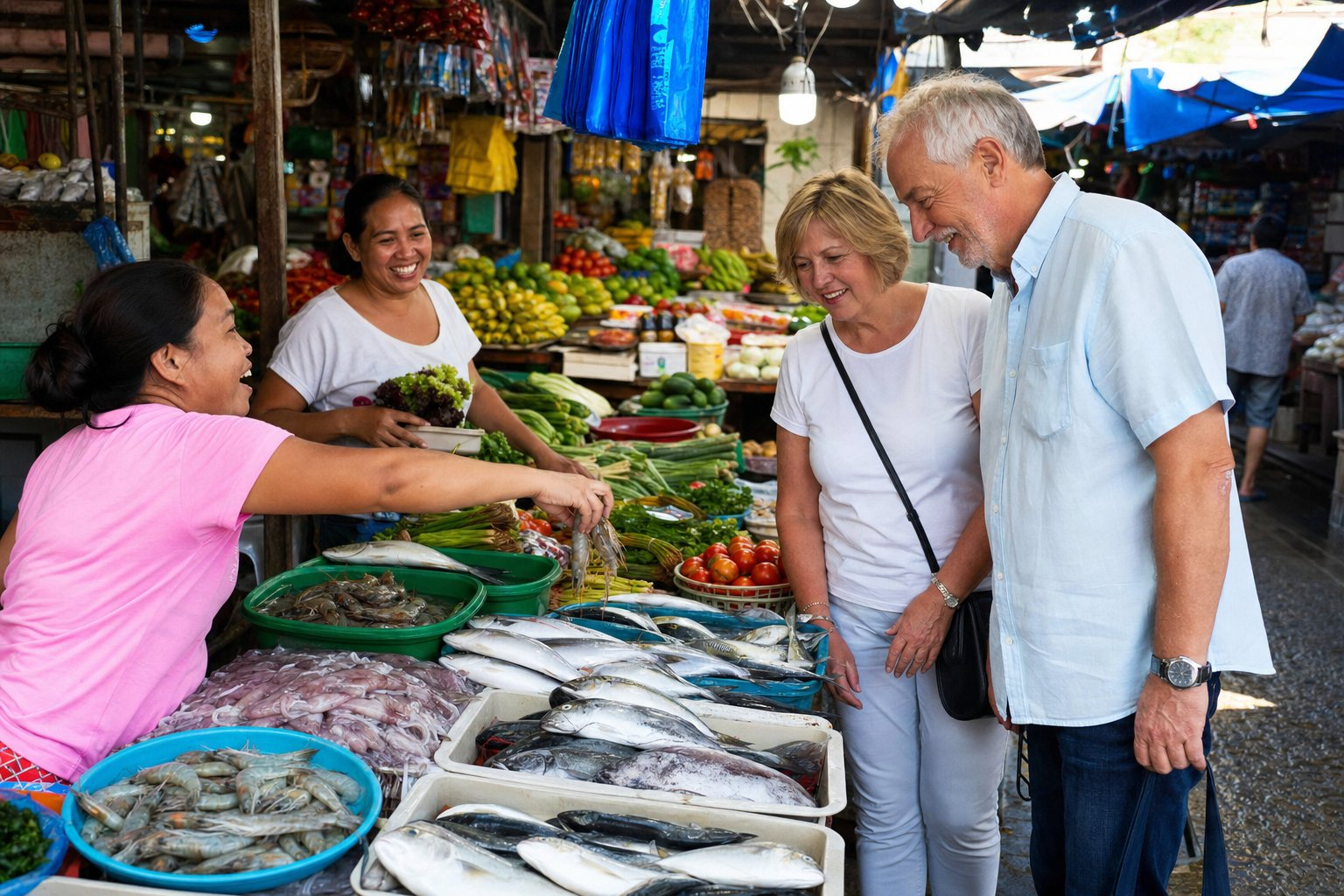
Food is one of the best deals in Cebu. A full meal at a local carinderia (canteen) can cost as little as PHP 80. A nice dinner for two at a mid-range restaurant is around PHP 1,000 to PHP 2,000. Also, fresh fruits, fish, and vegetables are cheap and easy to find at local markets.
The Philippine Retirement Visa (SRRV)
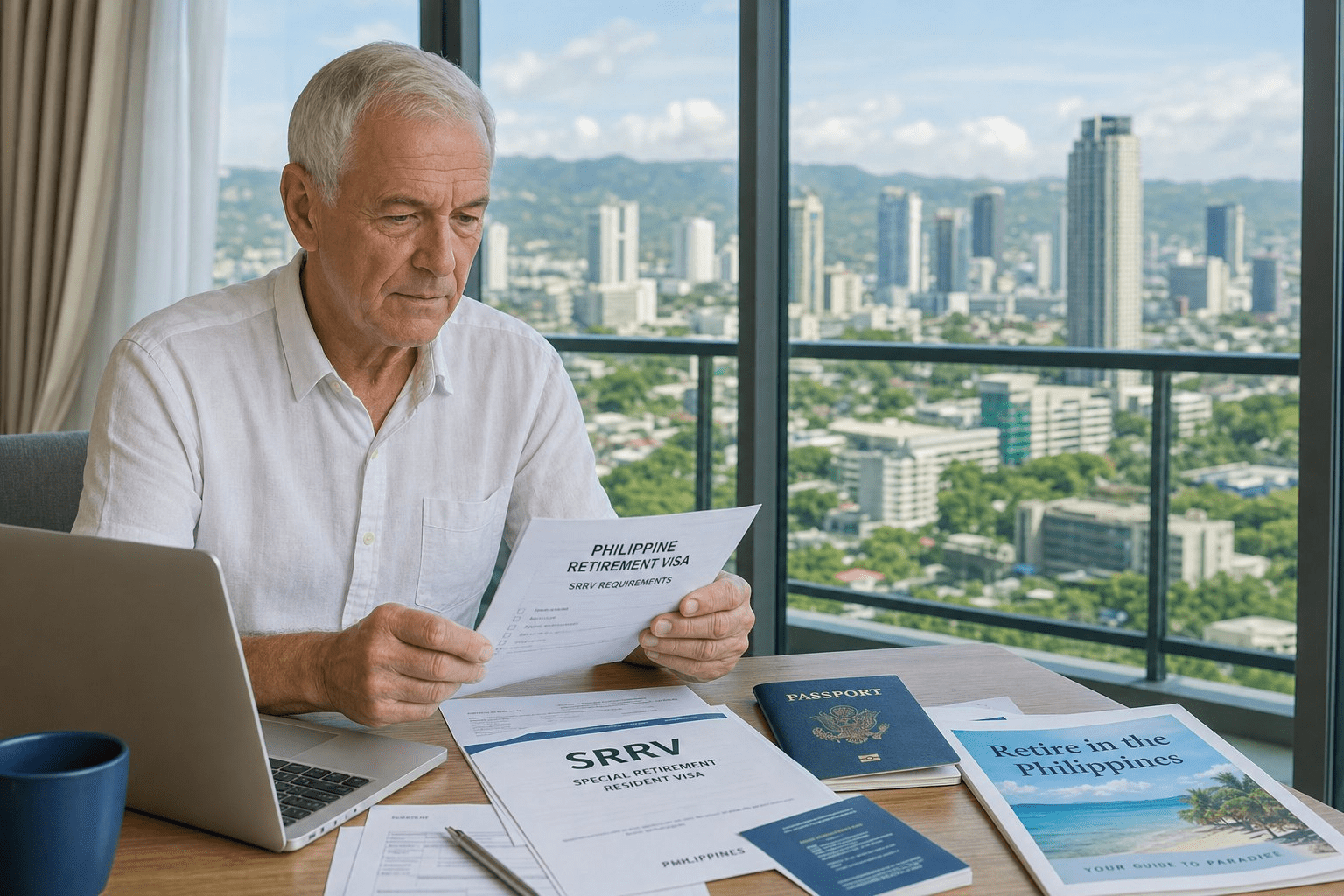
Foreign retirees who want to live in the Philippines long-term can apply for the Special Resident Retiree’s Visa (SRRV). This is issued by the Philippine Retirement Authority (PRA). It gives you the right to live in the country without the need to renew your visa every year.
To qualify, you must be at least 35 years old. However, the most common SRRV type is for those 50 and above. The key requirement is a time deposit with a PRA-accredited bank. The deposit amount varies based on your age and whether you have a pension.
For those aged 50 and above with a monthly pension of at least USD 800, the deposit is USD 10,000. Without a pension, it is USD 20,000. These amounts can be converted to a condo unit or long-term lease once you meet the holding period.
Furthermore, the SRRV comes with useful perks. You get a multiple entry visa, tax-free importation of personal items, and access to PRA-accredited golf courses. The visa is also valid for your spouse and dependent children.
What About Filipino Retirees?
Filipino citizens or former Filipinos do not need a retirement visa. They can simply return and live here. However, OFWs and Balikbayans returning from abroad may want to check their tax status and residency documents before settling in Cebu long-term.
Healthcare in Cebu
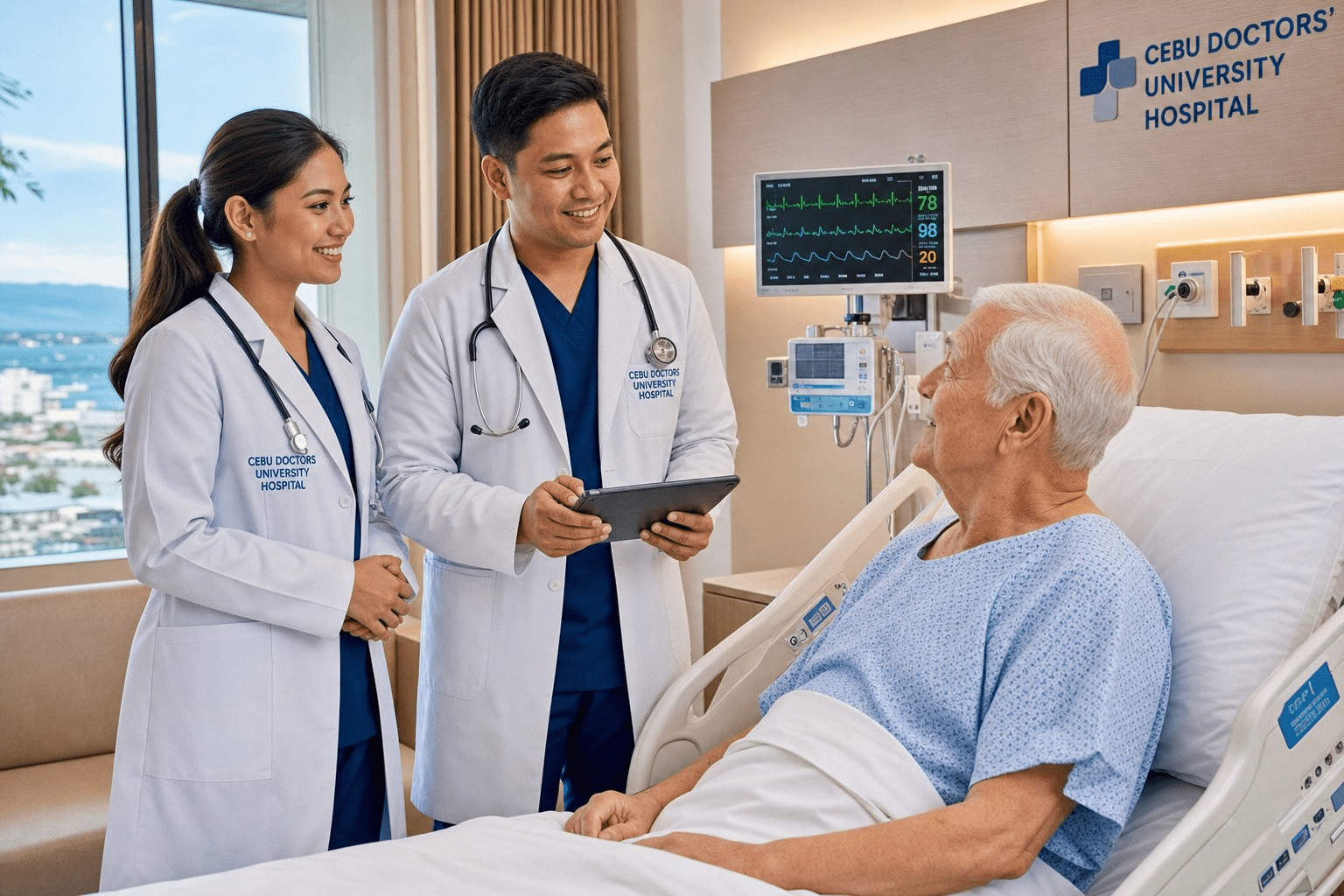
Cebu has good hospitals and medical care at much lower costs than in the West. In fact, many expats say that medical care in Cebu is one of the main reasons they chose to retire here. Doctors are well-trained and most speak English.
Key hospitals in Cebu include Chong Hua Hospital, Cebu Doctors’ University Hospital, Vicente Sotto Memorial Medical Center, and Perpetual Succour Hospital. These are all in or near Cebu City and offer a full range of services.
For routine checkups, a doctor’s visit at a private clinic can cost PHP 500 to PHP 1,500. A simple lab test is often under PHP 1,000. Hospital stays are also much cheaper than in most Western countries, even in private rooms.
It is still wise to get health insurance. PhilHealth is the government plan and is available to SRRV holders. Private insurance from local or international providers is also a smart choice, especially for serious conditions.
Climate and Weather in Cebu
Cebu is warm all year. Temperatures range from 24°C to 34°C. The dry season runs from November to April. The wet season is from May to October. Overall, it rarely gets cold, so you will not need heavy clothing.
Cebu is generally sheltered from strong typhoons by the surrounding islands. However, tropical storms can still bring heavy rain and strong winds. It is best to have a solid home and know your local emergency plan during the wet season.
Housing Options for Retirees in Cebu

Cebu has a wide range of housing options for retirees. You can choose from condos, houses in gated communities, beach-side villas, or quiet hillside homes. Your choice will depend on your budget and lifestyle.
Condos in the city are popular among expats and active retirees. Areas like Cebu IT Park, Cebu Business Park, and Lahug have many well-managed condo buildings. These are close to hospitals, malls, and restaurants.
Beach communities in Mactan are ideal for those who love the sea. Lapu-Lapu City and Mactan Island have resorts, private villas, and condo projects near the beach. Also, the area is close to the airport, which is handy for travel.
Hillside and mountain areas like Busay and Talamban are cooler and quieter. These are great for those who prefer a slower pace and fresh air. However, they are further from the main city, so you will need a car.
Gated subdivisions are a safe and comfortable option throughout Cebu. They offer security, good roads, and a sense of community. Many retirees prefer these for peace of mind.
Safety and Security in Cebu
Cebu is generally safe for retirees. Petty crime like pickpocketing can happen in crowded areas, so normal care is needed. However, violent crime against foreigners is rare. Most expats feel very safe living here day to day.
Traffic is a bigger daily challenge than crime. Cebu’s roads can get very busy, especially in the city center. Therefore, many retirees choose to live near key services to reduce the need to drive during peak hours.
Getting Around Cebu
Cebu has many transport options. Jeepneys and buses are cheap but can be crowded. Grab (ride-hailing app) is popular and easy to use. Taxis are also widely available. For daily comfort, many retirees choose to own or lease a car.
In addition, the Cebu-Cordova Link Expressway (CCLEX) has made travel between Cebu City and Mactan Island much faster. This is a big plus if you live on the island but need to visit city hospitals or malls often.
Social Life and Community
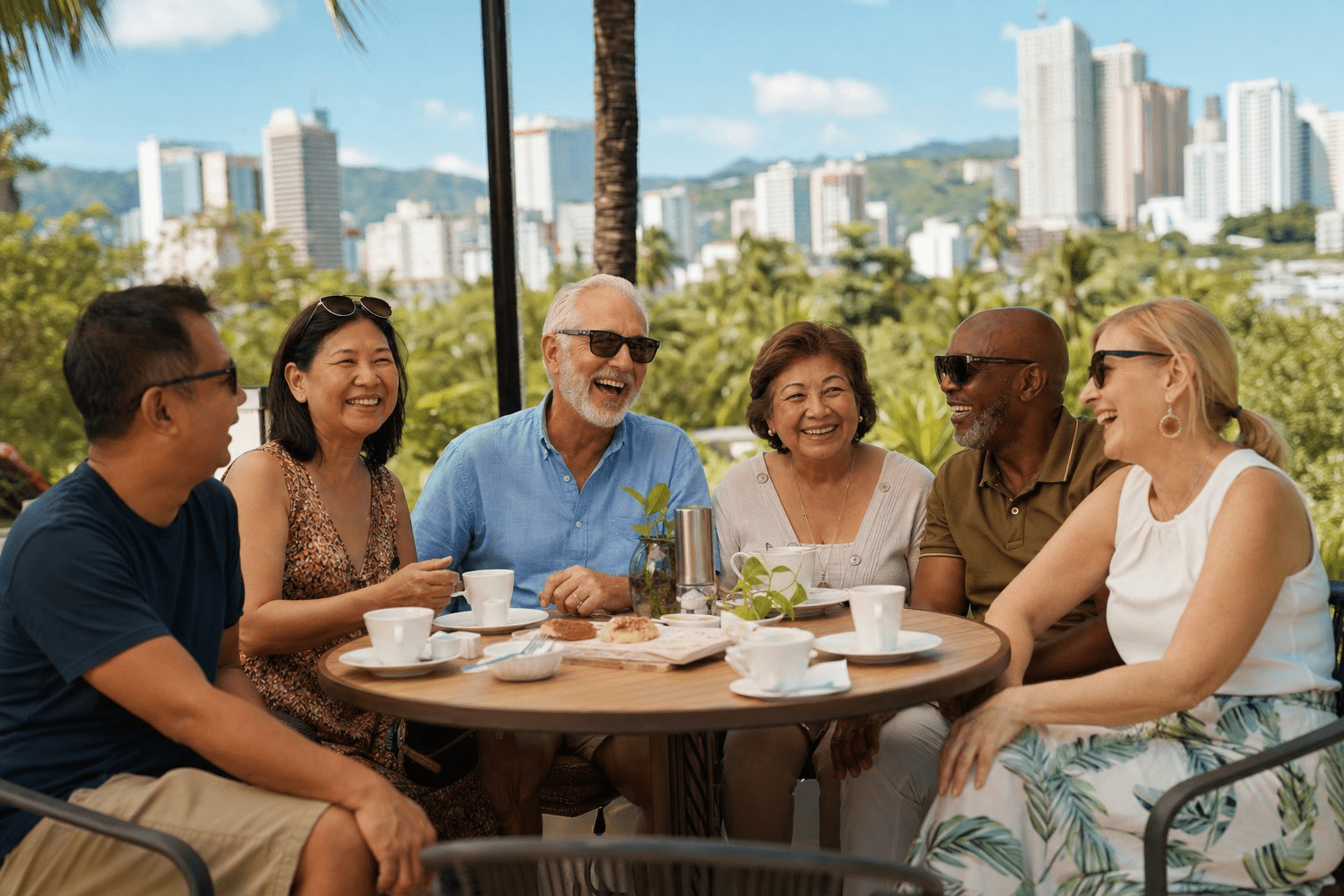
One of the best things about retiring in Cebu is the social life. The city has a large and active expat community. There are clubs, groups, and events for all kinds of interests. Similarly, Filipinos are very warm and social, so making local friends is easy.
English is widely spoken in Cebu, especially in cities. This makes daily tasks like shopping, banking, and seeing a doctor much easier. In fact, most signs and menus are in English, so the language barrier is very low.
Churches, night markets, festivals, and beach trips are all part of life here. The Sinulog Festival in January is one of the biggest in Asia. It is a great way to experience local culture and meet people.
Banking and Money in Cebu
Cebu has all major Philippine banks. BDO, BPI, Metrobank, and Security Bank all have many branches in the city. ATMs are easy to find in malls and on major streets. Also, most banks accept foreign accounts and offer online banking.
SRRV holders can open a Philippine bank account with ease. This is required as part of the visa process. For sending money from abroad, services like Western Union, Wise, and Remitly work well in the Philippines.
Frequently Asked Questions
Can a foreigner retire permanently in the Philippines?
Yes. The SRRV allows foreigners to live in the Philippines long-term without renewing their visa each year. It is one of the most affordable retirement visa programs in Asia. You can apply through the Philippine Retirement Authority.
How much money do I need to retire in Cebu?
A comfortable life in Cebu for a single person can cost PHP 40,000 to PHP 60,000 per month. A couple may spend PHP 60,000 to PHP 80,000. This depends on your housing choice, lifestyle, and health costs. Many retirees find that their pension or savings go much further here than back home.
Is healthcare good in Cebu?
Yes. Cebu has several top hospitals with well-trained doctors who speak English. Costs are much lower than in Western countries. However, for serious or complex conditions, some retirees prefer to travel to Manila or abroad. Getting health insurance before you move is strongly advised.
Can I buy property in the Philippines as a retiree?
Foreigners cannot own land in the Philippines. However, they can own a condo unit as long as foreign ownership in the building does not exceed 40%. They can also lease land for up to 50 years with an option to renew. SRRV holders may also use their time deposit to purchase a condo unit.
Is Cebu safe for expat retirees?
In general, yes. Most expats feel safe in Cebu, especially in residential and commercial areas. As with any city, normal precautions apply — keep your valuables safe and be aware of your surroundings. Living in a gated community or a secure condo adds extra peace of mind.
What is the best area in Cebu to retire?
It depends on your lifestyle. For city conveniences, Cebu IT Park, Lahug, and Banilad are great choices. For beach access, Mactan and Lapu-Lapu City are popular. For peace and quiet, the hillside areas of Busay and Talamban are ideal. The best area is the one that fits your daily needs and budget.