
Cebu for Digital Nomads: Best Areas and Rental Options
Cebu for digital nomads isn’t some passing trend anymore. It’s now a real force that property owners, condo investors, and landlords in Cebu City, Mandaue, Lapu-Lapu, and Mactan Island need to pay attention to. The steady flow of remote workers—both foreign and local—has changed what’s in demand. Neighborhoods have shifted, furnished rentals are pricier, and expectations around internet, lease terms, and lifestyle have all gone up.
If you’re a property owner, this matters quite a bit. The areas that attract digital nomads usually have higher occupancy and better monthly returns—but only if your unit, listing, and terms actually fit what nomads want. For nomads, Cebu is a practical, affordable base with solid infrastructure and easy escapes to beaches or mountains.
This guide breaks down which Cebu neighborhoods see the most nomad rental demand, what types of rentals work best, how pricing looks across zones, and what keeps tenants sticking around. Whether you’re listing a condo near IT Park or thinking about moving to Mactan, these details come straight from what’s happening on the ground in 2026.
Key Takeaways
- IT Park, Cebu Business Park, Lahug, Banilad, and Mactan Island top the list for nomad-driven rental demand, but each has its own vibe, price points, and tenant mix.
- Units that are furnished, have fast internet, flexible leases, and clear listings always do better than unfurnished or poorly marketed ones.
- Cebu’s blend of affordable living, coworking options, and weekend getaways makes it one of the best remote work bases in the Philippines.
Why Certain Cebu Locations Attract Remote Tenants
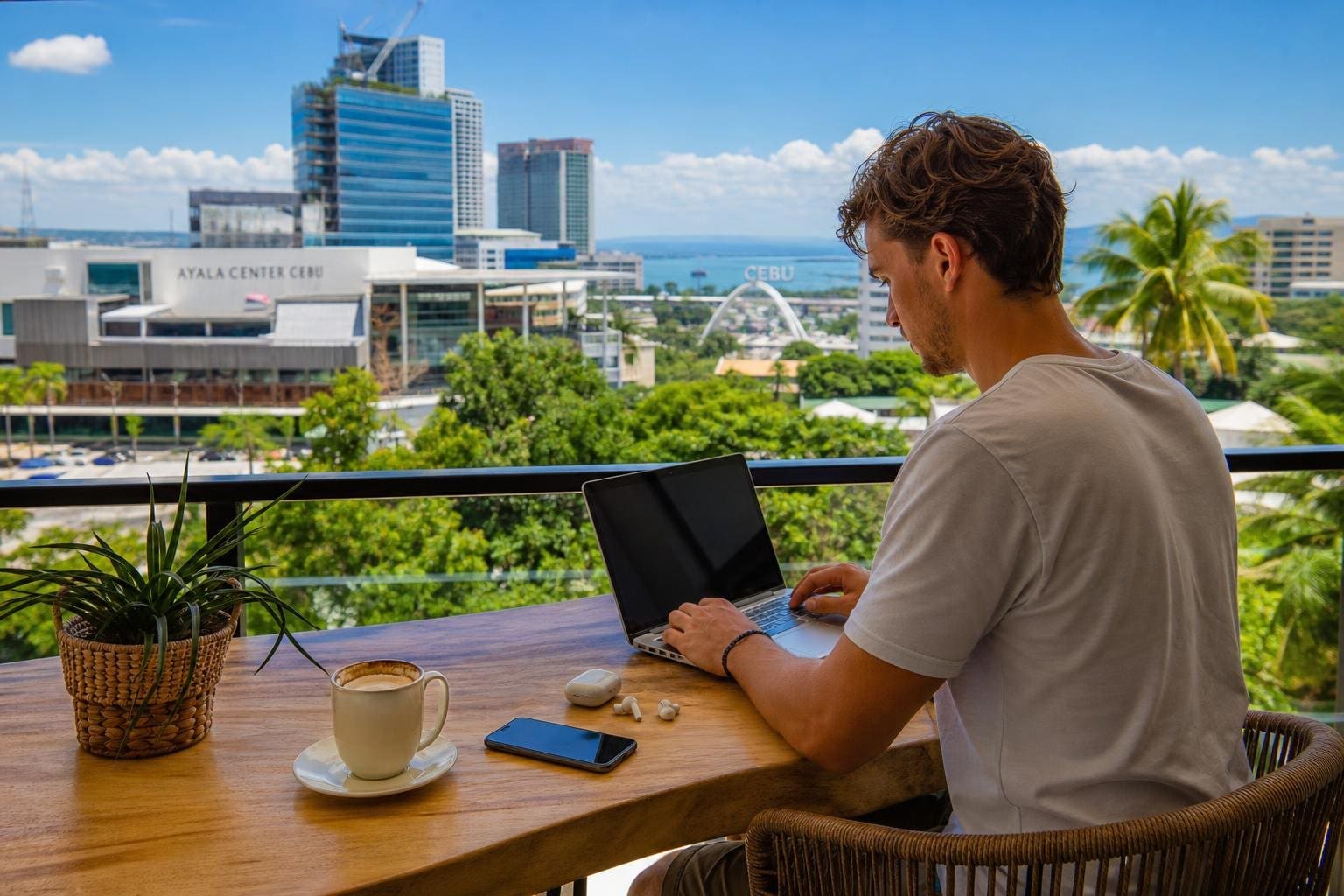
Not every part of Cebu draws the same kind of renter. Digital nomads stick to certain areas for the internet, nearby coworking spaces, walkability, and daily convenience. Knowing what drives demand helps owners market their properties better and set the right expectations.
Demand Drivers That Matter Most to Digital Nomads
Fast, stable internet is the top priority for remote workers. Areas with fiber and speeds above 50 Mbps get the most attention. IT Park and Cebu Business Park are ahead here—most buildings already have fiber lines installed.
Next up: convenience. Nomads want groceries, cafes, gyms, pharmacies, and coworking desks close by or just a short Grab ride away. Networking matters too. Places with active nomad groups, regular meetups, and established coworking spaces keep people coming back.
How Fast Internet, Convenience, and Lifestyle Shape Leasing Demand
Cebu’s tropical weather, cheap eats, and events like the Sinulog Festival add a lifestyle perk most business hubs can’t offer. Nomads take these things into account when picking a city.
Getting around matters as well. Grab is easy to find in Metro Cebu, and jeepneys or habal-habal offer cheap local rides. Neighborhoods with lots of transport options keep tenants happier and less likely to move out quickly.
Why Cebu Competes Well Against Other Philippine Bases
Compared to Manila, Cebu has lower rent, less traffic, and quicker beach access. Against places like Siargao or Palawan, Cebu wins on internet and coworking spaces.
The big BPO workforce in Cebu has pushed internet providers to expand fiber faster than in most other cities. That’s a major plus for owners aiming at remote workers.
Neighborhoods With the Strongest Nomad Rental Appeal
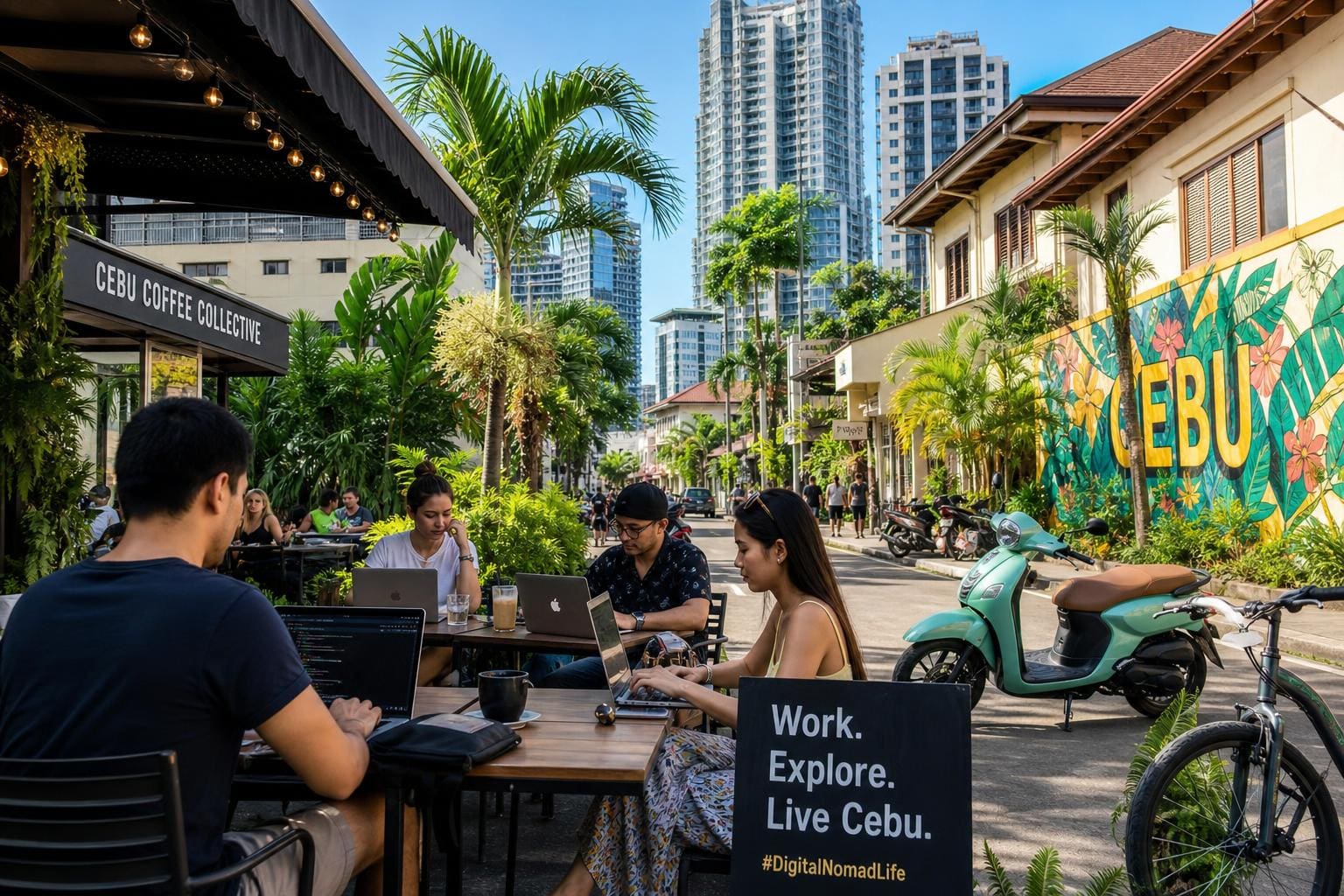
Each Cebu neighborhood has its own mix of price, convenience, and lifestyle. IT Park and Cebu Business Park are king for walkable urban setups. Banilad and Lahug cater to longer stays. Mactan Island and places like Moalboal draw a different crowd—people who want more leisure and a slower pace.
IT Park and Nearby Lahug for Walkable Work-Live Setups
IT Park is where most nomads land first. Thanks to its BPO scene, restaurants, convenience stores, and cafes stay open late. Coworking spaces like The Company Cebu and Aspace Cebu are close by.
Furnished studios and one-bedrooms in IT Park rent for PHP 18,000 to PHP 30,000 per month. Demand is steady, so units don’t sit vacant long if they’re well-furnished and priced right.
Lahug, right next to IT Park, is a bit quieter and more residential. Rents are lower—a furnished one-bedroom goes for PHP 14,000 to PHP 22,000 per month. It’s a good pick for nomads staying three months or longer.
Cebu Business Park for Premium Urban Convenience
Cebu Business Park is for nomads and expats who want a polished, organized environment. Ayala Center Cebu gives you shopping, dining, and services within walking distance. The area feels less crowded, thanks to green spaces and wider roads.
Rents here are a bit higher—usually PHP 20,000 to PHP 35,000 per month for a furnished unit. Tenants often sign longer leases, so owners get steadier income. Buildings like Solinea, Park Point Residences, and 1016 Residences tend to do really well.
Banilad and Other Residential Pockets for Longer Stays
Banilad is a favorite for families, expats, and long-term nomads. It’s close to schools, hospitals like Chong Hua and Perpetual Succour, and some great restaurants. Internet’s decent, though not as fast as IT Park everywhere.
Rents are more affordable. Owners who offer well-furnished units with internet included usually get tenants who stay six months or more. It’s a good spot for investors who want low turnover, not just high nightly rates.
Mactan Island, Lapu-Lapu, and Coastal Areas for Hybrid Leisure Living
Mactan Island is for nomads who want the beach and a resort feel without leaving the metro. Around Lapu-Lapu City, new condos are popping up, and furnished rentals near the coast start at PHP 15,000 to PHP 25,000 per month.
The catch is the commute—getting to Cebu City during rush hour can take 45 minutes or more. So, the ideal tenant here works from home or a local coworking space, not someone who needs to be downtown every day.
Moalboal and Other Lifestyle Bases Outside Metro Cebu
Moalboal, Malapascua, and Bantayan Island draw a smaller, dedicated nomad crowd. These places have stunning nature, low costs, and a close-knit community. Internet can be hit-or-miss, though, and that’s a dealbreaker for some.
For owners in these areas, rentals are more seasonal. Demand jumps from November to April when the weather’s best. Units with fast, reliable internet and quiet work spaces get a clear premium over basic rooms.
Rental Formats, Pricing Logic, and Tenant Expectations
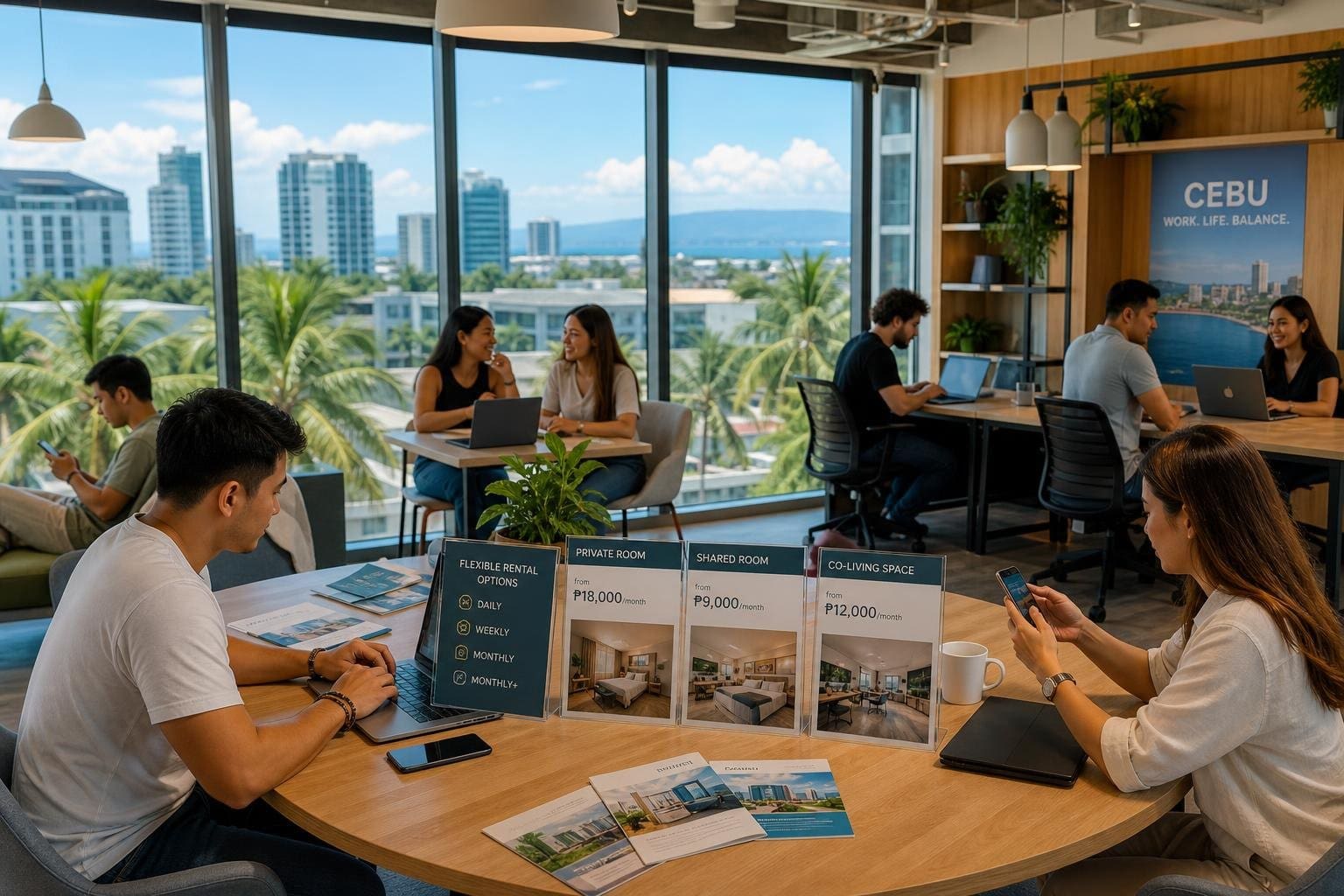
The type of rental matters just as much as the location. Digital nomads pick between furnished condos, serviced apartments, co-living spaces, hostels, and budget rooms based on their budget, how long they’ll stay, and how they like to work. Owners who get these preferences can tailor their listings to attract the right tenants.
Studios, Condos, Houses, and Co-Living Spaces
Furnished condos are still the top pick. Studios and one-bedrooms with a desk, good Wi-Fi, a kitchen, and a washing machine cover most needs. Co-living spaces like Nomads Hub or setups near Murals Hostel and Café are great for those on a budget or looking for community.
Here’s a quick pricing overview:
| Rental Type | Monthly Range (PHP) | Best For |
|---|---|---|
| Furnished condo (studio/1BR) | 15,000 – 35,000 | Solo nomads, couples |
| Serviced apartment | 30,000 – 60,000 | Short stays, minimal setup |
| Co-living / shared housing | 7,000 – 14,000 | Budget nomads, community seekers |
| Budget room / boarding house | 4,000 – 8,000 | Ultra-budget, short trial stays |
| House rental (furnished) | 20,000 – 45,000 | Families, small teams |
Short-Term Rentals Versus Longer Lease Commitments
Short-term rentals (one to three months) get higher monthly rates, but there’s more turnover and work for the owner—think cleaning and lots of messaging. Longer leases of six to twelve months bring lower rates, but income is steadier and vacancies are rare.
Most nomads start with a one-month booking on Airbnb or Facebook Marketplace. If they like the place, they’ll often negotiate a direct lease for longer. Owners who offer even a small discount for three- or six-month terms tend to fill their units faster.
What Furnished Units Need to Stay Competitive
A bed and a fridge just don’t cut it anymore. If you want your furnished unit to stand out in 2026, you’ll need a real desk and chair, high-speed internet (think at least 50 Mbps), blackout curtains, and basic kitchen stuff. Air conditioning? That’s non-negotiable these days.
Most nomads check the internet speed before they even think about signing. If your listing skips the speed or provider, don’t be surprised if people scroll right past. Owners who add a recent speed test screenshot to their listing usually get more messages—simple as that.
How Owners Can Position Listings for Better Occupancy
Be clear and upfront in your listings. Share the exact internet speed, how far it is to the nearest coworking space, and what lease terms you offer. It makes life easier for everyone. Good photos of the workspace inside the unit go a long way, too.
Teaming up with a local brokerage like Cebu Grand Realty opens doors to verified platforms and a bigger tenant pool, which is especially helpful for units in IT Park, Cebu Business Park, and Mactan. Agents who know what nomads want can help you set fair rates and lease terms so your place doesn’t sit empty.
Work-Life Practicalities That Influence Stay Duration
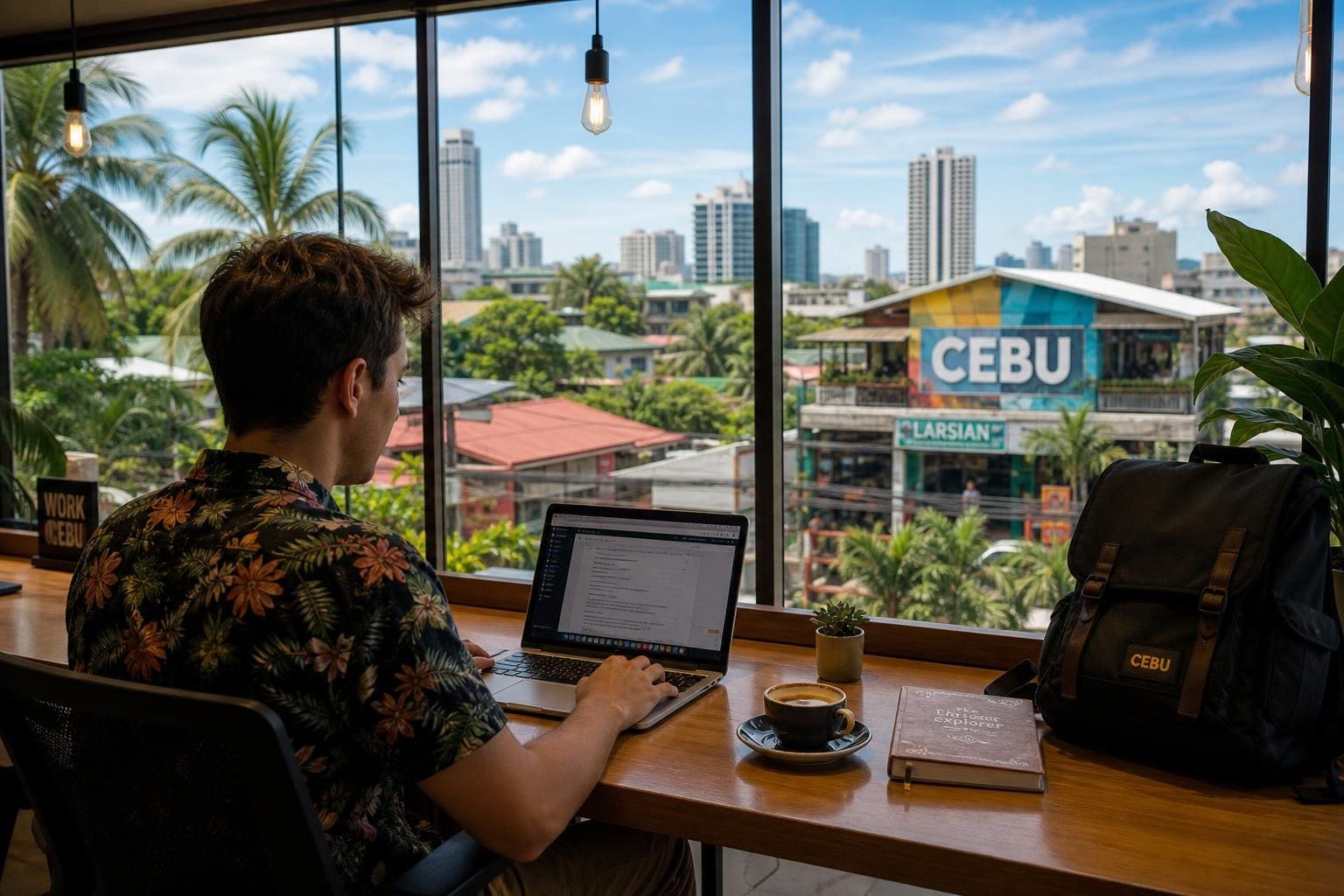
Nomads stick around when daily life runs smoothly, work gets done easily, and the lifestyle feels good. The neighborhoods that keep tenants the longest are the ones where coworking, errands, transport, and fun all just work—no constant headaches.
Coworking, Cafes, and Daily Productivity Basics
Cebu’s coworking scene is solid for remote work. The Company Cebu in IT Park and Cebu Business Park gives you premium desks, meeting rooms, and fast internet. Aspace Cebu is great if you want flexible day passes or monthly memberships.
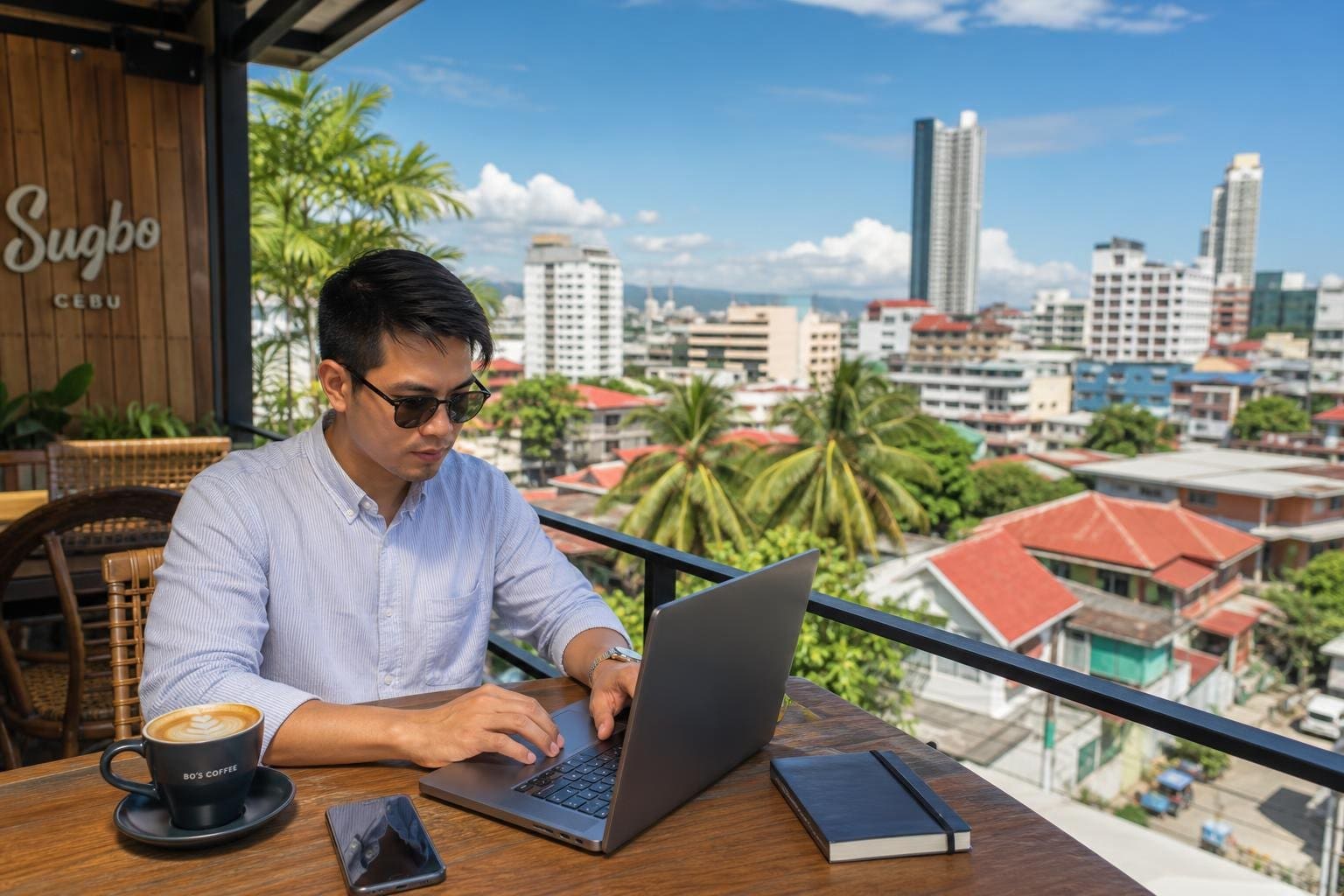
For a more relaxed vibe, Bo’s Coffee and a bunch of indie cafes in Lahug and Banilad have free Wi-Fi and outlets. Many nomads mix it up—working from home some days, then heading to a coworking space or café a few times a week to stay sharp.
Getting Around, Running Errands, and Settling In
Daily errands are pretty easy in most Metro Cebu areas. Groceries, pharmacies, banks, and laundry spots are nearby in all the main neighborhoods. Grab works well for getting around point-to-point, and jeepneys cover most routes for under PHP 15 a ride.
If you’re staying longer, renting a scooter (usually PHP 3,000 to PHP 5,000 per month) gives you more freedom, especially in places like Banilad, Talamban, and Mactan where walking everywhere isn’t realistic.
Best Time to Visit and Seasonal Demand Patterns
If you want nice weather, visit Cebu from November to May—rain is rare then. That’s also when most nomads show up, especially from January to April.
Owners see occupancy peak during dry season. Raising rates a bit from December through March and offering discounts in the rainy months (June to October) helps even out your income. The Sinulog Festival in January always brings a short-term rental rush, too.
Weekend Escapes and Lifestyle Perks That Improve Retention
Cebu’s lifestyle is a huge draw. Island hopping, Kawasan Falls, diving in Moalboal, or beach days on Mactan and Bantayan are all doable on weekends. Malapascua isn’t far either—just a bus and a boat away.
Nomads who actually get out and explore Cebu tend to stick around longer. If your property’s near a ferry terminal or bus stop, that’s a quiet plus. And don’t underestimate the power of local Facebook groups like “Digital Nomads Cebu”—they help people make friends and feel at home, which means they’re less likely to leave.
Frequently Asked Questions
Which Cebu City neighborhood is best for fast, reliable internet and walkable daily essentials?
IT Park is your best bet for both fast internet and walkability. Most condos there have fiber internet over 50 Mbps, and you’re close to restaurants, cafes, shops, and coworking spaces. Cebu Business Park is a close second, with steady internet and direct access to Ayala Center Cebu for anything you need.
How much should I budget per month for rent, food, utilities, transport, and coworking in Cebu?
Expect to spend between PHP 35,000 and PHP 70,000 a month for a comfortable life in Cebu. That covers a furnished condo (PHP 15,000 to PHP 30,000), food (PHP 8,000 to PHP 15,000), utilities (PHP 2,000 to PHP 5,000), transport (PHP 2,000 to PHP 5,000), and coworking if you want it (PHP 3,000 to PHP 8,000). Cooking at home and signing a longer lease are the easiest ways to save.
What are the main trade-offs between staying in IT Park, Cebu Business Park, Lahug/Banilad, Mactan, and Talamban?
IT Park is lively and walkable but can get noisy. Cebu Business Park is quieter and more upscale, though a bit pricier. Lahug and Banilad are calmer and more affordable, but you’ll need transport to reach coworking spots. Mactan has beaches, but the commute’s longer. Talamban is cheapest but has fewer coworking options nearby.
What rental types are most practical for remote workers (furnished condos, serviced apartments, coliving, or budget rooms)?
For stays of a month or more, furnished condos are usually best—private, with a good work setup, and reasonable rates. Serviced apartments are nice for short stays if you want everything handled for you. Coliving is good for those on a budget who want community. Budget rooms only make sense if you can verify the internet is solid before moving in.
Where are the most reliable places to find short-stay and long-term rentals, and what should I verify before signing?
For short stays, Airbnb and Facebook Marketplace are the go-to options. For longer leases, check Property24, Lamudi, or local agents like Cebu Grand Realty for listings you might not see elsewhere. Before signing, always check the internet speed, ask about extra utility charges, confirm the lease terms and deposit, and inspect the place in person if you can.
What coworking spaces and work-friendly cafes are best for consistent Wi-Fi, power outlets, and a productive setup?
The Company Cebu and Aspace Cebu are two of the top coworking spots, both sitting close to IT Park. You’ll find fast internet, meeting rooms, and flexible memberships at both places—pretty much everything you need to get things done. If you’re after something more relaxed, Bo’s Coffee has branches all over Cebu City with free Wi-Fi and plenty of seats. Some smaller cafes along the Banilad strip and in Lahug are also favorites for remote workers. They’re quieter, usually have strong connections, and just feel good for settling in with your laptop.