

North or South of Cebu City: Which Lifestyle Fits Your Family?
Picking where to raise your kids in Cebu usually boils down to one big question: north or south of the city? These days, both areas have become real family corridors, not just weekend escapes. You’ll find more space, a slower pace, and a welcome break from city-center traffic in both directions.
This guide isn’t for tourists—it’s for people who are actually trying to decide where their family should live. Maybe you’re Cebu-based and weighing your next move, maybe you’re an OFW coming home, or maybe you’re a first-time buyer eyeing subdivisions. It’s less about which side is “better” and more about your daily commute, budget, and what really shapes your weekly routine.
North Cebu and South Cebu attract families for different reasons. The north often gives you more house-and-lot space for your money. The south is usually closer to the city, airport, and job hubs. Of course, there are exceptions, so it’s worth digging into the details before you decide.
Key Takeaways
- Your daily commute and work location usually matter more than the general reputation of either side.
- Housing budgets stretch further outside Cebu City, but property type and distance still shape the final price.
- Planned road projects may improve travel between the two sides over time, though most benefits are still years away.
A Side-by-Side Family Lifestyle Snapshot
North Cebu and South Cebu are both just a short drive from Cebu City, but day-to-day life can feel pretty different once you’re settled in. Talisay, for example, is almost an extension of the city, while the farther north and south towns have their own pace when it comes to housing, traffic, and weekend routines.

Here’s a quick comparison to set the stage:
| Factor | North Cebu | South Cebu |
|---|---|---|
| Typical housing type | House-and-lot subdivisions | House-and-lot and coastal condos |
| Distance to Cebu City | Moderate, grows longer past Consolacion | Short, especially from Talisay |
| Pace of daily life | Quieter, suburban | Mixed, closer to city energy |
| Weekend access | Beaches in Liloan, Danao area | SRP, Mactan, city malls |
| Commute reliability | Can slow near Mandaue at peak hours | Generally steadier via Coastal Road |
North Cebu tends to attract families looking for more space and quieter streets. South Cebu is popular with those who need to stay close to work, schools, or the airport. Let’s dig into what it’s really like to live on each side.
Living North of Cebu City: Space, Subdivisions, and Growth
North Cebu covers areas like Mandaue, Consolacion, Liloan, Danao, and farther out, Bogo City and Daanbantayan. The towns closer in work for a daily commute. The farther ones? They’re honestly better for second homes or retirement than for weekday family life.

Developers have really focused on this area. Camella Communities, for example, has several projects along the corridor, including Camella Bogo, which brings its signature Spanish-Mediterranean style and starter-home packages to folks craving rustic living outside the city’s hustle.
What stands out up north?
- More land per peso. House-and-lot options usually mean a bigger yard and more room to grow, compared to what you’d get for the same budget closer to downtown.
- Distance matters more than direction. Consolacion and Liloan are close enough for a reasonable commute. Bogo City and Daanbantayan? You’re looking at two hours or more—a stretch for daily school runs.
- Beach access is a nice plus, but not for every day. The white-sand beaches near Daanbantayan are great, but let’s be honest—they’re a weekend treat, not part of your daily grind.
If you want a quieter street, a bigger lot, and a slower pace, north Cebu might just fit—just be sure to try the commute during rush hour before you commit.
Living South of Cebu City: Coastal Access and Urban Connectivity
South Cebu runs through Talisay, Minglanilla, Naga, and down to Carcar City. Generally, this side sits closer to Cebu City, and the South Coastal Highway makes travel smoother than most inland routes.
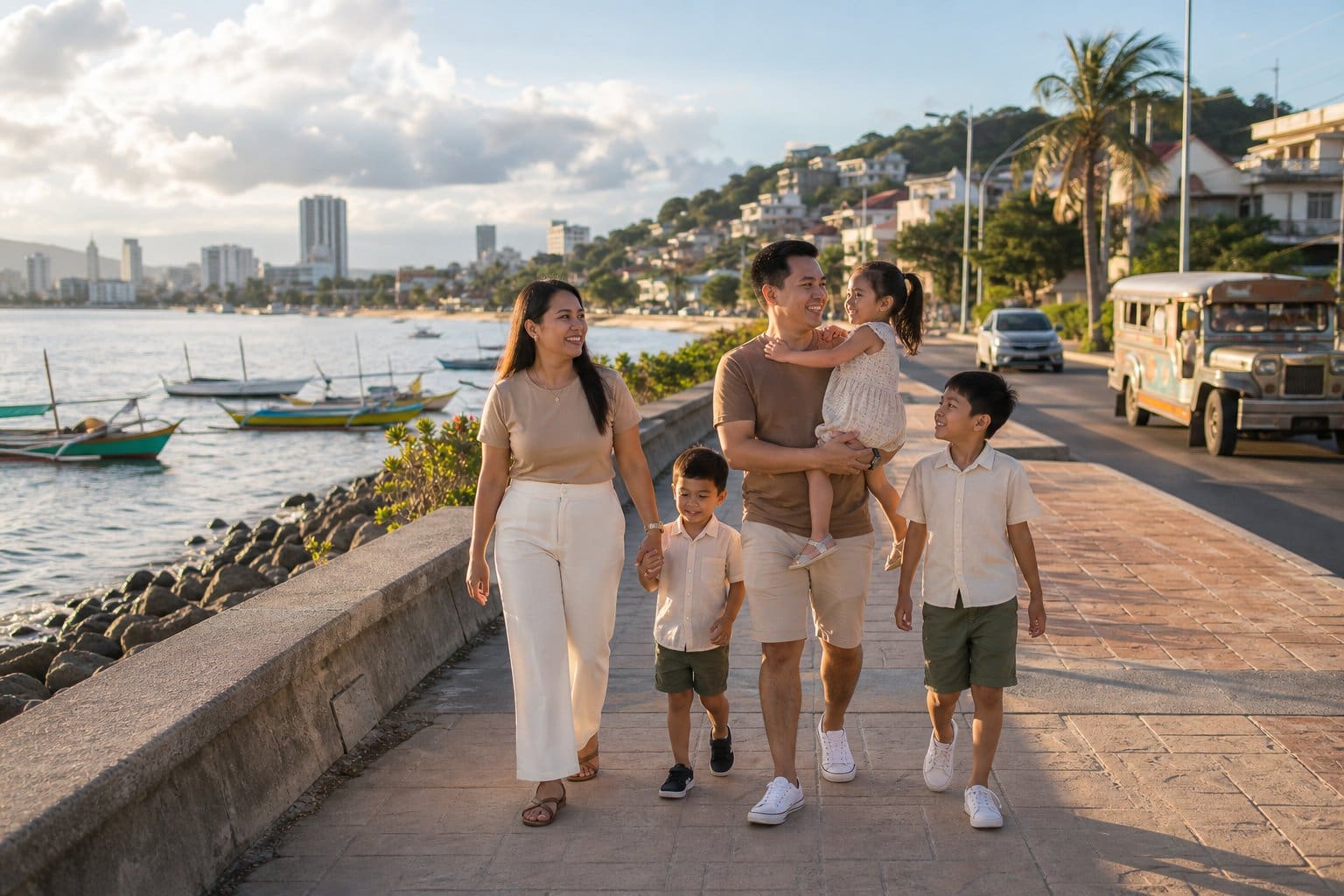
The South Road Project (SRP) really changed things here. It brought SM Seaside, new commercial spaces, and a direct link to Mactan and the airport—super handy if you have family members who travel a lot for work.
Talisay almost blends into the city, offering a sweet spot for buyers who want suburban space but can’t handle a long drive. Carcar City is farther out, with more heritage vibes and a slower pace—kind of like the far north, where you trade commute time for lifestyle and lower costs.
There’s been plenty of development here too. Camella Carcar has Spanish-inspired homes near the river, and places like Riverdale attract buyers who want a quieter feel but still need city access.
Some quick notes for south-side buyers:
- Talisay and Minglanilla are best for daily commuters. They’re close enough that Cebu City jobs and schools are still within reach.
- Carcar City is for a different lifestyle. It’s more about affordability and heritage charm than quick commutes.
- SRP access is a big plus. Fast routes to Mactan and the airport are a real win for families who travel often.
Daily Access to Work, Schools, Healthcare, and Transport
Family routines matter more than scenery. Where you settle—north or south—should fit your real weekday needs, from school drop-offs to hospital visits to your daily commute.

If you work in Cebu IT Park or around Talamban, commuting from Mandaue or Consolacion (north) can be pretty manageable, but it gets long from Liloan or Danao, especially during rush hour. From the south, Talisay usually offers a steadier ride since the Coastal Road skips some of the worst bottlenecks.
For families with ties to Mactan Island—maybe you work in Lapu-Lapu City or fly out of Mactan-Cebu International a lot—the south is usually more convenient. The bridges from Mactan connect more easily to southern routes than to the far north.
Healthcare has gotten better on both sides, but the main hospitals are still clustered near Cebu City and Mandaue. If you need regular specialist care, think twice before moving too far out in either direction.
Here’s what actually helps when scoping out a new place:
- Drive your commute at the exact time you’d do it for work or school—not just on a quiet Sunday.
- Check how close schools, clinics, and hospitals are to any property you’re considering.
- Ask people already living there about their daily commute. Real stories beat guesses.
No glossy brochure can replace a real-world test drive during rush hour.
Housing Costs, Property Choices, and Buying With Confidence
Housing prices shift more with distance from Cebu City than with north or south alone. Subdivisions like Camella Montserrat are within reach for many, while newer places like Vittoria offer higher-end options for families wanting extra amenities.
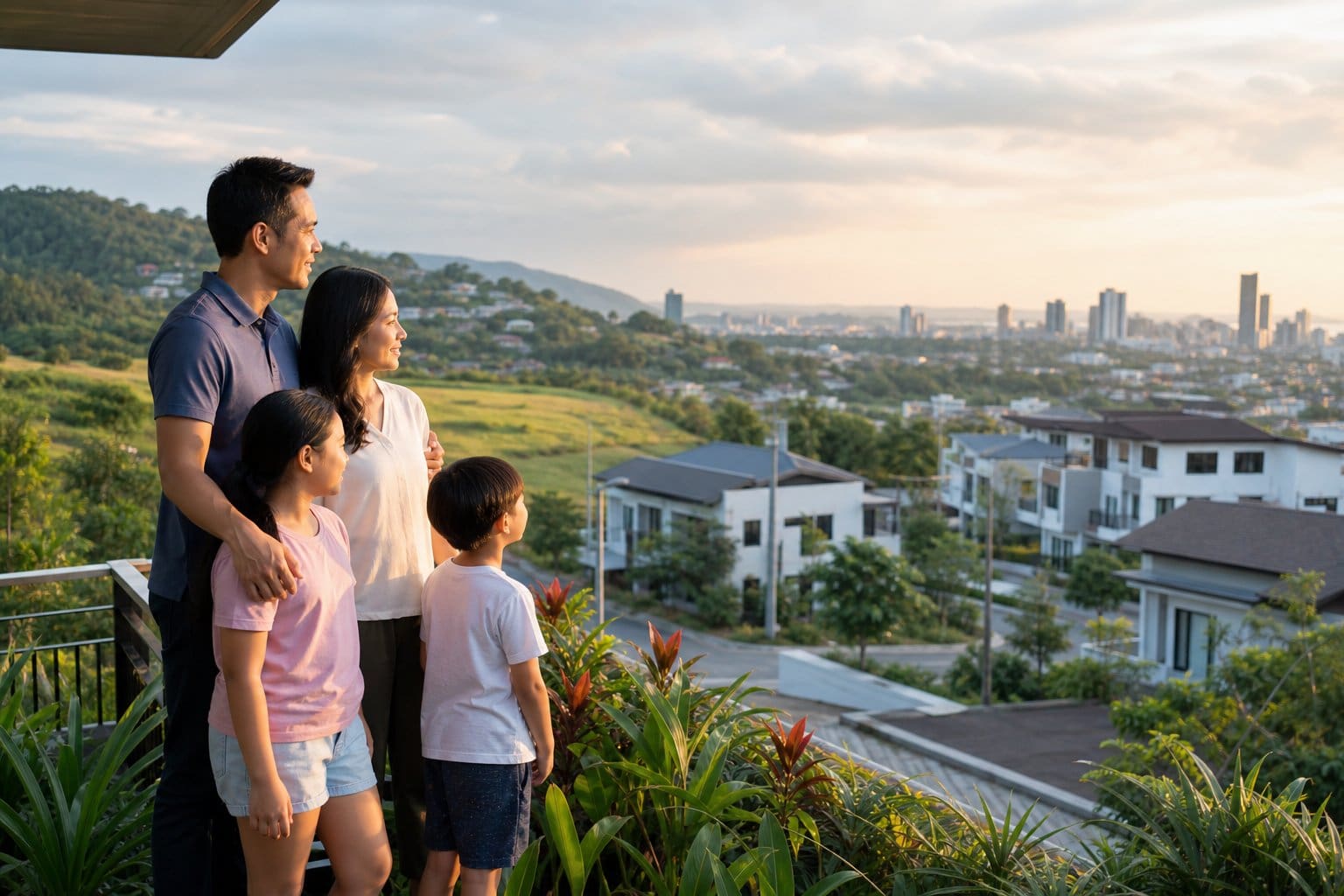
Both north and south are still more affordable than Cebu City’s prime spots. That’s a big reason so many families look outside the city in the first place.
Keep these in mind before you buy:
- Property type changes the math. A house-and-lot in a subdivision will be priced differently than a coastal condo, even in the same area.
- Financing needs planning. Whether you’re using a bank loan or Pag-IBIG, get pre-approved early so you’re not stuck scrambling when you find the right place.
- Title due diligence is non-negotiable. Always double-check the title, tax records, and developer license—especially for pre-selling projects.
- Buying from abroad adds extra steps. OFWs do best working with a licensed broker who knows the market and can verify listings and prices, not just what’s posted online.
Local brokerages like Cebu Grand Realty can be a big help at this stage. Their agents know the subdivisions well enough to spot overpriced units or flag title issues—insider knowledge that’s worth a lot when you’re ready to make an offer.
Future Infrastructure, Weekend Lifestyle, and the Final Choice
Long-term value on either side depends a lot on how quickly road infrastructure catches up with all the growth. The planned Metro Cebu Expressway is supposed to connect Naga in the south to Danao up north, but at the moment, only a short stretch near Naga actually exists. That missing link matters—what’s on paper doesn’t make today’s commute any easier.

Weekend life changes a lot once you get past the edge of the suburbs. Head north, and you’re closer to Bantayan Island, Malapascua, and the Camotes, usually through ports like Hagnaya or Maya. But let’s be honest—these trips are a commitment. Expect three to four hours on the road, plus a ferry, so it’s more for the occasional escape than a quick weekend dash.
The south is a different story. You’ve got Moalboal, Oslob, Badian, and Carcar within reach. Whale shark watching in Oslob, canyoneering at Kawasan Falls, or snorkeling around Pescador Island and Panagsama Beach are all doable in about three to four hours by car. If your family’s into adventure—sardine runs, sea turtles, or thresher sharks near Monad or Kimud Shoal—the south’s got plenty to offer, especially for teens or older kids.
Still, picking a side just for weekend fun isn’t the way to go. A beach town two hours away is great, but it doesn’t solve the daily grind.
So, how do you decide? Try scoring these five things from one to five, based on what matters most right now:
- Commute reliability for work and school
- How much space you need and what you can afford
- Access to healthcare and daily errands
- Your family’s travel and weekend habits
- How you feel about current infrastructure gaps
Add up your scores. Whichever side comes out higher probably fits your family better at the moment. But hey, life changes—so maybe check in with yourself again in a year or two.
Frequently Asked Questions

Which area offers a better family lifestyle: north or south of Cebu City?
There’s no one-size-fits-all answer here. The north usually means a bit more space and a slower pace, while the south sits closer to Cebu City and the airport. It really comes down to your commute, your budget, and how your family spends its time.
Is it more affordable to buy a house and lot in northern or southern Cebu?
Honestly, prices are pretty similar for house-and-lot options—usually somewhere between four and thirteen million pesos, depending on the subdivision. Coastal condos in the south can get pricier per square meter. More than anything, distance from Cebu City seems to affect price, not just whether you’re north or south.
How do commute times and traffic compare between the north and south of Cebu City?
The south, especially via Talisay and the Coastal Road, often means a more predictable commute into the city. The north can get bogged down near Mandaue during peak hours. Best advice? Try the route yourself at rush hour before you commit.
Which side has better access to schools, malls, hospitals, and daily amenities?
Both sides have really stepped up in recent years. The north’s got more going on in Liloan and Consolacion, while the south benefits from SRP growth and being closer to Cebu City hospitals. If you need frequent specialist care, you might want to be nearer to Mandaue or the city center.
Should OFW families choose northern or southern Cebu when buying a home from abroad?
Either side can work, depending on what your family needs and how strong the rental demand is. It’s smart to work with a licensed local broker—they’ll help you check prices, verify the title, and make sure the property fits your actual routine. Agencies like Cebu Grand Realty can even help arrange remote viewings and handle the paperwork.
How could future infrastructure projects affect property values and travel between the north and south?
The planned Metro Cebu Expressway might eventually make travel between the two corridors a lot quicker, but honestly, only a small stretch near Naga is done for now. Property values close to confirmed routes could see some interest over time. Still, if you’re thinking of buying, it’s probably smarter to see this as a long-term thing—not something that’ll pay off right away.