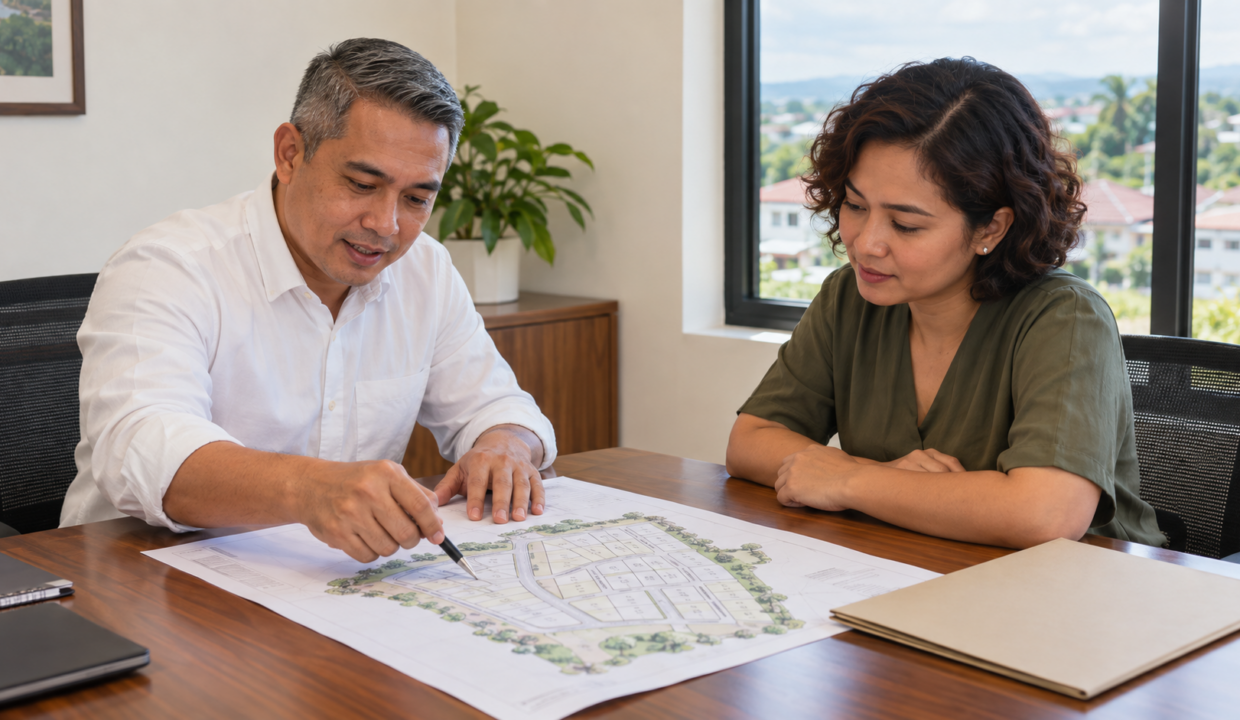

How Developer Reputation Influences Property Value
When you buy a home, you buy the developer’s promise too. Their name shapes what your property is worth today, and years from now. A strong developer reputation can lift value, speed up resale, and draw better tenants. A weak one can do the opposite.
This is easy to miss when you fall for a nice model unit or a low pre-selling price. But the track record behind the project matters just as much as the floor plan. This guide shows how a developer’s reputation moves value, and how to check it before you sign. If you are still weighing options, our guide on how to choose a credible developer pairs well with this one.
Key Takeaways
- A trusted developer commands a price premium and holds value better over time.
- Delays, defects, and poor upkeep from a weak developer can erase your gains.
- Check the License to Sell, the turnover record, and past projects before you buy.
Why the Developer Behind a Property Matters

A property is not just walls and a lot. It is a long relationship with the company that built it. That company sets the build quality, delivers on time or not, and keeps the shared spaces alive after turnover. All of that feeds into value.
Buyers know this, even if they cannot name it. They pay more for a name they trust, and they hesitate over one they do not. So the developer’s reputation is priced into your home from day one. It is a key part of long-term investment returns.
How a Strong Developer Reputation Raises Value

A good reputation works in your favor in several clear ways. Each one supports your price over time.
Buyer confidence and a price premium
Trusted developers attract more buyers, and more buyers lift the price. People pay extra for the comfort of a proven name. That premium follows the property to resale, since the next buyer feels safe too. You can see this when you compare new launches and resale units.
Build quality that lasts
A strong developer uses better materials and follows the building code closely. The home ages well, with fewer repairs. Poor workmanship does the opposite. It leads to cracks, leaks, and steady costs that drag the resale price down. Quality is quiet, but it shows up in value.
On-time turnover
Reliable developers hand over units close to the promised date. That lets you move in, rent out, or resell on schedule. A delay does the reverse. It ties up your money, adds rent or storage costs, and shakes buyer trust. Our reservation-to-turnover timeline shows what a smooth handover looks like.
Well-managed communities
Value does not stop at your door. Clean hallways, working amenities, good security, and steady upkeep keep the whole project desirable. A developer with strong property management protects that. Neglected common areas, on the other hand, pull every unit down with them.
Easier resale and stronger rental demand
When you sell, a known developer’s name is a selling point on its own. Buyers search for it, and units move faster. The same is true for rent. Tenants trust a well-run building, so you fill vacancies sooner and hold better rates. This matters most for the best condos in Cebu, where competition is high.
How a Weak Developer Drags Value Down
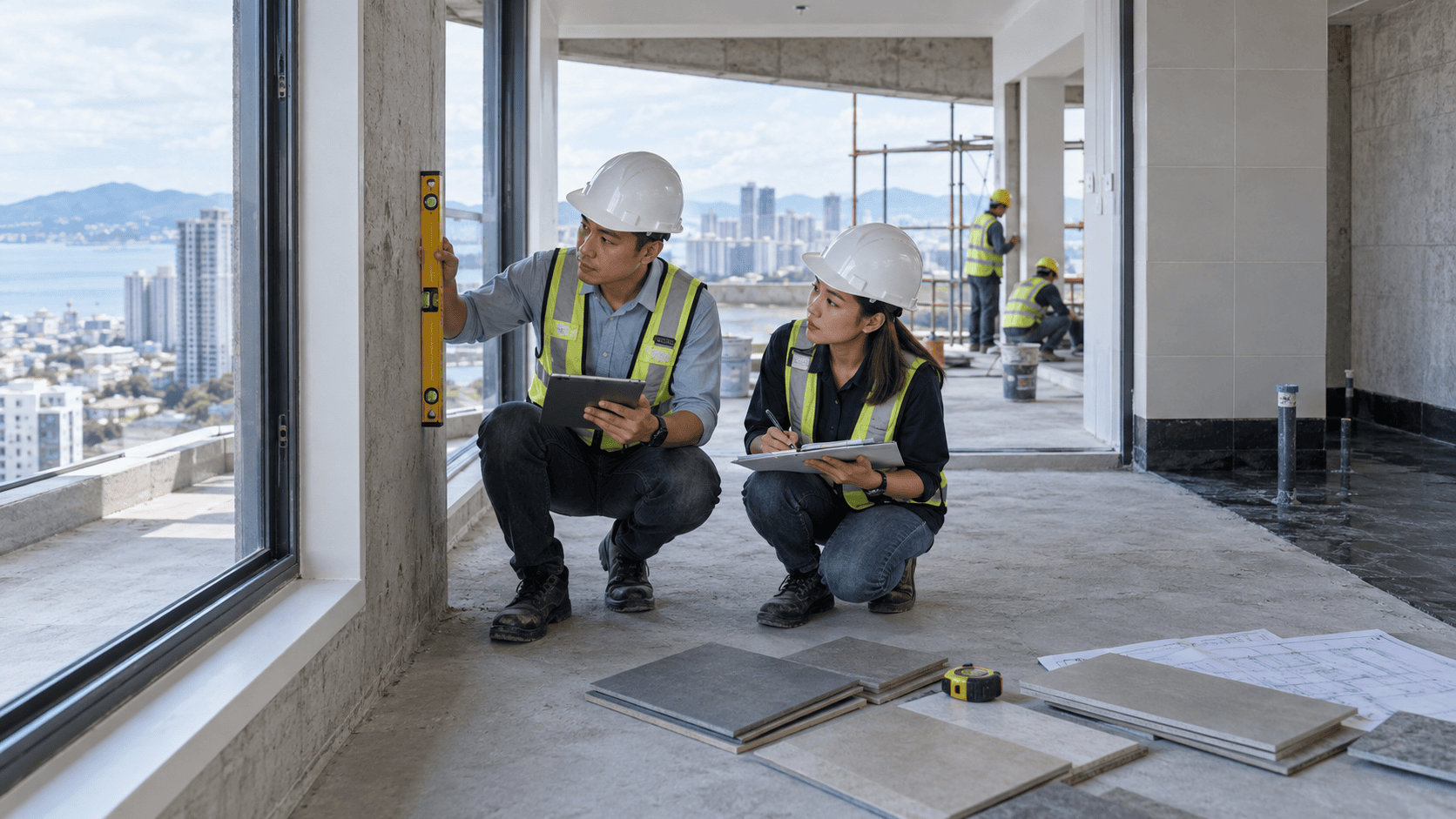
The risks of an unproven developer are just as real. They can turn a good price into a costly mistake:
- Long delays, or a project that stalls and never finishes.
- Construction defects that cost you in repairs for years.
- Slow or absent after-sales support and maintenance.
- Poorly run common areas that make the whole property less appealing.
- Legal or title problems that scare off future buyers.
Any one of these can wipe out your gains. Two or more can trap your money in a home you cannot sell at a fair price. These are among the mistakes new investors make, and they are easy to avoid with a few checks. Extra care also helps you dodge fake listings and scams.
How to Check a Developer’s Reputation Before You Buy

Good news: a few simple checks tell you most of what you need to know. Do them before you pay anything.
Verify the License to Sell
Any pre-selling condo or subdivision must hold a License to Sell from the Department of Human Settlements and Urban Development. Ask for the number and confirm it on the DHSUD list of licensed projects. A project without one cannot legally take your money yet. For agent credentials, our guide on PRC and DHSUD credentials helps.
Look at completed projects and the turnover record
A track record is the best proof. Visit older projects from the same developer. See how they aged, and how well they are kept. Ask when each was turned over, and whether it was on time. Happy, long-term residents are a strong sign. This matters whether you choose pre-selling or ready-for-occupancy units.
Check financial stability and recognition
A stable developer can finish what it starts, even in a slow market. Publicly listed firms, or ones with a long, steady history, are safer bets. Industry awards and clean reviews add weight, too. Weigh this against the wider picture in our 2026 Cebu market report.
Visit the site and talk to residents
See the actual site, not just a brochure. Walk the grounds, check the finishes, and ask current owners how the developer handles repairs. Real feedback beats any sales pitch. If you are buying a condo in Cebu, this step is worth the trip.
Confirm a clean title and get expert help
Make sure the developer holds a clean title to the land. Learn the difference between an annotated title and a clean title, which our guide to property titles explains. A licensed broker can run these checks for you, which is part of what professional brokerage really means.
Developer Reputation and the Cebu Market
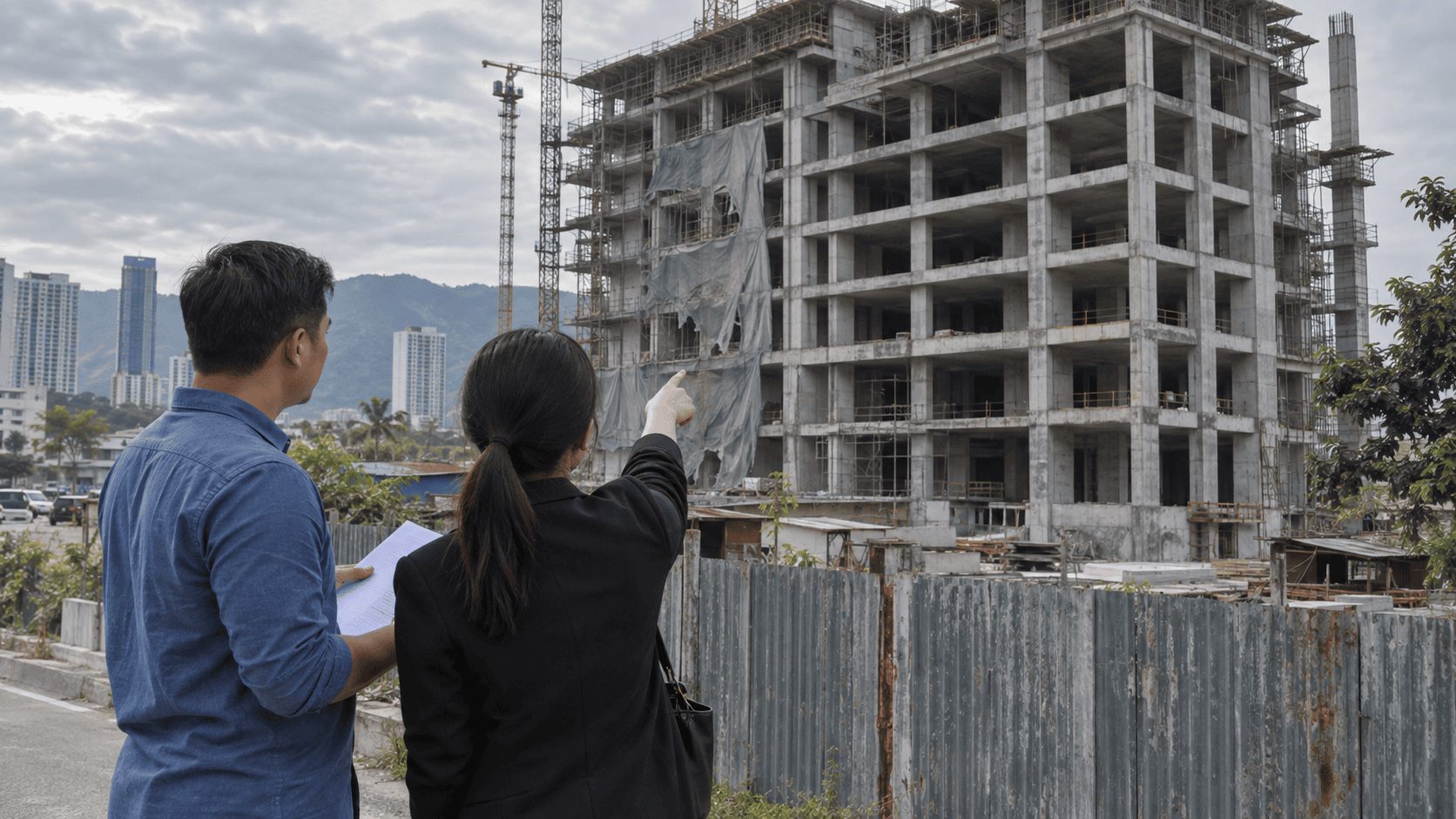
Cebu is growing fast, and that raises the stakes. New roads, ports, and business hubs are lifting land values across the island. Reputable developers tend to build in these paths of growth, which adds to long-term value.
You can ride that wave more safely with a trusted name. Our guides on major infrastructure projects and Cebu’s emerging growth corridors show where value is heading. To buy ahead of the curve, see how to spot high-growth areas before prices surge. And always weigh the price against real data, using market value versus zonal value.
How Cebu Grand Realty Helps You Choose Well
Judging a developer takes time and know-how. That is where a trusted brokerage helps. At Cebu Grand Realty, our licensed team checks the developer, the license, and the title before a project ever reaches you. We match you to homes that hold their value, whether you are eyeing pre-selling projects to watch or a resale unit.
We also help you weigh the trade-offs, like foreclosures, pre-selling, or resale, and read the fine print on pre-selling condos. The goal is simple. We want you to buy a home that grows in value, from a developer who will still be around to stand behind it.
Frequently Asked Questions

Does the developer really affect property value?
Yes. A trusted developer draws more buyers and commands a price premium, so the property holds value better. A weak one can bring delays, defects, and poor upkeep that pull the price down.
How do I check a developer’s track record?
Confirm the License to Sell with DHSUD, visit past projects, and ask about turnover dates. Look at financial stability, awards, and honest reviews from current residents.
Is a well-known developer always worth the higher price?
Often, yes, because the premium usually holds at resale and rent. Still, check the specific project and location. A strong name in a weak spot is not a sure win.
What are the risks of buying from an unproven developer?
The main risks are long delays, construction defects, weak after-sales support, and hard resale. In the worst case, a project stalls and your money is stuck.
Does developer reputation matter for resale and rental?
Very much. A known developer’s name helps a unit sell faster and rent at better rates, because buyers and tenants trust a well-run building. A licensed broker can help you use that to your advantage.