
Are Cebu Buyers Moving Farther From the City for Bigger and More Affordable Homes?
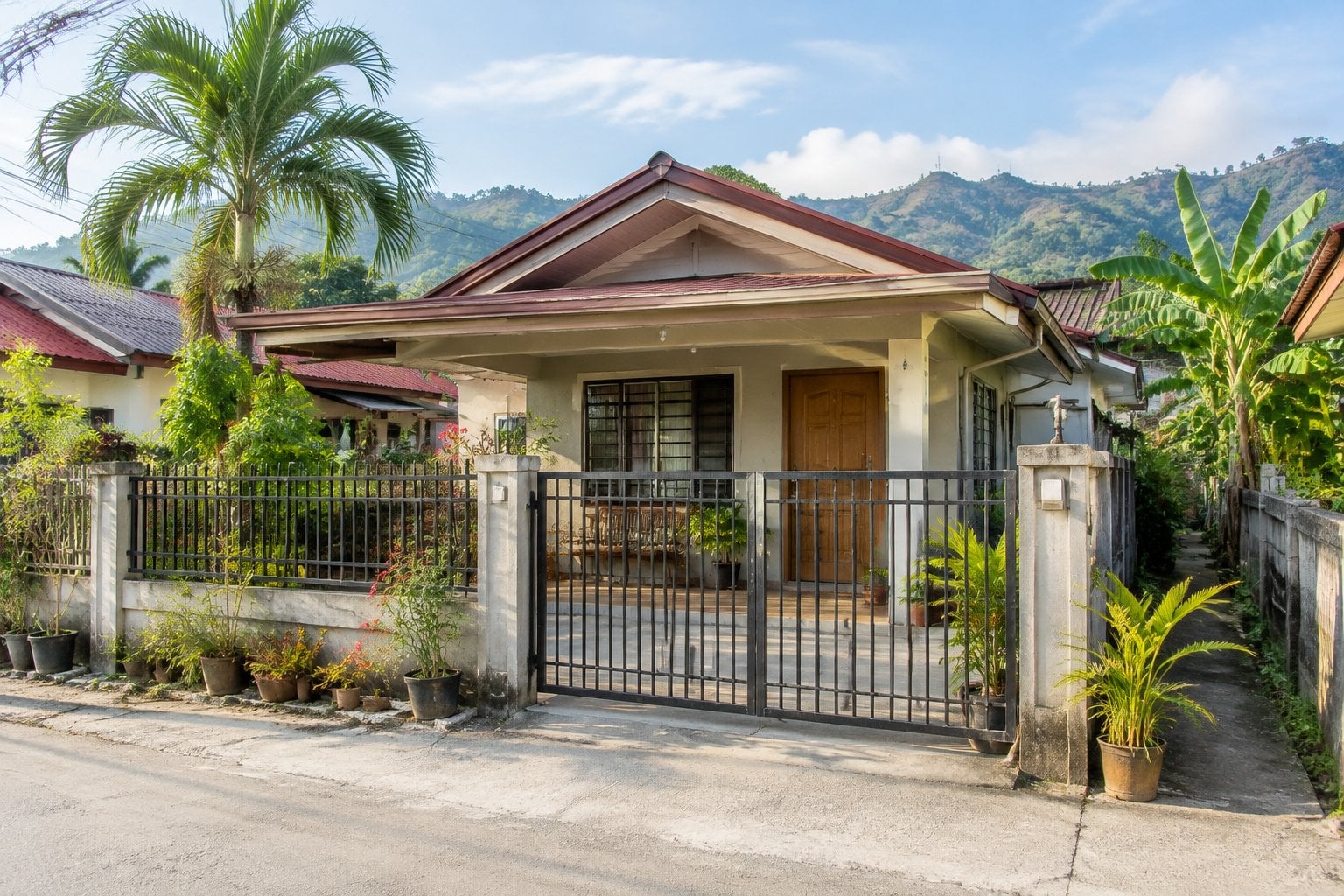
A buyer comparing an affordable house in Cebu may have to choose between more space farther from work and a smaller home closer to Cebu City’s business districts. Talamban offers one example of a Cebu City neighborhood to consider, with housing listings at different price points.
An affordable house in Cebu should fit your household’s budget after accounting for housing payments, transport, and other regular costs. Buyers should compare each home’s location, total monthly costs, and commute before deciding. This article explains how to assess those trade-offs and choose a Cebu location that fits a buyer’s budget and daily routine.
Key Takeaways
- Compare home prices with the full monthly cost.
- Factor commute time into the location choice.
- Check current listings and property details.
The Space-versus-Location Choice in Cebu
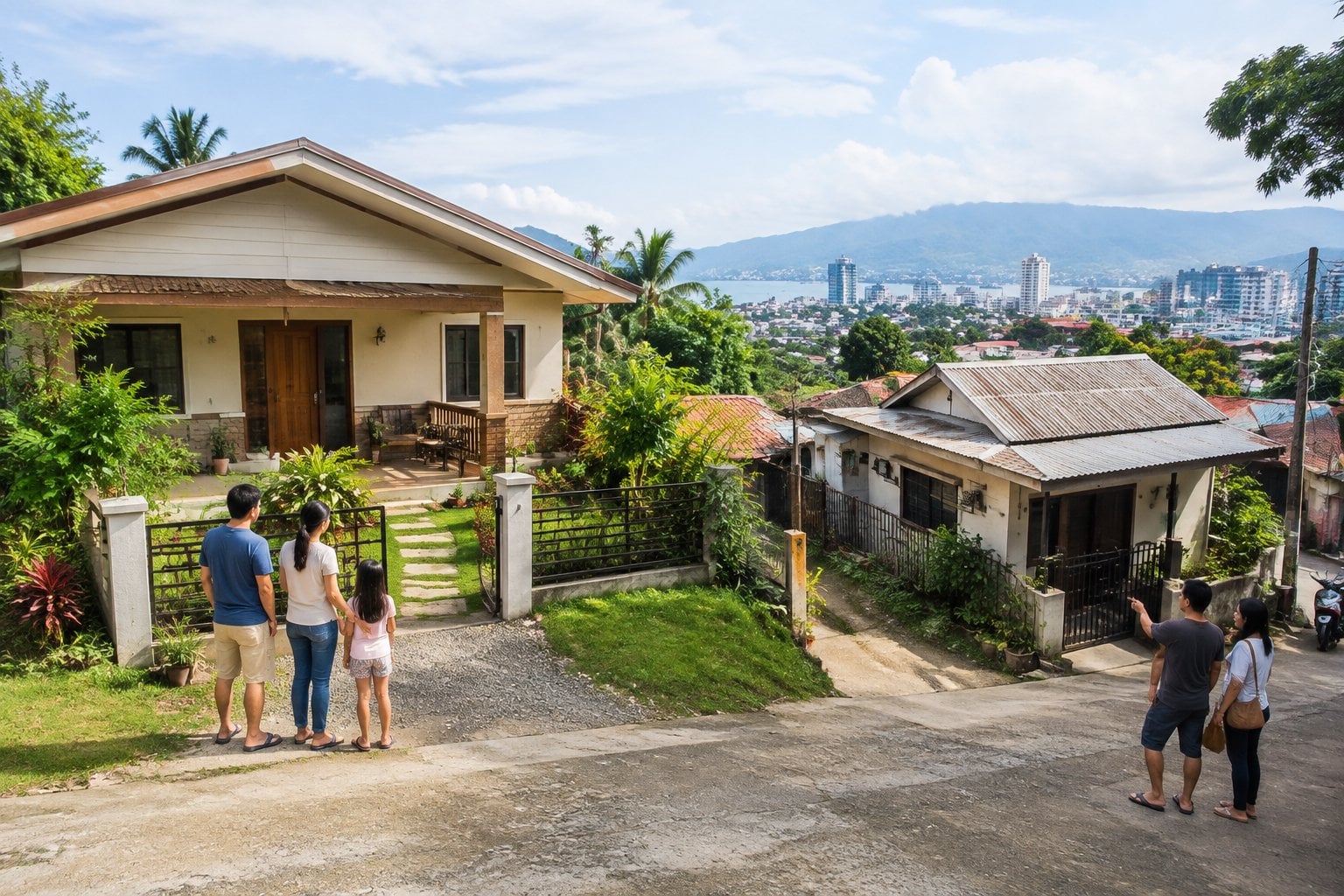
A home farther from central Cebu can offer more indoor and outdoor space for the price. A closer address, on the other hand, can cut daily travel to work and services. The right trade-off depends on commute patterns, household needs, and the full cost of getting around.
Why families consider locations beyond the urban core
Households comparing an affordable house in Cebu often look beyond Cebu City when they need more room within a fixed budget. Areas such as Talisay and Carcar offer options outside the urban core, though travel time to central Cebu varies by exact location, traffic, and route. Before choosing a home, buyers should check the daily trip to work, schools, hospitals, and family support.
A lower purchase price also needs to be weighed against transport costs and time. For example, a BPO employee with night shifts may value reliable access to work more than a larger yard. Families with remote workers or flexible schedules may put more value on extra bedrooms and outdoor space. Buyers can weigh these priorities against Cebu location strategies and house-and-lot choices before arranging viewings.
What one developer’s Carcar experience suggests and cannot prove
A developer’s experience building or selling homes in Carcar can offer useful local context. It may help buyers understand the types of homes and community layouts available there, and why some households accept a longer trip in exchange for more space or a different price point. Buyers should confirm current inventory, access roads, utilities, fees, and turnover details directly with the developer.
Still, one developer’s experience can’t show that Carcar suits every household or that its prices represent the whole Cebu market. Each project and lot has its own terms, and commute conditions differ by destination and travel time. Buyers should compare specific listings with their budget and routine, then visit the property and test the route during their usual travel hours.
Compare the Full Monthly Cost of Each Location
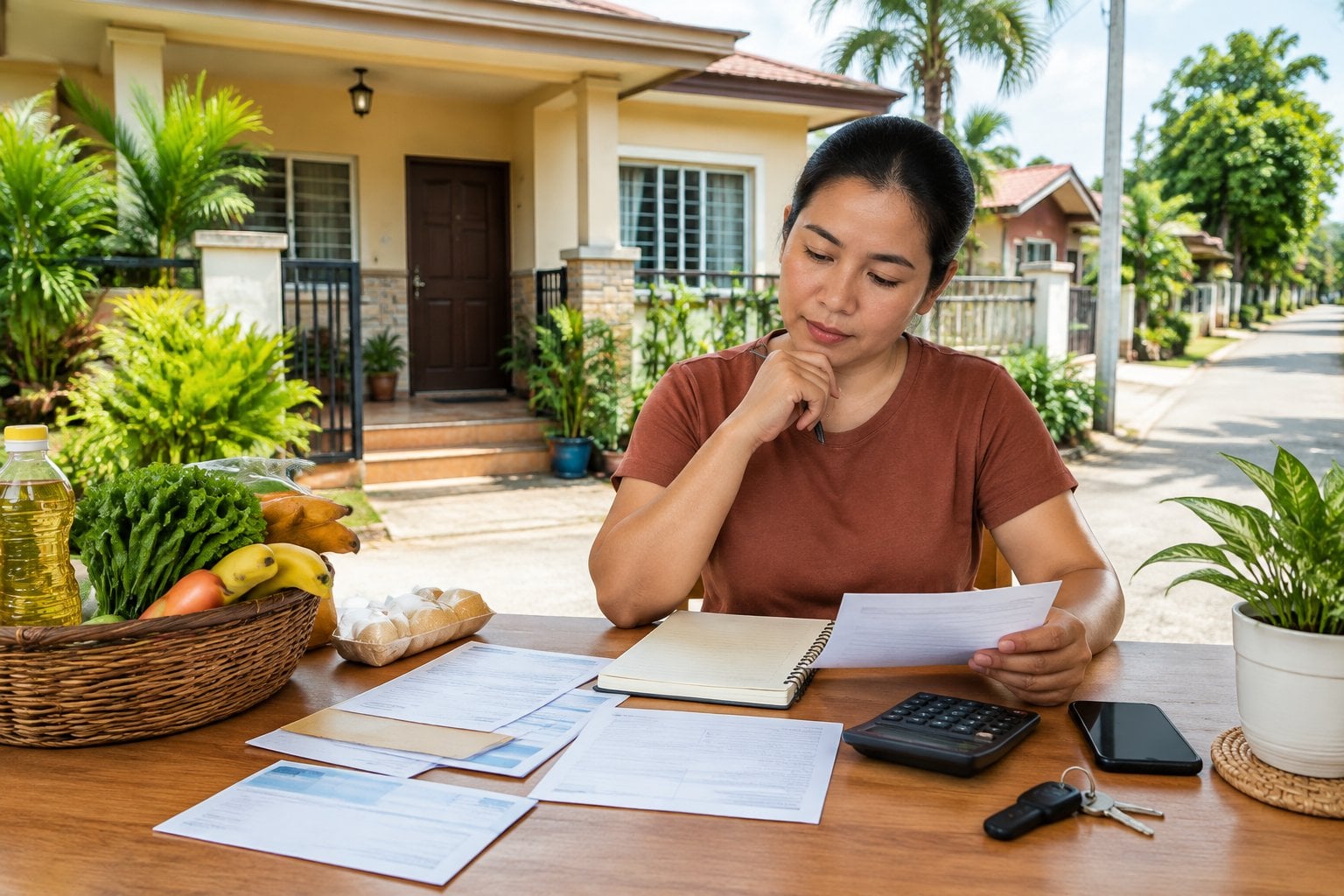
An affordable house in Cebu should fit both the purchase budget and the monthly cost of living in its location. Buyers should compare loan payments and association dues with transport costs, parking, fuel, and commute time.
Purchase price, loan payments and association dues
A house farther from Cebu Business Park or IT Park may have a lower asking price, but the monthly payment depends on the buyer’s down payment, loan term, and interest rate. Buyers should request an updated price list or seller’s computation, then confirm bank fees, taxes, insurance, and payment deadlines before making an offer.
For a fair comparison, list each property’s expected monthly costs:
| Cost | What to check |
|---|---|
| Loan payment | Down payment, rate, and loan term |
| Association dues | Monthly fee and included services |
| Utilities | Water, electricity, and internet |
| Upkeep | Repairs, pest control, and any shared-area charges |
Standalone houses may have no association dues, while subdivisions and condo developments can charge monthly fees. Confirm the amount directly with the developer, seller, or homeowners’ association, and ask whether unpaid dues transfer with the property.
Transport, parking, fuel and time
A home in Lahug, Mabolo, or near IT Park can shorten trips for people who work in those areas. A lower-priced house in Mandaue or farther out may add daily travel costs. Buyers should test the actual route at their work commute time and check access to Cebu City, schools, and regular errands.
Include parking fees, fuel, vehicle maintenance, and public transport or ride-hailing costs in the monthly budget. A property with included parking can reduce recurring expenses, while a house with limited access may require paid parking or longer trips. If they drive, buyers should compare commute costs with expected loan savings and account for time spent in traffic.
What Changes When You Live Farther Out

A house outside Cebu City’s central districts can offer more space for the budget, but distance affects school runs, clinic visits, and daily errands. Commute time and access to family support often matter as much as the purchase price.
Schools, health care and daily services
Families considering a home in Talamban or farther north should check the route to their preferred school during actual drop-off and pick-up hours. Cebu City has established schools and hospitals, while residents in outer areas may need to travel into the city for particular services or specialist appointments. A home near a main road can shorten trips, but traffic still changes travel times.
Before choosing a property, buyers should map the nearest grocery stores, pharmacies, clinics, and public transport stops. They should also check whether the subdivision has reliable water, drainage, and internet service, and ask residents about outages and rainy-season access. These details shape daily routines more than the distance shown on a map.
Hybrid work, family support and lifestyle
Hybrid workers can trade a shorter commute for a larger home if the internet connection supports video calls and the house has a quiet workspace. Those who travel to offices in Cebu Business Park or Cebu IT Park should test the journey at their usual commuting times. A drive that feels manageable on a weekend can take much longer during weekday traffic.
Living near relatives can reduce childcare and elder-care travel, while a farther-out home may bring more privacy and outdoor space. Buyers should compare those benefits with the cost and time of regular trips for work, school, and family visits. Before committing, they can review Cebu neighborhoods for expats and affordable neighborhoods in Cebu to narrow down areas that fit their routines.
A Simple Cebu Location Decision Matrix

Cebu buyers can compare commute time, purchase budget, usable space, and nearby services before choosing a house. The right balance depends on work location, household needs, and the property’s exact address.
Rank commute, budget, space and amenities
Give each factor a score from 1 to 5, then set its importance for the household. A BPO worker commuting to Cebu IT Park or Cebu Business Park might rank travel time first, while an OFW buying for family could prioritize bedrooms, schools, and daily services.
| Factor | What to check in Cebu |
|---|---|
| Commute | Travel time to work during the hours the buyer travels |
| Budget | Total purchase cost, fees, and monthly payments |
| Space | Bedrooms, parking, storage, and usable outdoor area |
| Amenities | Access to groceries, schools, clinics, and transport |
Compare likely routes from the specific property to destinations such as Cebu IT Park, Cebu Business Park, or Mactan-Cebu International Airport. A lower-priced house farther from work may add transport costs and time, so include those in the monthly budget.
Compare specific properties, not broad city averages
Cebu City, Mandaue, and Lapu-Lapu City each contain areas with different access, housing types, and prices. Compare actual listings by barangay and street, then check the route to work, nearby services, property size, and total costs. A citywide average can hide meaningful differences between two homes.
Buyers should verify the property’s title, developer or seller documents, turnover status, association dues, and any restrictions on use. They should also visit at the time they expect to commute and check access to essentials such as groceries and clinics. To explore affordable Cebu neighborhoods and homes within a set budget, use current listings and confirm details directly with the seller.
When Staying Closer May Be the Better Choice
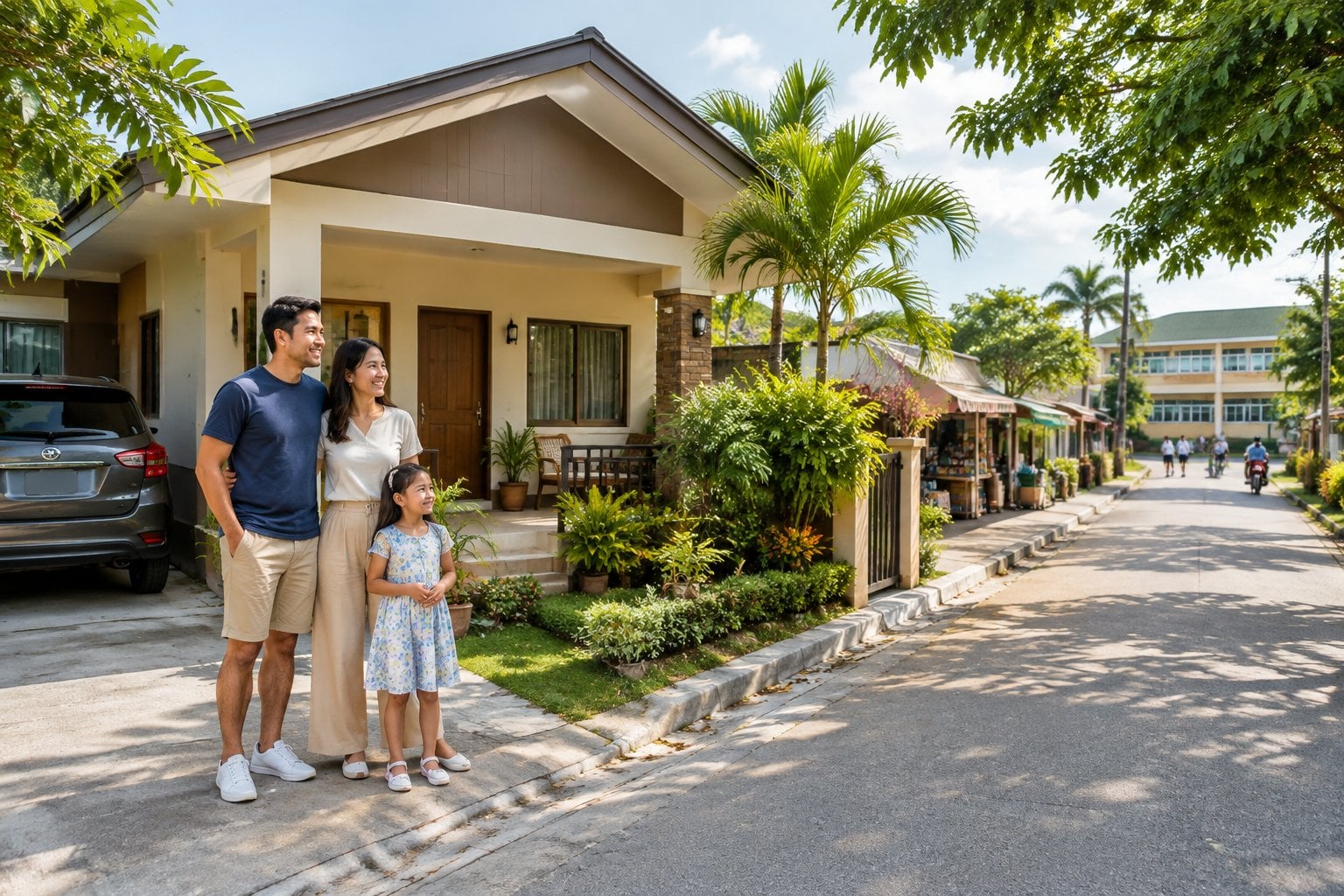
A lower-priced home on Cebu’s outskirts can mean a longer commute and more time spent reaching work, schools, or medical care. Buyers should compare daily travel from a specific property with the costs and time they’d save by living closer.
Time-sensitive commutes and service needs
For BPO professionals with fixed shifts, commute reliability matters as much as distance. A home in Talamban, for example, may suit someone working near the University of San Carlos–Talamban Campus. Someone working in Cebu IT Park should check actual travel times from the property during both the morning rush and late evening. Traffic on routes such as Gov. M. Cuenco Avenue can change the length of a trip.
Access to services also affects daily routines. Buyers with regular hospital appointments, school drop-offs, or late-night shifts should check routes to the facilities they use, along with available transport at the times they need it. A home closer to work or essential services may justify a higher purchase price if it cuts repeated travel costs and missed time. Compare that trade-off with the monthly budget before choosing a location.
How to test the decision before paying a reservation fee
Visit the property on a weekday, then travel to work or another regular destination at the time you’d normally make the trip. Repeat the route on the way back, and check what you’d do if a car weren’t available, such as taking public transport or a ride-hailing service. Record travel time, fares, parking costs, and how often you need to transfer.
Ask the seller or agent for the exact property address, included fees, reservation terms, and the timeline for reviewing documents. Before paying, buyers should also verify the title and project details with the relevant offices. If you’re an OFW buyer, ask a trusted representative to visit the site and check the route, nearby services, and property condition in person.
Compare the closer home’s monthly payment and recurring costs with the farther home’s payment plus transport expenses. This gives buyers a practical basis for deciding whether a lower purchase price offsets the extra commute.
Frequently Asked Questions
Is buying a home farther from Cebu City always cheaper overall?
No. A lower purchase price can be offset by higher transport, parking, vehicle upkeep and other recurring costs. Compare two specific homes using the same loan assumptions and your actual travel schedule. Include commute time in the decision, even though it does not appear on a bill.
How can I tell whether a house is affordable for my household?
Start with your reliable take-home income, existing commitments and essential expenses. Check whether the proposed housing costs leave room for savings and unexpected bills. A property website’s price category does not establish what your household can afford. The BSP’s financial planning guide explains how to build a budget around your own circumstances.
What monthly costs should I compare beyond the housing loan payment?
List association dues, utilities, internet, insurance, maintenance and transport. Allow for annual expenses such as property tax, and keep purchase costs such as transfer fees separate from recurring costs. Request current amounts from the seller, association and lender instead of relying on a generic estimate.
How should I test a commute before choosing a property?
Travel from the property to your workplace at your normal departure time, then test the return trip. Record the door-to-door time, fares, transfers, fuel and parking costs. Check transport availability for late shifts and identify a backup route if your usual option is unavailable.
Which Cebu locations should I shortlist for my work and family routine?
Begin with your regular destinations: work, school, health care and family support. Compare specific addresses within Cebu City and outer locations such as Talisay or Carcar against those needs. Shortlist homes by tested travel times, total costs and services rather than assuming every property in one city offers the same convenience.
Can moving farther out make sense for a hybrid or remote worker?
It can, if the home supports your working routine and occasional office trips remain manageable. Confirm internet service at the exact address, ask about power interruptions and check space for quiet calls. Include backup connectivity and the cost of commuting on office days in your comparison.
When is paying more to live closer to work the better choice?
It may be worthwhile when shorter, more reliable trips save enough money or time to justify the higher housing cost. Consider fixed shifts, school runs and regular medical appointments. Compare the full monthly budgets and decide how much travel time your household is willing to accept.
What should I check before paying a reservation fee?
Read the written reservation terms, payment deadlines, refund conditions and inclusions. Arrange checks of the seller’s authority, property records and condition with a qualified professional. For a subdivision or condominium project, check its registration and License to Sell with DHSUD. Test access and the commute before committing.
Conclusion
Choosing the right property in Cebu comes down to matching your budget, location, and timeline to what is actually available right now. Compare the full cost, check the documents, and see the property in person before you commit.
Talk to Cebu Grand Realty
Cebu Grand Realty (PRC License No. 0005735) has helped buyers, investors, and expats navigate the Cebu market for over 15 years. Browse our current listings, schedule a viewing, or get in touch with our team to talk through your options — no pressure, just a straight answer about what fits.