Selling an Inherited Property in Cebu: Estate Settlement and Taxes
A parent passes away and leaves behind a house and lot in Cebu. The family agrees to sell it and divide the proceeds. Then they hit a wall at the first buyer’s offer. The title is still in the deceased’s name, and no buyer will touch it. This is the moment most families learn that selling an inherited property is not a normal sale. It is a two-part process, and the order cannot be skipped.
The property has to pass to the heirs first, in law and on record, before anyone can sell it. That means settling the estate and clearing the estate tax before a Deed of Absolute Sale means anything. This guide walks through what selling an inherited property in Cebu actually involves. The goal is simple: so a grieving family is not blindsided months in.
Key takeaways
- You cannot sell an inherited property until the estate is settled. The title must first move from the deceased into the heirs’ names.
- Estate settlement plus estate tax comes first; the sale and its capital gains tax come second. They are two separate tax events.
- If all heirs agree and there is no will, an extrajudicial settlement is the faster route. Disputes force the slower judicial path.
- Estate tax penalties grow the longer a property sits unsettled, so delay is expensive.
- Every heir must sign the sale, or appoint someone through a notarized authority to sign for them.
Why selling an inherited property takes two steps
Ownership in the Philippines is proven by the register, not by family agreement. While the certificate of title still carries the deceased’s name, the heirs are owners in law but not yet on record. A buyer’s lawyer will check the title, see a dead person’s name, and stop. No bank will finance it either.
So the first job is not finding a buyer. It is moving the title from the deceased to the living heirs. Only once a new title is issued in the heirs’ names can the family transfer ownership to a third party.
Step 1: Settle the estate
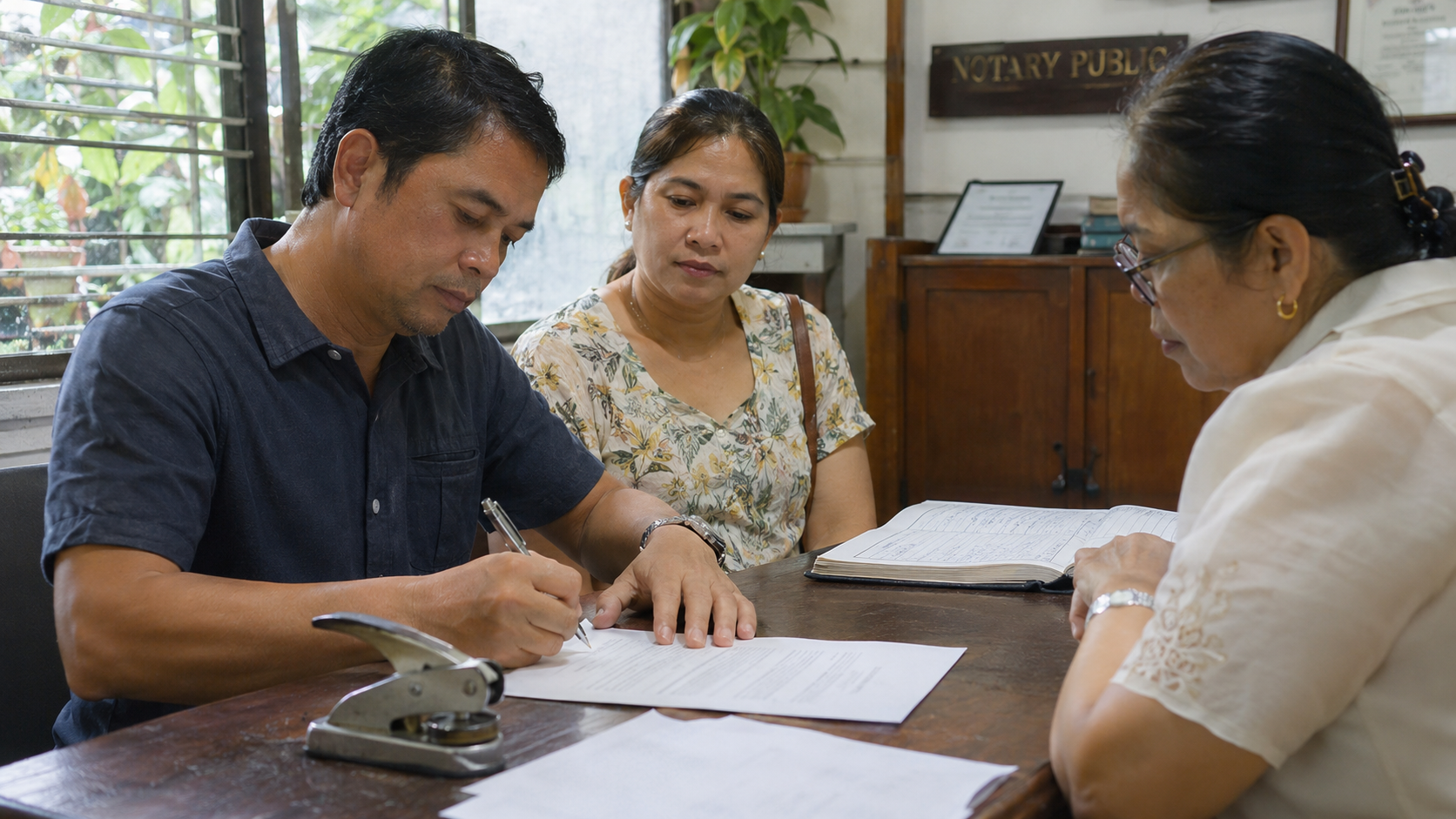
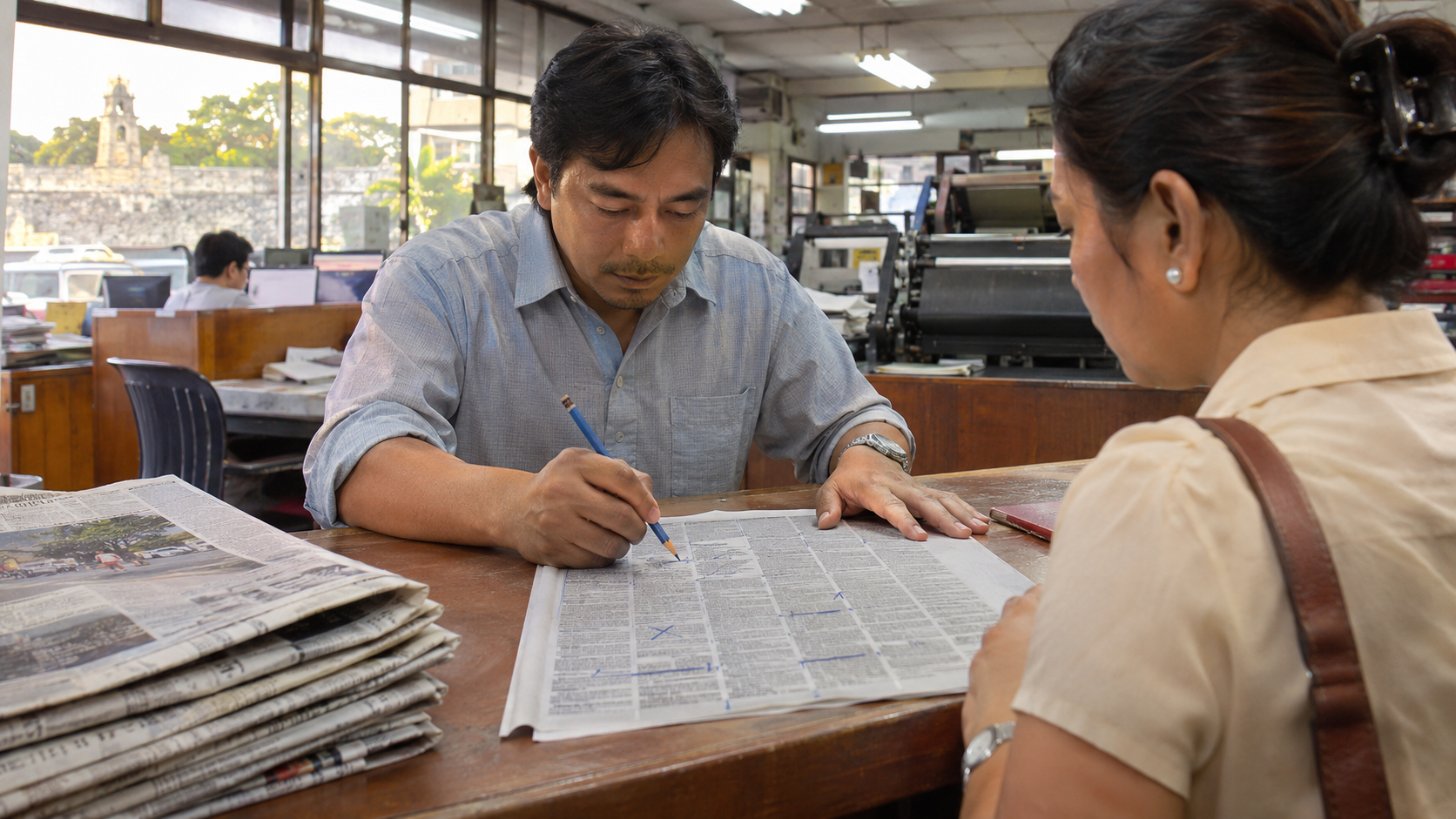
Estate settlement is the legal process of dividing what the deceased left behind. There are two paths. If the heirs all agree and there is no will, they can use an extrajudicial settlement. They sign a Deed of Extrajudicial Settlement and have it notarized. It is then published in a newspaper of general circulation, once a week for three weeks.
If there is a will, or the heirs disagree, or a minor is involved, the matter usually goes to court. That is the judicial route, and it is slower and costlier. Most straightforward family cases in Cebu use the extrajudicial path, but only when everyone signs willingly.
Step 2: Pay the estate tax and get the eCAR
Before any title can move, the Bureau of Internal Revenue must be settled. The estate tax is currently six percent of the net estate under the TRAIN law. The BIR values the property at whichever is higher, the BIR zonal value or the fair market value. That figure drives the final bill.
File and pay, and the BIR issues an electronic Certificate Authorizing Registration, the eCAR, for the estate. Without it, the Registry of Deeds will not transfer the title. For anyone selling an inherited property, one warning matters most here: estate tax carries penalties and interest that keep growing while the estate sits unsettled. A property left in limbo for years can owe far more than the heirs expect.
Step 3: Transfer the title into the heirs’ names
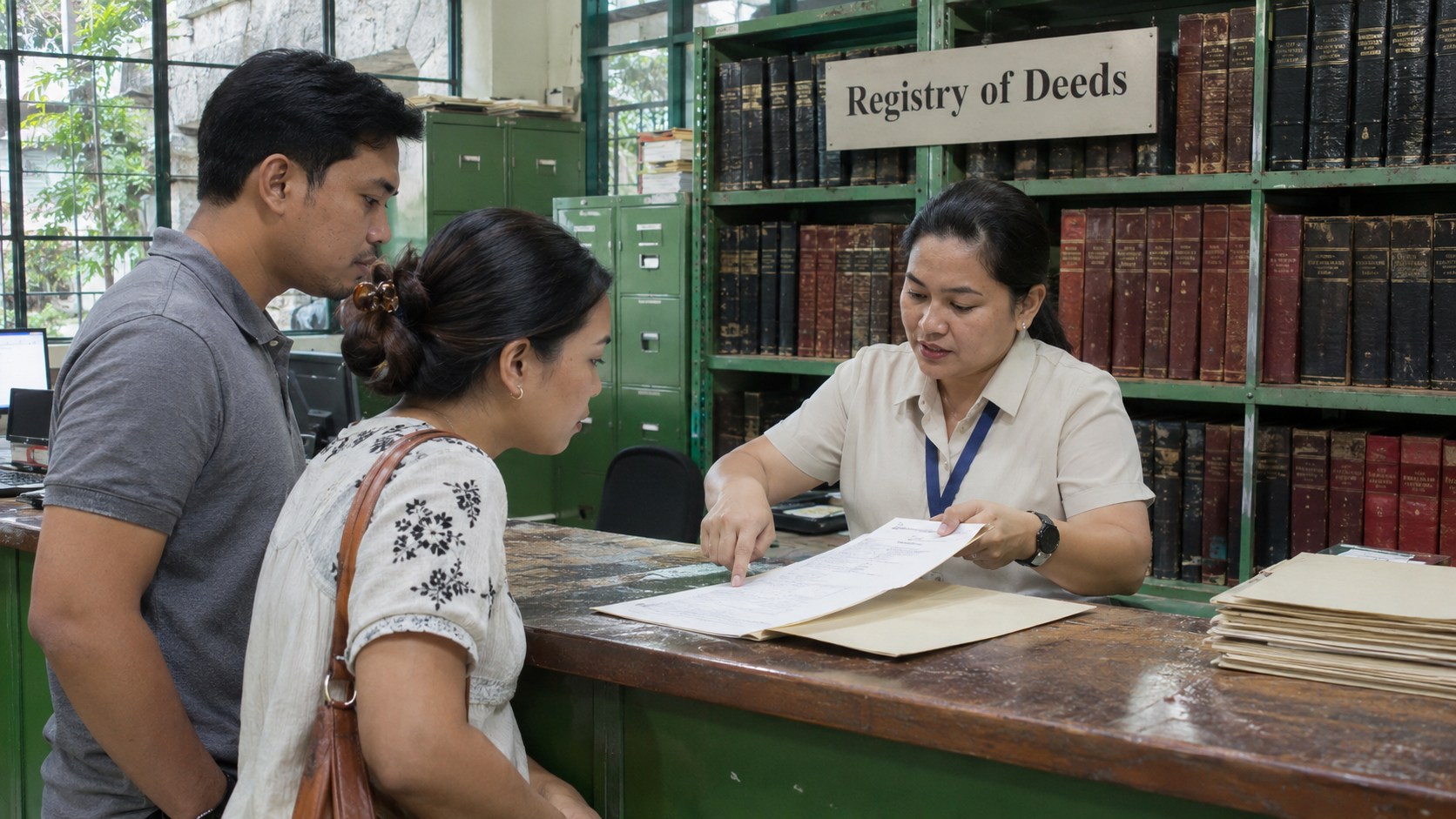
With the eCAR and the settlement document, the heirs bring everything to the Registry of Deeds. The deceased’s title is cancelled and a new one is issued. Often it names the heirs as co-owners, each holding an undivided share. At this point the family finally owns the property on record and can sell it.
It is worth checking the old title for old annotations at this stage too. A mortgage or lien attached to the property does not disappear with the owner. It has to be cleared before a clean sale is possible.
Step 4: Now you can sell the property

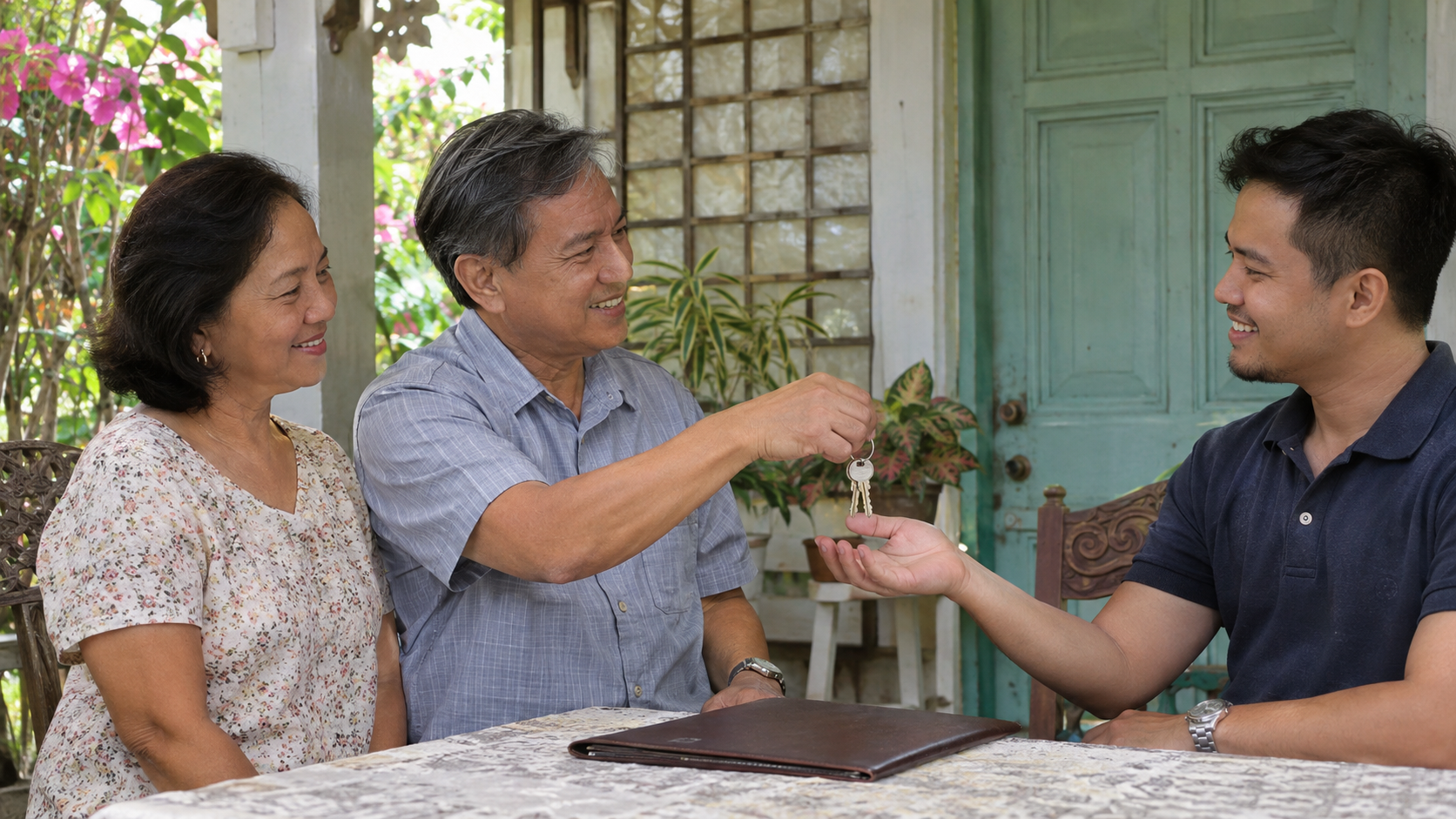
Once the title is in the heirs’ names, selling an inherited property becomes an ordinary sale. The family can list it on the open market. The buyer and sellers sign a Deed of Absolute Sale. Then the normal selling taxes apply: capital gains tax at six percent and documentary stamp tax at one and a half percent. Both are explained in our guide to the costs of selling.
One practical point trips up many families. Every co-owner must sign the sale. If an heir lives abroad or cannot attend, they must grant a notarized special power of attorney. That document lets someone sign on their behalf. One missing signature stops the whole transaction.
The two tax events when selling an inherited property
Selling an inherited property means dealing with tax twice, and it helps to keep them separate in your head. First comes the estate tax, six percent of the net estate, paid to move the property from the deceased to the heirs. Then comes the sale, which triggers capital gains tax and documentary stamp tax, just like any other property sale. Budgeting for only one of these is a common and painful mistake.
Common complications with an inherited property
A few situations slow things down more than others. Heirs who disagree on whether or how to sell can stall a settlement indefinitely. An heir who cannot be located leaves the estate stuck. Years of unpaid estate tax can pile up penalties that swallow a chunk of the proceeds.
Then there are properties with no proper title at all, only a tax declaration. These need to be titled before they can be sold, which is a separate and longer process. The earlier a family uncovers these issues, the more options it has.
How long selling an inherited property takes
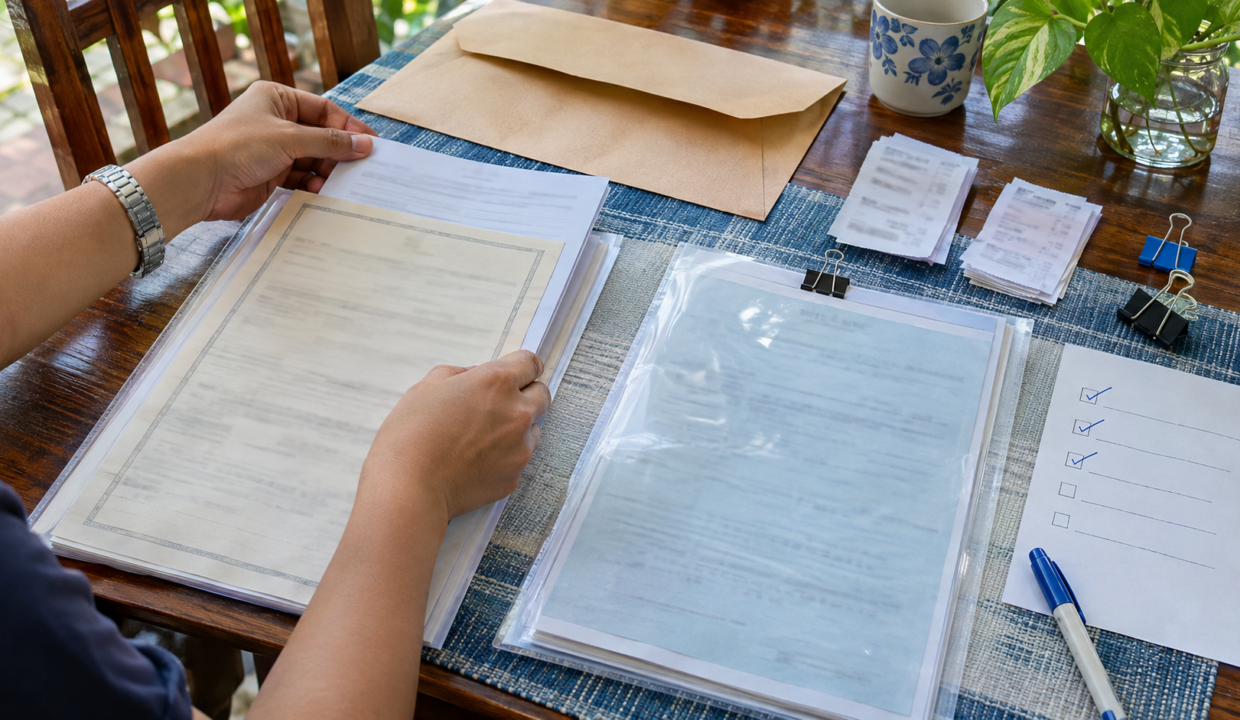
A clean extrajudicial settlement with cooperative heirs and current taxes can move in a few months. A disputed estate, a court case, or years of unpaid tax can stretch it much longer. The single best first move is to gather the documents early. Collect the title, the death certificate, the tax declaration, and valid IDs for every heir. Knowing what you are working with shortens everything that follows.
When to get professional help
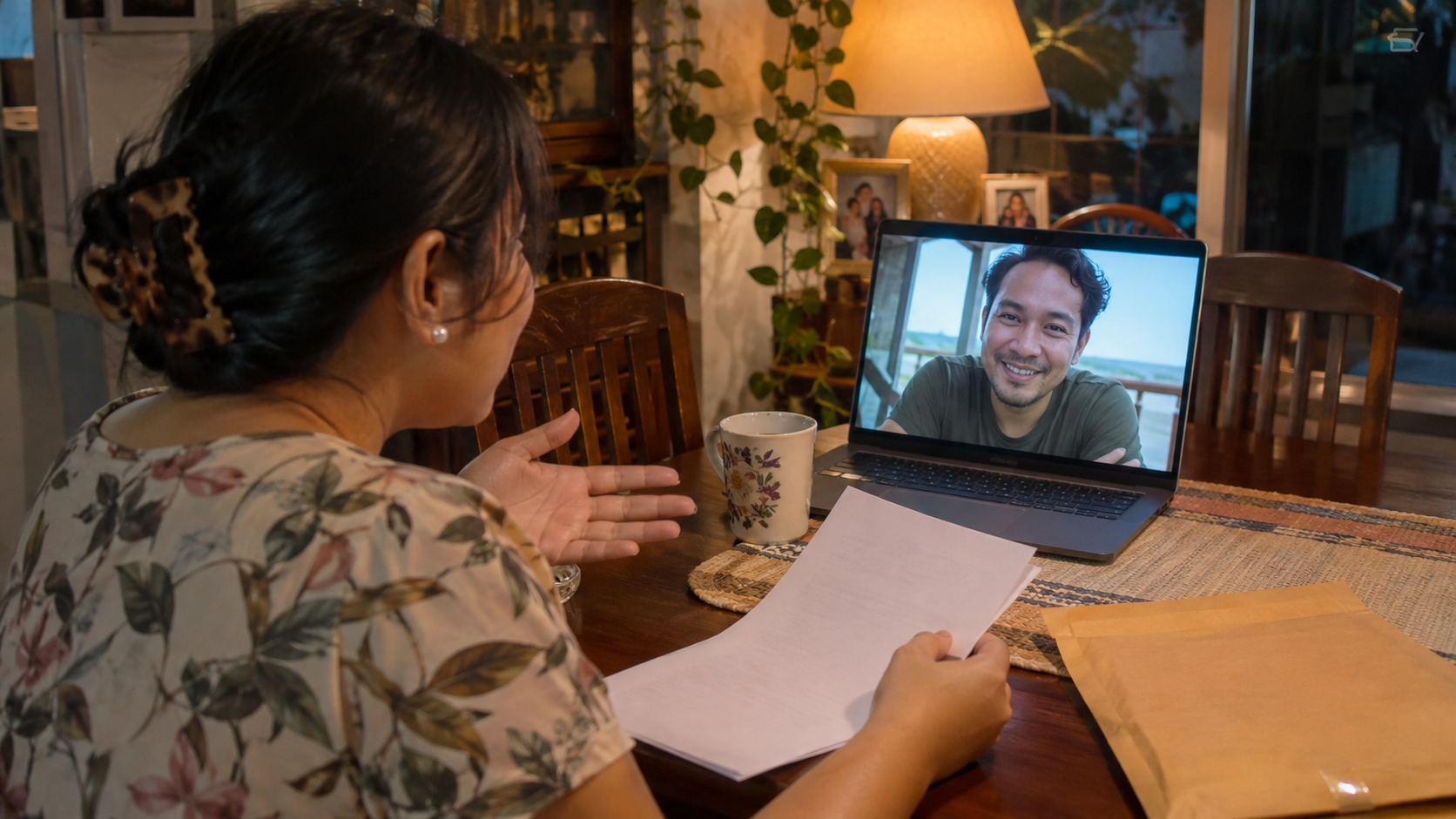
Estate settlement is one area where doing it alone rarely pays off. The paperwork is unforgiving, the tax deadlines bite, and a single error can invalidate a settlement. It is worth engaging a lawyer early, especially when heirs are many, abroad, or not fully in agreement. A broker who has handled inherited sales before can also keep the title work and the eventual sale moving in step.
Inherited a property in Cebu and not sure where to begin? Talk to the Cebu Grand Realty team. We will help you map out the settlement, the taxes, and the sale, so the process feels manageable rather than overwhelming.
Frequently asked questions

Can we sell an inherited property before settling the estate?
No. The title has to move into the heirs’ names first, and that requires settling the estate and paying the estate tax. A buyer cannot safely purchase a property still titled to a deceased person.
Who pays the estate tax, and who pays the capital gains tax?
The estate, meaning the heirs, pays the estate tax to transfer the property to themselves. When the property is later sold, the seller usually shoulders the capital gains tax, though this is negotiable in the sale.
What if one heir refuses to sell?
An extrajudicial settlement needs every heir’s signature. If one refuses, that route is closed. The family may have to go to court, or buy out the unwilling heir’s share. This is where legal advice matters.
The estate tax has been unpaid for years. What now?
Penalties and interest will have accumulated, but the estate still has to be settled before any sale. Government estate tax amnesties have been offered in the past. It is worth checking the current rules with a professional before assuming the worst.