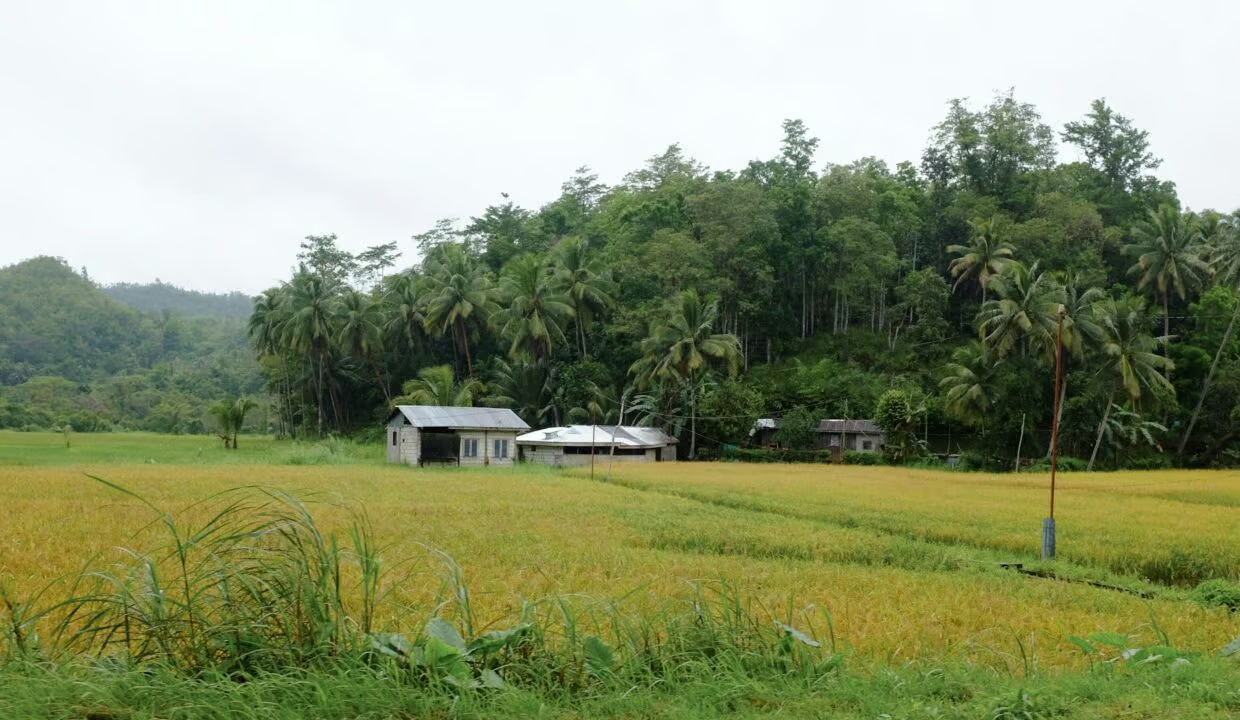
Maximizing Space in Cebu Townhouses: Expert Design Tips & Guide
Living in a Cebu townhouse brings clear benefits—and definite limits. Space can feel cramped, especially in fast-growing spots like Lahug and Mandaue, where narrow lots and multi-level homes are the norm. Still, smart design tweaks can turn these tight quarters into surprisingly livable, calm spaces by maximizing space effectively.
Good layout, clever storage, and more daylight can make a small Cebu townhouse feel comfortable and flexible. Built-in cabinets, open floor plans, and furniture that pulls double duty fit daily routines and local habits. These choices also help the home stay appealing if you ever want to rent or sell later.
Cebu’s rapid urban growth makes efficient design a must. It’s not just about looks—it’s about comfort, privacy, and holding value, all while keeping things practical for work, rest, and the occasional get-together.
Key Takeaways
- Smart design helps small townhouses feel open and useful.
- Storage and light can make daily living easier.
- Thoughtful upgrades support long-term home value.
Key Features of Cebu Townhouse Living
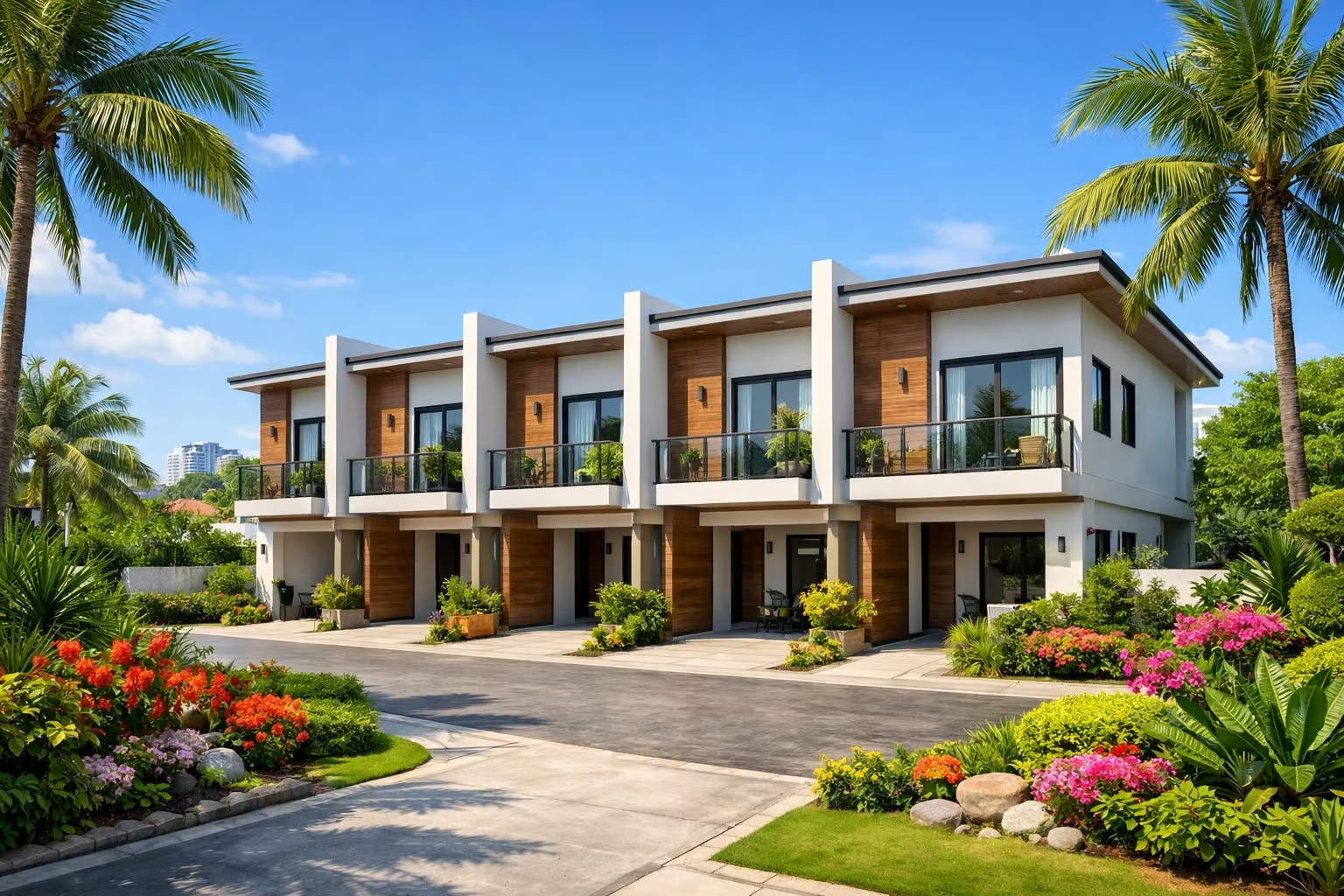
Cebu townhouse living gives you city access while making the most of every square meter. The way these homes are designed, the privacy you get (or don’t), and what you trade for outdoor space all shape your day-to-day life.
Space Efficiency and Multi-Level Layouts
A Cebu townhouse usually sits on a skinny lot, so builders go up instead of out. Most townhomes have two or three floors to squeeze in living areas, bedrooms, and storage.
Kitchens and living rooms usually land on the ground floor for easy flow. Bedrooms move upstairs to save space and cut down on noise. Stairs often double as storage, with drawers or cabinets tucked underneath.
Common space-saving features include:
- Built-in shelves and cabinets
- Foldable or multi-use furniture
- Tall windows for more daylight
These little tricks help small rooms feel bigger and more usable, even without adding square footage.
Shared Walls and Privacy Considerations
Most urban townhouses share one or two walls with neighbors. This setup saves land and money, but privacy and noise can be an issue.
Newer homes often use thicker walls or sound-dampening materials. Window placement is key too—many homes aim windows toward the street or inner courts to avoid peeking neighbors.
Residents add curtains, blinds, or frosted glass for a little more privacy. Community rules help keep noise in check.
Shared walls work best when design sets clear boundaries. Good planning can keep things peaceful (well, most of the time).
Limited Outdoor Spaces: Balcony and Rooftop Terrace
Outdoor space is tight in most Cebu townhouses. Instead of a yard, you’ll usually get a small balcony—especially in denser neighborhoods.
Balconies are multi-purpose: drying clothes, growing plants, or just grabbing a breath of air. Some folks add a chair or two for coffee or a short break.
Some homes have a rooftop terrace. That’s a bonus for small gatherings, storage, or a mini-garden. Just don’t forget safety rails and some shade, since Cebu’s sun and rain can be intense.
Even a tiny outdoor spot adds value. It’s a break from the indoors and brings in fresh air and light.
Comparison of Urban and Suburban Townhouses
Urban and suburban townhouses have their own quirks—different layouts, space, and daily rhythms.
| Feature | Urban Townhouse | Suburban Townhouse |
|---|---|---|
| Location | City centers like Lahug or Mandaue | Outskirts or nearby towns |
| Size | Smaller lots, taller homes | Wider lots, fewer floors |
| Outdoor space | Balcony or rooftop terrace | Small yard or patio |
| Noise level | Higher due to traffic | Lower and quieter |
Urban townhouse living is all about being close to work and city life. Suburban townhouses trade longer commutes for more breathing room. It really depends on what you’re after.
Maximizing Comfort and Style in Small Spaces
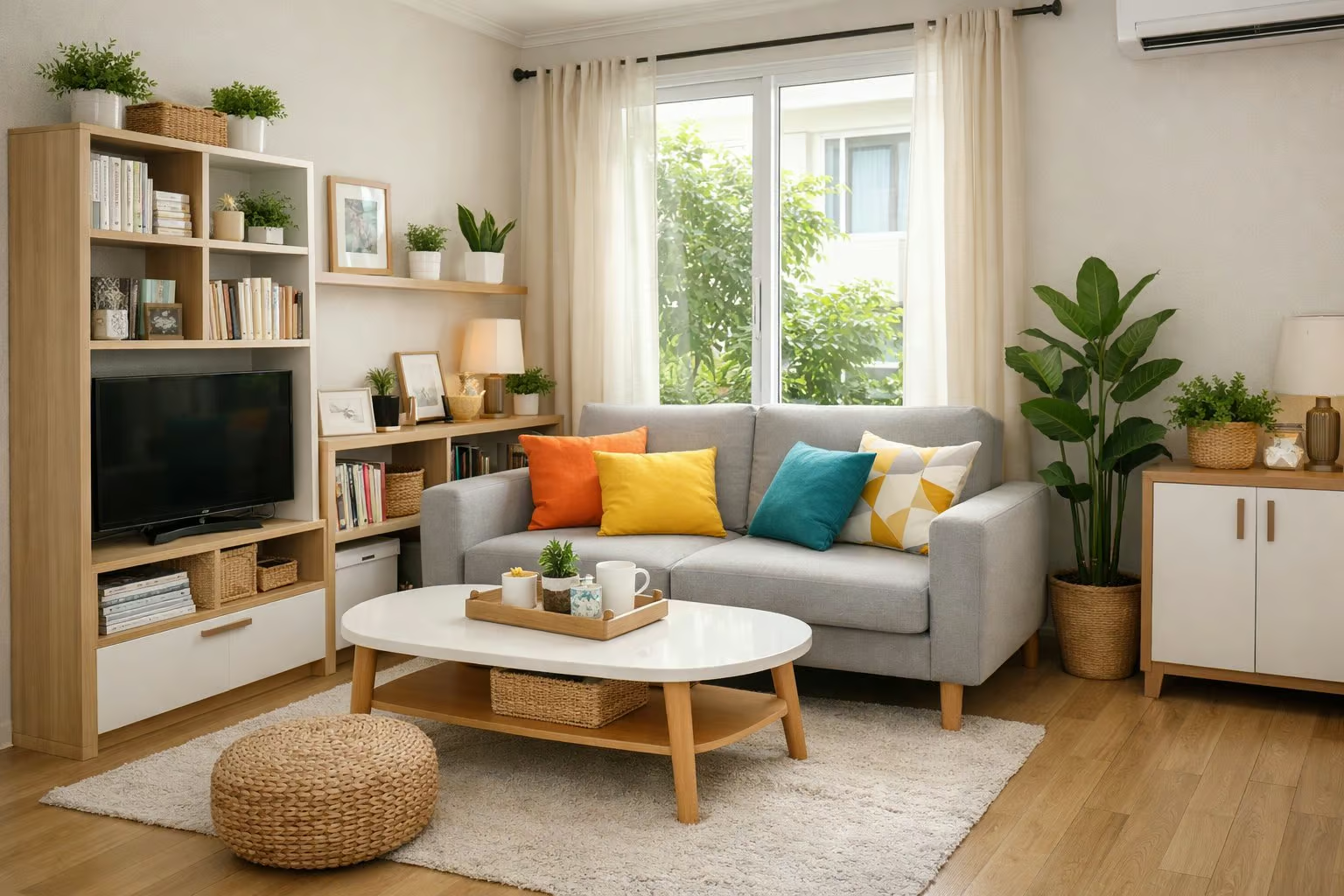
Townhouse life in Cebu takes clear planning and a bit of creativity. The right layout, smart furniture, and good use of light can turn even tiny spaces into something calm and surprisingly pleasant.
Smart Layouts and Floor Plan Choices
The layout sets the tone for how a townhouse feels. Designers often knock down non‑load‑bearing walls to connect living, dining, and kitchen spaces. It keeps things moving and cuts down on clutter.
Instead of walls, small homes use rugs, lighting, or ceiling changes to define spaces. This keeps rooms flexible and open.
Vertical planning matters, too. Most Cebu townhouses put bedrooms and storage upstairs, leaving shared spaces below. It just fits the way people live—privacy where it counts, open space where you gather.
Effective layout choices include:
- Open living and dining areas
- Clear walkways with minimal furniture
- Staircases with storage underneath
Multipurpose Furniture and Built-In Storage Solutions
Furniture has to earn its keep in a small townhouse. People pick pieces that do more than one thing—like sofa beds or dining tables with hidden drawers. Less clutter, more comfort.
Built‑in storage uses all those odd corners—under the stairs, wall shelves, floor-to-ceiling closets. It keeps stuff out of sight and makes rooms feel tidier and more custom.
Designers in Cebu lean toward clean lines and neutral colors, so furniture blends in instead of shouting for attention.
Common space-saving pieces:
- Beds with pull‑out storage
- Fold‑down desks
- Bench seating that opens up
Maximizing Daylight and Open-Concept Designs
Natural light changes everything in a small space. Townhouses with bigger windows or glass doors just feel better during the day. Light-colored walls and floors help bounce daylight around, making the place seem bigger.
Open‑concept layouts help air and light move freely—especially handy in Cebu’s hot weather. Fewer walls, better airflow.
Open spaces stay flexible, too. One area can be for family, work, or guests—no need to feel boxed in.
Ways to improve light and openness:
- Sheer curtains instead of heavy drapes
- Glass panels near stairwells
- Keep windows clear of tall furniture
Community, Amenities, and Homeowner Considerations
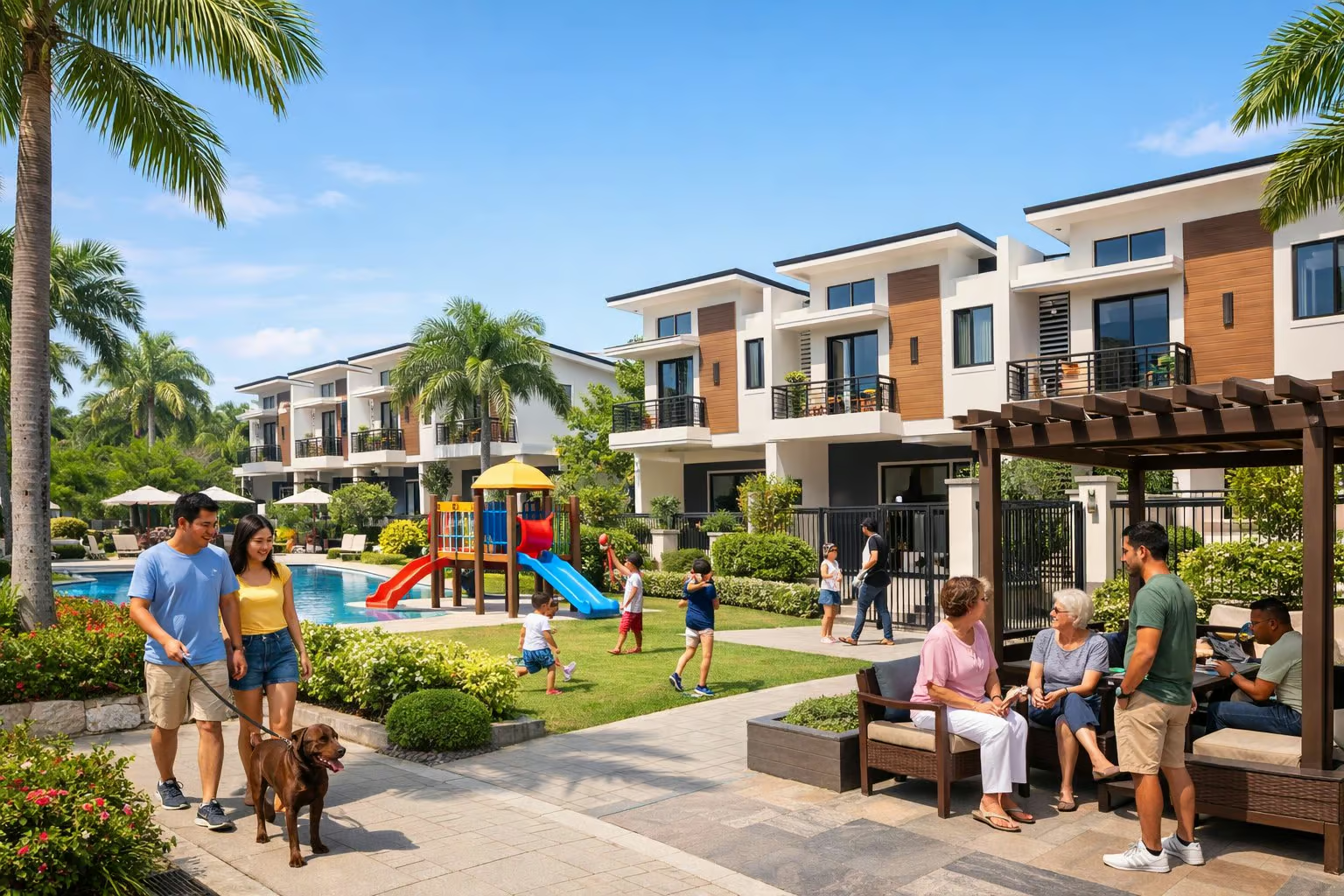
In Cebu, townhouse living usually means shared rules, shared spaces, and shared responsibilities. Buyers and residents have to weigh HOA rules, fees, maintenance duties, and what amenities they actually get before deciding if it’s a good long-term fit.
Homeowners Association Rules and HOA Fees
Most Cebu townhouses are part of a homeowners association. The HOA sets rules about noise, parking, pets, and changes to your home’s exterior. The idea is to keep things orderly and protect everyone’s property value.
HOA fees cover shared costs—security, lighting, garbage pickup, and care for common areas. Rates change depending on location and amenities, so it’s smart to check the fee schedule before buying.
It’s worth checking the limits on renovations, rentals, or short-term leases. These can affect your future plans (and maybe your income).
Maintenance Responsibilities and Ownership Structure
Usually, townhouse owners are responsible for the inside and some exterior bits of their home. The ownership structure spells out who fixes what. Owners handle interiors, fixtures, and their own utilities.
The HOA takes care of roofs, gates, roads, and shared drainage. This split can make life easier—one of the real advantages of townhouses in busy Cebu.
It’s smart to ask for a maintenance matrix—basically, a list of who does what. It helps with budgeting and avoids headaches when repairs come up.
Access to Shared Amenities and Common Areas
Many Cebu townhouse projects offer shared amenities. But it’s not just what’s available—it’s how you can use them. Rules about hours, guests, and booking can make a big difference.
Common examples include:
- Guarded entrances and CCTV
- Play areas and small parks
- Clubhouses or function rooms
- Shared parking zones
Usually, you need to be up-to-date on HOA fees to use these. Some HOAs charge extra for events. It’s best to double-check what’s free and what isn’t.
Community Amenities and Social Benefits
Well-run community amenities make daily life easier and help people connect. Playgrounds are great for families. Walkways and pocket parks encourage strolls and neighborly chats.
These shared spaces shape the neighborhood vibe. In busy areas like Lahug or Mandaue, secure common areas add peace of mind.
Social perks grow when HOAs organize cleanups or simple events. They help neighbors coordinate and sort out issues, which makes townhouse life a little smoother.
Weighing the Pros and Cons of Cebu Townhouse Ownership

Cebu townhouses strike a balance between cost, comfort, and city access. Buyers have to weigh price stability, shared-living tradeoffs, and whether the daily lifestyle fits before making the leap.
Affordability and Value Retention
Townhouses in Cebu usually cost less than single houses in the same area. That price gap gives first-time buyers a shot at living close to business hubs like IT Park or Mandaue without breaking the bank.
They tend to hold value in urban zones where demand sticks around. Cebu’s growing economy and strong rental market make it easier to resell or lease, especially if you’re near schools or offices.
Common cost-related advantages include:
- Lower purchase price than detached homes
- Shared maintenance costs through homeowners’ groups
- Better access to central locations
| Factor | Townhouse | Detached House |
|---|---|---|
| Entry cost | Lower | Higher |
| Location access | Strong | Varies |
| Maintenance | Shared | Full owner cost |
Value depends a lot on build quality, location, and how the place is managed. If the property isn’t kept up, long-term gains can get pretty limited.
Customization Limits and Privacy Trade-Offs
Townhouse owners run into limits on what they can change outside. Homeowners’ rules often say no to new paint colors, big façade changes, or major structural tweaks.
Sharing walls means you’ll hear more from your neighbors, especially in older or tightly packed rows. Privacy isn’t a strong suit here.
But there’s a flip side. Shared walls cut down on heat and can lower cooling bills. Plus, having neighbors close by means someone’s more likely to notice if something’s off.
Key limits to expect:
- Restricted exterior changes
- Less sound isolation
- Fixed layout in many units
Inside, there’s usually more flexibility. Owners can change up storage, lighting, and finishes, as long as they stick to safety rules.
Lifestyle Fit for Cebu Residents
Townhouse living is a good match for folks who care about access and routine. Many units are right by roads, malls, schools, and transit, which cuts down daily travel time.
They work for small families, couples, and busy professionals. Multi-level layouts keep living and sleeping spaces separate, which just makes sense for daily life.
Community perks often include shared gates, a pocket park, or a play area—enough for socializing, but without the hassle of a big private yard.
Townhouses can feel tight if you’ve got a big household or want more outdoor space. But if you’re after low maintenance and city access, the setup really fits how a lot of people live in Cebu.
Frequently Asked Questions
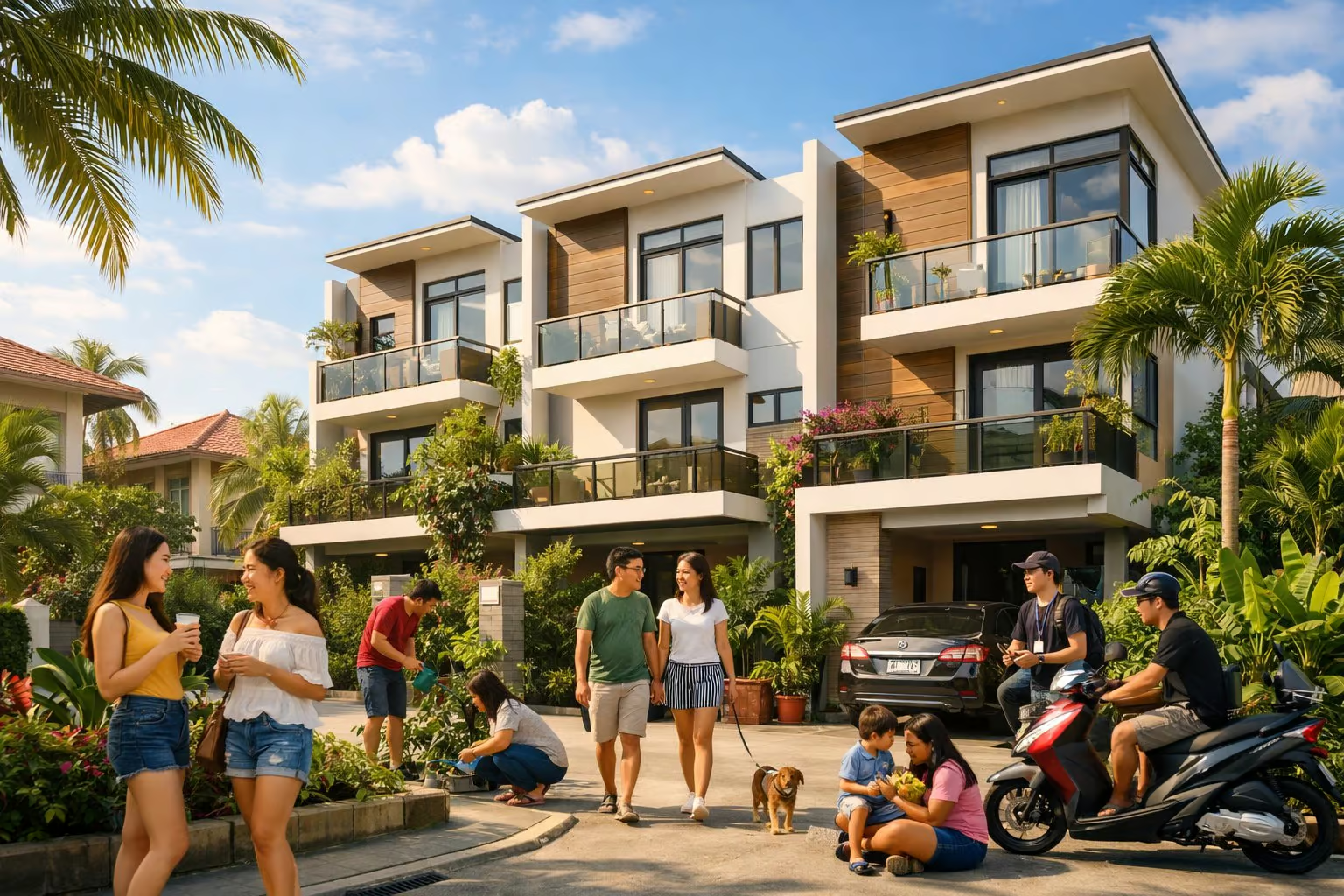
Smart furniture, built-in storage, open layouts, and light-focused design help Cebu townhouses feel bigger and just easier to live in. Simple outdoor links and minimalist touches can really boost comfort in a small space.
How can multi-functional furniture improve space utilization in a townhouse?
Multi-functional furniture does double duty in one spot. A sofa bed is handy for guests, and a dining table with storage keeps clutter out of sight.
Pieces like these cut down on extra furniture and work especially well in the narrow living rooms you see in Cebu townhouses.
What built-in storage solutions are most effective for maximizing space in smaller homes?
Cabinets under stairs make use of space that usually just sits empty. Floor-to-ceiling shelves add storage without eating up much floor area.
Custom closets and wall-mounted storage help keep things tidy and within reach. Plus, they give a neat look that fits compact homes.
What are the advantages of an open-plan layout in a townhouse?
Open-plan layouts take out walls between the kitchen, dining, and living areas. That makes it easier to move around and keeps air flowing.
Natural light travels farther, too. In Cebu, where lots are narrow, this makes a noticeable difference.
How do light colors and reflective surfaces aid in creating the illusion of more space?
Light-colored walls bounce daylight around and cut down on shadows. Rooms feel wider, more open—just nicer to be in.
Mirrors and glossy finishes help, too. They spread light through small spaces, especially in hallways or tight living rooms.
What are some ways to incorporate outdoor areas into the living space of a townhouse?
Sliding doors can link living rooms to a patio or balcony, making the space feel bigger without a big renovation.
Even simple outdoor chairs or a vertical garden can make these spots more useful. Plus, you get better airflow and more daylight inside.
What minimalist tactics can help create a sense of spaciousness in townhouse interiors?
Minimalist design means sticking to only the furniture you actually need—nothing extra cluttering up the place. Keeping surfaces clear and using hidden storage helps cut down on visual mess, so the space feels lighter.
Using similar colors and straightforward lines brings a calm, tidy vibe. Honestly, this style just works for compact, multi-level townhouses you’ll find around urban Cebu.