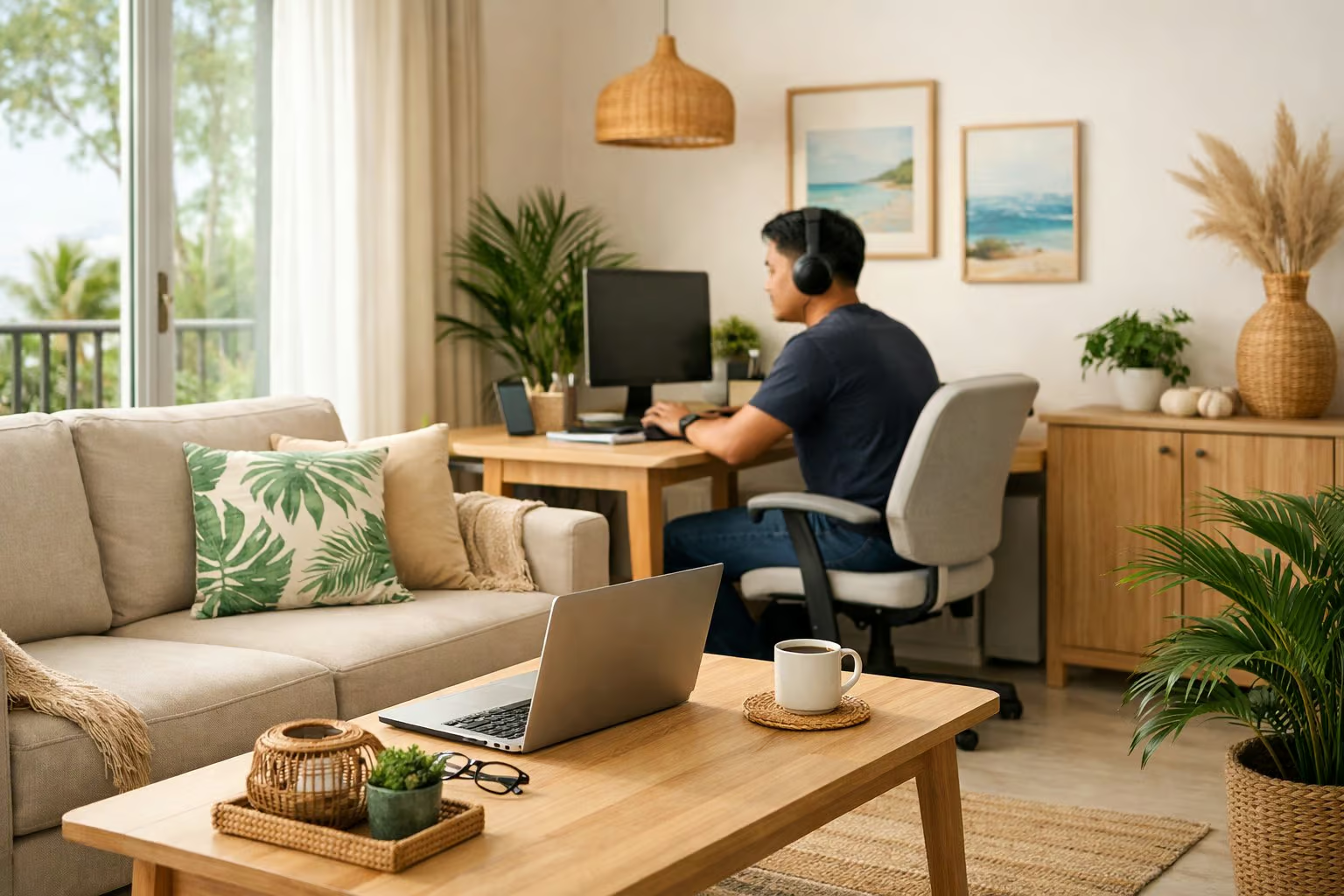
Tips for OFWs and Remote Workers Looking for Medium-Term Rentals in Cebu
Cebu draws in OFWs on vacation and remote workers looking for a flexible stay without the hassle of long-term contracts. There are plenty of Medium-term rentals in Cebu that fit the needs of these travelers. The city’s packed with modern condos, beach access, business hubs, and pretty solid internet in hotspots like IT Park and Cebu Business Park. Browse Airbnb, Lamudi, or local property sites and you’ll see all sorts of furnished options for monthly stays.
Medium-term rentals in Cebu give OFWs and remote workers a flexible, cost-effective home for one to six months in prime city or beach locations. They’re usually cheaper per month than hotels, offer more space, and come with condo perks like pools, gyms, and security. Most units are fully furnished and have kitchens and Wi‑Fi—so you can actually live and work without missing a beat.
Location really shapes your whole experience. IT Park is perfect if you want to walk to cafés and offices. Cebu Business Park is more central and a bit upscale, close to Ayala Center Cebu. If you’d rather avoid city noise and be near the airport or the beach, Mactan’s condos are hard to beat.
Key Takeaways
- Medium-term rentals let you stay 1–6 months with lower monthly costs than hotels.
- IT Park, Cebu Business Park, and Mactan are top areas to check out.
- Furnished condos with Wi‑Fi and amenities make it easy to work and live comfortably.
Understanding Medium-Term Rentals in Cebu

Medium-term rentals in Cebu give you flexibility—no sky-high hotel bills or year-long leases. It’s a nice middle ground for stays that last a few months.
Definition and Benefits for OFWs and Remote Workers
A medium-term rental usually means staying somewhere for 1 to 6 months. Most of these places are fully furnished and ready for you to move in—furniture, kitchen basics, internet, the works.
This setup is ideal if you’re an OFW on vacation, a balikbayan testing the waters, or a remote worker who just needs a stable base with good Wi‑Fi and a proper desk.
Monthly rates are typically lower than short-term options. You’ll probably need to put down a security deposit and pay some rent in advance, but the lease itself stays pretty flexible.
- Lower monthly cost than hotels
- Move-in ready units
- Access to condo amenities
- Less commitment than a long-term rental
This approach gives you control over your stay without locking you into a one-year deal.
Key Differences Between Short-Term, Medium-Term, and Long-Term Rentals
Rental types vary by lease length, price, and rules. Here’s a quick comparison:
| Type of Rental | Typical Stay | Cost Per Month | Contract Terms | Best For |
|---|---|---|---|---|
| Short-term rental | Daily to 30 days | Highest | Flexible, nightly | Tourists |
| Medium-term rental | 1–6 months | Moderate | 1–6 month agreement | OFWs, remote workers |
| Long-term rental | 12 months or more | Lowest | 1-year lease common | Permanent residents |
Short-term rentals are super flexible but pricey and have lots of turnover. Long-term rentals are cheaper per month but you’re tied down for a year or more.
Medium-term sits in the sweet spot—stable, predictable, and long enough to get settled in Cebu without the legal headaches of a long lease.
Top Locations for Medium-Term Rentals in Cebu
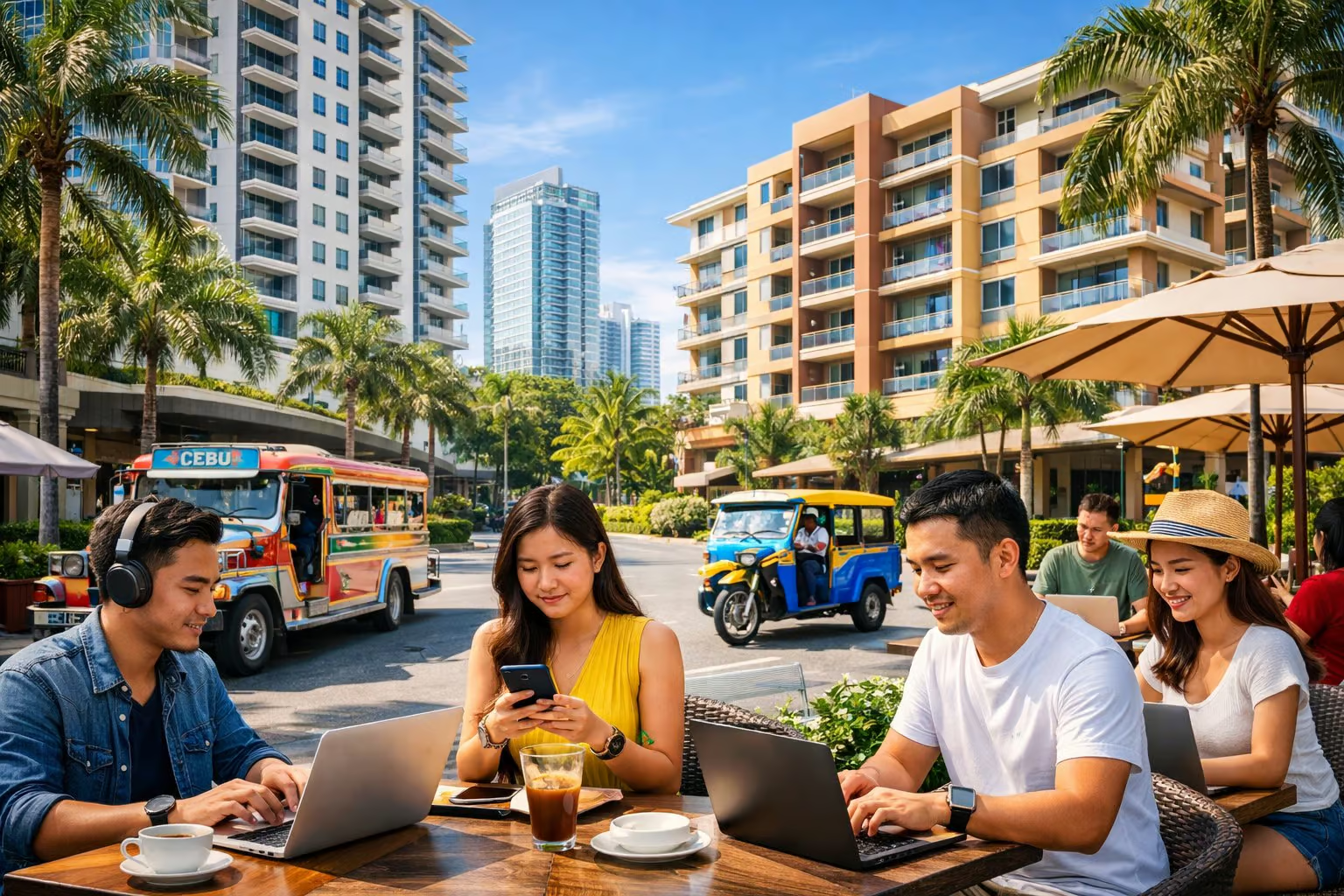
Cebu has neighborhoods for every lifestyle and budget. Here are some of the best areas for medium-term rentals, each with its own perks for access, comfort, and convenience.
Cebu IT Park: Modern Convenience and Connectivity
Cebu IT Park in Lahug is a magnet for remote workers and young professionals. It’s close to BPO offices, coworking spaces, coffee shops, and 24/7 eats.
Most rentals here are high-rise condos. You’ll find fully furnished studio and one-bedroom units with fiber internet—just bring your suitcase and laptop.
- 24-hour security
- Swimming pool and gym
- Lobby reception for guests
- Backup power for common areas
Everything’s walkable—supermarkets, clinics, banks. Ride-hailing apps work around the clock.
Medium-term contracts (1–6 months) are common, though shorter stays might cost a bit more each month. Always check the listing details and ask about internet speed before committing. It’s worth the extra step.
Cebu Business Park: Urban Living for Professionals and Families
Cebu Business Park wraps around Ayala Center Cebu and feels a bit more polished and corporate.
Rental listings here usually mean bigger one- to three-bedroom units. Families and balikbayans like it for the walkable streets and closeness to schools, offices, and hospitals.
Condo towers are stricter with security and a bit quieter. Guests often have to register at the lobby, which adds a layer of privacy.
- Basement or podium parking
- Function rooms for events
- Landscaped gardens
- Direct access to Ayala Mall
Rents are higher than in some other parts of Cebu City, but you get direct access to shopping and dining—no car needed. Always check if association dues are included in the rent; some listings do, some don’t.
Mactan: Resort-Style Comfort and Beach Access
Mactan in Lapu-Lapu City is great if you want more space and peace. Plus, it’s close to Mactan-Cebu International Airport—handy for OFWs who fly often.
Medium-term rentals here are usually in resort-style condos. Expect furnished units with balconies, pools, and sometimes even beach access.
Some properties let you use private beaches or clubs, while others are pool-only—so double-check what’s included before you sign.
Travel to Cebu City takes 20 to 45 minutes, traffic depending. If you mostly work from home, the quieter setting is worth it.
- Check internet provider availability
- Know the flood risk in the barangay
- Look into transport options for errands
Mactan’s best for those who’d rather have fresh air and airport access than be in the thick of the city every day.
Smart Renting Tips for OFWs and Remote Workers

Good location matters, but there’s more to it. You’ll want to check building features, go over the rental agreement carefully, and budget for all expenses before you move in.
Evaluating Amenities and Building Features
Make sure the unit has reliable fiber internet—not just any Wi‑Fi. Remote work lives and dies by good speeds, especially for video calls. Ask the landlord for the provider and typical speeds.
Check if you get access to:
- Swimming pool
- Gym
- Coworking lounge or function room
- 24/7 security
- Backup generator
Power outages still happen. A generator for common areas and elevators can save you a headache during blackouts.
Always inspect the unit in person, or at least request a live video tour. Look at water pressure, aircon units, kitchen appliances, and storage. Ask about guest rules, parking, and noise policies. Some buildings limit overnight guests or require lobby registration.
Clear rules help both tenants and owners avoid messy disputes.
Signing Rental Agreements and Understanding Terms
Don’t just go on a handshake. A written rental agreement protects everyone and spells out what to expect.
The contract should cover:
- Exact rent and due date
- Length of stay (say, 3 or 6 months)
- Security deposit and advance payment
- Rules on ending the lease early
- Who’s responsible for repairs and damages
Find out who handles maintenance. Some landlords fix minor stuff; others pass it on to you. The contract should also say who’s liable for damages caused by guests.
Check if subleasing is allowed—most Cebu condos don’t permit it without approval.
Before signing, go through the move-in inventory list. This records the condition of furniture and appliances so you don’t get blamed for damage you didn’t cause when you move out.
Budgeting for Rent, Deposits, and Extra Costs
You’ll need to plan for more than just the monthly rent. Most medium-term rentals in Cebu ask for:
| Item | Typical Requirement |
|---|---|
| Advance Rent | 1 month |
| Security Deposit | 1–2 months |
| Post-dated checks or bank transfer | Common practice |
Security deposits are there to cover unpaid bills or damage. After you move out, the landlord inspects the place and returns what’s left, minus any legit deductions.
Remember to set aside money for utilities—electricity, water, internet. Air conditioning, especially in summer, can really bump up your electric bill. Condo dues are often included, but it’s smart to double-check and get that in writing.
Other possible fees: cleaning, parking, and sometimes association move-in charges. Having a buffer for these extras saves you from scrambling for cash mid-stay.
Practical Considerations for a Hassle-Free Stay
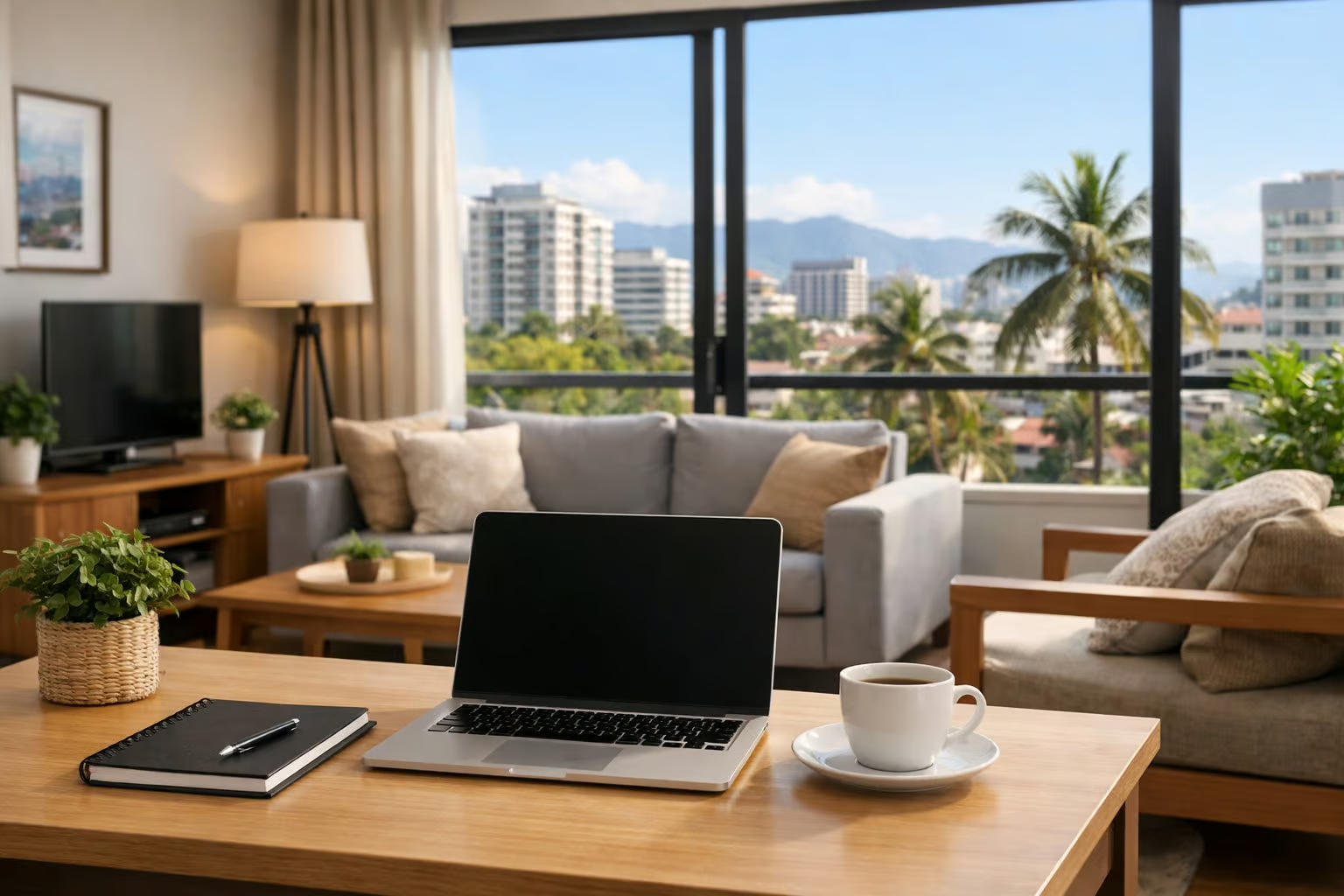
If you want a smooth stay, you’ll need clear agreements on things like maintenance, internet, and a decent workspace. Sorting these out before move-in can save a lot of headaches later.
Handling Maintenance, Repairs, and Cleaning
Before moving in, ask who’s responsible for maintenance and repairs and how to report problems. Some condos cover small repairs; others expect you to handle things like busted bulbs or clogged drains.
Try to get a written agreement that spells out:
- How fast urgent repairs (like leaks or power issues) will be handled
- Who you contact for maintenance
- Rules for aircon servicing
- Move-in inspection checklist
A quick inspection on day one—photos of walls, appliances, furniture—can help if there’s a dispute later.
Cleaning rules matter, too. Some rentals throw in monthly cleaning, but plenty don’t. If not, expect to budget for:
- Weekly or biweekly cleaning
- Laundry services
- Trash disposal fees
Ensuring Reliable Internet and Workspaces
If you’re working remotely, don’t just assume the internet will be good enough. Always check the actual provider, plan speed, and if there’s a backup before you sign anything.
It’s worth asking:
- Is there fiber internet in the unit?
- What are the real download and upload speeds?
- Who pays for upgrades or outages?
- How’s the mobile signal inside?
Places like Cebu IT Park and Cebu Business Park usually have fiber, but in Mactan, speeds can be hit or miss depending on the building.
For daily work, you’ll want:
- A real desk and chair
- Decent lighting
- Easy-to-reach power outlets
- Some peace and quiet during work hours
If these are missing, try to negotiate before you move in. Honestly, internet and workspace can make or break your productivity—and your mood.
Frequently Asked Questions

OFWs and remote workers usually weigh costs, location, internet, and condo features before picking a 1–6 month lease. Reliable utilities, clear rules, and being close to Cebu’s main spots all play a part.
What are the benefits of medium-term rentals over hotels for OFWs and remote workers in Cebu?
Medium-term rentals in Cebu almost always cost less per month than hotels. A furnished condo gives you more room to breathe, plus a kitchen and living area.
Most places include utilities and basic furniture, which is great for OFWs on extended breaks. Remote workers get a stable base—no need to keep hopping between short stays.
And let’s be honest, condo amenities like pools, gyms, and 24/7 security make life a bit more comfortable without racking up extra daily costs.
Which areas in Cebu are best suited for professionals and remote workers looking for medium-term accommodations?
Cebu IT Park in Lahug is a favorite for remote workers. There’s strong fiber internet, coworking spots, and food options that never seem to close.
Cebu Business Park, near Ayala Center Cebu, is popular with professionals and families. It’s walkable, full of offices, and has plenty of new condos.
Mactan in Lapu-Lapu City is quieter and near the beach—and the airport. Handy for OFWs who want quick airport runs during short visits.
How important is internet speed for remote workers in Cebu, and what should they consider when selecting a rental?
Internet speed is a dealbreaker for remote work—video calls, uploads, all of it depends on a solid connection. Bad internet can kill your workflow (and your patience).
Make sure the unit has fiber, not just basic broadband. Ask for a recent speed test if you can. And check the mobile signal as a backup—never hurts.
What are the key inclusions to look for when choosing a furnished medium-term rental?
A good furnished place should have a bed, sofa, dining set, aircon, fridge, and stuff to cook with. If you’re staying over a month, a washing machine is super convenient.
Check if rent covers water, electricity, and association dues—sometimes utilities are bundled, sometimes there’s a cap.
Look for kitchen basics, linens, and working appliances before you sign anything. It’s the little things that make a place livable.
What factors should be considered in terms of accessibility and transport when selecting a medium-term rental in Cebu?
Being close to work hubs like IT Park or Cebu Business Park means less time stuck in traffic. Walking to grocery stores and pharmacies makes daily life smoother.
Easy access to main roads and public transport is key if you don’t drive. In Mactan, being near the airport is a big plus for frequent flyers.
And don’t forget to think about traffic—rush hour can really change how convenient a place feels.
What are the latest trends in the medium-term rental market in Cebu as of 2026?
These days, more property owners are going after bookings that last three to six months, moving away from the usual nightly rentals. It just makes sense—longer stays mean steadier rates for everyone.
Fully furnished condos with fast fiber internet are a magnet for digital nomads and returning OFWs who want to try out Cebu before settling. There’s still a lot of demand in IT Park and around Ayala Center Cebu, no surprise there.
Landlords are also getting creative, offering flexible lease terms and utility-inclusive deals to keep up in 2026.