Why More Retirees Are Choosing Cebu for Their Forever Home
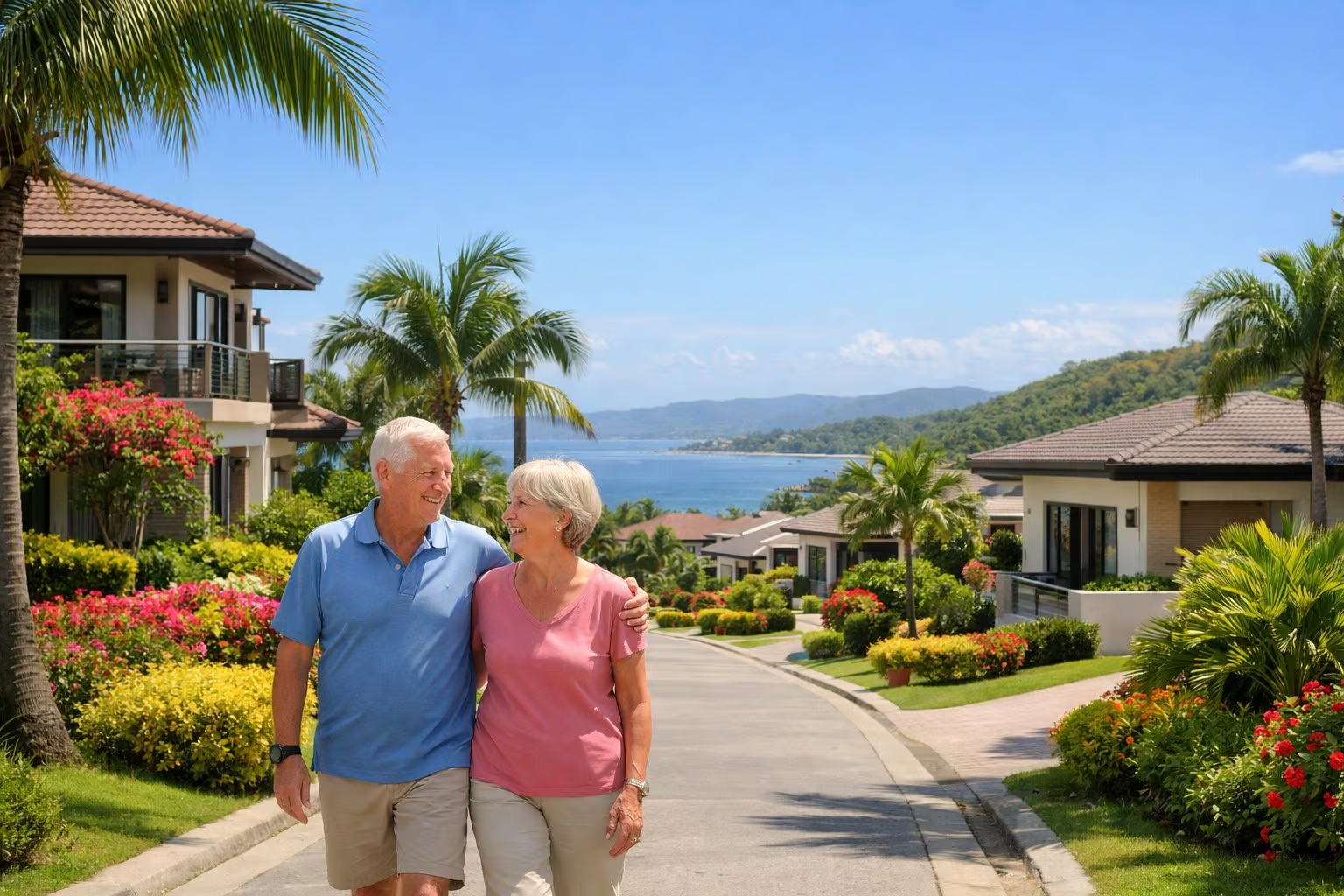
More retirees are choosing Cebu for their forever home, as it keeps drawing those who want a steady, comfortable life in the Philippines. Known as the Queen City of the South, it mixes city perks with easy access to beaches, hills, and quieter towns. You get the best of both worlds—daily convenience, but without losing that relaxed pace everyone seems to crave as they get older.
Cebu stands out as a top retirement choice because it offers affordable living, modern healthcare, and natural beauty in one place. Housing, food, transport, and healthcare all cost less than what most Westerners are used to. Good hospitals and well-trained doctors provide reliable care without those shocking bills.
Leisure matters too. Retirees here enjoy beaches, island hopping, golf, and strolls in walkable city areas. The local communities are strong, and a welcoming culture helps people settle in and feel supported.
Key Takeaways
- Cebu offers affordable living with access to modern services.
- Quality healthcare and infrastructure support long-term comfort.
- Natural scenery and community life shape a relaxed retirement.
Why Cebu Is the Top Choice for Retirees

Cebu attracts retirees who want comfort, value, and daily convenience. It brings together city services, natural beauty, and a growing expat network that makes long-term living easier.
Perfect Balance of City Convenience and Island Beauty
Cebu offers easy access to both urban services and natural escapes. Cebu City, the Queen City of the South, has malls, hospitals, banks, and airports all within close reach.
Venture outside the city and you’ll find beaches, waterfalls, and quiet coastal towns. Many retirees settle in places like Mactan or Talisay, where things slow down but you’re still near what you need.
It’s easy to run errands in the morning, then relax by the ocean or catch a sunset walk in the evening. Not a bad routine, honestly.
Key benefits include:
- International airport with direct regional flights
- Modern roads linking city and coastal areas
- Access to beaches within 30–60 minutes
Affordability and Quality of Life
Life in Cebu costs less than in most Western countries. Housing, food, and services stay affordable, but you don’t have to give up comfort or safety.
Retirees have options—city condos or homes by the coast. With manageable daily expenses, fixed incomes stretch further.
Healthcare is a big plus. Cebu has major hospitals with modern equipment and English-speaking staff. Many retirees pay out of pocket, but prices are way below U.S. or European rates.
Typical monthly costs stay reasonable for:
- Utilities and internet
- Local transportation
- Dining and basic services
Expanding Expat Community
Cebu’s expat population is visible and growing. Retirees from the U.S., Europe, and Asia often settle in Cebu City and nearby towns.
You’ll find social events, hobby clubs, and volunteer groups organized by expats. These networks make it easier for newcomers to settle in and avoid feeling isolated.
English is spoken everywhere, so daily life feels less stressful. Locals are usually patient and respectful toward retirees.
This mix of cultures creates a genuinely welcoming vibe. It’s easy to find both independence and community here.
Affordable Cost of Living and Real Estate
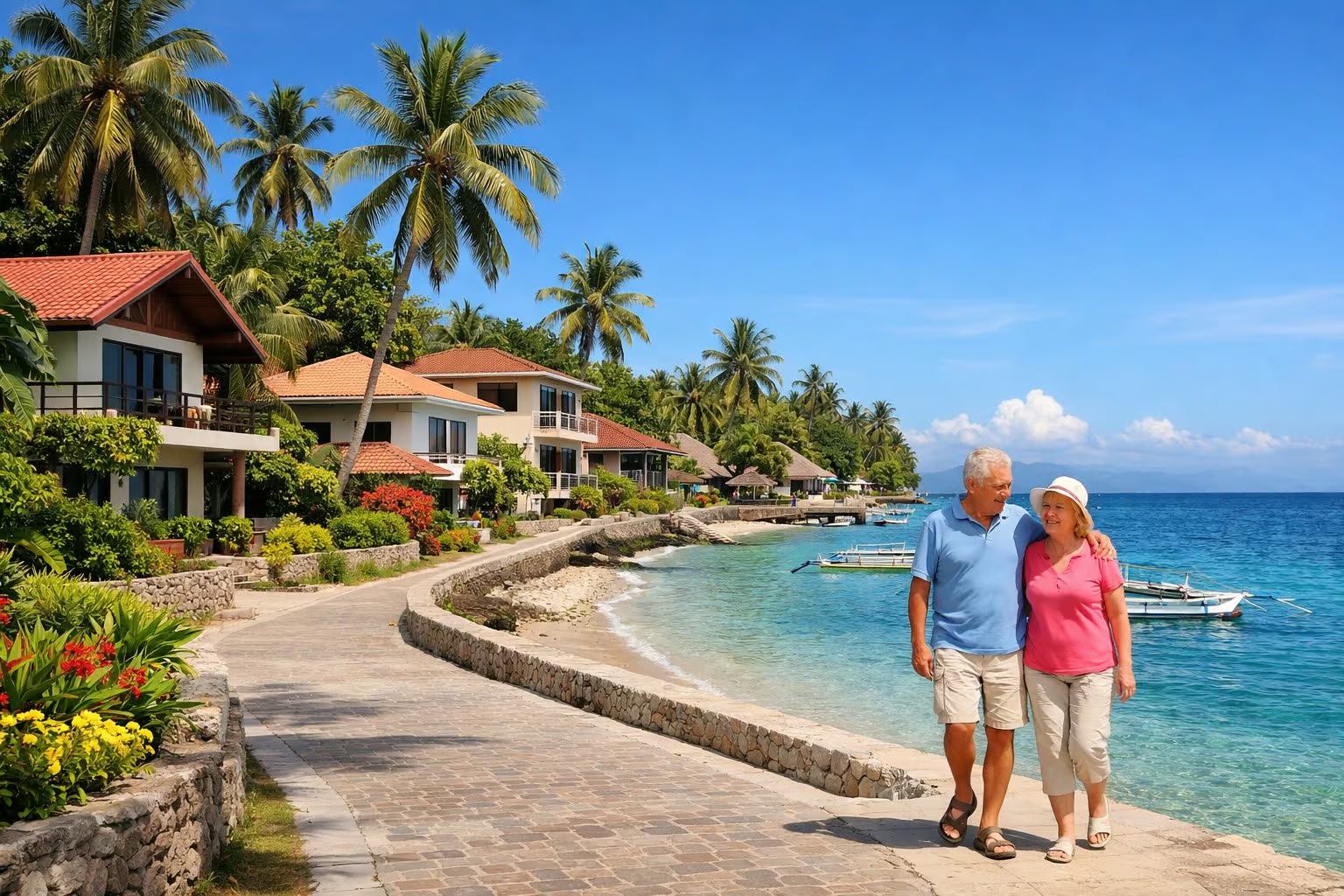
Cebu keeps daily costs low compared to most major Asian cities, but you still get modern comforts. Real estate options range from city condos to coastal homes, and expenses don’t spiral out of control. Solid infrastructure and steady demand help keep property values stable.
Housing Options in Cebu
Cebu City has plenty of condos close to hospitals, malls, and business centers. Prices usually start around ₱3 million, depending on where you look and how big you want to go. Most buildings come with security, elevators, and backup power—simple comforts that make life easier.
Outside the city, Mactan Island and nearby towns attract retirees looking for quieter spots and beach access. Homes and low-rise condos out here often cost less than city properties.
The CCLEX bridge has made getting between Cebu City and Mactan faster, so you can live near the beach and still reach the airport or city without a headache.
Cost of Everyday Essentials
Living in Cebu keeps daily costs manageable, especially if you’re on a fixed income. Utilities, groceries, and basic services are cheaper than in Metro Manila.
Typical monthly expenses:
| Item | Estimated Cost |
|---|---|
| Electricity & water | ₱2,500–₱4,000 |
| Internet & mobile | ₱1,500–₱2,000 |
| Groceries | ₱8,000–₱12,000 |
Fresh produce and seafood are easy to find at local markets and won’t break the bank. Imported goods cost more, but you can get them at bigger supermarkets if you’re craving a taste of home.
Dining and Transportation
Eating out is affordable. Local eateries serve full meals for ₱150–₱300, and even mid-range restaurants don’t get too pricey.
Cebu City’s food scene is varied—Filipino classics, international spots, you name it. Many retirees balance home cooking with eating out to keep things interesting and costs down.
Getting around is simple and cheap. Taxis, ride-hailing apps, jeepneys, and buses run daily. Short city rides usually cost under ₱200, so you don’t really need your own car.
Investment Opportunities
Real estate demand in Cebu keeps climbing, driven by tourism, business, and steady population growth. The DHSUD (Department of Human Settlements and Urban Development) continues to support housing development in the region. Property values have gone up, especially in Cebu City and around Mactan Island.
Big developers are building condos, mixed-use spaces, and resort-style communities. These attract renters—professionals, long-term visitors, and even other retirees.
New roads and projects like CCLEX are boosting land values in nearby areas. For retirees, this means you can live comfortably and maybe see your property appreciate over time.
Accessibility, Infrastructure, and Healthcare
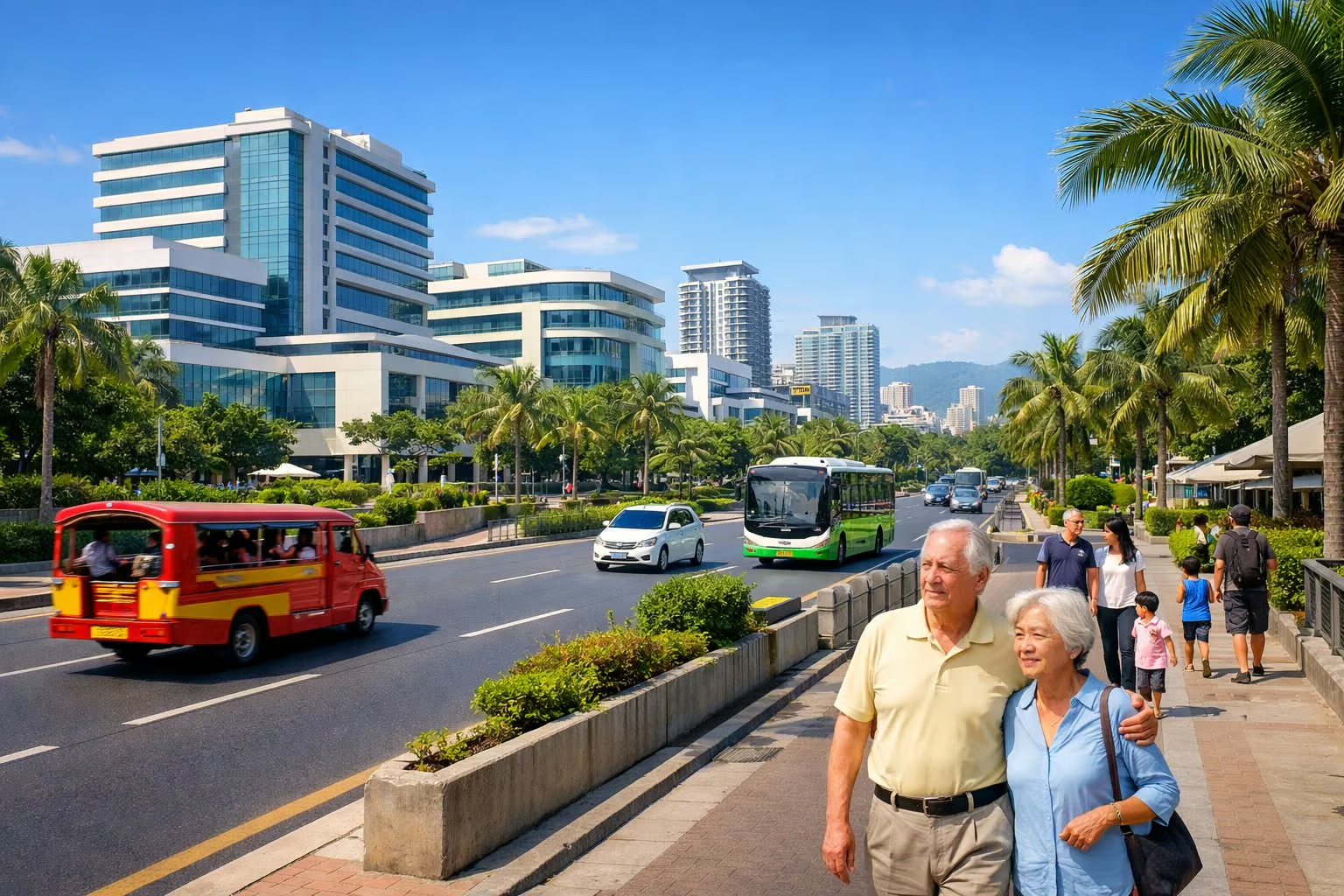
Cebu gives retirees easy travel, strong transport links, and reliable healthcare. The province also has clear visa options for foreigners looking to stay long term.
Access via Mactan-Cebu International Airport
Mactan-Cebu International Airport is the main gateway to the Visayas, handling direct flights from big Asian hubs and daily routes from Manila. Retirees can come and go without endless layovers.
The airport is on Mactan Island, close to beach communities and resorts. Travel to Cebu City usually takes less than an hour, unless traffic gets rough. Taxis and ride-hailing apps are available any time.
Modern terminals, clear signs, and senior-friendly facilities make travel less stressful. For retirees who value comfort and safety, these little touches matter.
Improved Connectivity with Cebu-Cordova Link Expressway
The Cebu-Cordova Link Expressway (CCLEX) connects Cebu City to Cordova on Mactan Island. This bridge really cuts down travel time between the mainland and Mactan.
It’s a big help for retirees living near the coast but who need to visit the city often—hospitals, malls, and government offices are now much easier to reach. Emergency trips are quicker and more predictable, too.
Other road upgrades around the province make daily movement easier. These projects ease traffic and improve access to growing residential and seaside areas popular with retirees.
World-Class Healthcare Services
Cebu offers strong healthcare options at lower costs than most Western countries. Major hospitals in Cebu City, like Chong Hua Hospital and Cebu Doctors’ Hospital, provide emergency care, diagnostics, and specialists.
There’s been a push for hospital upgrades, more clinics, and better rural access. New outpatient centers and preventive programs help with early care and keep wait times down.
Key healthcare advantages include:
- English-speaking doctors and nurses
- Modern equipment and diagnostics
- Affordable routine and specialized care
Retirement Visa and Residency Programs
Foreign retirees can get the Special Resident Retiree’s Visa (SRRV) through the Philippine Retirement Authority. This visa lets you stay long-term with multiple-entry perks.
The SRRV comes with benefits like skipping exit permits and flexible stay options. Some visa types even allow property or time deposit investments, depending on your age and pension.
Local agencies in Cebu help with applications and renewals, so the paperwork isn’t as intimidating. That support makes settling in a lot less stressful.
Leisure, Lifestyle, and Community
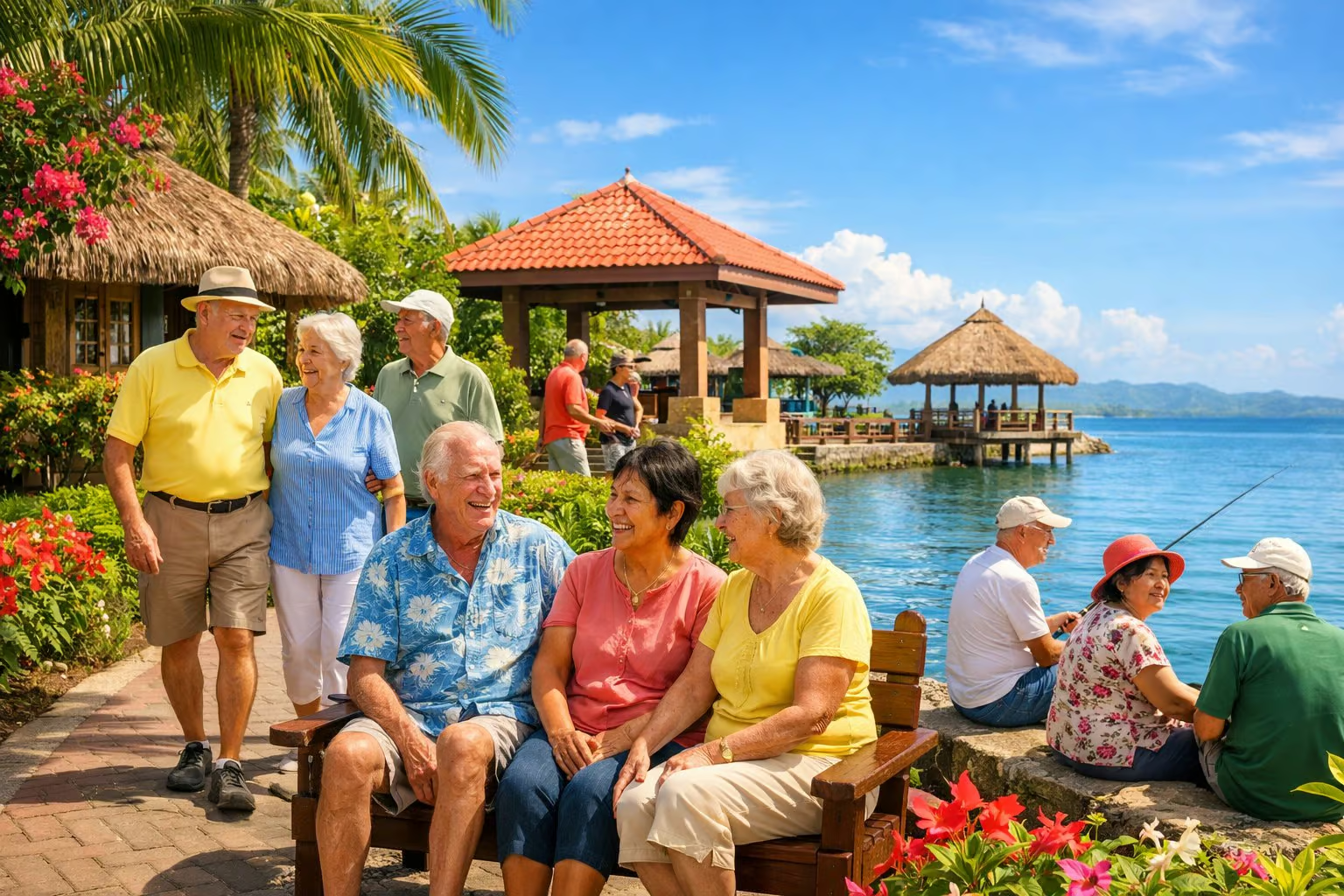
Cebu makes it easy to enjoy an active but relaxed lifestyle. Nature is always close, city services are reliable, and the social scene is open and friendly. Most retirees find daily life here simple, manageable, and honestly, pretty enjoyable.
Beach Resorts and Natural Attractions
Living in Cebu puts retirees right near beaches, islands, and outdoor spaces. Mactan Island is just minutes from Cebu City, with calm beaches, dive spots, and resorts that are actually pretty well maintained. A lot of retirees head out here for a swim, snorkeling, or just a quiet walk by the sea.
Nature’s never far. There are marine sanctuaries, waterfalls, and laid-back coastal towns you can reach in an hour or two by car. If you’re not into strenuous stuff, there are golf courses and hiking trails that are easy on the joints.
With the warm weather, you can plan outdoor activities pretty much all year. Plenty of communities sit along the coast or up in the hills, so you get fresh air and great views—but you’re not stuck out in the middle of nowhere, either.
Vibrant Urban Living
Cebu City’s got modern comforts that make daily life easy. Shopping malls, groceries, and pharmacies are all close by. Big spots like IT Park and Ayala Center have clean public areas and plenty of events if you’re looking for something to do.
There’s a good mix of food—local places and international restaurants. Menus usually have simple, healthy options, and honestly, prices are pretty reasonable compared to Western cities.
Public services are getting better. Internet’s reliable, there’s private transport, and domestic flights are a breeze. If you want convenience but not the chaos of a huge city, Cebu’s urban life is a good fit.
Safety and Expat-Friendly Environment
Cebu feels stable and friendly for retirees. Most neighborhoods use gated communities, condo security, and even neighborhood guards. It’s not perfect, but most people feel safe going about their day.
The expat crowd keeps growing. There are social clubs, faith groups, and volunteer opportunities, so it’s not hard to meet people. English is spoken everywhere, so you’re not left guessing what’s going on.
Local culture really values respect and hospitality. Retirees usually mention good experiences with neighbors and staff. That kind of atmosphere makes settling in for the long haul much easier.
Frequently Asked Questions
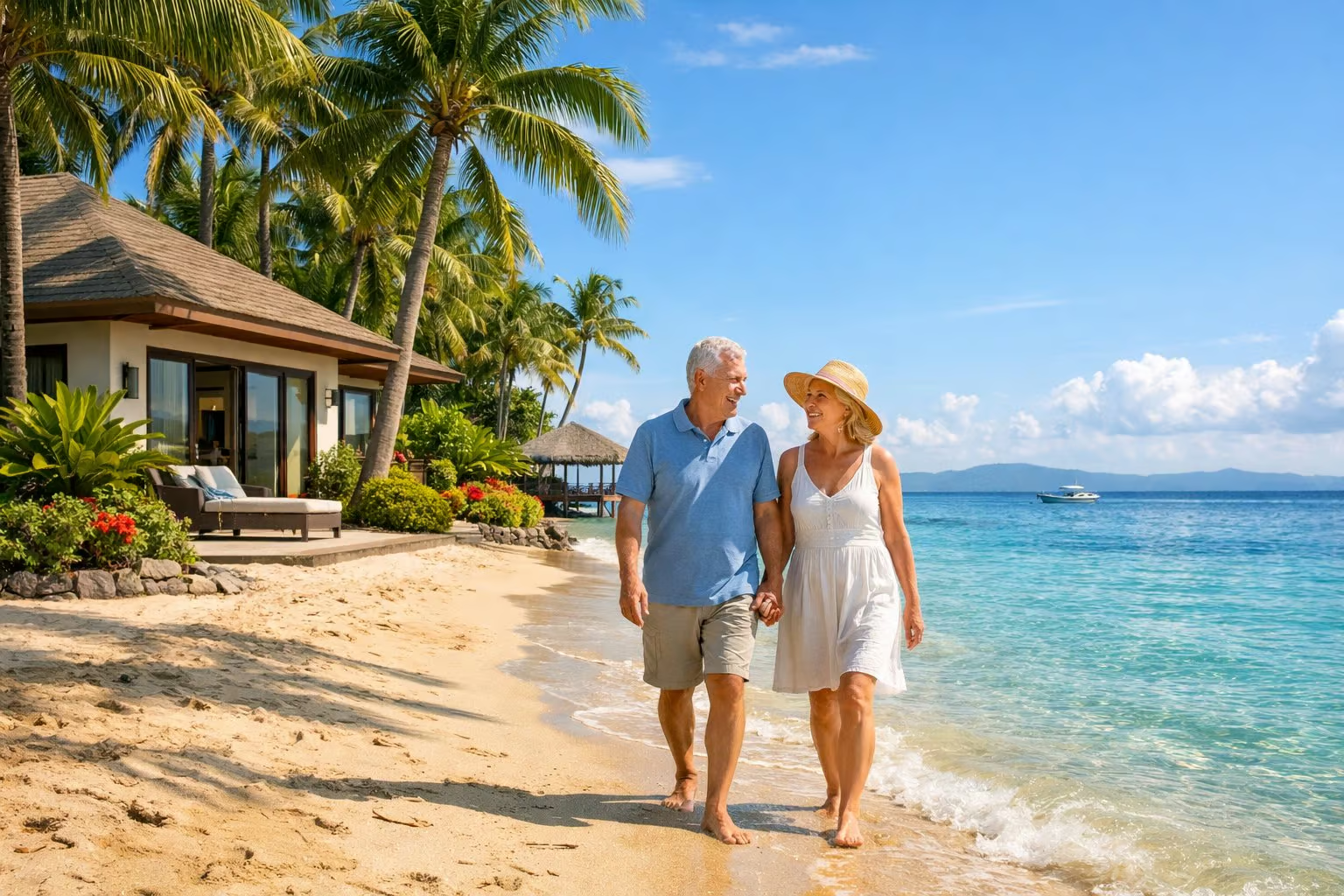
Lots of retirees pick Cebu because it’s more affordable, healthcare is reliable, and you get both city perks and easy access to nature. There are visa options, housing prices that aren’t outrageous, and plenty to do day-to-day.
What are the financial benefits of retiring to Cebu for international retirees?
International retirees usually spend less on housing, food, and healthcare than back home. Daily costs are manageable, so pensions and savings go further.
Many services are cheaper without really sacrificing quality. That goes for dining, getting around, and most medical care.
How do housing costs in Cebu compare to other popular retirement destinations?
Housing in Cebu is less expensive than a lot of Southeast Asian cities, and way less than in North America or Europe. You can get a condo in the city starting at around ₱3 million, but it depends on size and location.
Coastal towns nearby are even more affordable and quieter. They’re popular with retirees who want more space and easy ocean access.
Can retirees expect quality healthcare services in Cebu, and how do the costs compare internationally?
Cebu has major hospitals like Chong Hua Hospital and Cebu Doctors’ Hospital. The equipment’s modern, and the staff know what they’re doing.
Medical costs are much lower than in the US, Canada, or Australia. Tests, doctor visits, and procedures don’t break the bank.
What types of recreational activities are available for retirees in Cebu?
Retirees spend time at beaches, go on island trips, or check out marine parks. Golf, hiking, and fitness groups are also pretty common.
There are cultural events, malls, and local markets for daily outings. Social clubs make it easier to stay active and meet people.
What makes Cebu an attractive destination for retirees seeking a mix of urban and natural lifestyles?
Cebu City has malls, hospitals, and restaurants all close together. But beaches and mountains are just outside the city, so you don’t have to choose between the two.
It’s easy and affordable to get around, so retirees really can enjoy both city life and nature without much hassle.
How does the Special Resident Retiree’s Visa (SRRV) benefit retirees looking to move to Cebu?
The SRRV lets eligible retirees settle down in the Philippines for the long haul. You can come and go as you please, and there’s no need to deal with yearly visa renewals—pretty convenient, honestly.
Certain SRRV options even let retirees put money into property or time deposits, which can make residency in Cebu more secure and official. It’s a straightforward way to set up a new life here.