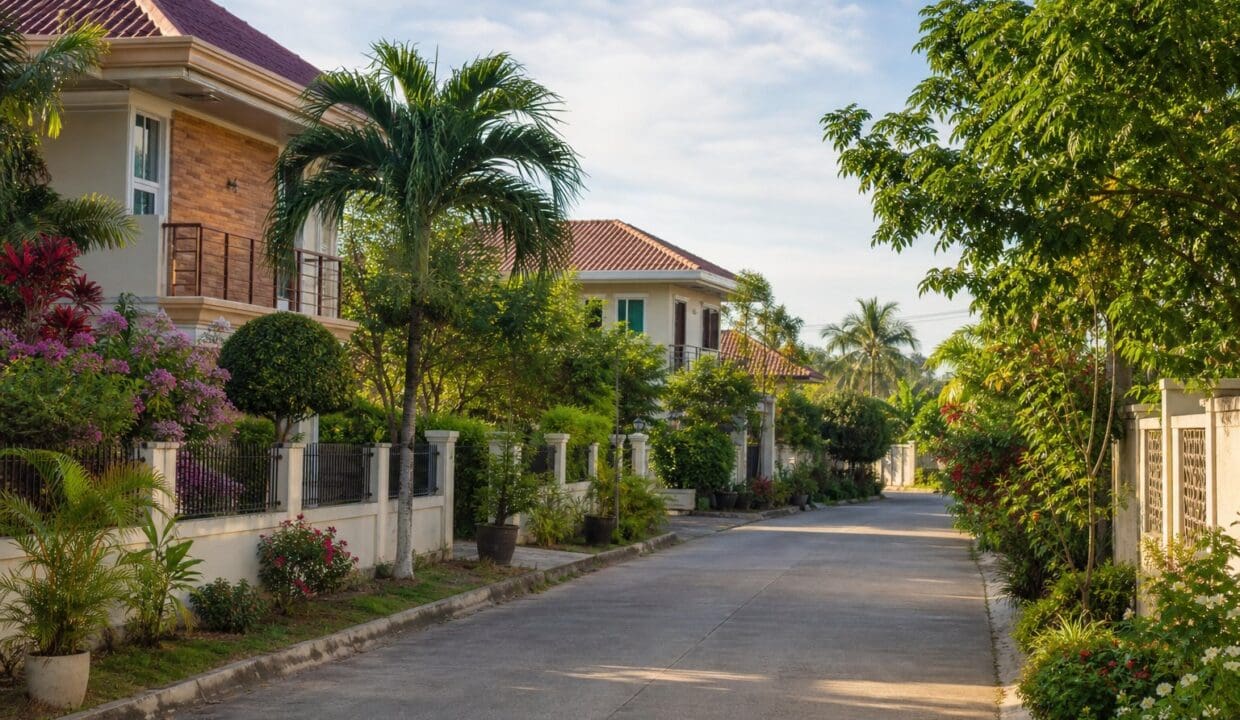
Metro Cebu Haze Sends Air Quality to ‘Very Unhealthy’ Levels — What Residents Need to Know
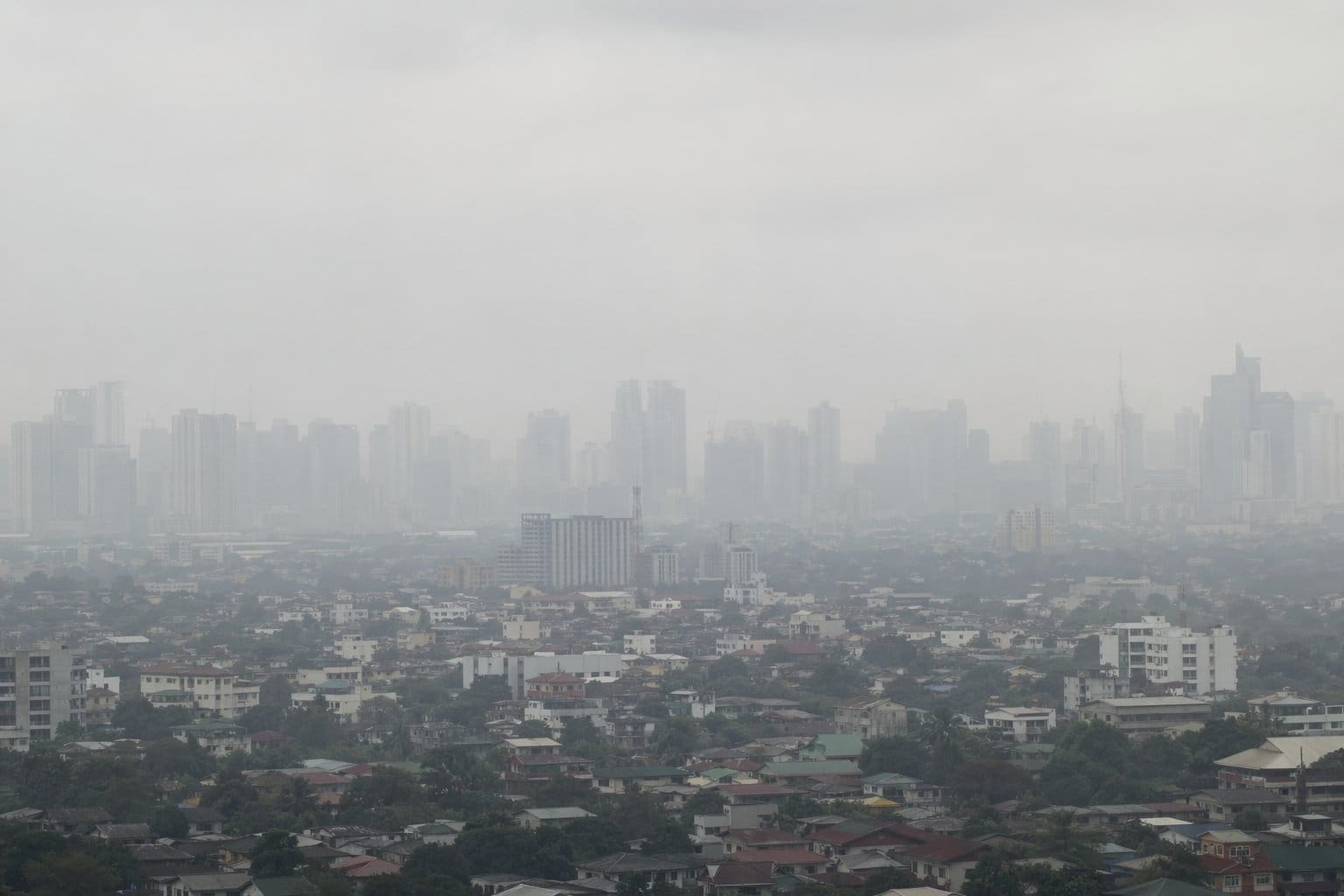
A thick haze settled over Metro Cebu on April 17, 2026. By the weekend, the Department of Environment and Natural Resources (DENR) classified air quality in the area as “very unhealthy.” Monitoring data from Talisay City showed the Air Quality Index (AQI) climb from 112 on Saturday, April 18, to 199 by early Sunday morning, April 19. At these levels, health risks extend to the general public — not just vulnerable groups.
The episode lasted several days before conditions began to ease on April 22, when authorities recorded a “fair” rating after stronger winds moved in across the region.
What the Numbers Mean
The AQI scale runs from 0 to 500. A reading between 151 and 200 falls in the “very unhealthy” bracket. At this level, many people — not just those with existing health conditions — may start to feel the effects of polluted air. So, a reading of 199 places Metro Cebu near the top of that range. It is just one point below the “hazardous” threshold.
The main pollutant driving the AQI spike was PM2.5, or fine particulate matter. These particles are small enough to pass through the nose and throat and settle deep in the lungs. Indeed, PM2.5 links most closely to both short-term respiratory symptoms and long-term lung and heart damage.
What Caused the Haze
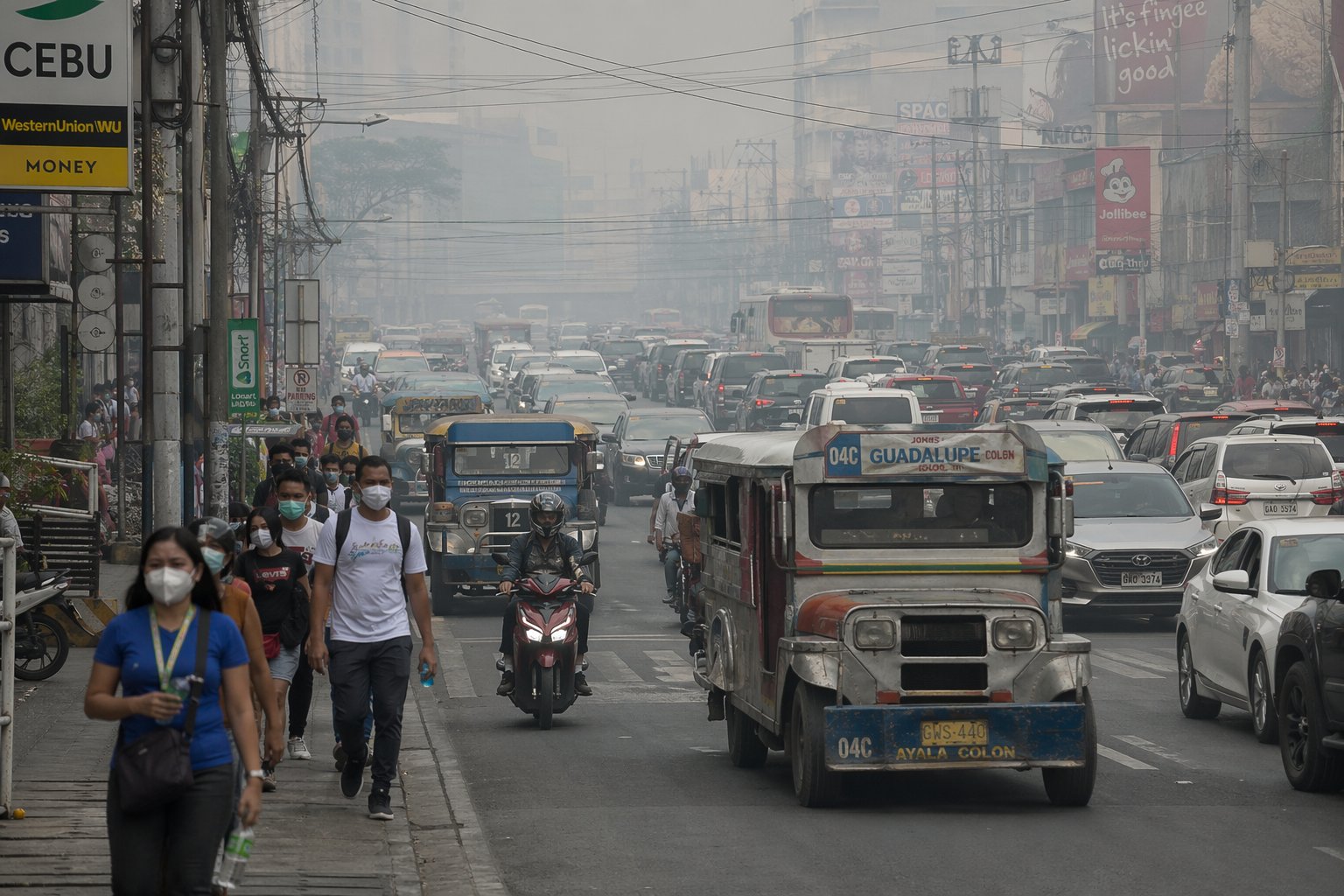
DENR-EMB Region 7 pointed to a combination of local sources and weather conditions. Hot, dry weather in mid-April brought high-pressure systems that stalled normal wind patterns over the Cebu area. So, with little to no air movement, pollutants from vehicle exhaust, road dust, and industrial emissions had nowhere to go. The result was a “zero-dispersion” effect — pollutants accumulated faster than they could clear.
Moreover, localized fires made things worse. Grass fires in the South Road Properties (SRP) and separate incidents in Pahina Central added smoke to the already-trapped mix. Still, authorities noted that these fires contributed less than the weather-driven stagnation.
Health Risks and Who Is Most at Risk
At AQI levels above 150, the most common symptoms are throat irritation, coughing, and shortness of breath. However, for certain groups, the risks go further. Children, pregnant women, and senior citizens face higher risks. So do those with asthma, heart disease, or other respiratory conditions. These groups can experience serious effects even at lower AQI readings.
Health officials in Cebu urged residents in affected areas to limit outdoor activity. This was especially important during the hottest parts of the day. Also, authorities recommended N95 or KN95 masks for anyone who needed to travel outdoors. Standard surgical masks offer far less protection against PM2.5.
Government Response
The Cebu Capitol placed local offices on alert as the situation worsened over the weekend. Provincial authorities issued advisories urging residents to stay indoors where possible, keep windows closed, and monitor official AQI updates. DENR-EMB 7 continued to track readings from the Talisay City monitoring station and shared hourly updates.
Also, the Manila Times reported that residents across Metro Cebu received text advisories. These urged them to wear face masks, avoid burning waste or vegetation, and reduce vehicle use during the peak haze period. Still, no school or office suspensions were formally declared at the height of the event.
Air Quality Improving as of April 22
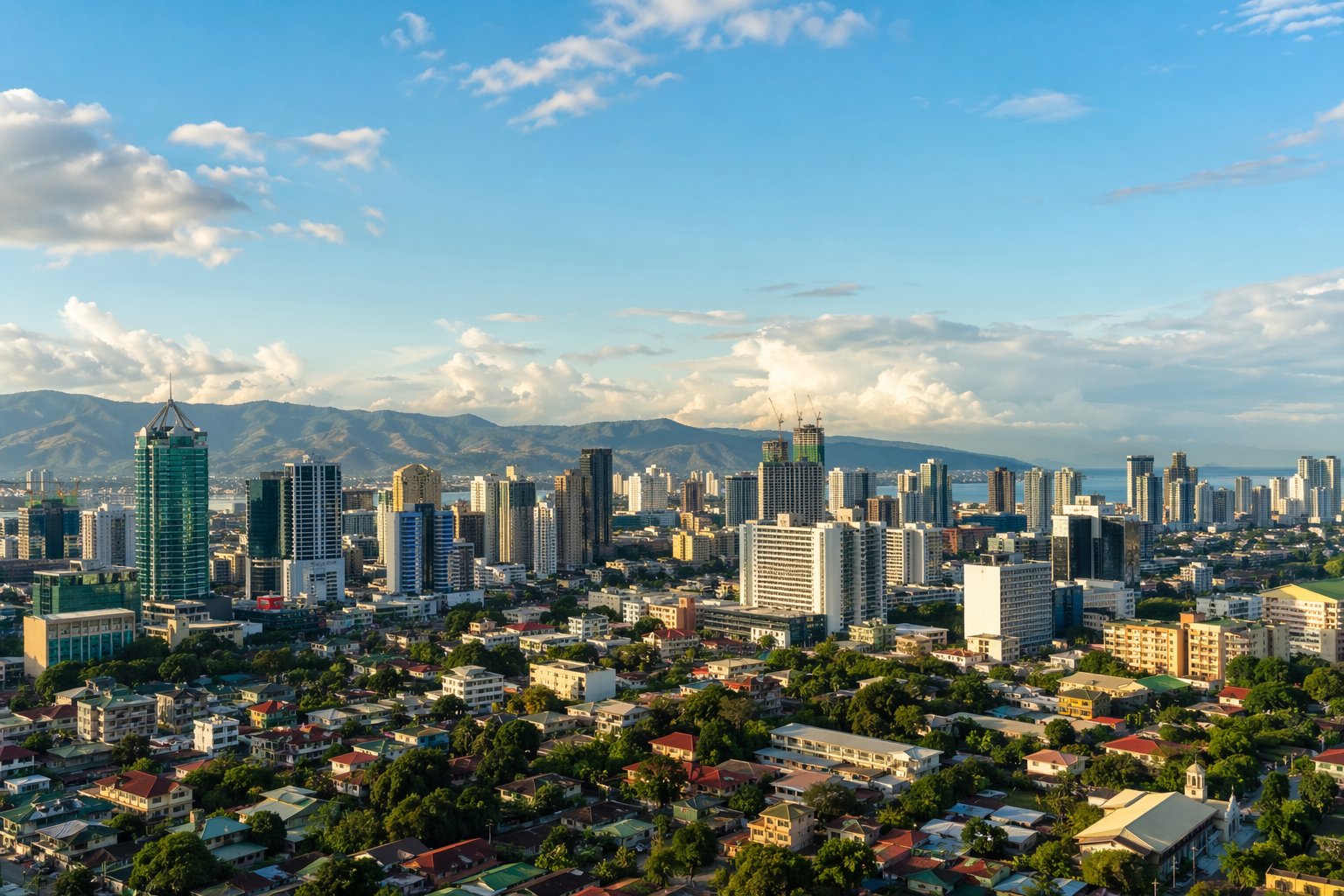
Conditions began to improve by mid-week. Stronger winds returned to the region on April 21 and 22. These winds broke the stagnant air mass and dispersed PM2.5 that had built up over several days. By the morning of April 22, the AQI dropped to levels in the “fair” range — a significant improvement from the weekend’s peak.
GMA Regional TV and the Sunstar both reported the improvement. Metro Cebu residents could begin to reduce precautions, but should continue to monitor updates. Indeed, the DENR warned that conditions remain sensitive to weather changes. Another hot, windless period could cause pollutants to accumulate again.
What Residents Should Keep Doing
Even with air quality now rated “fair,” health experts advise keeping certain habits until conditions stabilise. First, keep an N95 or KN95 mask on hand for outdoor trips, especially during the hottest part of the day. Also, avoid burning yard waste or trash. The Clean Air Act prohibits open burning, and it raises PM2.5 levels too. Only open windows when you know the outdoor air is safe. Moreover, check real-time AQI readings via IQAir or the DENR-EMB monitoring portal before planning outdoor activities.
Children and the elderly should still limit prolonged outdoor exposure, even at fair AQI levels. So, if symptoms like persistent coughing or shortness of breath continue, seek medical advice promptly.
The Bigger Picture
This is not the first time Metro Cebu has dealt with haze and poor air quality. Rapid urbanisation, increased vehicle traffic, and growing industrial zones all drive rising baseline pollution levels in the city. However, the April 2026 episode stood out for one reason. The AQI jumped from a moderate reading on Friday to near-hazardous levels within just 48 hours.
DENR-EMB 7 has not yet released a full report on the episode. Still, analysts expect the findings to call for stricter monitoring of local emissions sources. High-traffic corridors and industrial estates in Mandaue and Lapu-Lapu City are likely to come under closer review.
For the latest air quality readings in Cebu, visit the IQAir Cebu City tracker or the DENR Environmental Management Bureau Region 7 official page.