The Role of OFW Remittances in the Philippine Housing Market: Driving Growth and Opportunities
Overseas Filipino Workers play a steady, behind-the-scenes role in the Philippine economy through the money they send home. These remittances reach billions of dollars each year, covering daily needs, tuition, and even longer-term dreams. This financial influx is instrumental in driving growth and opportunities across multiple sectors. OFW remittances hit about $36.1 billion in 2023—nearly 9% of the country’s GDP, and a big boost for the housing market.
A good chunk of these funds goes into real estate—homes for families, future retirement spots, or just something to call their own. Many OFWs aim for affordable houses, condos close to work hubs, or house-and-lot deals for long-term security. This steady appetite nudges developers to put up more mid-range and budget-friendly projects in the cities that matter most.
Plenty of OFWs also invest in rentals for extra income. These moves spur demand for housing loans and push banks to offer better mortgage deals. So, as remittances keep coming, the housing market grows—shaping where Filipinos live and how neighborhoods change.
Key Takeaways
- OFW remittances are a major pillar of the national economy.
- Housing demand rises through home purchases and rental investments.
- Financial services evolve to meet OFW housing needs.
OFW Remittances and Their Economic Impact

OFW remittances pour steady cash into the country, fueling growth. They boost household spending, add foreign exchange, and help keep the economy on an even keel when things get rocky globally.
Contribution to Philippine GDP
OFW remittances make up a hefty portion of the economy. In 2023, they reached $36.1 billion, or almost 9% of GDP, according to the central bank. That’s up there with the country’s biggest income sources.
This money goes straight to Filipino households. Families spend it on food, school, health care, and, of course, housing. All that spending keeps demand for goods and services up—and supports jobs across the board.
The housing market, in particular, gets a direct lift. Many OFWs use remittances for down payments, monthly loans, or even construction costs. This connection means remittances drive construction and property sales, which in turn add to GDP through taxes, fees, and wages.
| Indicator | 2023 Value |
|---|---|
| OFW Remittances | $36.1 billion |
| Share of GDP | ~9% |
Foreign Exchange and Economic Stability
Remittances mostly arrive in foreign currency. Banks convert these to pesos, boosting the country’s foreign exchange reserves. That helps pay for imports and keep external payments in check.
Consistent inflows also cushion the peso during global shocks. When exports or investments take a dip, remittances usually hold steady. That helps keep prices in line and prevents wild swings in the currency.
The central bank uses these strong inflows to build reserves, which boosts confidence among investors and lenders. More stability means less risk for long-term plans—like housing loans and property development that’s tied to OFW demand.
Remittance Inflows and Growth Trends
Remittance inflows have grown pretty steadily. In recent years, annual growth averaged about 3%, even when the world economy stumbled. That’s partly thanks to OFWs finding work in all sorts of places and industries.
The Philippines sits near the top globally for remittance receipts. These inflows usually make up about 9–10% of the economy each year. It’s a solid foundation for remittances and economic growth.
For real estate, this predictability matters. Regular cash transfers let OFWs plan home purchases, secure loans, and invest in rentals. Reliable demand keeps builders, banks, and local governments busy in both cities and regional areas.
How OFWs Influence the Philippine Housing Market

Overseas Filipino Workers shape housing demand with steady remittances, clear goals, and a long view. Their decisions influence where homes pop up, how projects get financed, and who can actually get credit.
Homeownership as a Key Priority
For a lot of OFWs, owning a home is the big dream. They buy for their families back home or for themselves eventually. This focus drives up demand for practical homes in safe areas with stable prices.
Developers respond with units that fit these needs and budgets. You’ll see projects near schools, hospitals, and transport—features that matter when a family’s managing day-to-day life while a loved one works abroad.
Popular picks:
- Affordable houses: ₱1.5M–₱4M, often just outside city centers
- Condos: Smaller units close to jobs and transit
- House-and-lot packages: More space for longer-term living
Steady remittances help with monthly payments, so buyers can commit even if the local job market isn’t great.
Investment in Rental Properties
OFWs also buy property for rental income. They look for assets that pay for their own upkeep and hopefully grow in value. This works well for folks who want extra income but can’t manage things hands-on.
Most of this demand lands in urban centers, where jobs, schools, and tourism keep renters coming. Short-term rentals are also popular in travel hotspots.
In-demand locations:
- Metro Manila: Makati, BGC, Quezon City
- Cebu and Davao: Busy business and education hubs
- Tourist spots: Palawan, Boracay, and similar places
Property managers and leasing services help out absentee owners, making it easier to invest from abroad and lowering the risks.
Impact on Property Development and Urban Growth
Remittance-fueled demand shapes where developers build. Projects rise near transport, business centers, and new townships, leading to more compact growth and better land use.
Developers tweak unit sizes and layouts to match what remittance-backed buyers can afford. Flexible payment terms and pre-selling help families get in early, even if they’re not in the country.
Local economies feel the ripple effects. Construction means jobs, and new communities bring more shops and services. As these areas grow, cities upgrade roads, utilities, and public spaces—though sometimes it feels like they’re playing catch-up.
Demand for Housing Loans and Financial Services
More buyers mean more demand for housing loans that work for overseas incomes. Banks check foreign contracts and remittance histories, opening up credit to more families.
Financial inclusion gets a boost as lenders roll out digital apps and remote approvals. OFWs can manage accounts, pay dues, and track loans online, and their families back home get pulled into formal banking too.
Typical loan features:
- Longer payment terms
- Flexible down payments
- Peso or dollar options
These services lower the barriers to owning or investing in property, while tying remittances more closely to the formal financial system.
Policy, Protection, and the Role of Key Institutions
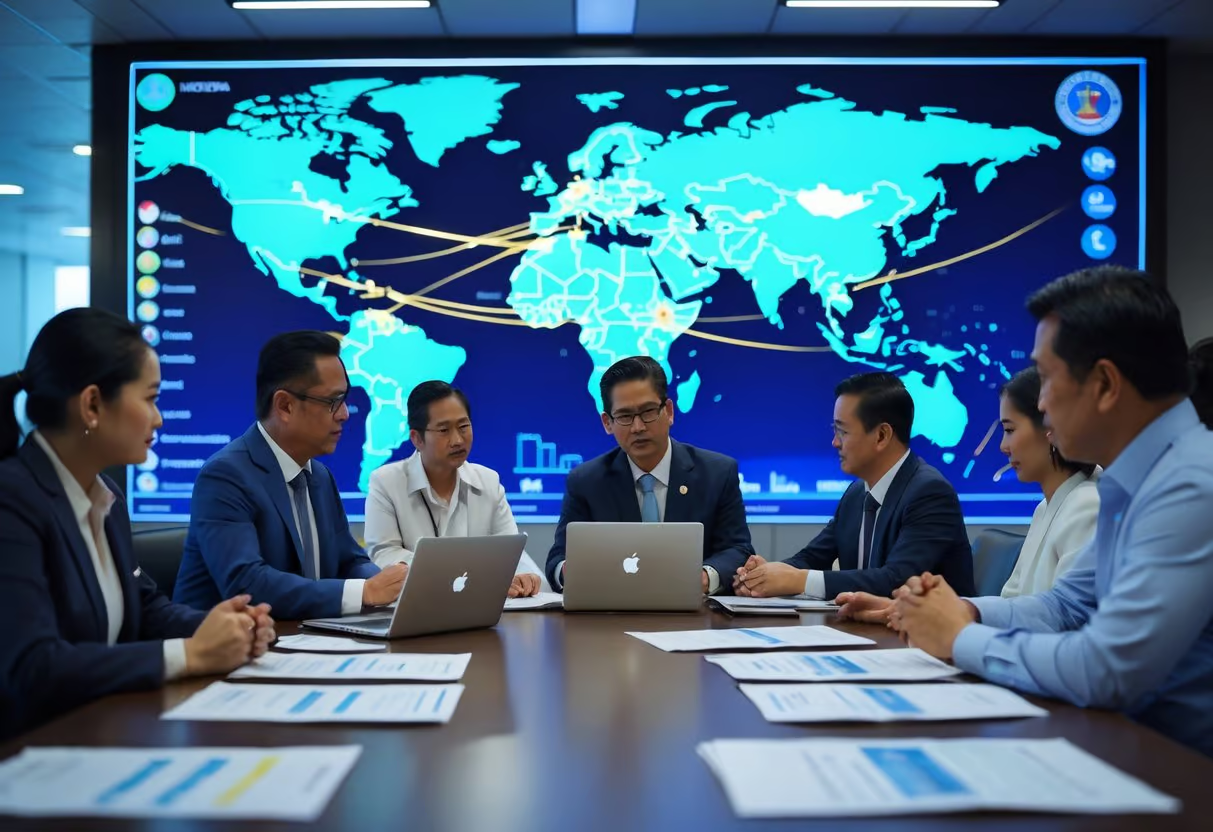
Public policy shapes how OFWs work abroad, send money home, and invest in housing. Key agencies handle deployment, welfare, and financial access. Their choices affect job security, remittance flows, and real estate demand, for better or worse.
Government Agencies Supporting OFWs
Several agencies look after OFWs throughout their journey. The Department of Migrant Workers (DMW) now leads on policy, licensing, and worker protection, pulling together key functions to make things less confusing.
The Philippine Overseas Employment Administration (POEA) keeps tabs on recruitment agencies and job contracts, setting standards to curb illegal recruitment and contract abuse. That oversight helps keep incomes steady, which matters for long-term housing plans.
The Overseas Workers Welfare Administration (OWWA) offers insurance, legal help, and emergency support. They also give housing-related advice and connect people with loan programs.
Quick agency rundown:
| Agency | Main Focus |
|---|---|
| DMW | Policy, protection, coordination |
| POEA | Recruitment and deployment rules |
| OWWA | Welfare, insurance, family support |
Regulatory Reforms and Welfare Programs
Recent reforms aim for safer migration and better welfare. The DMW enforces tighter rules on contracts, placement fees, and employer accountability, hoping to protect earnings and cut down on disputes.
Pre-departure orientation seminars prep workers for life and work abroad, covering contracts, rights, financial planning, and smart remittance use. This kind of preparation lowers risks and helps keep incomes steady.
Reintegration programs help returning OFWs start businesses or find local jobs, offering skills training, livelihood grants, and job matching. A stable reintegration makes it easier for families to keep up with mortgages and property upkeep.
Legal aid and on-site help matter too. Labor attachés and help desks support OFWs during disputes, and quick resolutions help protect savings meant for housing.
Financial Inclusion and Transfer Fees
Lower remittance costs mean more money left for housing. Banks, fintech startups, and government partners have rolled out more ways for OFWs to send money home. Digital wallets and online banking make transfers quick and, honestly, a bit less stressful.
Transfer fees still depend on where you’re sending from and which provider you pick. Sure, competition’s helped lower costs, but those fees can still eat into your budget. Even a small drop can make a difference—maybe that’s an extra loan payment or a bit more in savings.
Financial inclusion programs nudge OFWs toward formal banking. Many banks now have accounts, mortgages, and auto-debit options made just for them. These tools can help with credit access and sticking to payment schedules, though not everyone finds them easy to use at first.
Some real perks of better access:
- Faster remittances with upfront fees
- Easier mortgage approval using overseas income
- Better tracking of savings for property goals
Challenges, Opportunities, and the Future for OFWs

OFWs deal with real risks on the job, gaps when they come home, and job markets that keep shifting. Policies, support systems, and new skills all play a part in how things turn out for them and their families.
Employment and Contract Issues
Most OFWs work under fixed-term contracts with foreign employers. Contract substitution is still a big risk—sometimes, the terms change after they arrive. That can mess with pay, hours, or even the job itself.
Job security is all over the place depending on the country and sector. Health care, shipping, and construction usually offer more stable roles. Service jobs, though? Those can change overnight. The Philippines has rules to protect workers, but how well they’re enforced really depends on where you land.
Common problems are delayed pay, unsafe housing, and not enough legal help. Pre-departure briefings are supposed to help, but a lot of OFWs still end up relying on recruiters. Better screening and verified job orders help cut down the risk, but not everyone’s protected.
Key risks to watch
- Contract substitution after deployment
- Limited access to legal aid
- Short notice layoffs
Reintegration and Support for Returning OFWs
Coming home isn’t always smooth. OFWs can face income gaps and it’s tough if their skills don’t quite fit jobs back in the Philippines. Savings can run out fast while job hunting, especially after years abroad.
There are government programs for training, loans, and job matching, but access depends on where you live and what you know about. Local centers can help with paperwork, counseling, or small business tips, but not everyone finds their way there.
Housing and real estate plans often shape how OFWs reintegrate. Some move into rentals or start small businesses to get by. Having steady support can make the transition easier and keep families afloat.
Available support
- Skills training and certification
- Small business loans
- Job placement services
Evolving Opportunities Abroad
There’s still strong demand for nurses, caregivers, seafarers, and skilled techs. Countries with aging populations need more health workers, and green energy or infrastructure projects are opening up new roles too.
Digital skills are changing the game. Remote work, IT support, and online services mean you don’t always have to move abroad anymore. These jobs can offer steadier hours and often lower costs, which is a welcome change for many.
Bilateral agreements help make jobs safer and more accessible. Clear wage standards and dispute systems matter, and OFWs who upskill tend to land better pay and longer contracts.
High-demand sectors
- Health care and caregiving
- Maritime and logistics
- IT and remote services
Frequently Asked Questions

OFWs use remittances to buy homes, invest in rentals, and build up long-term assets. These choices help shape housing demand, support GDP growth, and influence how banks and developers operate across the country.
What are the benefits of investing in Philippine real estate for OFWs?
Real estate gives OFWs a stable asset they can use or rent out. Property values in big cities usually go up over time, which helps protect savings from inflation.
Rental income adds steady cash flow while working abroad. For many, owning property feels like a step toward retirement or family security.
How do OFW remittances affect the country’s GDP and the Philippine housing market?
Remittances totaled about $36.1 billion in 2023—almost 9% of GDP, according to central bank data. That money supports household spending and drives up housing demand.
As more OFWs buy homes, developers build more in cities and suburban areas. This growth supports jobs in construction, banking, and related fields.
What property types are popular among OFWs in the Philippines, and why?
Affordable and mid-range homes are top picks for OFWs wanting a place for their families. Prices usually fall between ₱1.5 million and ₱4 million, fitting most budgets.
Condos near business districts attract those looking for rental income. House-and-lot packages are still popular for long-term use or retirement plans down the line.