

How the Fuel Surge Is Affecting Cebu Property Prices and Demand
Fuel prices in the Philippines have been rising. And when fuel goes up, the effects reach far beyond the gas station. In Cebu, how the Fuel Surge Is Affecting Cebu Property has become an important topic, as the impact is already being felt in the real estate market — from construction costs to rental demand to where people choose to live.
If you are buying, renting, or investing in property right now, this is something you need to understand. Because fuel surges do not just affect your commute. They affect the price of the unit you are buying, the area you choose, and the returns you can expect as an investor.
Here is a clear breakdown of what is happening — and what it means for you.
Key Takeaways
- Fuel surges raise construction costs, which push new property prices higher
- Transport costs are making buyers prefer areas close to work and business hubs
- Rental demand in walkable, central locations is rising as commuting gets more expensive
- Investors in well-located properties stand to gain from the shift in demand
- Buyers who act before further cost increases may lock in better prices
What Is Driving the Fuel Surge?
Fuel prices in the Philippines are tied to global oil markets. When global crude prices rise — due to supply cuts, supply cuts, conflict, or currency shifts — local pump prices follow. The Philippine peso’s weakness against the US dollar makes imported oil even more expensive.
In recent months, Cebu has seen repeated upward adjustments in diesel and gasoline prices. This affects everything that runs on fuel — delivery trucks, construction equipment, generators, and public transport. So the ripple effects are wide.
For the real estate market, the two biggest impacts are higher construction costs and shifting demand for property locations. Both are already reshaping the Cebu market.
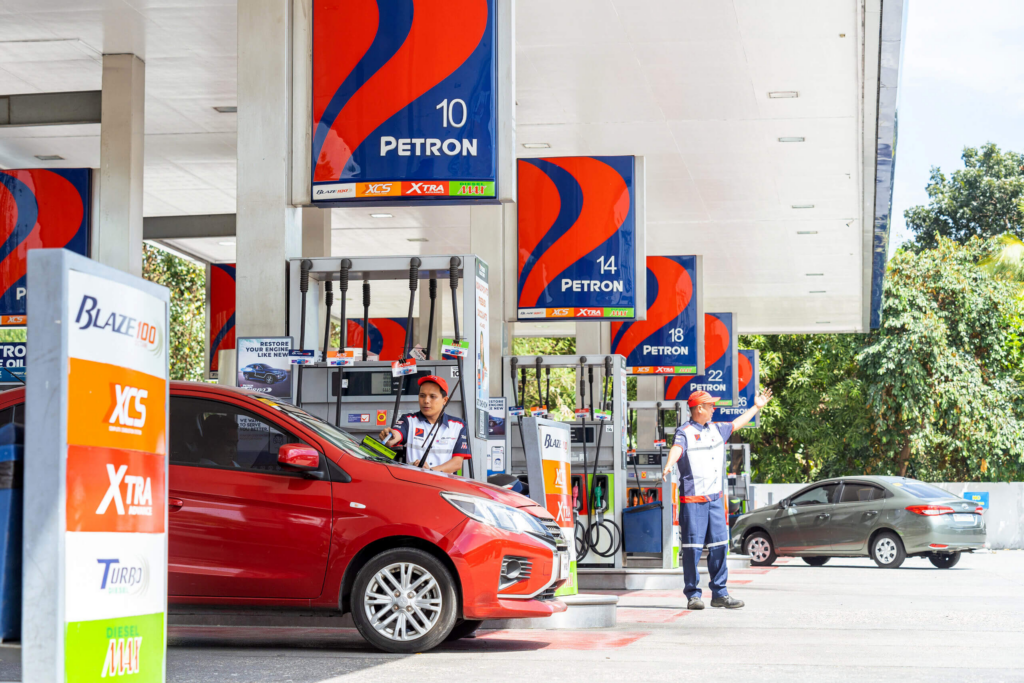
How Fuel Surges Push Up Construction Costs
Building a property is fuel-intensive. Cement mixers, cranes, delivery trucks, and heavy equipment all run on diesel. When diesel prices rise, developers pay more to build. Those costs get passed on to buyers.
Also, the materials themselves become more expensive. Steel, cement, sand, and gravel all need to be transported to the site. Higher fuel prices mean higher delivery costs. So even if raw material prices stay stable, the landed cost goes up.
For pre-selling units, this is especially important to watch. Developers lock in prices at launch, but they build over two to four years. If fuel costs rise during that period, their margins shrink — or they adjust prices in the next phase. Buyers who enter early often get the best pricing before those adjustments happen.
For ready-for-occupancy (RFO) units, the effect is more immediate. Developers selling existing inventory are already factoring in the higher costs of their recent build. So RFO prices in new buildings tend to reflect the current cost environment more directly.
In short, rising fuel prices put upward pressure on property prices over time. Waiting for prices to drop may not be a safe strategy in this environment.

How Fuel Costs Are Changing Where People Want to Live
When fuel is cheap, a long commute feels manageable. But when gasoline prices spike, that 45-minute drive starts to feel very expensive. People start rethinking their location choices.
In Cebu, this shift is playing out in real time. Buyers and renters are placing a higher value on properties close to their workplace, school, or business district. Areas like IT Park, Cebu Business Park, and the South Road Properties are seeing stronger interest. So are mid-city condos that cut out the daily commute entirely.
On the other hand, properties far from the city center are facing softer demand. Even if the unit is cheaper, buyers are now factoring in the ongoing fuel cost of living far from everything. That calculation is changing for many people.
For families, the calculus also includes school runs and weekend trips. So suburban areas that seemed attractive a few years ago are now being weighed more carefully. Some buyers are choosing a smaller unit in a better location over a larger one far away.
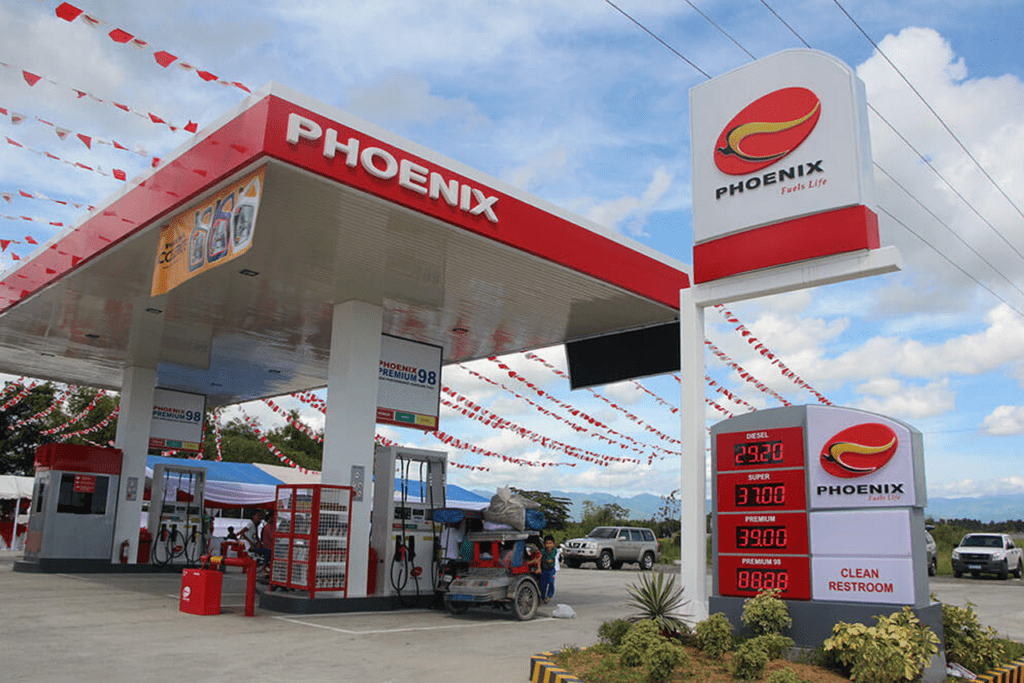
The Impact on Property Prices in Cebu
The combined effect of higher construction costs and shifting demand is putting upward pressure on property prices in central Cebu. Well-located condos near business hubs are holding their value well. Some are even rising faster than usual as demand moves to fewer areas.
Meanwhile, properties in peripheral locations are seeing slower price growth — or in some cases, slight softening as demand shifts away. This creates a split market, where location matters even more than it did before.
Rental prices are also being affected. Landlords in central areas are charging higher rents as demand rises. Tenants are willing to pay more to avoid fuel costs. So rental yields in well-located buildings are improving.
For anyone watching the Cebu market, the message is clear: location premium is growing. Properties that were already desirable are becoming more so. And the gap between good locations and average ones is widening.
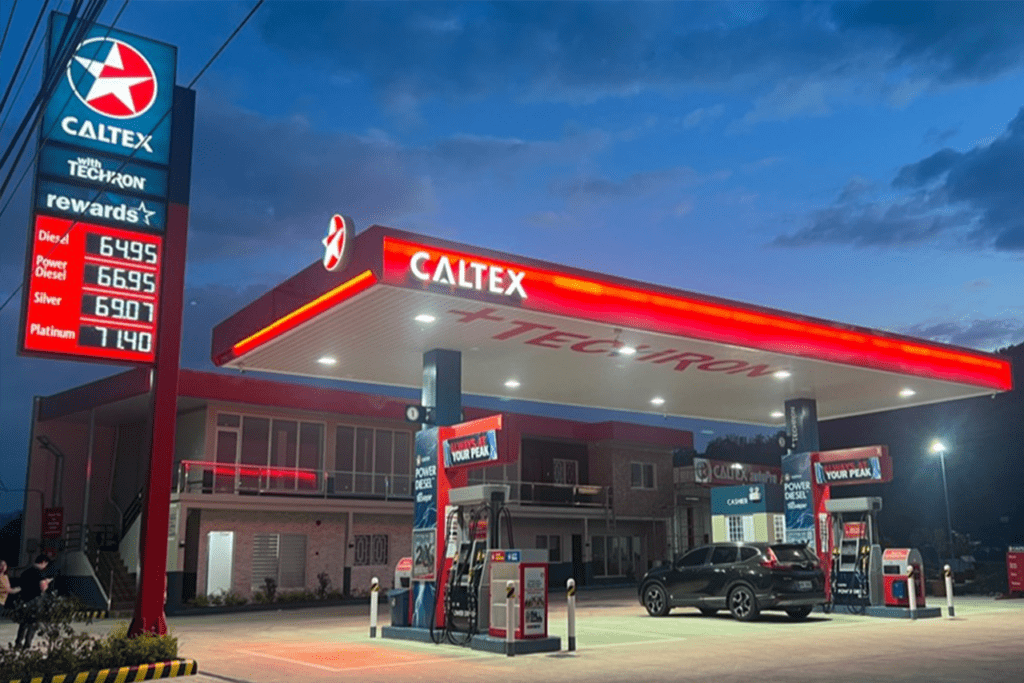
What This Means for Buyers and Renters
If you are looking to buy, fuel surges are a signal to act sooner rather than later. Construction costs are not going down. So new unit prices are likely to stay elevated or rise further. Locking in a price now — especially for a pre-selling unit — may save you money in the long run.
Also, think carefully about location. A cheaper unit far from work might seem like a good deal on paper. But add up the fuel cost over two to three years and the math may not work in your favor. A more central unit at a slightly higher price can cost less overall once you add up transport savings.
If you are renting, you are likely already feeling the pressure. Monthly fuel bills are eating into budgets that were designed when fuel was cheaper. Many renters are now looking to move closer to work to offset those costs. If your lease is coming up, it is worth checking if a location change saves you money.
In both cases, working with a knowledgeable local broker makes a real difference. They can help you compare the true cost of different locations — not just the listing price, but the full picture including transport, access, and long-term value.
What This Means for Property Investors
For investors, the fuel surge creates both a risk and an opportunity. The risk is in peripheral properties with weak rental demand. As tenants prioritize location over size, units far from business hubs may face longer vacancy periods and downward pressure on rents.
But the opportunity is real in well-located central properties. Rising demand from tenants who want to cut commuting costs means better occupancy rates and stronger rental yields. Investors who own or can acquire properties in IT Park, Cebu Business Park, or near major employment centers are well-positioned.
Also worth watching: commercial and office properties near transport hubs. As fuel costs bite, businesses are also rethinking their office locations. Companies want offices their employees can reach without spending half their salary on fuel. So well-located commercial spaces are also seeing stronger demand.
For OFWs and remote investors thinking about Cebu, this is a good time to focus on central condos with strong rental track records. The location premium story is only getting stronger.
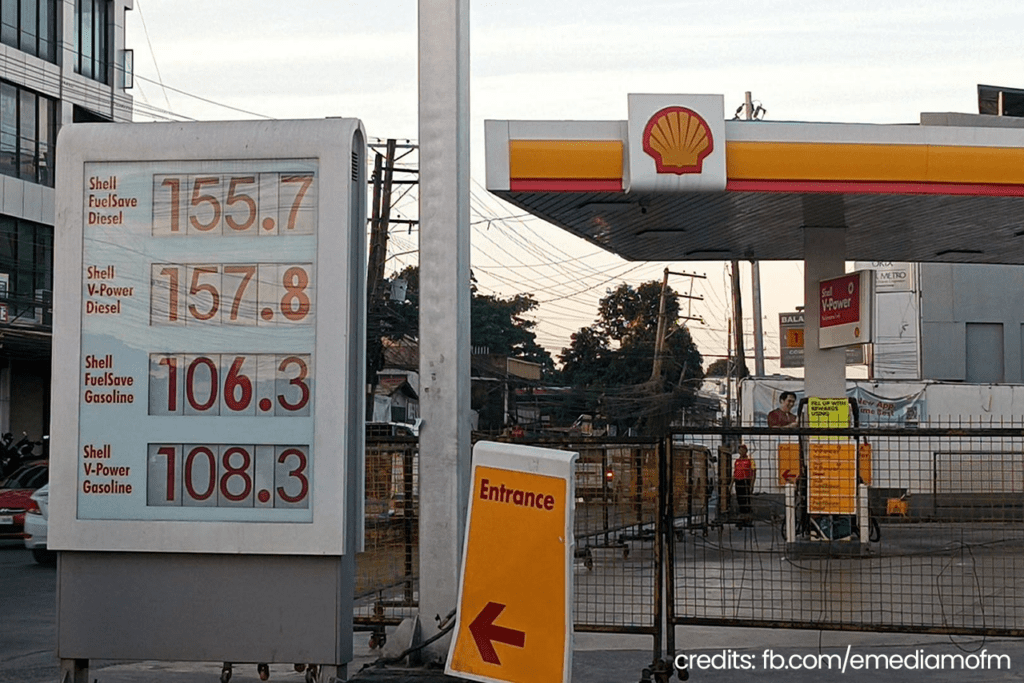
Frequently Asked Questions
Will property prices in Cebu drop when fuel prices come down?
Not necessarily. Construction costs that have already been incurred do not reverse when fuel prices fall. Developers who built at higher cost will not lower prices just because fuel drops. So fuel going down may slow future increases. But it will not reverse prices already set.
Which areas of Cebu are most affected by rising fuel costs?
Properties far from business hubs — in areas that require long daily drives — are feeling the most demand pressure. In contrast, central areas like IT Park, Cebu Business Park, Mandaue, and properties near major roads or transport links are seeing steady or growing demand.
Is now a good time to buy property in Cebu despite the fuel surge?
For well-located properties, yes. Construction costs are unlikely to drop, which means new unit prices will stay elevated. Buying now — especially pre-selling — lets you lock in current pricing. But choose your location carefully. Central, accessible areas offer both lifestyle and investment value in this environment.
How are landlords responding to higher fuel costs?
Many landlords in central areas are adjusting rents upward, supported by stronger demand from tenants who want to reduce commuting costs. Landlords in peripheral areas face more pressure to keep rents competitive. Overall, the rental market is rewarding location more than ever.
Should OFWs still invest in Cebu real estate during a fuel surge?
Yes — especially in central, well-located properties with strong rental demand. OFWs benefit from rising rental yields in accessible areas, and Cebu’s long-term outlook stays strong. The key is choosing the right location with the help of a trusted local broker who knows the market well.
Talk to a Cebu Property Expert Today
Fuel surges are reshaping the Cebu property market in real time. Whether you are buying, renting, or investing, the decisions you make now will have lasting effects. The right property in the right spot can protect your budget and hold its value — even when fuel stays high.
At Cebu Grand Realty, our licensed brokers track market trends closely and give you honest, data-based advice. Get in touch with us today and let us help you find the right property for your situation.