Fuel Crisis and Transport Strike: What Every Filipino Needs to Know
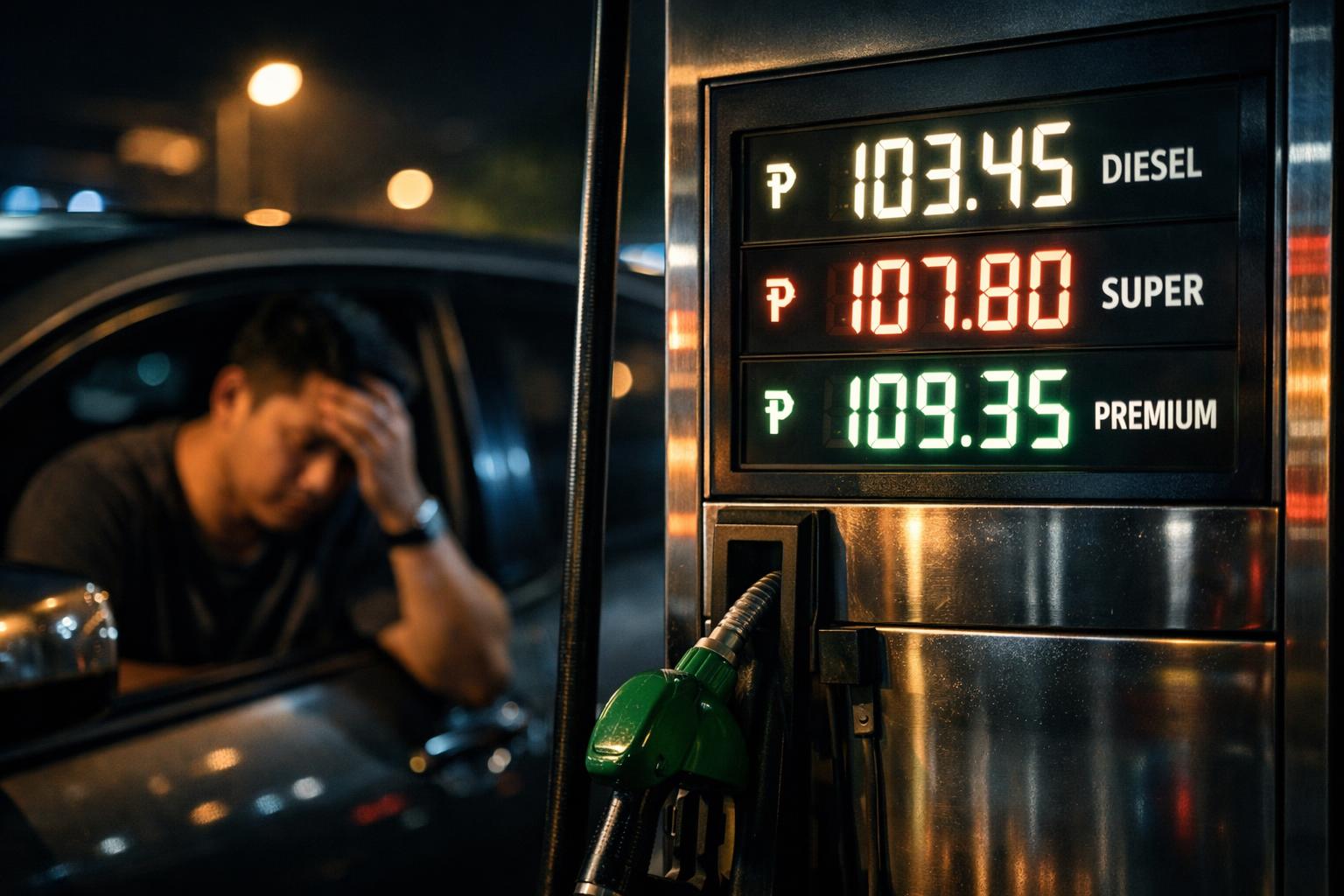
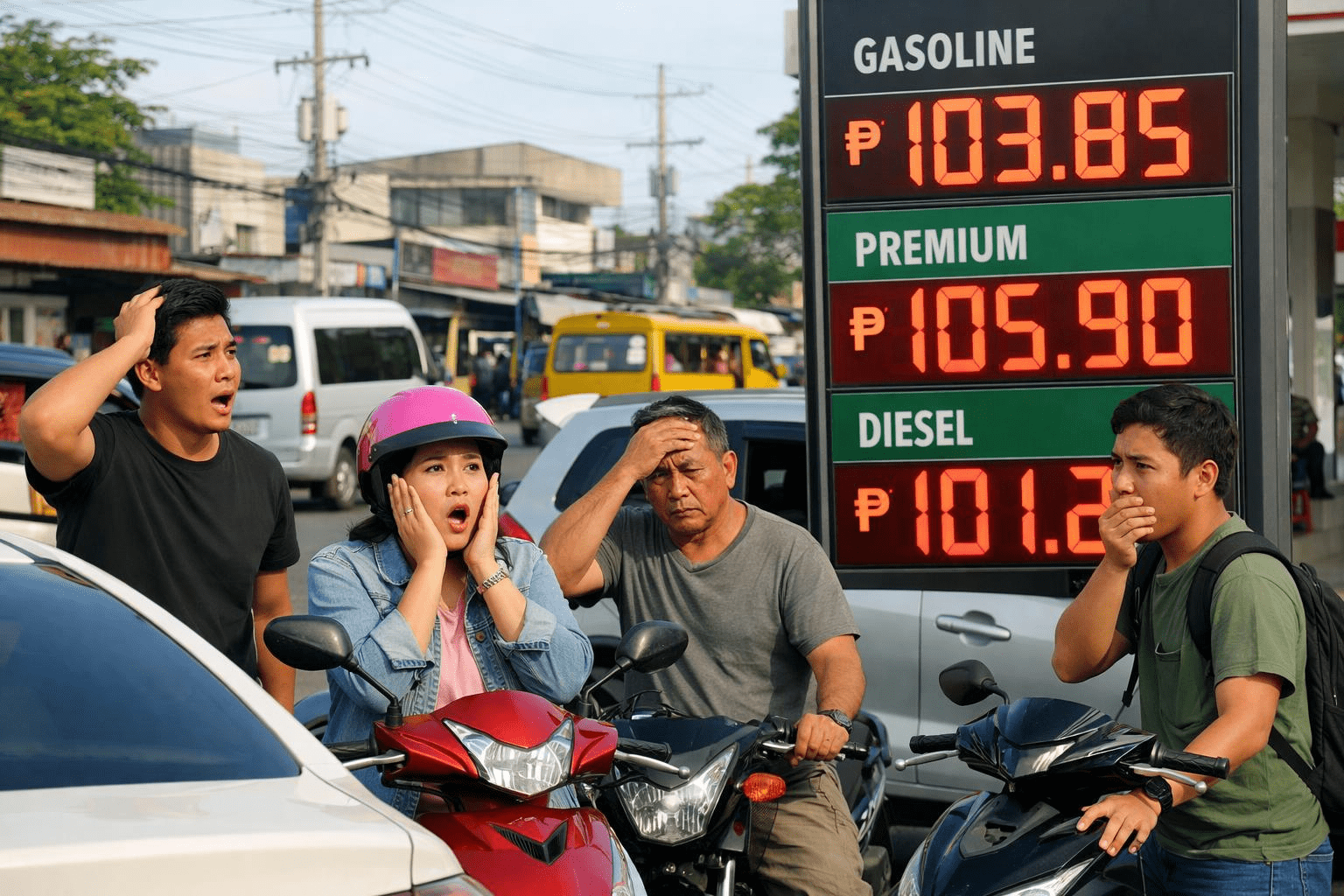
Cebu, Philippines — April 2026. Fuel prices in the Philippines have hit levels not seen in years — and the effects are being felt by everyone. Diesel has climbed to nearly ₱120 per liter and gasoline has passed ₱100. This is squeezing drivers, commuters, businesses, and households across the country.
The crisis traces back to the ongoing conflict in the Middle East. The Philippines imports about 98 percent of its oil. Most of that oil comes from the region. With global supply disrupted and prices spiking, the Marcos administration declared a State of National Energy Emergency in late March 2026. As a result, this has unlocked emergency fuel procurement powers and suspended certain fuel taxes on LPG and kerosene.
Transport Strike Paralyzes Cebu
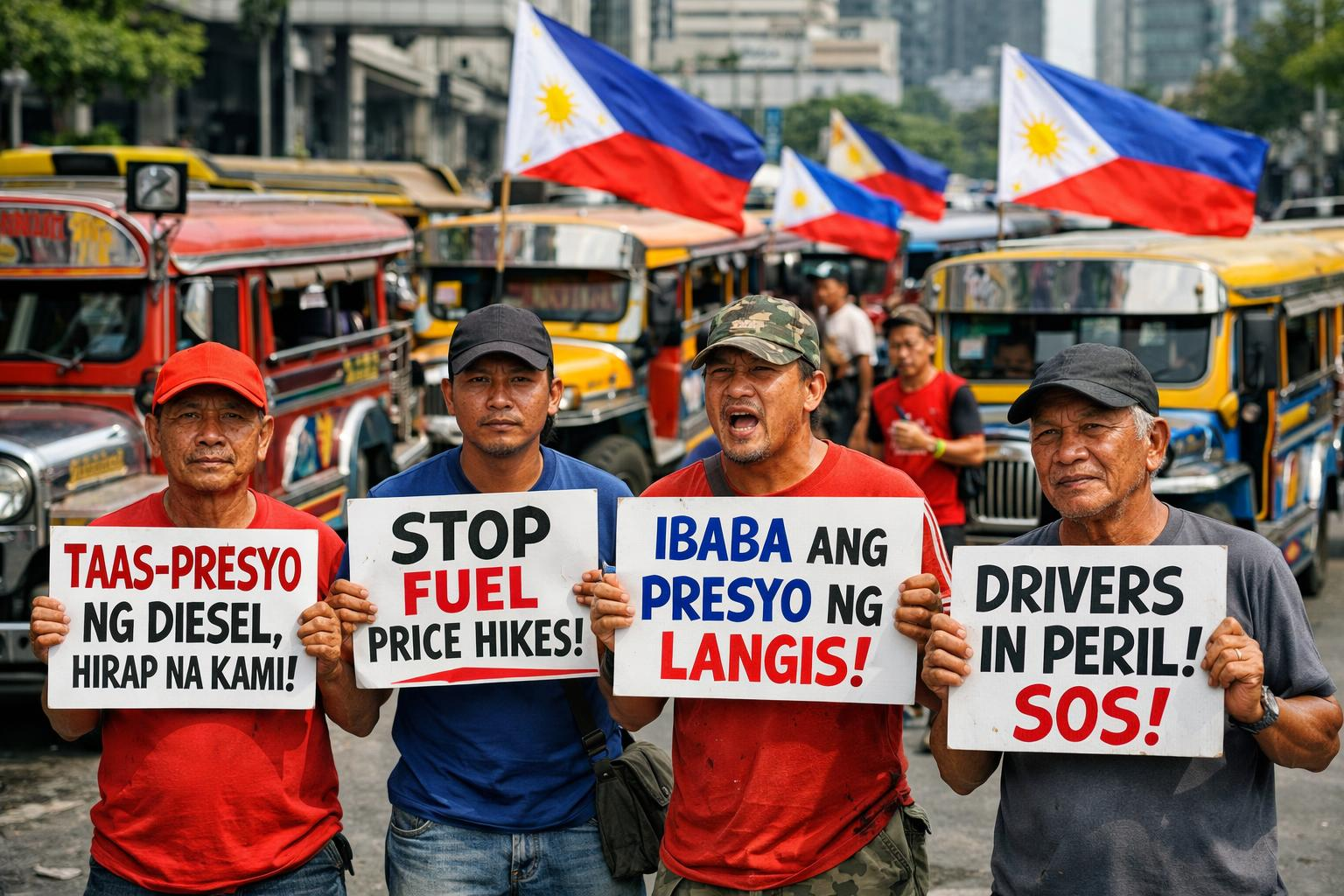
On March 27, Metro Cebu experienced one of its most disruptive transport strikes in recent memory. Up to 90 percent of major routes were paralyzed. This left tens of thousands of commuters stranded with no way to get to work, school, or home.
In Barangay Guadalupe — Cebu City’s most populous barangay with over 80,000 residents — there were no rides available until noon. Commuters reported waiting one to two hours for a jeepney or bus. Drivers explained they had little choice. At current diesel prices, operating a route was no longer profitable, even with government subsidies in place.
The strike was part of a broader nationwide protest. Transport workers — from jeepney and bus operators to taxi and motorcycle taxi drivers — marched to demand price controls on fuel. They also called for the removal of fuel taxes and stronger government intervention to stabilize oil prices.
Prices Rising Across the Board
The fuel crisis has pushed Philippine inflation to 4.1 percent in March 2026 — the highest in recent months. Transport costs alone surged from -0.3 percent in February to 9.9 percent in March. This is a dramatic single-month jump that is rippling through the cost of food, goods, and services nationwide.
For ordinary Filipinos, this means higher fares, pricier groceries, and more expensive electricity. Many households — particularly those in lower-income brackets — are already adjusting their daily budgets to cope.
What the Government Is Doing
The government has moved to ease the burden on households by removing excise taxes on LPG and kerosene, effective April 13, 2026. Emergency fuel procurement measures are also being activated to stabilize supply. However, transport groups say these steps do not go far enough. Therefore, they are calling for a fuel price cap and the suspension of oil company profit margins.
As of writing, no new transport strikes have been announced. However, drivers and operators say another work stoppage remains possible if fuel prices do not come down.
What to Expect in the Coming Weeks
The situation in the Middle East remains fluid, and analysts say fuel prices in the Philippines could stay elevated for the near term. Residents and commuters in Cebu are advised to plan ahead for possible further disruptions. They should consider carpooling or remote work arrangements where possible and monitor official announcements from the Land Transportation Franchising and Regulatory Board (LTFRB) and the Department of Energy.
Cebu Grand Realty will continue to monitor how the fuel crisis unfolds and what it means for communities and the local economy. For updates on Cebu news and the property market, visit our News and Updates page.