
Philippine Real Estate Market Trends: What They Mean for the Coming Months
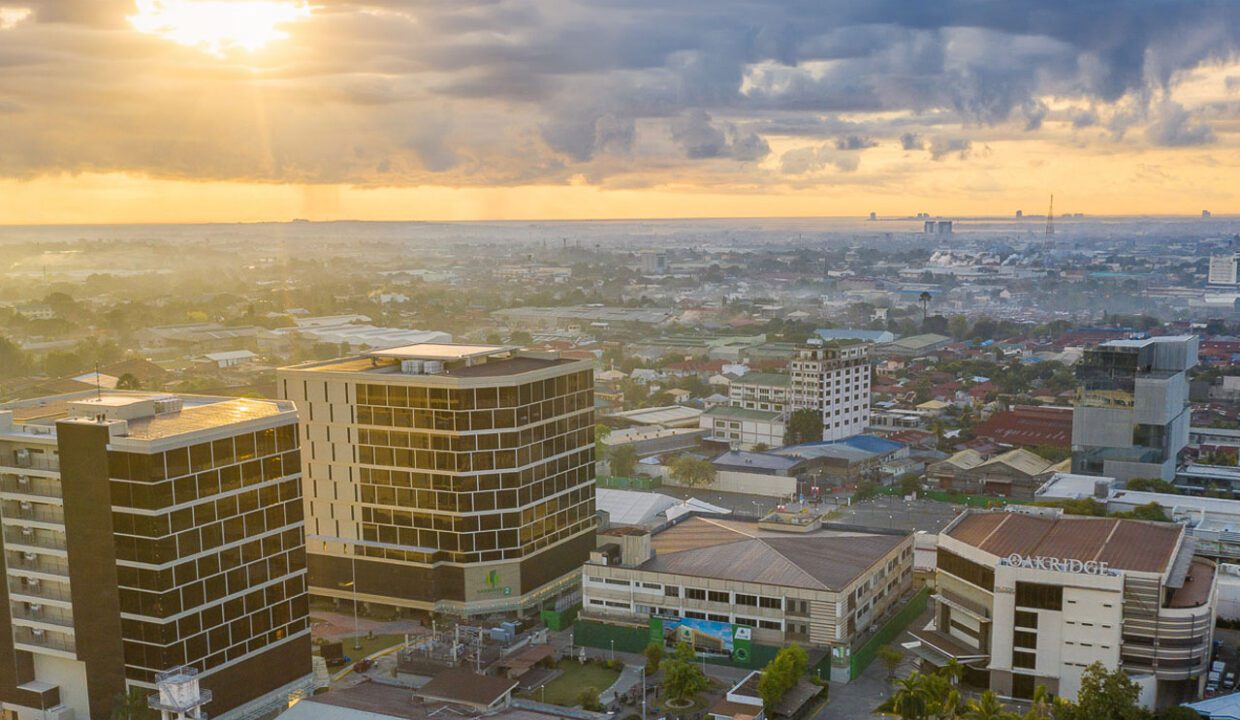
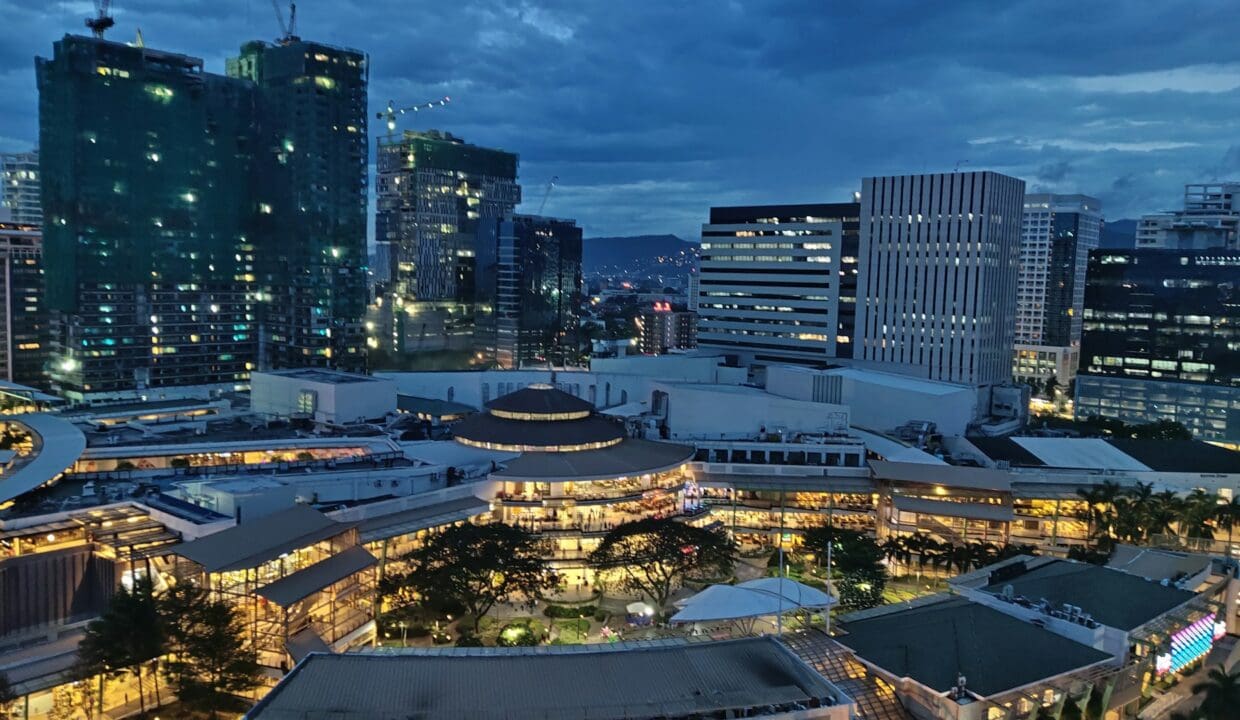
To better understand the property landscape, it’s important to look at current Philippine Real Estate Market Trends. The Philippine real estate market is definitely in a period of adjustment these days. Interest rates are still up, so buyers are a bit more cautious. Still, in cities like Manila, Cebu, and Davao, demand holds steady—especially for homes that hit the sweet spot between price and convenience. Developers are tweaking their pricing, and sellers are getting more flexible with negotiations.
Right now, deals are moving slower, and buyers are laser-focused on value. If a property’s well-located and reasonably priced, it’s got a better shot in the coming months. Most buyers want affordable or mid-range homes, and investors are watching spots close to jobs, transit, and new infrastructure. These days, patience and timing seem to matter more than just jumping in fast.
On the commercial side, office, retail, and logistics spaces are all shifting as work habits and consumer needs change. Some sectors are cooling off, but tech, healthcare, and e-commerce keep others afloat. It’s a mixed bag, honestly, so keeping an eye on trends is more important than ever for anyone planning their next move.
Key Takeaways
- The Philippine property market is all about value, location, and realistic pricing right now.
- Infrastructure and city growth are big drivers for both housing and rentals.
- Timing really does matter more than just rushing to buy or sell.
Current Demand and Price Movements in Housing

Housing demand is still pretty active in the main cities, though prices are growing at a slower, steadier clip. Buyers are weighing value, monthly costs, and job access more than ever. Financing options, like rent-to-own, are shaping a lot of decisions these days.
Trends in Affordable and Mid-Range Housing
It’s the affordable and mid-range homes that everyone’s after, especially condos and townhouses close to business districts. People want a good mix of price, space, and location.
Why these homes? Well, it’s mainly about:
- Being near offices, IT parks, and transit
- Compact but efficient layouts
- Growth in Cebu, Metro Manila, and Davao
Developers are rolling out more mid-priced projects, cutting back on luxury extras to keep things functional. It’s a move that’s making it easier for first-time buyers to get in, even with higher loans.
Units priced to match local incomes sell faster. If a place is overpriced, it tends to just sit there, even if the location’s good.
Residential Price Growth and Influences
Home prices are still climbing, but not like before. The Residential Real Estate Price Index (RREI) shows year-on-year gains, just not as dramatic as past peaks.
What’s pushing prices?
- Interest rates from the Bangko Sentral ng Pilipinas
- Construction and land costs
- Urban demand
Recent numbers show moderate growth, not big spikes. Buyers are pushing back against steep hikes, so sellers are being careful.
| Factor | Effect on Prices |
|---|---|
| Interest rates | Limits buyer budgets |
| Urban demand | Supports steady growth |
| Supply levels | Reduces price spikes |
This is keeping things more stable for now.
Role of Rent-to-Own Options
Rent-to-own is getting a lot of attention from buyers who can’t swing a big down payment. You rent first, and part of what you pay goes toward eventually owning the place.
Why bother?
- Lower upfront cash
- Time to fix credit
- Sometimes, you lock in today’s price
Developers like rent-to-own because it helps move units without slashing prices. It works best for mid-range homes in hot spots.
Terms can really vary, so buyers need to read the fine print. Still, for a lot of folks, it’s a realistic way to get a foot in the door.
Infrastructure Impact and Location Hotspots

New transport lines and big developments are changing what buyers see as valuable. Access, commute times, and everyday convenience are driving both prices and rental demand.
Key Infrastructure Projects Shaping Value
Major rail projects are shaking things up. The Metro Manila Subway (yep, that’s the Manila Subway) will cut travel times across business hubs. Stations near Ortigas, Bonifacio Global City, and Quezon City are already drawing a lot of attention.
The North–South Commuter Railway connects Central Luzon with Metro Manila, making daily commutes from Bulacan, Pampanga, and Laguna way more doable. This is bumping up demand for homes near these new stations.
Projects and impact
| Project | Areas Affected | Market Effect |
|---|---|---|
| Metro Manila Subway | QC, Ortigas, BGC | Higher prices near stations |
| North–South Commuter Railway | Bulacan, Pampanga, Laguna | More buyers from commuters |
Properties within walking distance? They’re seeing prices rise faster.
Emerging Regional Growth Areas
Growth isn’t just in the big cities anymore. As transport gets better, areas that once felt far are now within reach of jobs and schools. Buyers are focusing on value rather than just big-name locations.
Take Bulacan—rail access and new roads are fueling townhouse and mid-rise demand. Laguna is getting a boost from rail and tech parks nearby. Cebu keeps drawing interest along new roads and transit corridors.
What are buyers looking for?
- Shorter commutes
- Nearby schools and hospitals
- Reliable public transport
First, it’s end-users moving in, then investors follow. Rental demand grows as more workers relocate.
Mixed-Use Developments Driving Demand
Mixed-use developments—places where you’ve got homes, offices, shops, and services all together—are a big draw. They cut down on daily travel and fit modern work habits. Walkability and safety are big selling points.
Developers are putting these near rail stations and main roads, syncing up with the Manila Subway and commuter lines. These units tend to rent out fast thanks to steady foot traffic.
What’s usually included?
- Offices above retail spaces
- Residential towers with shared amenities
- Direct links to transport hubs
Even when the market slows, these projects keep demand pretty stable. They work for renters, families, and even small businesses.
Commercial and Office Space Sector Overview
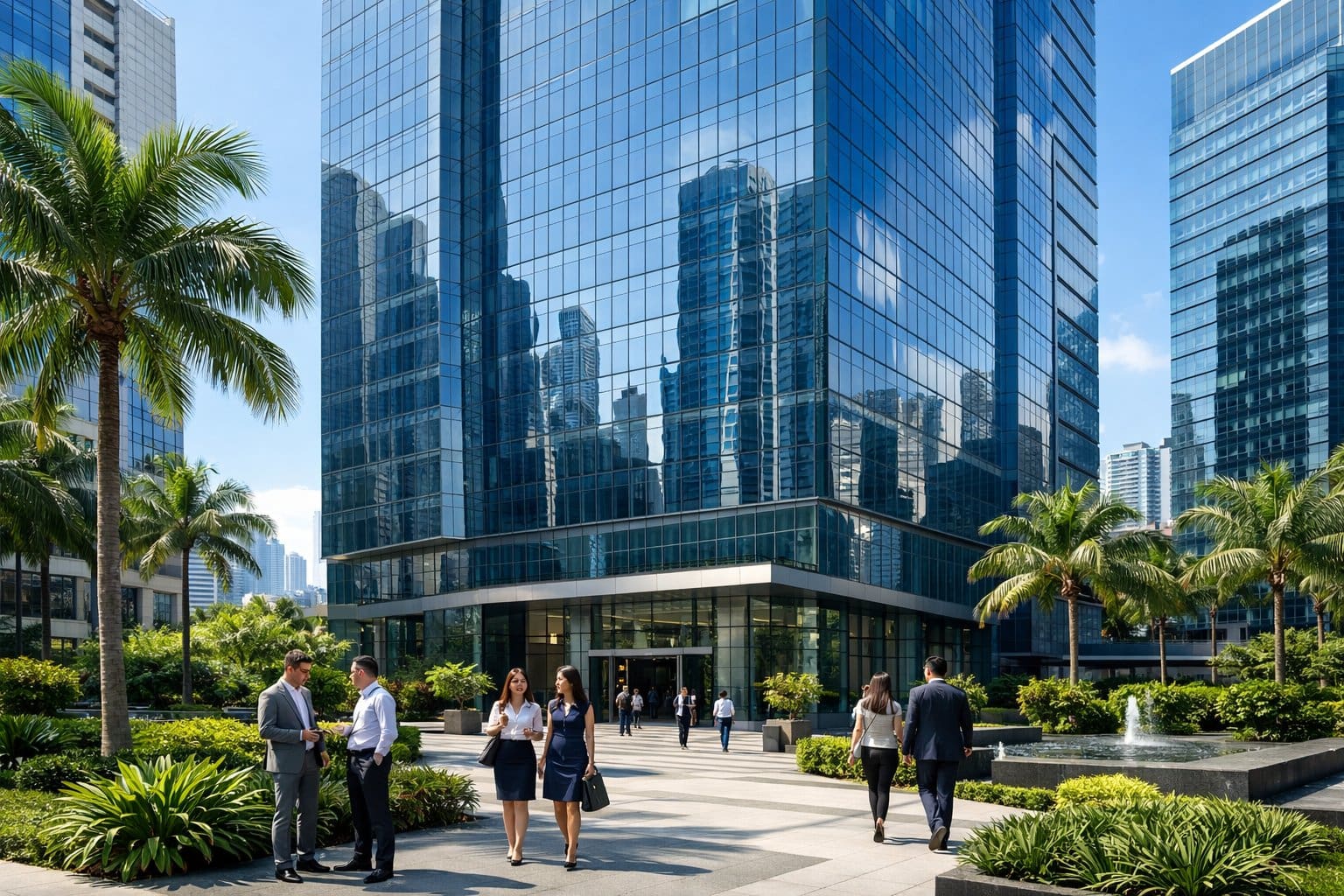
The commercial and office scene is holding steady, with key industries still leasing and more growth showing up outside Metro Manila. Companies are focusing on cost control, flexible layouts, and access to talent over sheer size.
Office Space Demand and Key Drivers
Office demand’s still alive and well, even with those higher interest rates. Tech firms, BPOs, healthcare, and logistics companies are all in the mix. They want buildings with solid power, fast internet, and smart floor plans.
More tenants are choosing smaller but higher-quality offices close to transit and housing. Market analysts like Leechiu Property Consultants say firms are after long-term value, not just square footage.
David Leechiu has pointed out that tenants now ask for flexible terms and ready-to-use spaces. It’s a way to keep costs down while staying productive.
Main drivers right now:
- Business process outsourcing
- Tech and shared services
- Healthcare and support offices
Provincial Expansion of Office and Retail
Office and retail are growing outside Metro Manila too. Cities like Cebu, Davao, Iloilo, and Clark are pulling in both local and foreign companies, thanks to lower rents and a good talent pool.
Developers are building mixed-use projects that combine offices, retail, and homes in one spot. It’s practical—less travel, more convenience.
Retail in these cities is all about the basics now. Groceries, clinics, and food outlets are leading the way. Office tenants help bring in steady daily foot traffic.
Why firms are choosing provincial areas:
- Lower operating costs
- Less congestion
- Growing local markets
Vacancy Rates and Shifts in Usage
Vacancy rates depend on where and how new the building is. Newer, well-located offices fill up faster. Older ones? Not so much, unless they get upgrades.
Lots of companies now use hybrid work setups. They’re cutting down on desks and adding more meeting rooms. This changes how much space they need, but not whether they still need offices at all.
Landlords are adapting with flexible layouts and shorter leases. Some are even turning extra space into training rooms or shared offices.
| Trend | Impact |
|---|---|
| Hybrid work | Lower space per employee |
| Building upgrades | Higher tenant interest |
| Flexible leases | Faster deal closures |
Outlook and Investment Considerations

The Philippine real estate market’s holding steady, even with higher borrowing costs. These days, investors and buyers seem more interested in value, good locations, and long-term use than chasing quick profits.
Opportunities for Investors and Buyers
There’s a noticeable tilt toward mid-range condos, rental homes, and mixed-use areas. Local workers and returning overseas Filipinos keep demand pretty healthy in these segments.
For buyers, slower price growth and more flexible terms are a plus. Some developers now stretch out payment plans or lower move-in costs, which is honestly a relief for folks watching their budgets.
Key areas to watch:
- Cebu and Metro Manila: rental demand is strong near IT parks
- Davao: prices are stable and the local economy’s growing
- Transit-linked projects: better chances for resale and rentals
| Buyer Type | Main Focus | Practical Action |
|---|---|---|
| End-users | Monthly cost | Lock fixed-rate loans |
| Investors | Rental yield | Choose high-traffic locations |
Market Resilience and Future Projections
The Philippine real estate market keeps bouncing back. Population growth, more urban jobs, and public infrastructure projects help keep demand alive.
Office and retail spaces are finding their footing as work and shopping habits shift. Meanwhile, industrial and logistics properties are getting more attention, thanks to e-commerce.
Looking ahead a bit:
- Prices are mostly stable—no big jumps
- Well-located units sell faster than the high-end stuff
- Rental markets stay busy in business hubs
Frequently Asked Questions

Market shifts these days affect loan access, pricing, and how people see location value. Buyers are more tuned in to affordability and access, while investors keep an eye on rentals and new infrastructure.
How are current interest rates affecting homebuyers in the Philippines?
Higher rates mean bigger monthly payments, plain and simple. Banks are stricter now, so buyers move a bit slower.
Many compare lenders, pick smaller units, or ask for longer payment plans from developers. It’s a lot more work than before.
What trends are we seeing in the demand for mid-range and affordable properties?
Demand’s still strong for mid-range condos and townhouses. People want practical layouts and fair prices.
Units close to jobs and transit get snapped up faster. Fancy features? Less important than overall cost and location, honestly.
Why is property location becoming increasingly important for market value?
It’s all about access now. Most buyers want homes near work, schools, or transport—makes life easier.
Areas near new roads, railways, or airports are getting more buzz. Both owners and renters notice these perks.
What changes are occurring within the Philippine rental market?
Rents are climbing in cities with solid job growth. Demand stays high near business districts and transit lines.
Some office and retail areas are recovering, though vacancies linger in places with too much supply. Landlords are tweaking prices and tossing in incentives to fill units.
In what ways are today’s buyers becoming more informed and researching their purchases?
Buyers spend more time comparing prices, loan rates, and locations online. They check developer track records and delivery times.
Resale values and rental yields are part of the research now. All this slows down deals, but honestly, it leads to smarter choices in the end.
What actions should prospective buyers and investors take in response to these market trends?
Well, first off, it’s smart to figure out a realistic budget—and maybe even see how things hold up if interest rates go up or life throws a curveball. Playing it safe with flexible payment plans doesn’t hurt, either.
If you’re thinking like an investor, you’ll probably want to stick with spots that are easy to get to and have decent rental demand. Up-and-coming neighborhoods, especially those near new infrastructure, often give more bang for your buck.