Quiz: Which Cebu Neighborhood Is Perfect for You?
Are you wondering which Cebu neighborhood is perfect for you? Cebu, Philippines is full of neighborhoods, each with its own pace, cost, and character. Some places are always buzzing—offices, malls, nightlife—while others are quieter and more geared toward families. Picking where to live? It really comes down to what you need day to day and what kind of vibe you want around you.
This quiz is meant to help you find a Cebu neighborhood that fits your lifestyle, budget, and must-haves. It considers things like pace of life, how close you need to be to work or school, what’s nearby, and whether you want peace or excitement. The idea? Make your options clearer, not more confusing.
Cebu brings together history, culture, and new development all in one place. You get everything from business centers to coastal and hillside neighborhoods, and each one has its own flavor. This quiz focuses on how people actually live, not just dots on a map.
Key Takeaways
- Cebu neighborhoods offer different lifestyles, costs, and levels of convenience.
- The quiz aims to match your needs with what’s really out there.
- Culture, access, and amenities all shape what daily life feels like in Cebu.
How the Quiz Works: Finding Your Best-Fit Cebu Neighborhood

The quiz checks out your habits, must-haves, and budget. It matches your answers to real Cebu neighborhoods based on how you live, where you go, and what you’re planning for down the road.
Lifestyle and Personal Preferences
Lifestyle questions come first—makes sense, right? If you’re always on the go, you’ll see urban Cebu neighborhoods with offices, food, and transport right outside your door. Prefer things slower and quieter? The quiz points to areas with less traffic and more breathing room.
Cebuano culture really values community, so the quiz also asks about social stuff. Some folks want busy streets and events, others just want peaceful mornings and friendly neighbors.
Lifestyle matches often look like this:
| Lifestyle choice | Common neighborhood fit |
|---|---|
| Energetic and urban | IT Park, Cebu Business Park |
| Family-focused | Talamban, Banilad |
| Private and upscale | Guadalupe, Banilad |
| Nature and quiet | Busay, upland areas |
These aren’t just trends—they’re how people actually use their time.
Top Amenities That Matter Most
Amenities can make or break your daily routine. The quiz asks what you really need, not just what sounds cool on paper. Regular, everyday stuff gets more weight than the occasional wish.
If you’re city-focused, you’ll see options near malls, clinics, and offices. Families get pointed toward schools, parks, and safer streets. Nature lovers? You’ll see places with more green and less noise.
Common amenity priorities:
- Access to schools and childcare
- Distance to work hubs like IT Park
- Nearby groceries and clinics
- Outdoor space and cleaner air
The quiz narrows down Cebu neighborhoods by how well they deliver on these, ideally within walking or a short drive.
Budget and Housing Choices
Budget’s a big one. The quiz steers clear of areas that’ll stretch your wallet too thin or box you in. It looks at rent, home sizes, and the real long-term costs.
Middle budgets usually fit in mixed-use areas with condos or townhouses. Bigger budgets open up gated communities and larger homes. Sometimes, low-density areas actually cost more because of the land and upkeep.
Housing factors the quiz weighs:
- Usual rent or purchase range
- Condo vs. single-home options
- Long-term costs like dues and transport
This way, you get neighborhoods you can actually afford and enjoy—without always feeling like you’re sacrificing something important.
Overview of Cebu’s Most Popular Neighborhoods
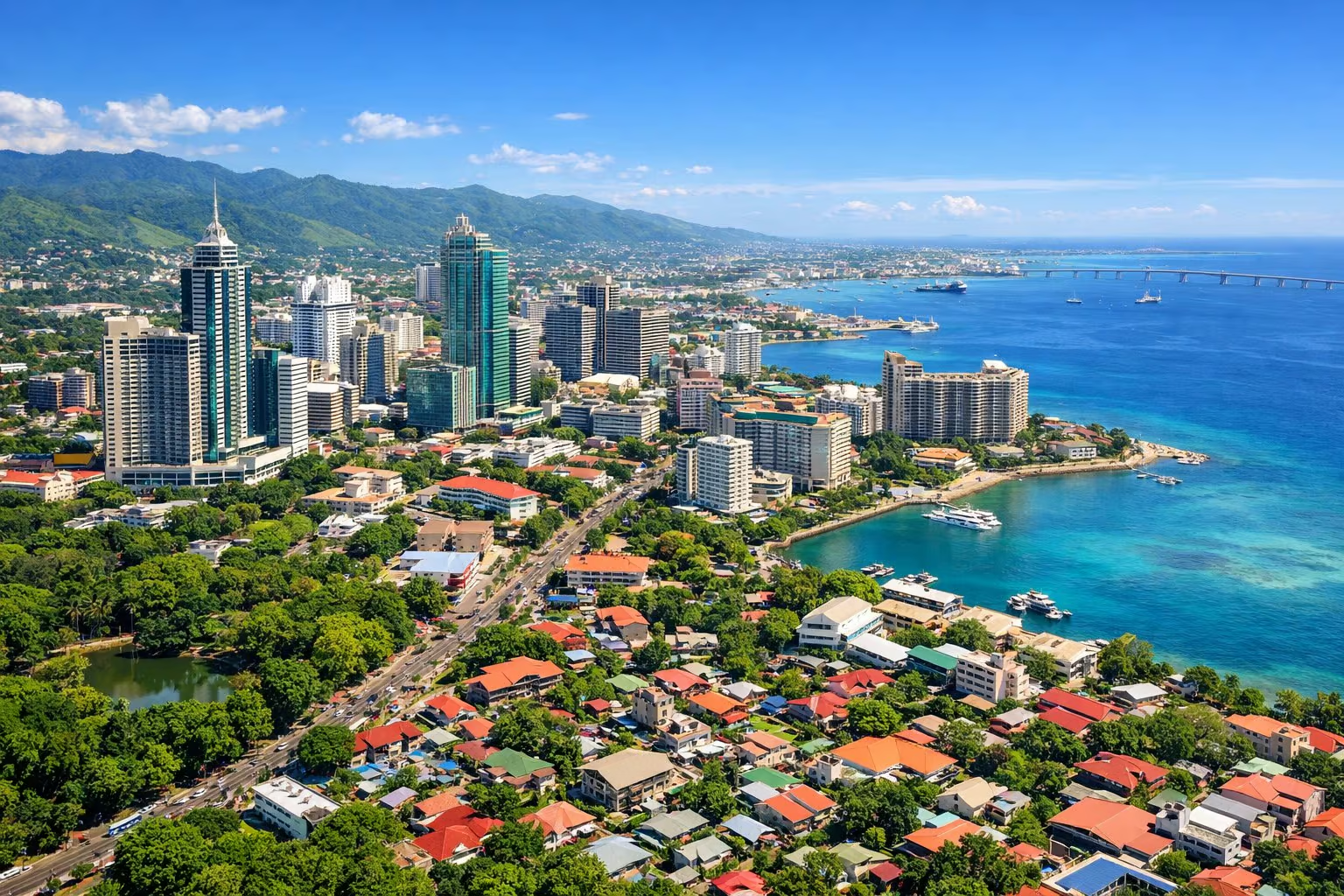
Cebu City’s neighborhoods are pretty distinct. Some are all about work and easy access, others focus on family life, privacy, or living by the coast.
Energetic Urban Living: Cebu IT Park, Lahug, and Cebu Business Park
Cebu IT Park and Cebu Business Park are basically the heart of modern city life. Professionals love the short commutes and steady access to offices, malls, and services. A lot of people live close enough to walk to work or grab groceries on the way home.
Lahug sits right next to IT Park and has more housing choices—think older homes mixed with new condos. Ayala Center Cebu is the anchor for Cebu Business Park, with shopping, food, and some green space.
Key features
- Offices, tech hubs, and co-working spaces
- Condos and serviced apartments
- Easy access to transport and main roads
These spots are perfect if you want speed, convenience, and a busy routine.
Family-Friendly Enclaves: Talamban, Banilad, Guadalupe
Talamban, Banilad, and Guadalupe are all about family life—calmer streets, bigger homes, and a more laid-back vibe. Families like these areas because of the schools and the general comfort. Getting into central Cebu City isn’t too much of a hassle, either.
Banilad has solid retail with Banilad Town Centre and Gaisano Country Mall. Talamban’s more residential and sits a bit farther north. Guadalupe is close to main roads and connects easily to work areas.
What families value
- Schools and clinics nearby
- Subdivisions with security
- Local markets and parks
These places strike a balance between quiet living and access to what you need.
Luxury and Exclusivity: Maria Luisa Estate Park and Gated Communities
Maria Luisa Estate Park is the go-to for privacy and space. Up in the hills, it’s got big homes, wide roads, and tight security. People here like having distance from the city’s traffic and noise.
Other gated communities in Cebu City follow the same playbook—security, low density, shared amenities. Commutes can take longer, but a lot of residents are fine with that trade-off.
Common traits
- Guarded entrances and strict rules
- Larger lots and custom homes
- Views and green surroundings
These areas are for folks who want privacy and are thinking long-term.
Beachside and Resort Life: Lapu-Lapu City, Mactan Island, Moalboal, Oslob
Lapu-Lapu City on Mactan Island is all about that beach lifestyle, but you’re still close to the city. It’s near the airport and filled with resorts, condos, and local communities. A lot of people work in tourism or in offices nearby.
Moalboal and Oslob are farther south—slower pace, more nature, diving, and open space. Services are there, but don’t expect tons of options.
Lifestyle highlights
- Beaches and water activities
- Resort-style homes and condos
- Quieter routines outside the main city
These areas are for people who’d rather have scenery and peace than non-stop convenience.
Living Essentials: Accessibility and Amenities in Cebu
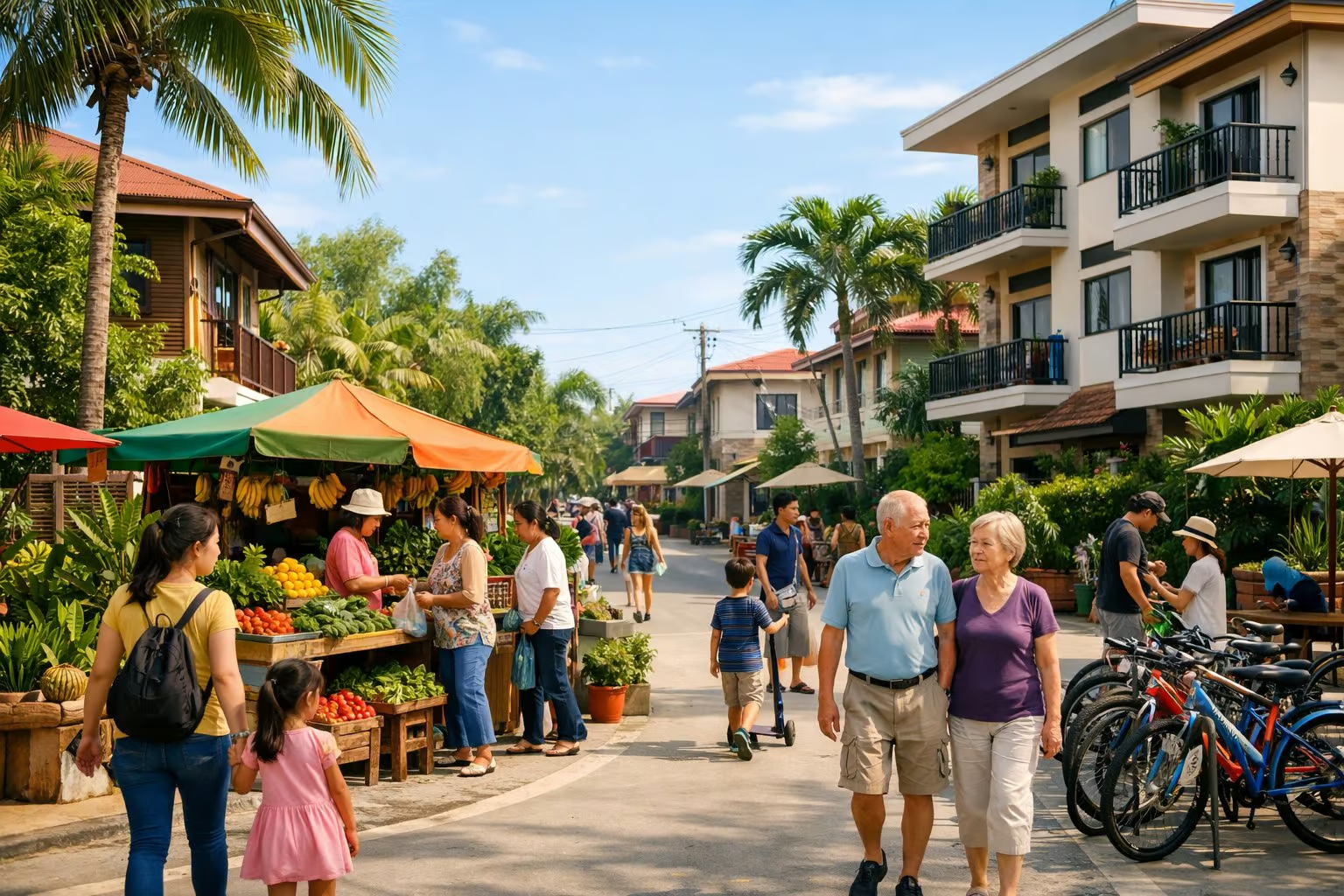
Daily life in Cebu is all about how close you are to the essentials—shopping, transport, and services. Being near the airport, hospitals, and main roads can make a huge difference in comfort, cost, and commute time.
Proximity to Airports, Schools, and Hospitals
Most folks use Mactan-Cebu International Airport (or just Cebu International Airport) for flights. If you’re in Mandaue City or the north side of Cebu City, you’ll get to the airport faster via the bridges to Mactan.
Healthcare’s a big deal for families and retirees. Cebu Doctors’ University Hospital is right in central Cebu City, and a bunch of private hospitals are clustered around the city core, which is a lifesaver during emergencies.
Schools are mostly in Cebu City and Mandaue City too, so living nearby saves families a lot of time stuck in traffic.
Typical travel times by car (light traffic):
| Location | Airport | Major Hospital |
|---|---|---|
| Cebu City (central) | 30–45 min | 5–15 min |
| Mandaue City | 20–30 min | 15–25 min |
Shopping, Dining, and Entertainment Hotspots
Cebu City has the biggest malls and lifestyle centers. Ayala Center Cebu and SM City Cebu cover groceries, clinics, movies, and food all in one stop. Lots of people pick neighborhoods nearby for the convenience.
For dining and nightlife, IT Park and the surrounding streets are where it’s at—late hours, walkable options, and everything from local eats to international restaurants.
Suburban neighborhoods have fewer choices right outside your door, but you’re never too far from a major mall. That’s great for families who want peace and quiet but still need access to services.
Commuting, Transportation, and Connectivity
Jeepneys, buses, taxis, and ride-hailing apps cover most neighborhoods, keeping costs down—though things slow to a crawl during rush hour. Traffic’s a given on main roads between Cebu City and Mandaue City.
Private cars are more comfortable but need some planning, especially with traffic. Some residents shift their work hours just to dodge peak times. The Cebu–Cordova Link Expressway (CCLEX) has made getting between Cebu City and Mactan a lot easier, especially for airport trips.
Remote workers often pick hillside or edge-of-city spots, trading longer drives for space, views, and a bit of quiet.
What Makes Cebu Unique: Culture, History, and Local Vibe
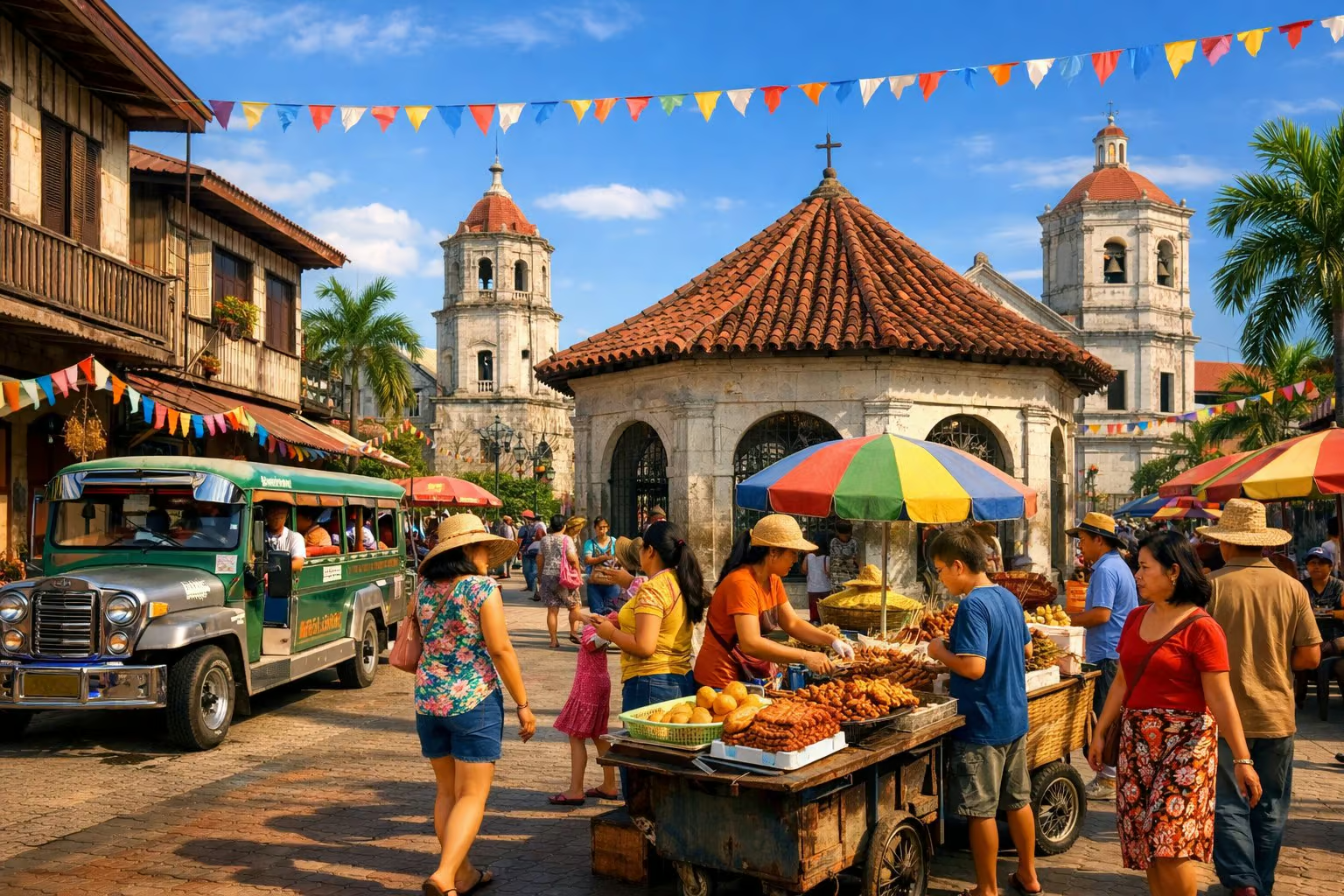
Cebu’s a mash-up of daily tradition, visible history, and easy escapes into nature. You’ll notice the city’s character in its language, landmarks, and the way people spend time outdoors—it’s all woven into daily life and even affects how folks pick where to live.
Embracing Cebuano Tradition and Language
Life in Cebu really revolves around small routines, strong family bonds, and genuine respect for others. Most people chat in Cebuano (or Bisaya) whether they’re at home, haggling in the market, or squeezed onto a jeepney. Filipino and English come into play for school, work, or business stuff.
Faith stays pretty central. Lots of families head to church, especially around anything tied to the Santo Niño. Festivals like Sinulog mix faith, music, and a whole lot of street energy.
Hospitality is just part of the deal here. Neighbors say hi, swap food, and pitch in when there’s a big event or someone’s having a rough patch. This sense of community shapes the whole vibe—whether you’re in the middle of downtown or up in the quieter hills.
Historical Landmarks and Attractions
Cebu’s got a real stake in Philippine history. Magellan’s Cross marks where Spanish explorers landed back in 1521, right by the Basilica del Santo Niño. People often start here when trying to get a feel for Cebu’s past.
Fort San Pedro—the country’s oldest triangular fort—shows off Cebu’s old defense and trade roles. Now it’s a museum and a spot to hang out, right in the city center.
Then there’s Colon Street, the oldest in the Philippines. It’s packed with shops, old buildings, and people on the move. These places sit right next to modern developments, so you get this cool overlap of old and new every day.
Natural Wonders and Outdoor Adventures
Getting out into nature’s easy here. Cebu’s got beaches, diving spots, and waterfalls (Kawasan Falls is a favorite). A lot of locals spend weekends exploring the island or just chilling by the water.
The sea’s always close, which means snorkeling and island hopping are just part of life. You can hop on a ferry or flight to places like Coron if you’re feeling adventurous—think shipwreck dives and crystal-clear water.
If you’re after cooler air or a break from city pace, the hills and mountain spots are hard to beat. They’re a draw for anyone who wants a quieter place to live without feeling cut off from everything.
Frequently Asked Questions

Picking a Cebu neighborhood? It really comes down to your daily habits, how far you’re willing to travel, and what you can spend. Your lifestyle, what you need nearby, and how you want to spend weekends all come into play.
What factors should I consider when choosing a neighborhood in Cebu?
Look at safety, road access, and what’s close by. Schools, hospitals, and grocery stores—those are the basics for most people.
It’s also smart to check for flood risks, heavy traffic, and noise. These can sneak up on you and make a big difference over time.
How can my lifestyle and preferences determine the best Cebu neighborhood for me?
If you’re always on the go, central spots like Cebu City proper put shops and offices right at your doorstep. Prefer the quiet? Try Talamban or Banilad.
If privacy’s your thing, gated communities in places like Maria Luisa are popular. Nature lovers? Upland or coastal barangays might just be your speed.
What types of amenities are typically available in Cebu’s various neighborhoods?
City areas usually have malls, gyms, restaurants, and good public transport. Handy if you’re working a lot.
Move out a bit and you’ll find schools, parks, and local markets. Upscale neighborhoods? Expect private clubs and tighter security.
How does commuting distance affect the decision for selecting a neighborhood?
Short commutes can save you loads of time and hassle—pretty important for office workers or students.
If you work from home or don’t travel much, maybe a longer commute isn’t a dealbreaker. Just pay attention to traffic; it can really change your day-to-day.
What are the housing budget options in different parts of Cebu?
Central districts have condos and apartments, usually mid-range in price. Older houses might be cheaper, though you’ll probably need to fix them up.
Further out, you’ll find townhouses and single homes at lower prices. The high-end villages? Those cost more—mostly for land and security.
Can you suggest activities for weekends in various Cebu neighborhoods?
If you’re in the city, you’ve got plenty of choices—grab a bite, catch a movie, or wander through the shops. Perfect for those days when you don’t want to overthink things.
Feeling like escaping the bustle? Head up to the upland or coastal areas. You might go for a hike, chill at a beach, or just hang out in a small café. It’s a whole different vibe—slower, quieter, and honestly, sometimes that’s what weekends are for.