10 Things To Do In Cebu City If You Live Here: Local Experiences Beyond The Usual Routine
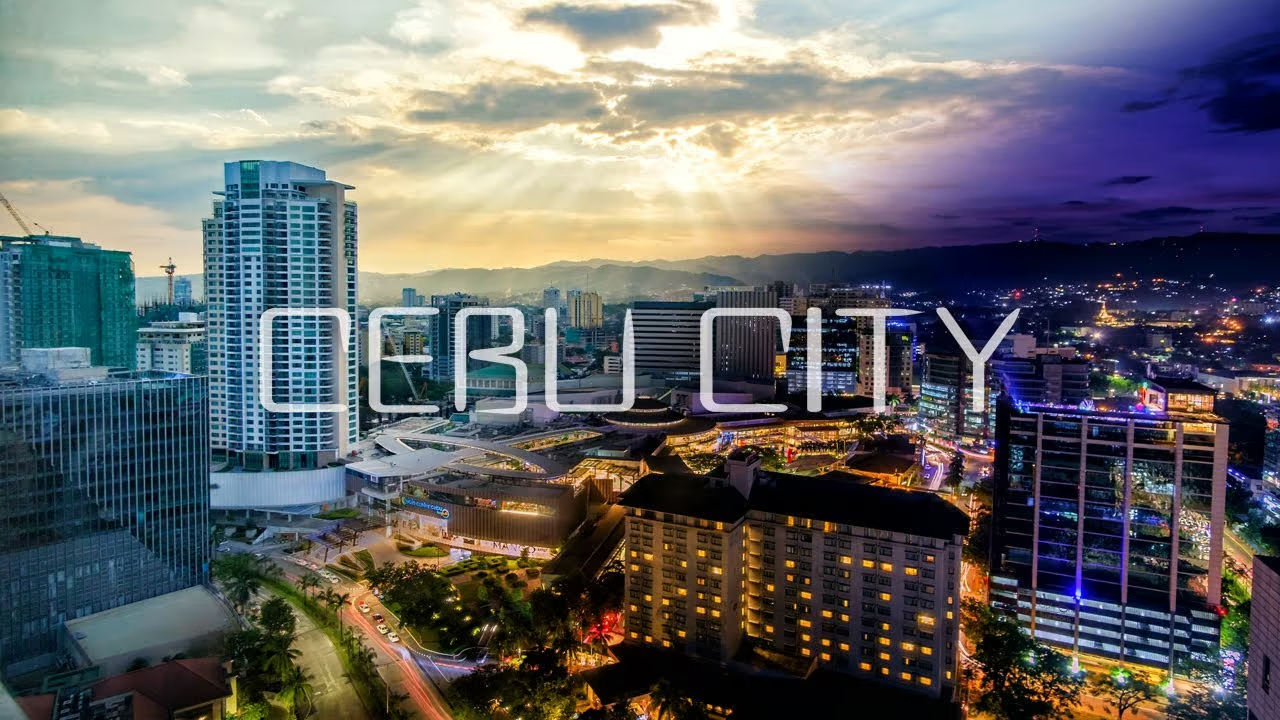
Living in Cebu City is a lot more than just work and traffic jams. There’s a surprising amount of culture, nature, and food to enjoy if you know where to look.
Cebu City has countless things to do that make everyday life more interesting, from exploring local markets to relaxing in hillside spots with stunning views of the Queen City of the South.
It’s easy to rediscover old favorites like Carbon Market or stumble into a quiet corner in some coffee shop in Lahug or Banilad. Cebu’s history and art pop up everywhere, from Museo Sugbo to Casa Gorordo Museum.
The hills of Busay call out when you need some fresh air. Each little adventure is a reminder of why Cebu stays so lively and full of energy.
Key Takeaways
- Cebu City’s got a wild mix of culture, food, and scenic views.
- Locals can dive into heritage sites or chill at modern hangouts.
- Life gets way more interesting when you start poking around the city’s hidden gems.
10 Things to Do in Cebu City If You Live Here

Cebu City is where everyday life meets a whole lot of history, great eats, and plenty of scenic spots. There’s always something new—or old—to try, whether it’s a market, a park, or some quirky café.
1. Rediscover Carbon Market
Carbon Market is as real as it gets in Cebu. People go early for fresh vegetables, seafood, and local delicacies.
It’s not just about shopping; this place is a living slice of Cebu’s trading tradition. Grab some puso (hanging rice) or lechon with a little vinegar or chili sauce if you’re hungry.
You’ll also find snacks like puto, budbud kabog, and siomai tucked away in the corners. The market’s gotten a facelift recently—cleaner, more organized, but still alive with old Cebu charm.
Wandering the alleys, you’ll hear the buzz of barter and the chatter of neighbors catching up.
2. Watch the Sunset at Mountain View or Tops
If you need a break but don’t want to leave town, head up to Busay. Tops Lookout and Mountain View Nature Park give you sweeping views of the city, the Mactan Channel, and even a few islands if the sky’s clear.
Best time? Between 5:30 PM and 7:00 PM—that’s when the city lights start flickering on. Weekdays are quieter, so you can skip the crowds.
On the way, you can swing by Temple of Leah or Sirao Flower Garden (Little Amsterdam). There are simple food stalls selling grilled meat, coffee, and snacks—just what you need after the drive up.
3. Explore Cebu’s Coffee Scene
Cebu’s café scene is growing fast. Cafés here mix chill workspaces, good coffee, and pastries that make you want to linger.
Favorites include The Good Cup Coffee Company, Tightrope Coffee, and Commonly Uncommon. A lot of people use these spots for remote work or lazy weekends.
Neighborhoods like Lahug, Banilad, and IT Park are packed with minimalist cafés. Some even host art shows or acoustic nights, so there’s always something brewing besides coffee.
4. Take a Walk Around Cebu IT Park
Cebu IT Park has turned into more than just an office zone. After five, it’s buzzing with people walking, eating, and just hanging out.
Sugbo Mercado is a must—open-air food stalls with everything from lechon to halo-halo. Jogging paths and little green spaces make it feel safe and relaxed, especially at night.
On weekends, you’ll see pop-up stalls and markets adding to the vibe. If you want to unwind, this place is a solid bet.
5. Visit Museums You’ve Probably Skipped
Cebu’s museums are easy to ignore when you live here, but they’re worth a visit. Museo Sugbo used to be a jail—it’s now packed with stories from Cebu’s colonial and revolutionary days.
In the Parian District, Casa Gorordo Museum and Yap–San Diego Ancestral House show how old Cebuano families lived. The Heritage of Cebu Monument is right nearby, with sculptures telling the city’s big moments.
If you’re curious about Cebu’s spiritual side, the Basilica Minore del Santo Niño and Cebu Metropolitan Cathedral are close by. Both are loaded with history.
6. Do a Food Crawl in Downtown Cebu
If you’re hungry, downtown Cebu is a goldmine. Start at Colon Street, the oldest road in the country, lined with no-frills spots serving cheap, tasty food.
Try Siomai sa Tisa, Tuslob Buwa, or Larsian BBQ for that true Cebuano flavor. The Colon Night Market pops up on weekends, loaded with street food and bargains.
Honestly, pairing puso with lechon never gets old. Cebu’s food stalls prove why this city’s food scene is so legendary.
7. Try a Weekend Staycation
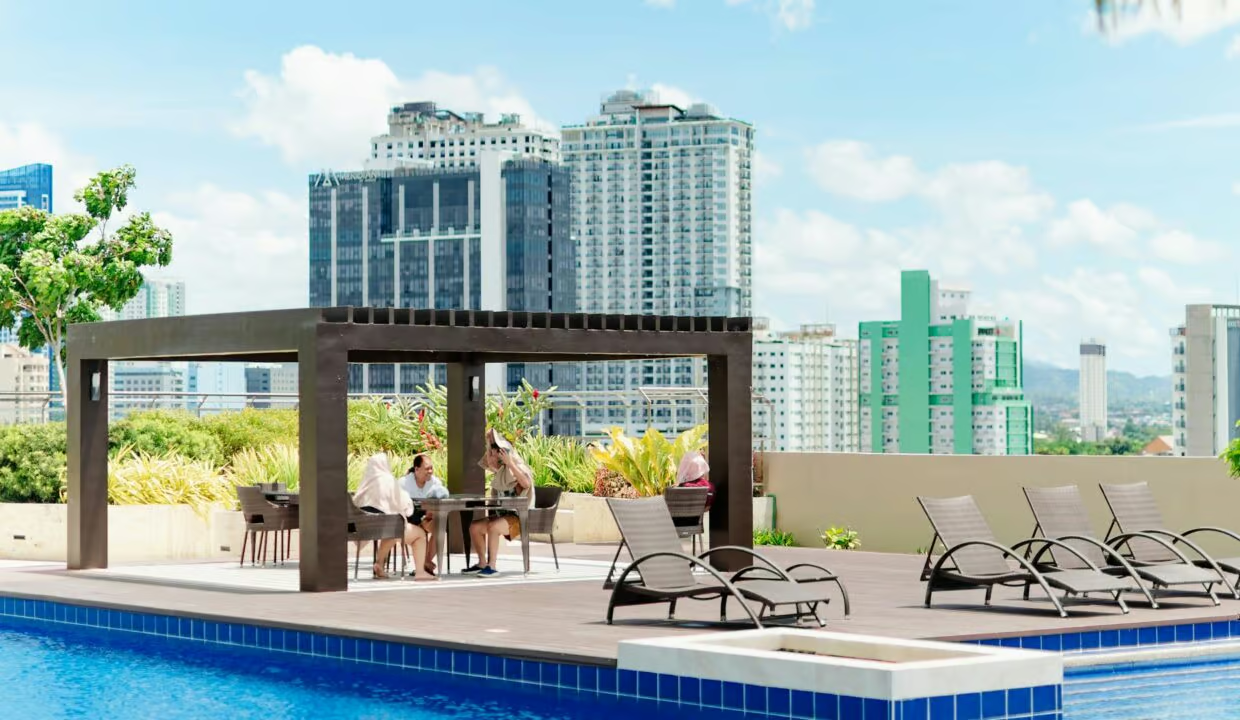
Sometimes you just need a break. Busay has cozy B&Bs and hillside resorts with sweeping city views.
Some places have infinity pools and outdoor dining—plus that cool mountain breeze. If you’re more into the beach, Mactan resorts are close by, with seafood buffets and day passes if you don’t want to stay overnight.
Shopping malls like Ayala Center Cebu and SM Seaside City Cebu are also near hotels, so it’s easy to mix shopping and downtime.
8. Jog or Bike at Plaza Independencia
Plaza Independencia is right by Fort San Pedro. It’s a favorite for joggers and cyclists, especially in the early morning or late afternoon.
Wide grounds and big acacia trees make it shady and cool. The park connects to the Cebu City waterfront, so you get views of the port and the sea.
There are benches and plenty of places to catch your breath. Since it’s next to Magellan’s Cross and Basilica del Santo Niño, you can squeeze in some history with your exercise.
9. Cross CCLEX Just for the View
The Cebu–Cordova Link Expressway (CCLEX) isn’t just for getting to Mactan. Locals drive or bike across for the wild views of the city and the coast.
The bridge lights up at night, and the skyline looks awesome from up there. Cyclists get their own lane, so it’s a safe ride.
On clear days, the water below reflects the mountains and towers. Even a quick drive across feels like a treat.
10. Support Local Events and Pop-Ups
Cebu’s always got something going on. Pop-up markets, art fairs, and food festivals keep places like Ayala Center, IT Park, and SM Seaside buzzing.
The Sinulog Festival is the big one—streets packed with music and dancing. Nights like Gabii sa Kabilin let you explore museums after dark, which is honestly pretty cool.
Nightlife’s picking up too, with bands and DJs at bars in Mango Avenue, Crossroads, and Banilad. Showing up at these events helps keep Cebu’s culture alive—and it’s just more fun than staying in.
Discover Cebu City’s History and Heritage
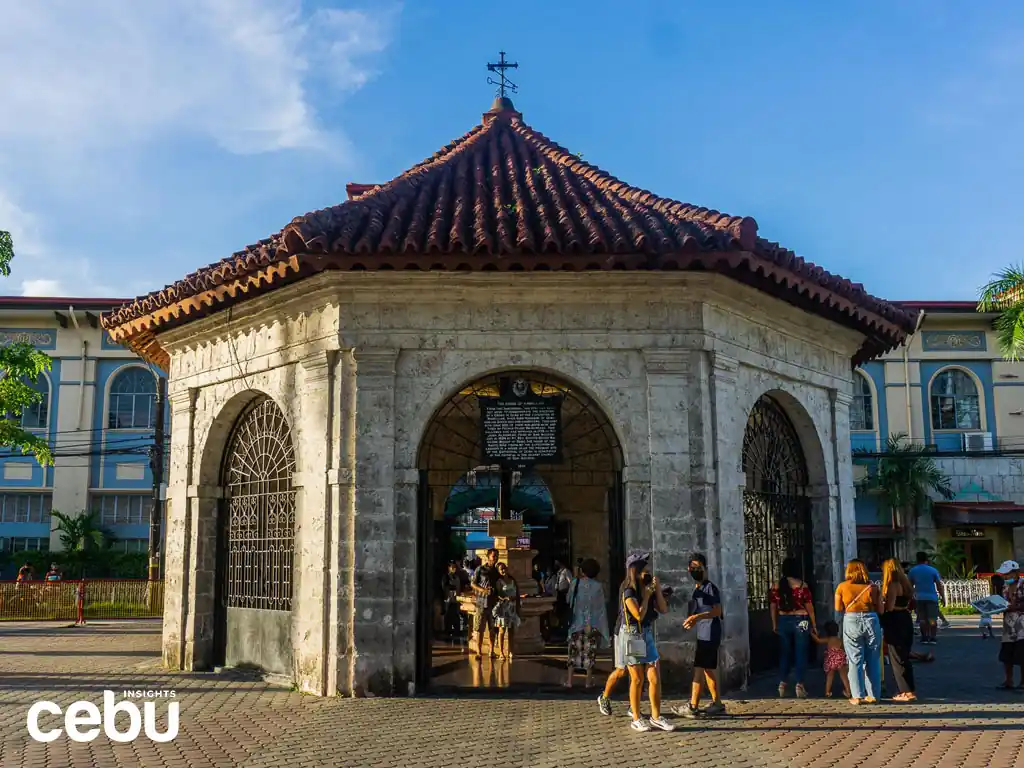
Cebu’s history is a wild mix of early trade, Spanish colonizers, and a city that keeps reinventing itself. From centuries-old churches to living museums and festivals, Cebu somehow hangs onto its roots while still moving forward.
Walking Tours of Historic Sites
If you want to see where history happened, try a walking tour in Cebu’s old quarter. Magellan’s Cross is right by the Basilica Minore del Santo Niño—yeah, that’s where Magellan landed back in 1521.
Plaza Independencia and Fort San Pedro are close, showing off what’s left of the old Spanish defenses. At Colon Street, you’ll find the country’s oldest road, lined with shops and old buildings from Cebu’s trading days.
The Heritage of Cebu Monument in Parian is a wild mash-up of stone and metal sculptures, telling stories like the Battle of Mactan and the arrival of Christianity. Guided tours usually start downtown and wander through restored houses, churches, and other landmarks.
Bring comfy shoes, maybe a hat, and a bit of curiosity. You’ll need them.
Museums and Ancestral Houses
Cebu’s museums are a crash course in how the city shaped the nation. Museo Sugbo, once a jail, is now full of artifacts from pre-Spanish days through independence.
You’ll see old coins, pottery, and documents tracing Cebu’s long story. Casa Gorordo Museum is a few blocks away, with original furniture and art from the 1800s.
This house belonged to Juan Gorordo, Cebu’s first Filipino bishop. The Yap-Sandiego Ancestral House is one of the oldest homes in the country—built from coral stone and wood, showing off both Chinese and Spanish influences.
Together, these places paint a vivid picture of how Cebuanos lived, worked, and shaped their city over the centuries.
Spanish Colonial Architecture and Monuments
Remnants of Spanish colonial architecture pop up all over Cebu City. Churches built from coral stones, wooden beams, and tiled roofs hint at centuries of faith and craftsmanship under Spanish rule.
The Basilica Minore del Santo Niño, not far from Magellan’s Cross, houses one of the country’s oldest Christian relics. It’s a place people still visit for both history and quiet reflection.
Plaza Independencia is dotted with monuments to national and local heroes. It used to be the city’s main spot for civic gatherings.
By the river, the Cebu Heritage Monument packs key historic events into carved figures and detailed reliefs. There’s a lot to take in if you stop and look closely.
Annual Festivals and Cultural Events
Cebu’s yearly festivals keep tradition alive and tie heritage to daily life. The Sinulog Festival in January celebrates the Santo Niño with processions, street dancing, and cultural shows.
It’s a wild, joyful mix of faith and local pride—honestly, it’s hard not to get swept up in it. In May, Gabii sa Kabilin (Night of Heritage) opens up museums and cultural spaces late into the night.
Locals wander through exhibits, performances, and historical reenactments, all connected by shuttles across downtown. There’s something about exploring the city after dark that makes history feel more alive.
Other events might include walking exhibits, open-air concerts at heritage plazas, or school activities celebrating Philippine history. There’s always a sense that Cebu’s living culture depends on people showing up and getting involved.
Nature, Adventure, and Scenic Getaways Near the City
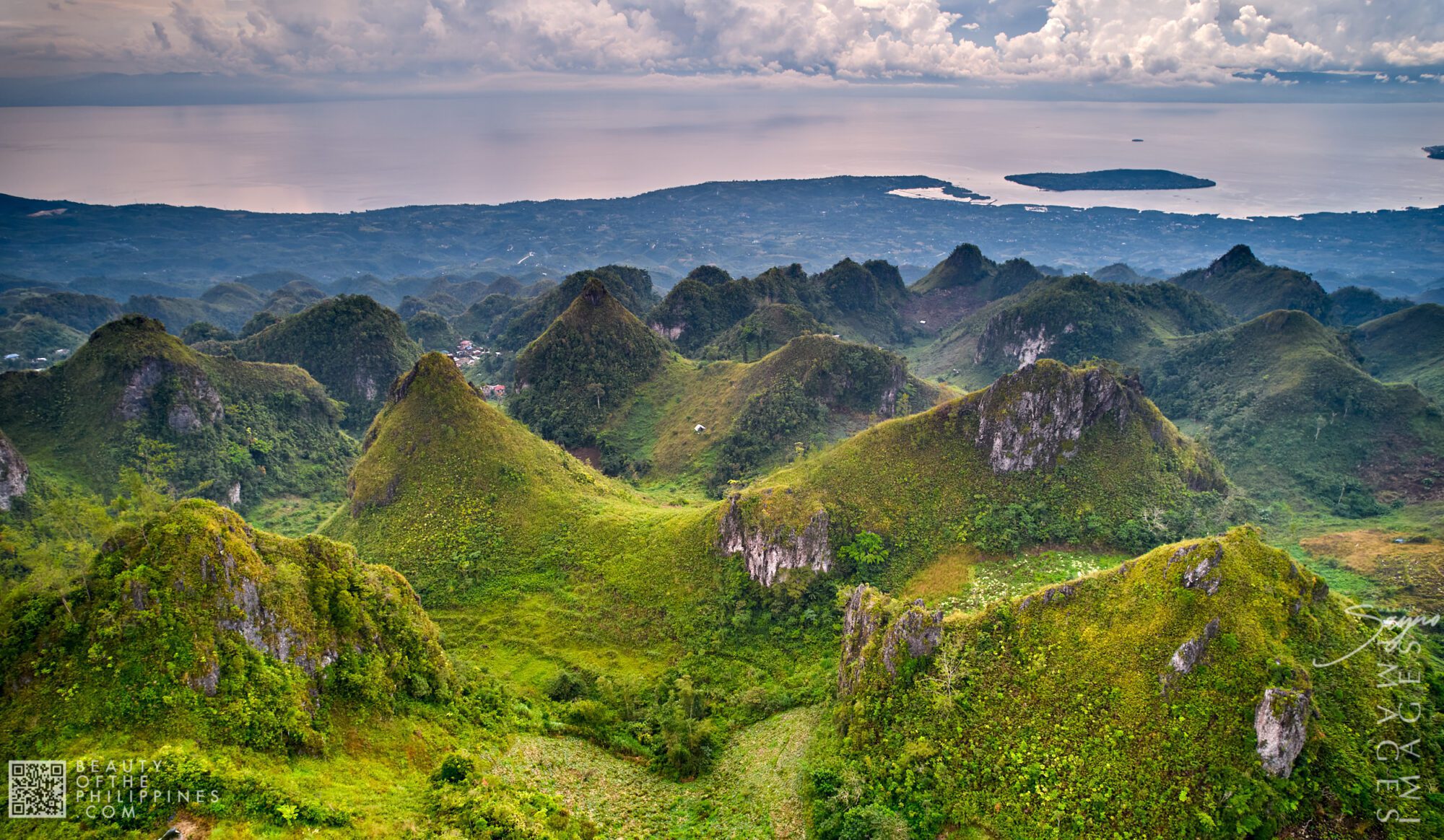
Cebu’s nearby landscapes are a quick escape from the city grind. Beaches, waterfalls, and hills are all within reach—sometimes it feels like nature’s never far away.
Locals can find quiet corners or jump into activities that blend nature with adventure. Most spots are just a couple of hours out, tops.
Day Trips to Beaches and Islands
Cebu’s coastlines and nearby islands are made for day trips. Hop over to Mactan Island and you’ll find white-sand resorts, swimming, snorkeling, and water sports like jet skiing and parasailing.
If you’re not into resorts, public beaches in Marigondon and Punta Engaño are still easy to reach. Farther south, Moalboal is all about diving and swimming.
Panagsama Beach and Pescador Island have clear water, sardine runs, and coral reefs. It’s about 2.5 to 3 hours by car, so plan for a full day.
Up north, Malapascua Island rewards early risers with quiet shores and top-notch diving. It’s less crowded than Moalboal, but you’ll need to start early.
Some folks make the jump to nearby Bohol for the Chocolate Hills and Tarsier Sanctuary. It’s just a fast ferry ride from Cebu City.
Outdoor Adventures and Activities
Cebu’s landscape is made for hiking, canyoneering, and water adventures. The Kawasan Falls trek in Badian is a favorite, especially for canyoneering through streams and natural pools.
It’s doable for beginners but still exciting for anyone who’s done it before. Cyclists and motorbike riders love heading up to Balamban, a mountain town with cool air and scenic roads.
The Transcentral Highway is packed with overlooks and small cafés—perfect for a quick weekend break. If you’d rather be on the water, island-hopping trips around Mactan are easy to join.
Local operators provide gear and guides, so you don’t have to worry about logistics. It’s a simple, safe way to enjoy the sea without venturing too far.
Gardens, Flower Farms, and Mountain Escapes
Head uphill and you’ll find Sirao Garden, sometimes called the Little Amsterdam of Cebu. The flower fields and windmill designs are a hit with photographers and families.
It’s just a short drive from Lahug and noticeably cooler than the city. Nearby, Terrazas de Flores Botanical Garden offers tiered flower terraces and cozy cafés overlooking a valley.
It’s quieter than Sirao—good for an afternoon when you just want to relax. For a longer break, spots in Busay or Balamban have small resorts and campsites tucked among pine trees and misty peaks.
People often stay overnight for bonfires, stargazing, or sunrise views of the city below. It’s a different world up there.
Practical Tips for Living and Exploring in Cebu City
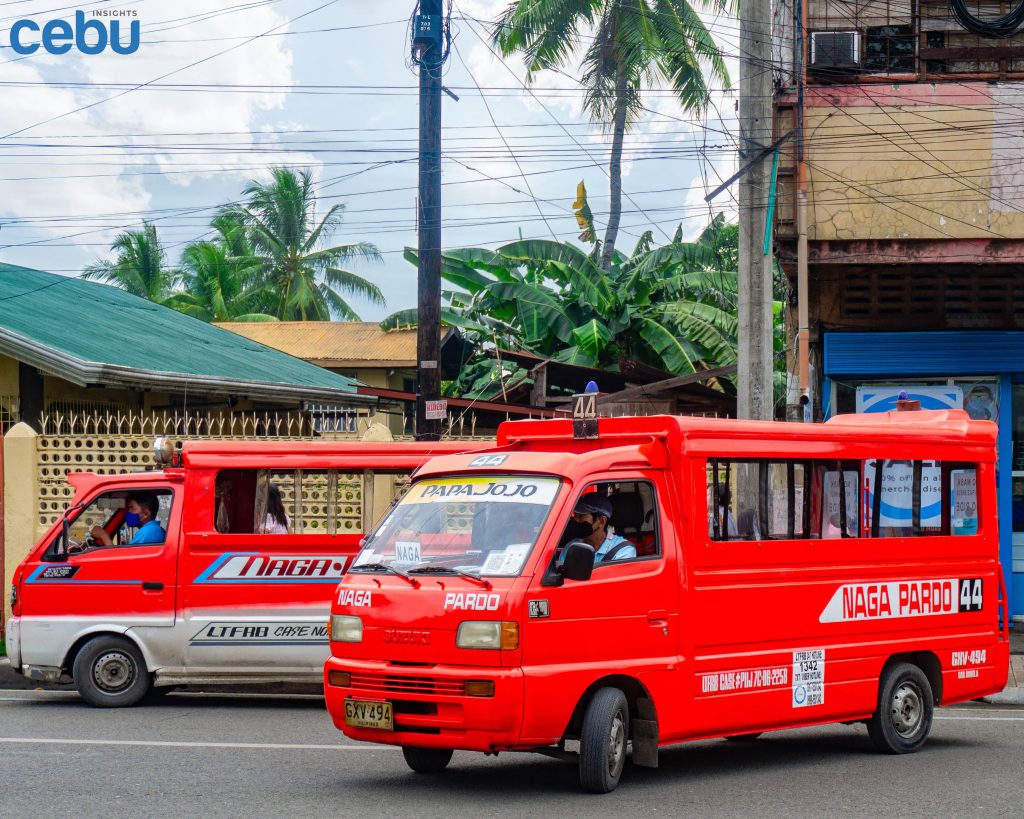
Life in Cebu goes smoother when you plan ahead, know a bit about local customs, and stay open to new things. Figuring out how to get around and where to look for fun outside the usual malls or beaches really helps.
Getting Around Efficiently
Traffic in Cebu City can be a toss-up, especially near Fuente Osmeña, IT Park, and North Reclamation. Most folks juggle convenience and cost by mixing up their transport choices.
- Jeepneys are still the cheapest way to get around. The new numbered signs make routes less confusing.
- Modern buses like the Cebu BRT and MyBus cover big routes to SM City, Mactan, and the airport.
- Motorcycle taxis (Angkas, for example) are fast if you’re in a hurry and don’t mind zipping through traffic.
For short trips in Busay or Lahug, personal cars or private hires might be better. Rideshares are safer at night, honestly. If you commute daily, it’s smart to avoid peak hours—7:00–9:00 AM and 5:00–7:30 PM are the worst.
Walking or biking in smaller neighborhoods like Banilad or Guadalupe saves time and gas. It’s also a good way to see the city up close.
Safety, Etiquette, and Local Insights
Cebu’s pretty safe, but you still need to pay attention. Keep wallets and phones close, especially in crowded spots like Carbon Market or Colon Street.
People recommend crossbody bags and staying alert on public transport. A little respect goes a long way—say “Salamat” (thanks) and “Maayong buntag” (good morning).
Don’t raise your voice in public. Cebuano culture values humility and courtesy, and honestly, it makes things more pleasant for everyone.
If you visit churches or ancestral homes like Casa Gorordo Museum, dress modestly. In touristy areas, check if it’s okay before snapping photos—some places don’t allow it.
During festivals or parades, follow traffic rules and cleanup notices. It helps keep things safe and smooth for everyone.
Events, Tours, and Experiences to Try
Cebu City isn’t just about beaches—it’s a mix of culture, food, and community fun. Many enjoy Cebu tours that highlight history and food, like heritage walks or mountain trails in Busay.
Families can spend a day at Cebu Ocean Park, a big indoor spot with marine life and interactive exhibits. For something livelier, check out Sinulog or smaller barangay fiestas that spotlight Cebuano dance and food.
Weekend workshops, art fairs, and cycling groups often pop up around Cebu Business Park and IT Park. People say the best things to do in Cebu City are a mix of everyday comforts and little adventures close to home.
Frequently Asked Questions
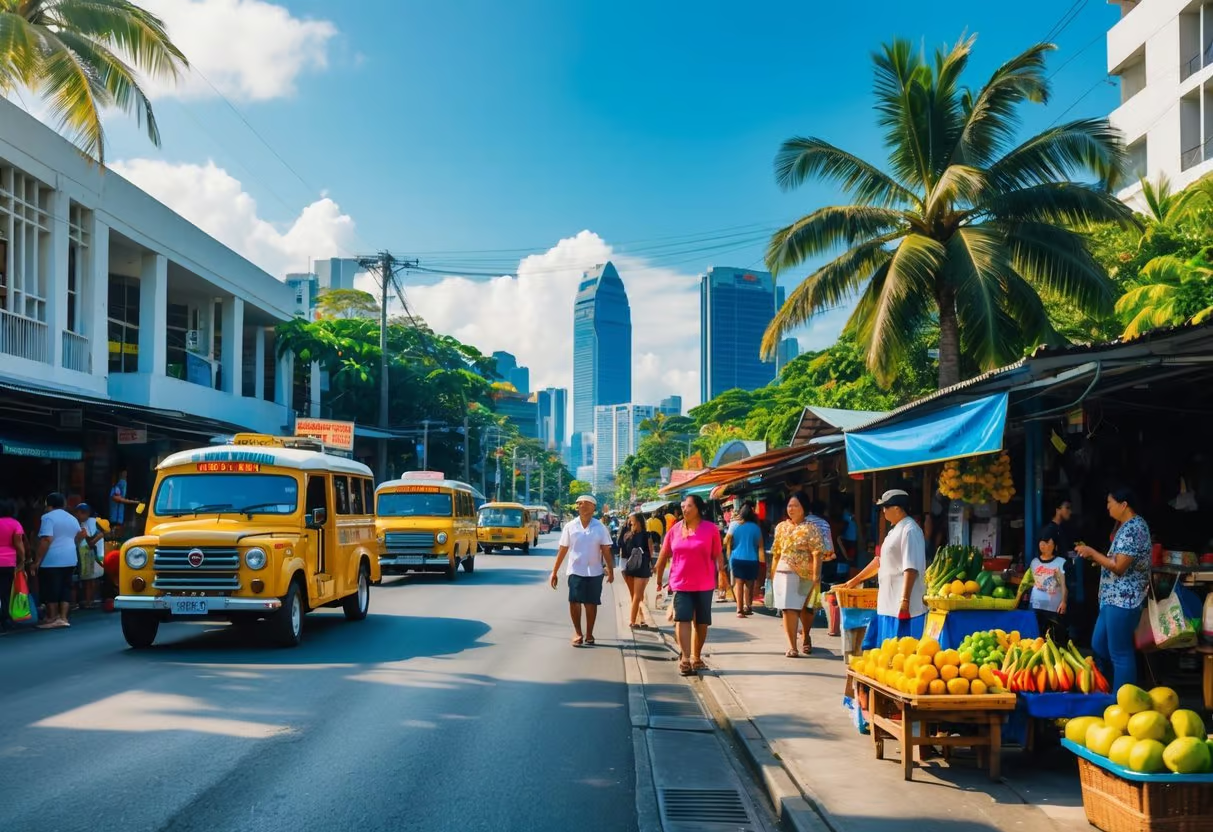
Cebu City’s packed with places and activities that show off its culture, food, and way of life. From markets and coffee shops to sunset spots and heritage sites, there’s always something to discover without leaving the city.
What unique cultural experiences does Carbon Market in Cebu City offer?
Carbon Market is a window into Cebu’s traditional daily life. You can shop for fresh produce, seafood, and street food while watching how locals haggle and interact.
Go early if you want to see the market at its liveliest. The energy is something else—part old-school trading, part modern city buzz.
Where can I watch a peaceful sunset in Cebu City and what is the best time?
Mountain View and Tops in Busay are local favorites for sunsets. The air’s cooler up there, and you get a wide view of the city lighting up as the sun goes down.
Best time? Between 5:30 PM and 7:00 PM. Weekdays are usually quieter, so you can actually relax and take it all in.
Can you recommend some local favorite coffee shops in Cebu City?
Cebu’s café scene is growing fast. Local favorites include Tightrope Coffee, Good Cup Coffee, and Commonly Uncommon.
They serve great coffee and have a chill vibe—perfect for studying, remote work, or just hanging out.
What activities can locals enjoy at Cebu IT Park?
Cebu IT Park isn’t just offices. People jog or walk there in the evenings, and there’s always food from nearby stalls and cafés.
Weekend markets and outdoor events make it even more lively. It’s popular with families and young professionals who want easy, low-key fun.
Which museums in Cebu City are must-visit for understanding its history?
Three museums really stand out for history buffs. Museo Sugbo has exhibits on Cebu’s colonial and wartime past.
Casa Gorordo Museum and Yap-San Diego Ancestral House show off old architecture and artifacts, giving you a real sense of Cebu’s roots.
Where are the popular areas for a weekend staycation within Cebu City?
Locals tend to pick hillside spots in Busay when they want cooler air and those sweeping views. It’s just a short drive up, but it already feels a world away from the usual city buzz.
Mactan is another favorite. The beachfront resorts there make it easy to slip into weekend mode without much planning or hassle.