5 Fun Facts About Cebu’s Iconic Architecture That Showcase Its History and Modern Marvels
Cebu, known for its colorful blend of history and modernity, boasts a rich tapestry of architecture that appeals to locals and tourists alike. This fascinating mix of colonial-era structures and contemporary designs highlights the city’s journey through time and its evolving skyline. Whether it’s the enduring legacy of churches or the sleek lines of new buildings, Cebu’s Iconic Architecture offers a glimpse into its cultural heritage and ongoing development. Those interested in Cebu’s Iconic Architecture are sure to appreciate the storytelling embodied in its structures.
Cebu’s iconic architecture tells the story of how the city grew from a colonial port into a modern urban center without losing its roots. Landmarks like Magellan’s Cross and the Basilica Minore del Santo Niño reflect deep religious and cultural ties. Newer sites, such as large bridges and modern resorts, show how Cebu continues to move forward.
Each structure means more than just bricks and mortar. Old stone churches carry memories of Philippine history, while modern buildings fuel today’s economy and routines. Together, they make it pretty clear why Cebu stands out among Philippine cities.
Key Takeaways
- Cebu blends historic landmarks with modern city design.
- Religious sites play a major role in Cebu’s cultural identity.
- New architecture reflects Cebu’s steady urban growth.
Cebu’s Iconic Architecture: Historical Legacies
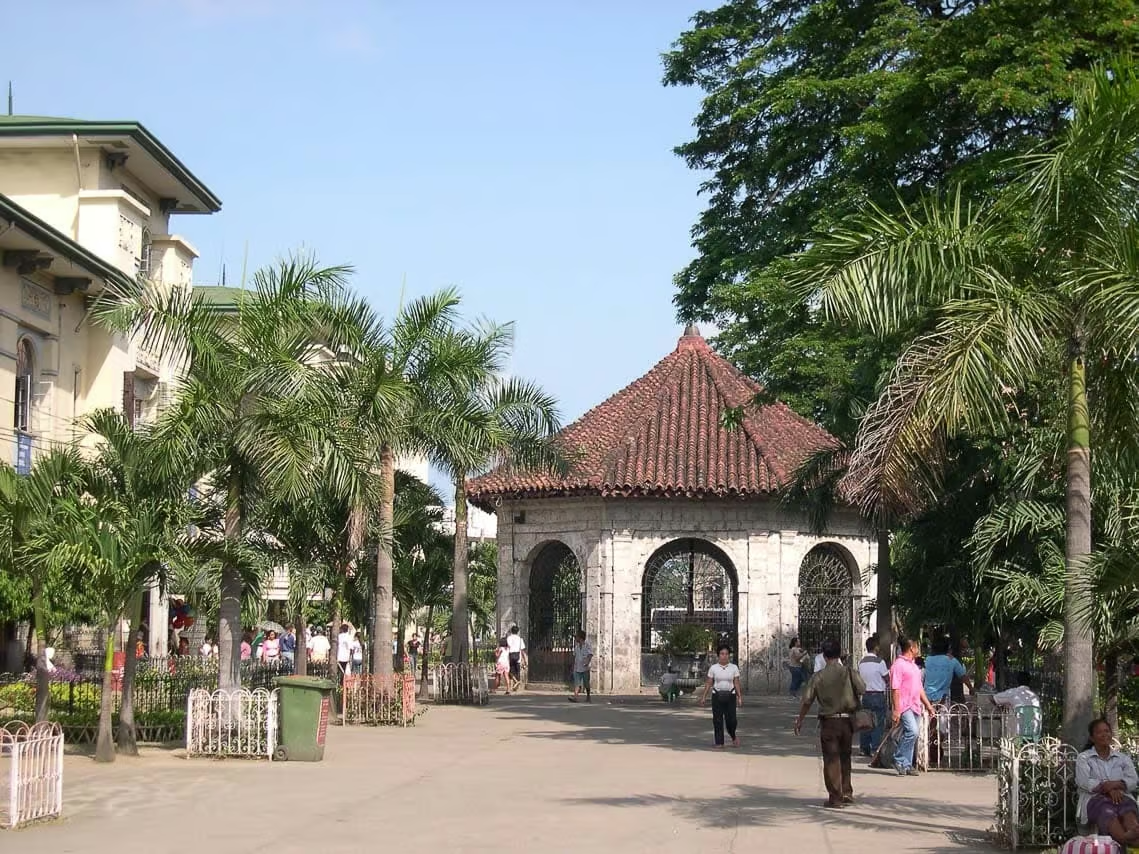
Cebu’s oldest landmarks record key moments in Philippine history. These sites show how faith, trade, and defense shaped the city’s growth and daily life.
The Significance of Magellan’s Cross
Magellan’s Cross marks the arrival of Christianity in Cebu in 1521. Ferdinand Magellan ordered its planting after the baptism of local leaders, including Rajah Humabon. The act linked Cebu to early global contact and Spanish influence.
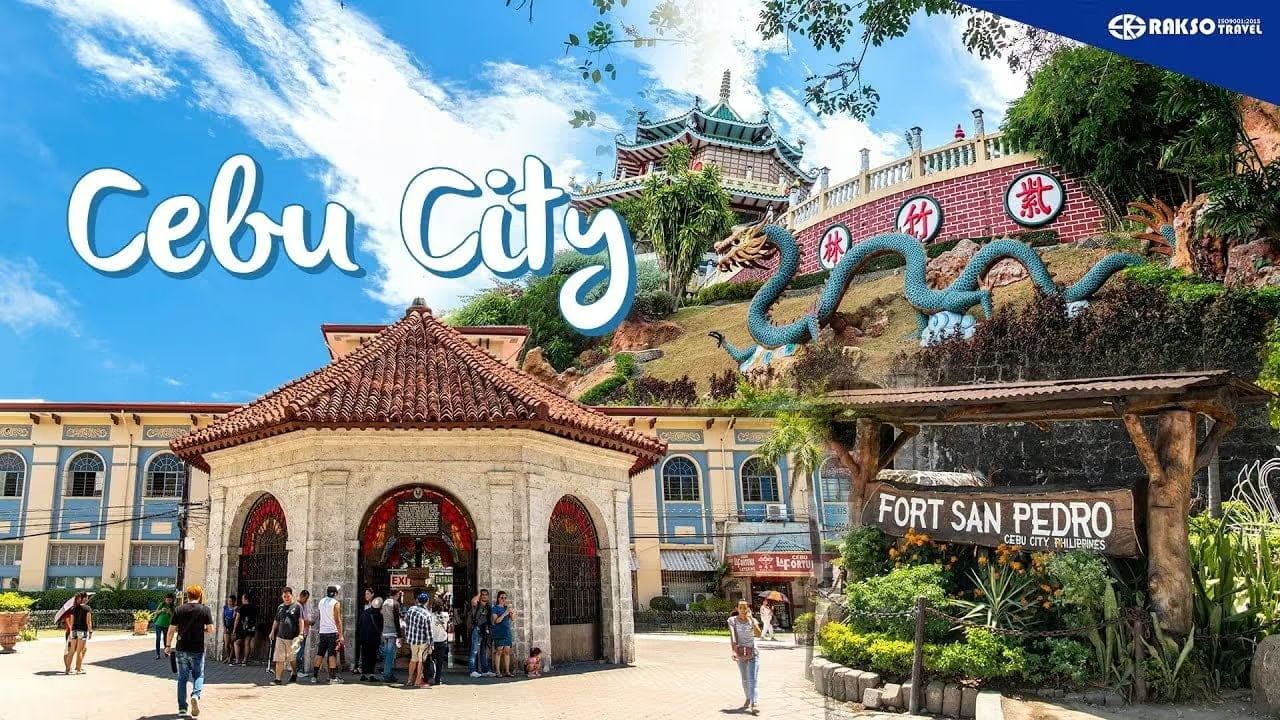
The cross now stands inside an octagonal pavilion near the Basilica Minore del Santo Niño. Visitors see a wooden cross that protects the original relic inside. Church caretakers added this cover to reduce damage from age and handling.
Magellan’s Cross remains central to Catholicism in Cebu. Many locals visit to pray or reflect, while others come to learn about its role in early Philippine history.
Basilica Minore del Santo Niño and the Spread of Catholicism
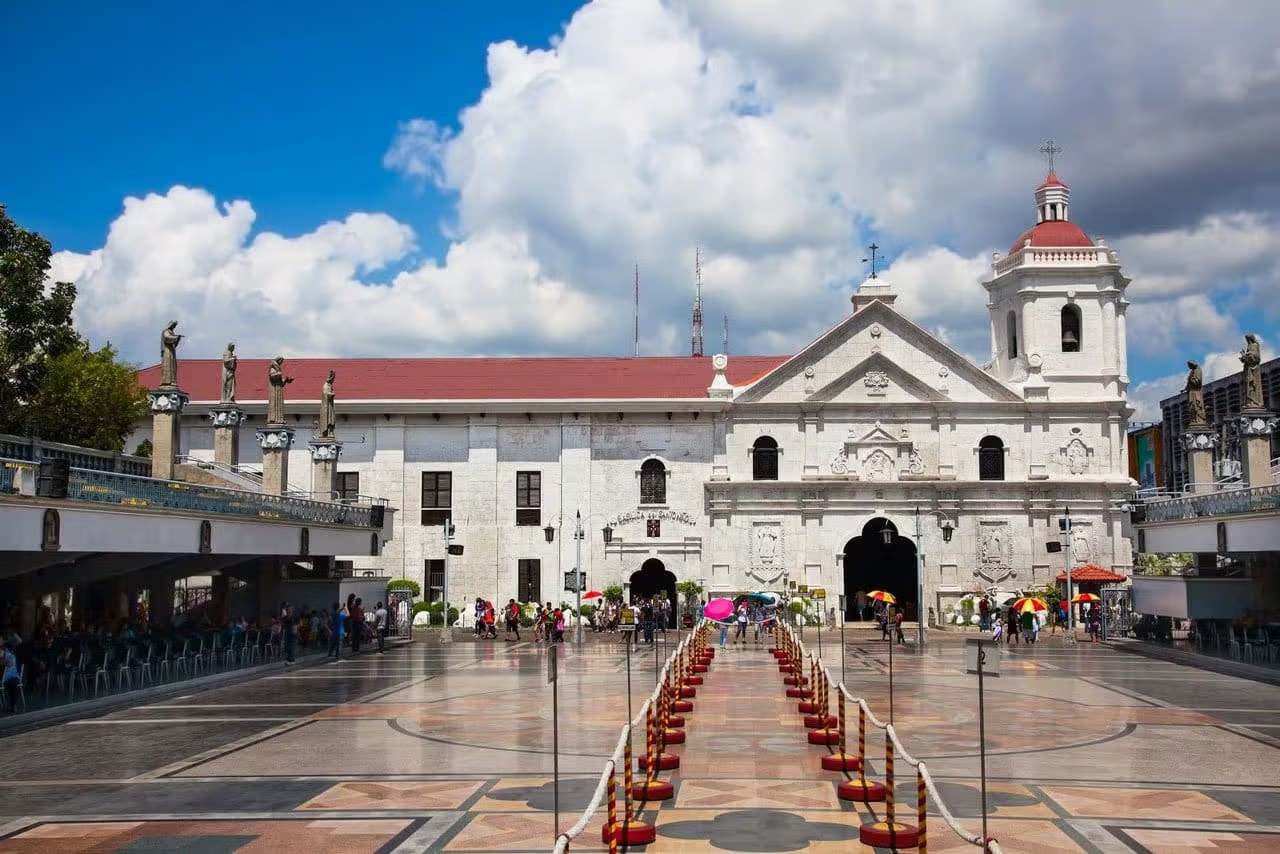
The Basilica Minore del Santo Niño anchors Catholic worship in Cebu. Spaniards built the church on the site where they found the image of the Santo Niño in 1565. The image symbolized the return of Spanish rule and lasting religious influence.
The basilica mixes simple stone design with later renovations. It has endured fires, earthquakes, and war. Each rebuild kept its role as a center of faith.
The Santo Niño devotion draws millions each year, especially during the Sinulog Festival. The basilica shows how Catholicism in Cebu shaped culture, rituals, and community life for centuries.
The Heritage of Fort San Pedro
Fort San Pedro served as Cebu’s main military defense during Spanish rule. Builders completed the stone fort in the 18th century to protect the port from raiders. It later served as a barracks, prison, and hospital.
The fort stands beside Plaza Independencia, a historic public space. Its triangular layout and thick walls reflect practical colonial design.
Key features include:
- Stone ramparts built for coastal defense
- Small interior courtyard used by soldiers
- Museum spaces that display local history
Fort San Pedro now functions as a cultural site rather than a military post.
Colon Street: The Oldest Street in the Philippines
Colon Street holds the title of the oldest street in the Philippines. Spanish planners laid it out in 1565 as Cebu’s main commercial road. The street linked the port to key government and church sites.
For decades, Colon Street served as Cebu’s trade center. Shops, theaters, and schools once lined the road. Today, it remains busy, though more crowded and informal.
Colon Street reflects urban change. Old buildings sit beside newer ones, showing how Cebu adapts while keeping its historical core visible.
Religious and Cultural Marvels
Cebu’s sacred spaces show how faith and culture shape the city’s buildings. These sites link Catholic roots, living traditions, and Chinese influence within Cebuano culture.
Cebu Metropolitan Cathedral: Colonial Grandeur
The Cebu Metropolitan Cathedral stands near the heart of the old city. It serves as the seat of the Archdiocese of Cebu, one of the largest Catholic centers in Asia. The building reflects Spanish colonial design, with thick stone walls and a wide façade.
The cathedral has faced damage from wars and earthquakes. Builders restored it many times, which explains its mix of old and newer details. This layered design tells a clear story of survival and faith.
Key features include:
- Stone construction built for durability
- A bell tower added after early rebuilds
- A role as a center of Catholicism in Cebu
The cathedral remains active, hosting daily Masses and major church events.
Sinulog Festival: Architecture and Devotion
The Sinulog Festival links public space, faith, and movement. Held every January, it honors the Santo Niño, a core symbol of Catholicism in Cebu. Dancers move through streets near major landmarks, including churches and plazas.
Temporary arches, stages, and banners rise across the city. These structures frame religious images and guide large processions. The design focuses on flow, safety, and clear sightlines for crowds.
The festival blends:
- Devotion to the Santo Niño
- Street-based architecture and planning
- Cebuano dance, music, and costume
Sinulog shows how architecture supports living traditions, not just fixed buildings.
Cebu Taoist Temple: A Touch of Chinese Influence
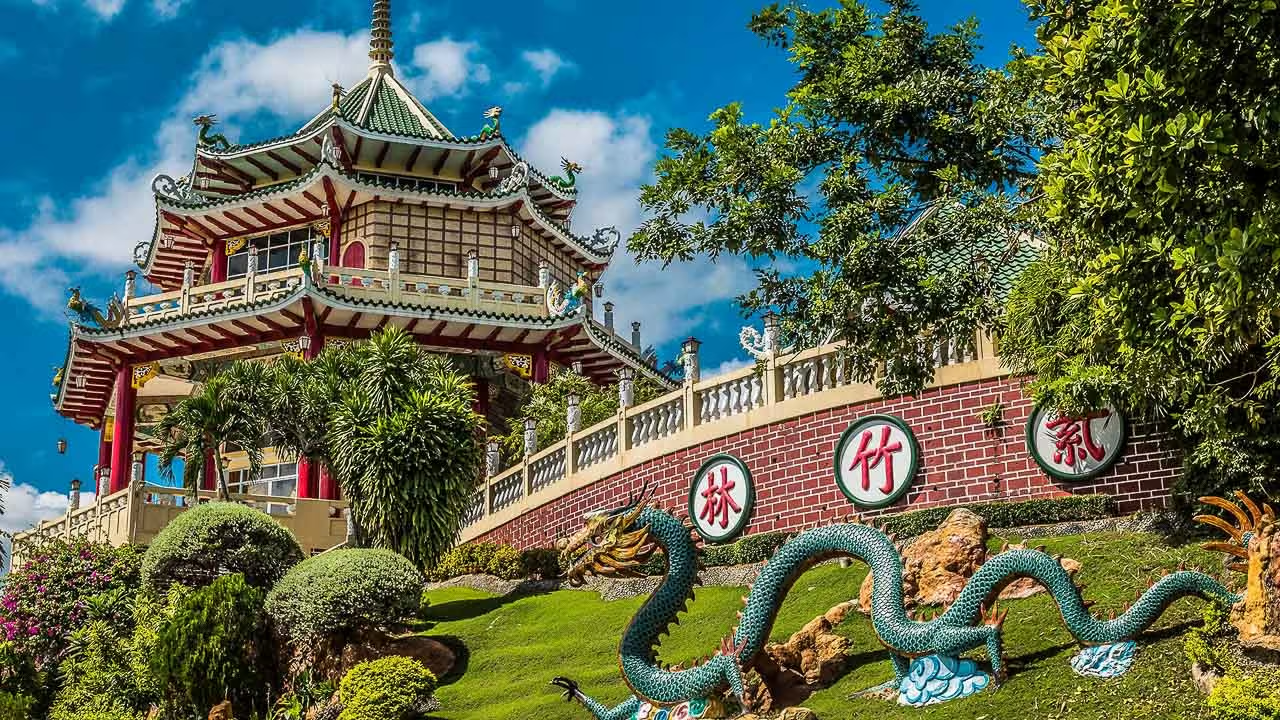
The Cebu Taoist Temple sits on a hill in Beverly Hills, Cebu City. Built by the local Chinese community, it reflects strong cultural ties and spiritual practice. The complex uses bright colors, curved roofs, and carved figures.
Visitors climb many steps to reach prayer halls and terraces. The layout follows Taoist principles, with balanced spaces and symbolic forms. The temple offers quiet views of the city below.
Notable elements include:
- Dragon statues and pagoda-style towers
- Open courtyards for prayer and reflection
- Clear rules that respect sacred spaces
The temple adds depth to Cebu’s religious landscape through Chinese influence.
Architectural Heritage Homes and Museums
Cebu preserves its past through well-kept homes and public monuments. These places show daily life, faith, and art during key periods of the city’s history.
Casa Gorordo Museum: Blending Cultures
Casa Gorordo Museum sits in Cebu City and once served as a family home. The house dates to the mid-1800s and reflects Spanish, Chinese, and local design. Wide wooden floors, capiz shell windows, and tiled roofs show careful planning for tropical weather.
The museum highlights Filipino craftsmanship through furniture, tools, and household items. Each room shows how families lived, worked, and prayed. Religious art and old photos add context without overwhelming the space.
Key features include:
- Antique wood furniture made by local artisans
- Religious icons and family heirlooms
- Displays on education, trade, and daily routines
Casa Gorordo Museum helps visitors understand how culture shaped Cebu’s homes and values.
Yap-Sandiego Ancestral House: Glimpses of Colonial Life
The Yap-Sandiego Ancestral House stands as one of the oldest homes in Cebu. Builders used coral stone, hardwood, and clay tiles to create a strong structure. The house shows a mix of Chinese and Spanish influence in its layout and décor.
Inside, the space feels dense and personal. Old clocks, books, and religious figures fill the rooms. These objects reflect Filipino artistry and the family’s social role during the colonial era.
The house keeps its worn surfaces and uneven floors. This choice helps preserve its original character. Visitors see how trade, faith, and family life shaped urban Cebu.
Heritage of Cebu Monument: Shaping Identity
The Heritage of Cebu Monument stands in Parian, a historic district. The monument uses concrete and metal to tell Cebu’s story through large figures and scenes. It presents events from pre-colonial times to the modern period.
Artists arranged the figures to show motion and conflict. Heroes, religious leaders, and common people appear together. This layout stresses shared identity rather than a single viewpoint.
Notable scenes include:
- The arrival of Christianity
- Key local leaders and events
- Symbols of resistance and unity
The Heritage of Cebu Monument turns history into a public space that invites reflection and learning.
Modern Marvels and Urban Transformation
Cebu City shows its modern side through bold landmarks, large-scale resorts, and thoughtfully designed hotels. These structures highlight how the Queen City of the South balances visual impact, function, and local identity.
Temple of Leah: Neo-Classical Grandeur
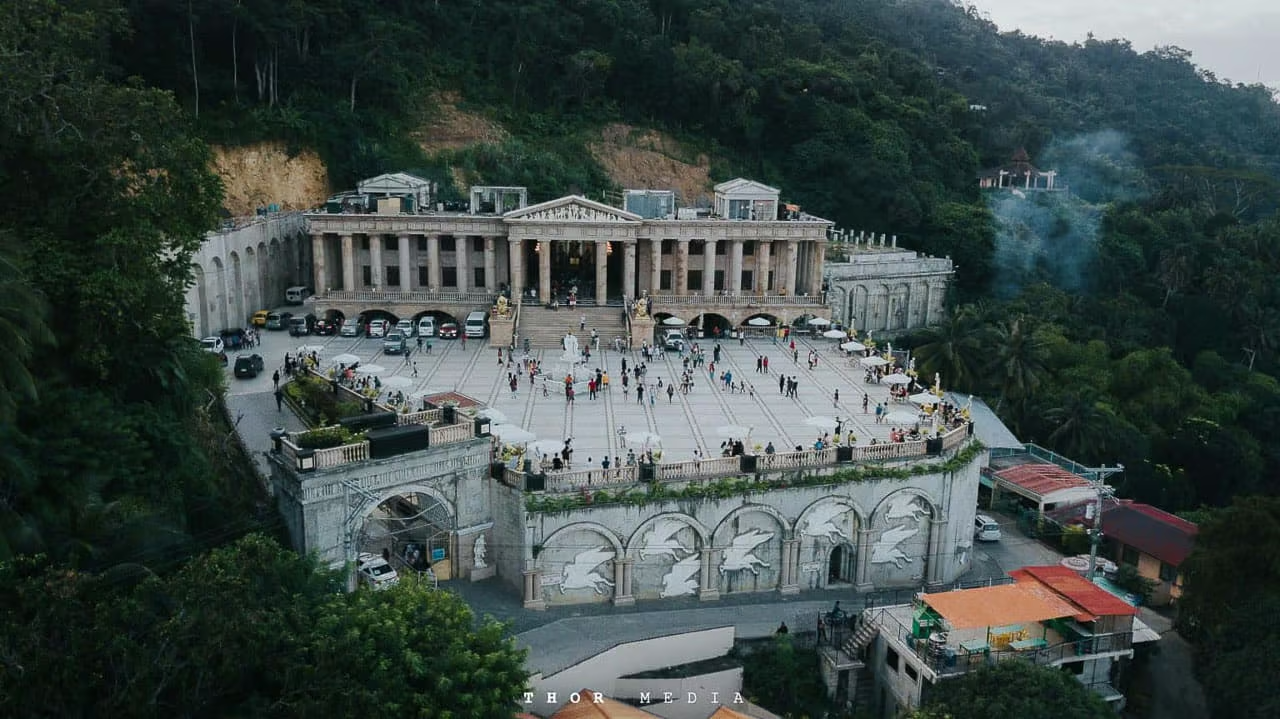
The Temple of Leah rises above the hills of Cebu City, turning heads with its sheer scale and stonework. Built in a neo-classical style, it’s got those towering columns, wide stairways, and sculptures that nod to ancient Rome.
This place is really a personal monument—a husband’s tribute to his late wife. Over time, it’s become a favorite spot for city views and photos. Visitors get sweeping views of Cebu, along with all the carved figures and open halls.
Unlike the older religious sites, Temple of Leah feels more like a statement of modern freedom in design. Private projects like this are starting to leave their mark on Cebu’s skyline, right alongside the city’s public landmarks.
Nustar Resort and Casino: Luxury and Innovation
Nustar Resort and Casino sits along Cebu’s South Road Properties, representing a new wave of big, mixed-use developments. It brings together gaming, shopping, dining, and entertainment all in one waterfront spot.
The modern look features clean lines, lots of glass, and open spaces—plenty of sunlight and sea views. Projects like this are part of Cebu City’s push to grow tourism and business outside the old city center.
Nustar caters to a rising demand for high-end destinations in Cebu. It’s designed for both out-of-towners and locals looking for something new to do.
Contemporary Hotels: Celebrating Local Artistry
Many of the best hotels in Cebu these days mix modern comfort with local flair. Newer hotels often show off Cebuano art, native materials, and patterns inspired by local culture.
Designers use wood, stone, and woven textures to create warm interiors. Public spaces are dotted with works by local artists, giving each place a sense of identity. It’s a move away from those bland, could-be-anywhere hotels.
These hotels help shape Cebu’s image as a city that’s both modern and deeply rooted. They’re proof that architecture can nod to tradition and still fit today’s needs.
Frequently Asked Questions
These topics dig into how key sites reflect Cebu’s religious roots, Spanish influence, personal stories, engineering, cultural exchange, and modern growth. Each place has played a part in shaping the city’s built character.
What is the historical significance of Magellan’s Cross in Cebu?
Magellan’s Cross marks the arrival of Christianity in the Philippines back in 1521. Ferdinand Magellan ordered it planted after Rajah Humabon and his followers were baptized.
The cross stands for a big shift in Cebu’s faith and culture. These days, a wooden casing protects the original relic from damage.
How does the Basilica Minore del Santo Niño reflect Spanish architectural influence?
The Basilica shows off Spanish colonial design with thick stone walls and simple baroque touches. It was built to withstand fires, storms, and earthquakes.
This church was more than a place of worship—it anchored community life during Spanish rule.
What is the personal story behind the construction of the Temple of Leah?
Businessman Teodorico Adarna built the Temple of Leah as a tribute to his late wife, Leah Albino-Adarna. He wanted to honor her love and loyalty.
The temple’s Greco-Roman look really pops in Cebu. It’s a personal monument, not a religious one.
What features contribute to the Marcelo Fernan Bridge’s resilience and safety?
The Marcelo Fernan Bridge uses a cable-stayed design with two main pylons. This setup helps spread out the weight and stand up to strong winds.
Engineers made sure the bridge could handle heavy traffic and even earthquakes. It’s a crucial link between Cebu City and Mactan Island.
How does the Cebu Taoist Temple showcase cultural integration in the city?
The Cebu Taoist Temple features classic Chinese architecture—bright colors, tiered roofs, the works. The local Chinese community built it in 1972.
It’s open to visitors of all faiths, highlighting the long and lively presence of Chinese culture in Cebu.
What are the impacts of modern buildings on Cebu’s architectural identity?
Modern buildings bring high-rise offices, malls, and mixed-use spaces into the cityscape. Just look at Cebu IT Park—it’s a clear example of this shift.
These new developments fuel business and urban life, but they also stand in stark contrast to the city’s old churches and heritage sites. It makes you wonder: is Cebu’s identity evolving, or just getting crowded?