A Guide to Buying a Condo in Cebu: Key Insights for Smart Property Buyers
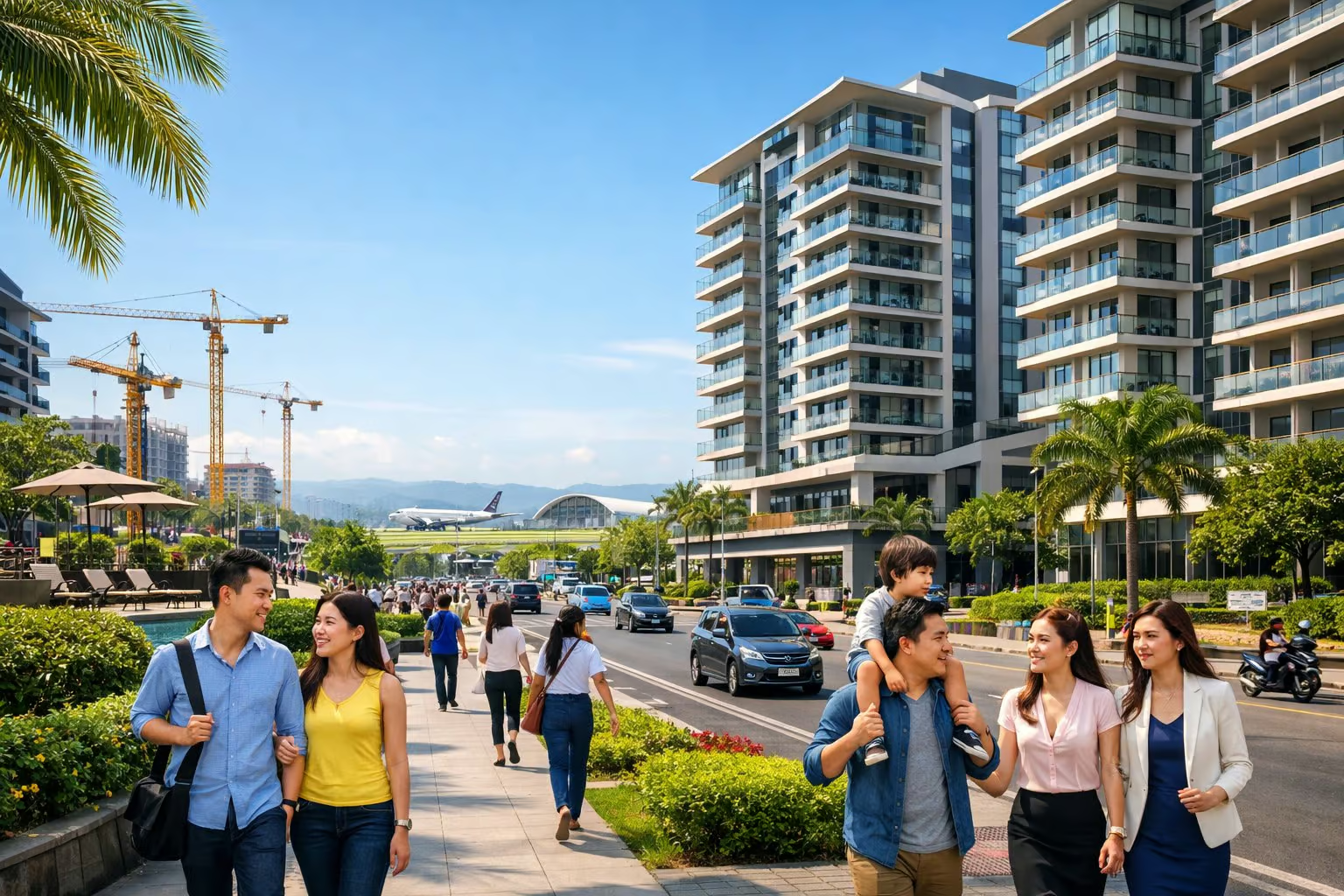
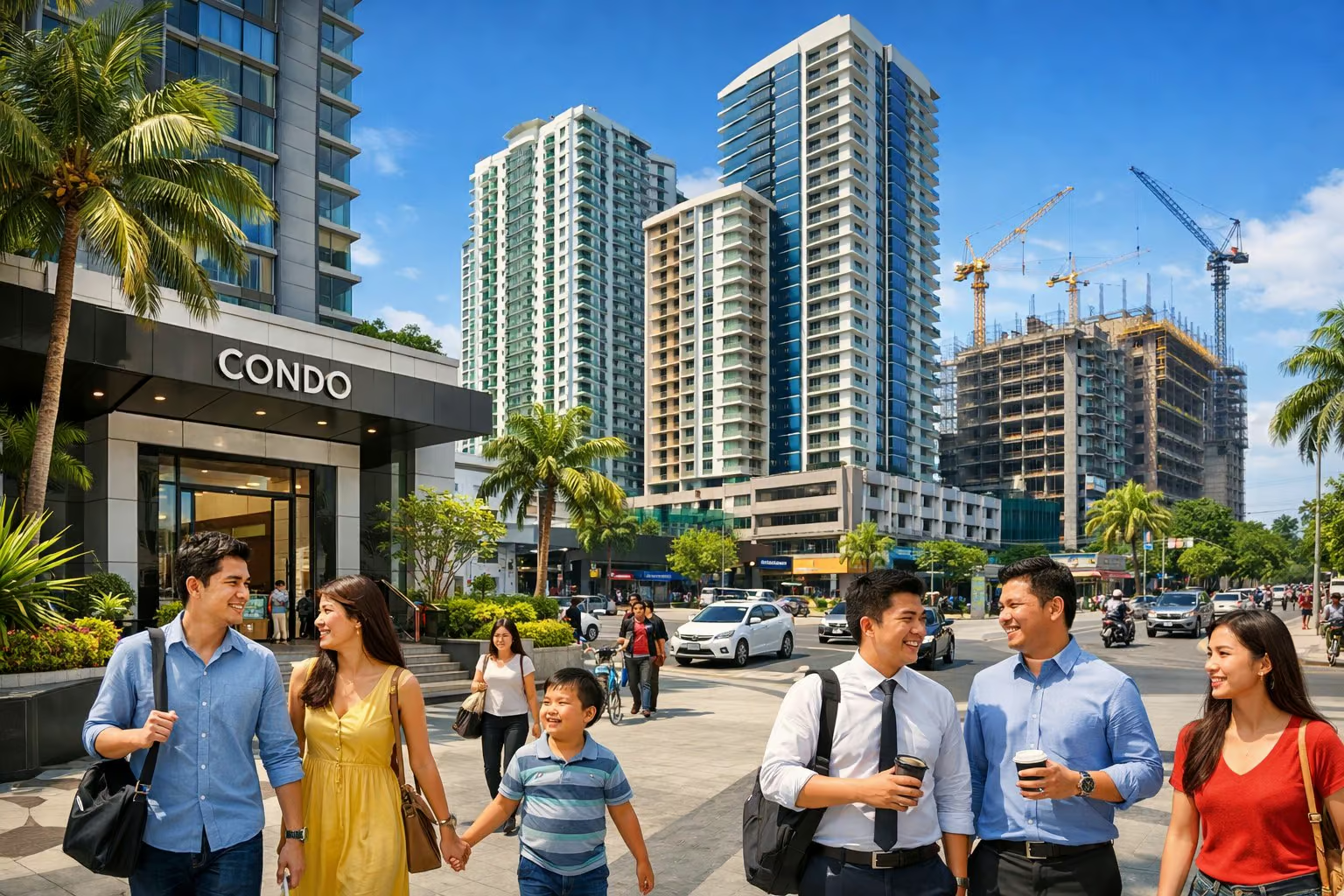
Buying a condo in Cebu is becoming increasingly popular as Cebu’s condo market is on the rise. Jobs, travel options, and city services keep expanding across the metro. People gravitate toward condos because they’re close to offices, malls, schools, and hospitals—covering most daily needs and keeping demand steady. Cebu City, Mandaue, and Lapu-Lapu remain favorites, thanks to their proximity to work hubs, transport, and places to unwind.
Cebu condos attract buyers who want convenience today and stable value over time. Easy access to IT parks, business districts, the airport, and beaches makes these units appealing for both homeowners and renters. Developers keep focusing projects in these zones, so interest stays strong among locals and foreigners alike.
Smart buyers don’t just look at the unit—they pay attention to the whole process. Setting a clear budget, choosing reliable developers, and making sure all paperwork is complete helps reduce risk and protect your investment. With ongoing demand from workers, families, and tenants, Cebu condos remain a practical choice for both living and investing.
Key Takeaways
- Cebu condos offer access, convenience, and steady demand.
- Location shapes lifestyle value and rental appeal.
- Careful planning and checks reduce buying risk.
Cebu Condo Market Overview
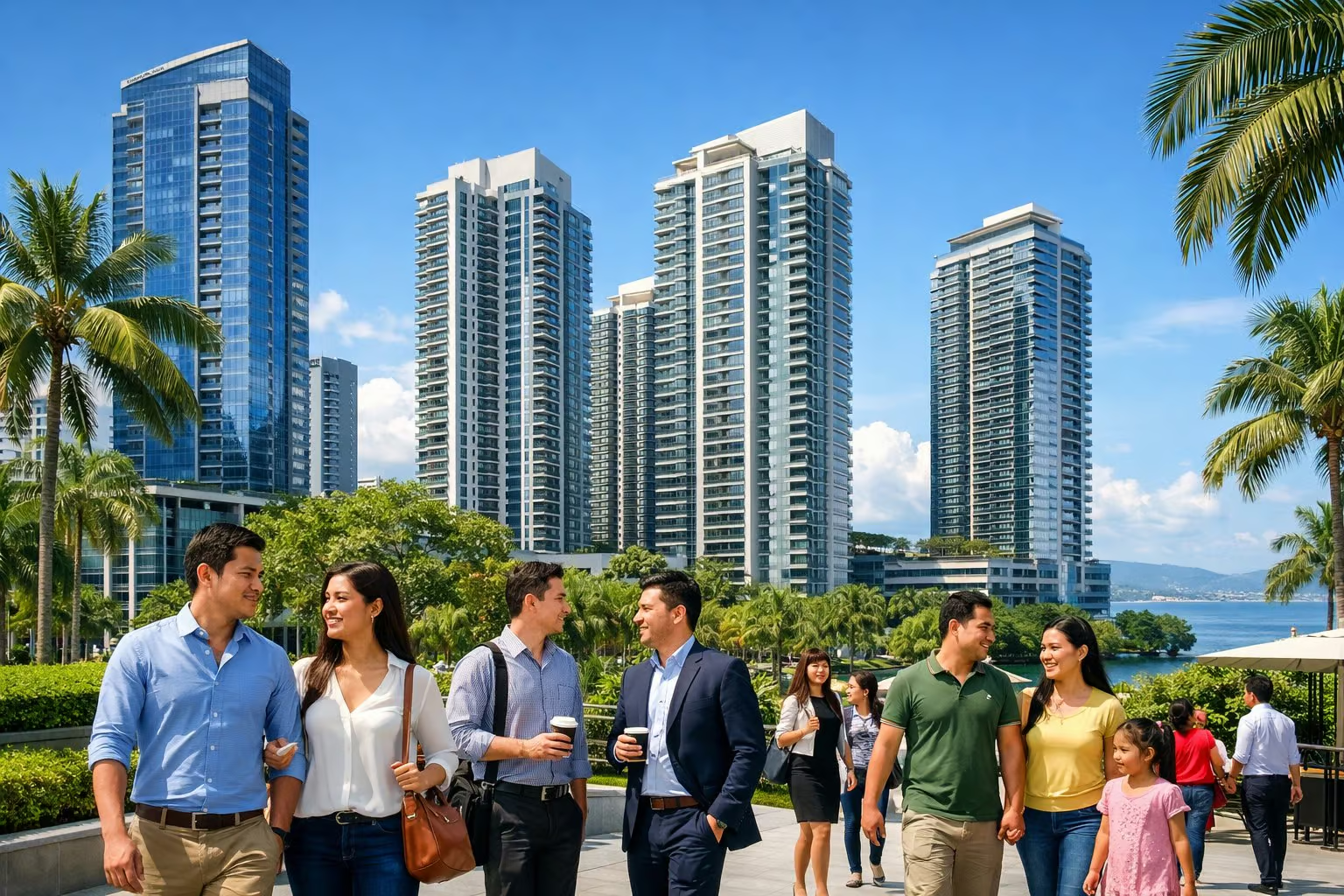
Cebu’s condo market keeps a healthy pace—steady demand, manageable supply, and clear growth drivers. Jobs, transport links, and lifestyle hubs influence where buyers set their sights and how they use their spaces.
Current Supply and Demand Trends
Cebu real estate is better balanced than Metro Manila. According to Colliers Philippines, Cebu isn’t facing a condo oversupply, even with new projects popping up.
Developers add units at a measured pace, and inventory moves faster than in larger cities. This keeps prices and rental activity pretty healthy.
About 60% of buyers are end-users—not just investors flipping for a quick profit. A lot of people buy to be near work or family, which helps keep demand steady.
Investors still see potential. Rentals near offices and tourist spots stay occupied, and price growth generally follows job creation and new roads.
Key Locations Driving Growth
Most demand centers on areas with jobs, malls, and transit. These spots shape both lifestyle and rental value.
| Area | Main Drivers |
|---|---|
| Cebu Business Park | Offices, Ayala Center Cebu, steady rentals |
| Cebu IT Park | IT-BPM jobs, night-time economy, young tenants |
| Mandaue City | Access to ports, factories, and main highways |
| Lapu-Lapu City | Airport access, resorts, short-term stays |
Projects near these hubs draw tenants who want short commutes. Quick access to the airport and beaches is a big plus, especially in Lapu-Lapu.
Buyer Profiles and Motivations
Young professionals go for studios and one-bedroom units close to Cebu IT Park and Cebu Business Park. They’re after walkability, security, and good amenities.
Starting families lean toward bigger units in mixed-use zones. They want schools, hospitals, and malls nearby—who wouldn’t?
Investors focus on rental yield and tenant demand, sticking to proven locations with offices, schools, or tourist foot traffic.
Local buyers lead the way, but there’s also growing interest from expats and returning Filipinos. This mix helps keep demand steady at different price points.
Essential Factors When Buying a Condo in Cebu
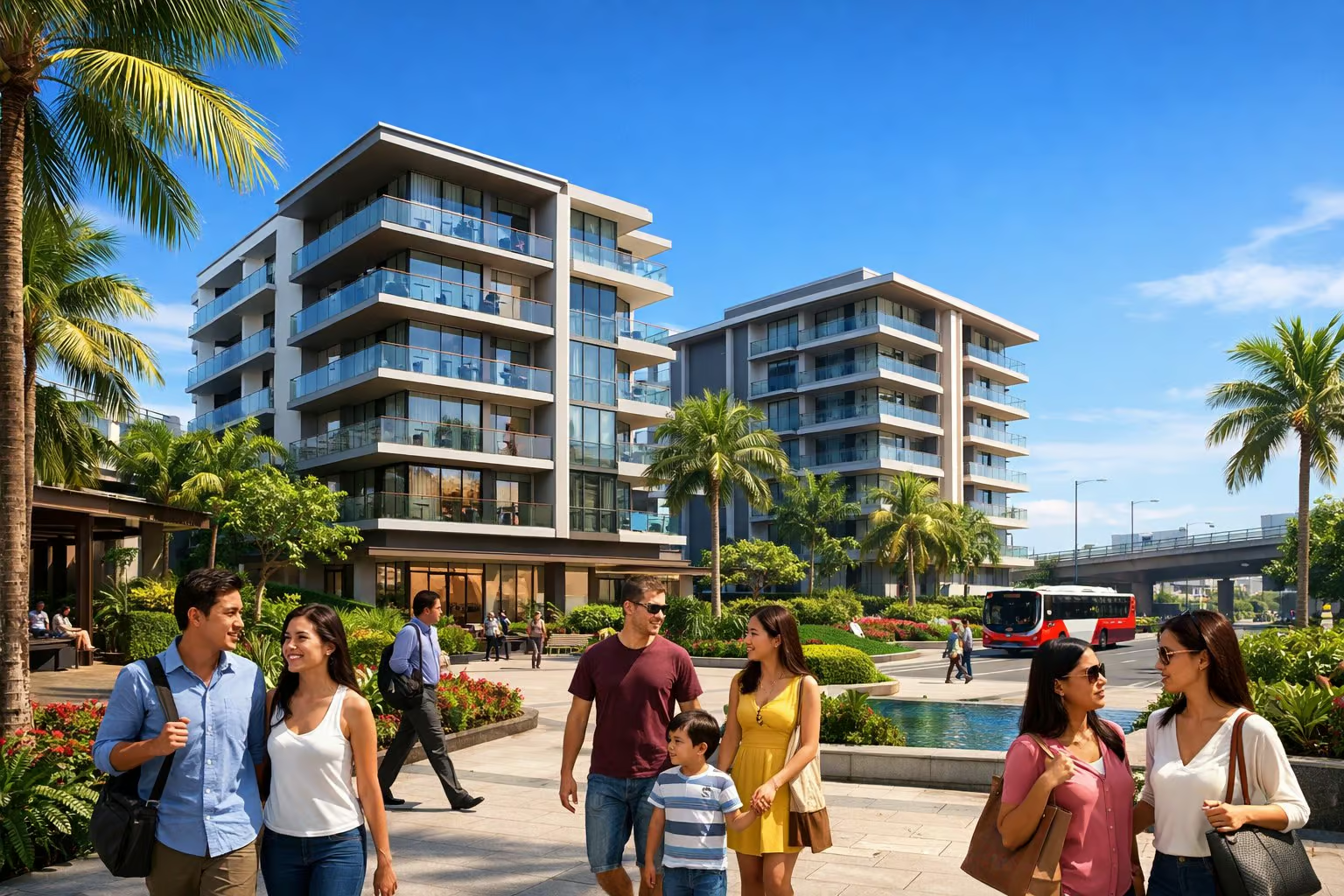
Buying a condo in Cebu means making choices about location, unit type, and budget. These decisions affect your daily comfort, potential for resale, and rental demand down the road.
Strategic Location and Accessibility
Location is everything for both lifestyle and property value. Condos near Cebu Business Park, Cebu IT Park, and major malls are magnets for workers and long-term tenants. For a lot of buyers, being close to offices, schools, and hospitals matters more than the size of the unit.
Transport access is key, too. Projects near planned routes like the Cebu Bus Rapid Transit could see a boost in demand. The Cebu-Cordova Link Expressway makes travel between Cebu City and Mactan easier, which helps condos in Lapu-Lapu.
Future roads like the Metro Cebu Expressway promise more long-term growth. It’s smart to check out nearby roads, traffic patterns, and public transport before making a decision.
Types of Condominiums Available
Cebu has a range of condo types. High-rise towers in business districts suit professionals and investors, while mid-rise projects offer quieter settings for those who want a bit of calm.
Units range from studios to three-bedrooms. Studios and one-bedrooms near offices and schools usually rent out faster. Bigger units are better for families and folks planning to stay longer.
Developer reputation is a big deal. Well-known groups like Ayala Land tend to deliver on quality and property management. Projects like Avida Towers Riala show how location, unit design, and amenities can combine for steady demand.
Check building age, amenities, and management rules before you commit. Some rules are stricter than you’d expect.
Pricing and Budget Planning
Condo prices in Cebu depend on area, developer, and building type. Central spots cost more per square meter, but they usually offer better rental potential.
Your budget needs to include more than just the unit price. Plan ahead for:
- Reservation fees and down payment
- Monthly loan payments
- Association dues and maintenance fees
- Taxes and transfer costs
Financing options vary by developer and bank. Some offer flexible payment terms during pre-selling, but ready-for-move-in units might need more upfront cash.
Matching price to your long-term goals helps avoid financial headaches and boosts your investment’s value.
Infrastructure Impact on Cebu’s Real Estate Value
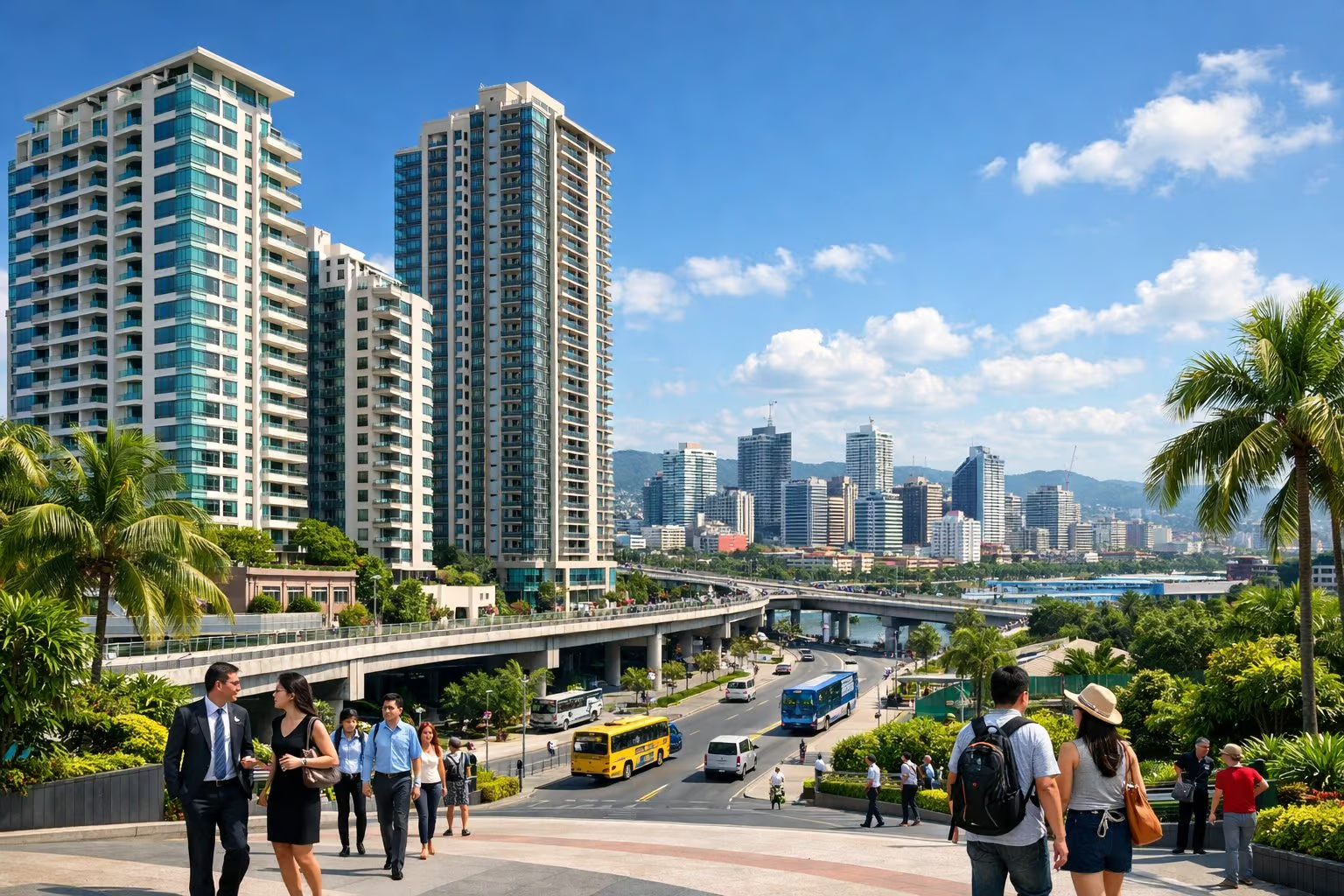
Cebu’s real estate values keep rising as transport links improve and daily commutes get easier. Roads, bridges, and transit projects really influence where people decide to live, work, and invest.
Major Transportation Projects
Big transport projects keep reshaping Cebu’s property scene. The Cebu-Cordova Link Expressway (CCLEX) cuts travel time between Cebu City and Lapu-Lapu City, boosting condo demand near both ends.
The planned Metro Cebu Expressway should make north-to-south travel smoother. This could ease city traffic and make suburban condos more attractive.
The Cebu Bus Rapid Transit (BRT) aims to make public transport faster and more reliable. Condos near BRT stations get a bump in value since residents don’t have to rely so much on cars or ride-hailing apps.
Shorter commutes mean less daily stress. That alone makes nearby condos more appealing to workers and renters.
Access to Business and Leisure Hubs
Condos close to job centers see steady demand. Areas near Cebu Business Park and Cebu IT Park are favorites for office workers, BPO staff, and long-term tenants.
Living near these hubs saves on transport costs and time. A lot of buyers want a unit within a quick walk or ride from work.
Leisure matters, too. Condos near malls, restaurants, and entertainment spots help support a balanced city lifestyle.
Lapu-Lapu City is a bit of a wild card. Its easy access to beaches and resorts supports short-term rentals, especially for travelers and visiting professionals.
Proximity to Schools, Malls, and Hospitals
Nearby services play a huge role in property value. Condos close to major schools attract families, students, and teachers.
Big malls provide daily essentials, dining, and even co-working spots. Units near Ayala Center Cebu and similar places appeal to both residents and renters.
Hospitals add long-term value and peace of mind. Many buyers specifically look for condos within easy reach of medical centers.
These practical needs keep demand consistent. Properties near essential services tend to hold their value, even when the market shifts.
Investment Potential and Buying Process

Cebu condos bring in buyers who want stable rental demand and straightforward ownership. Prices, income potential, and careful checks matter more than hype when it comes down to making a purchase.
Long-Term Value and Rental Yield
Cebu real estate has shown steady price growth in the top districts. Areas near Cebu IT Park, Cebu Business Park, and major malls draw strong tenant interest.
Rental yields are competitive compared to other Philippine cities. Units near offices, schools, and transit usually have lower vacancy rates.
According to Colliers Philippines, Cebu’s condo supply keeps expanding, but demand keeps up in the central spots. That balance helps support long-term value.
Many buyers prefer studios and one-bedroom units for rentals. These cost less and attract young workers, expats, and smaller households.
Short-term rentals do well in tourist hotspots like Lapu-Lapu City. With beaches and the airport close by, income potential goes up, especially during peak travel months.
Legal Considerations and Documentation
Before paying anything, buyers need to double-check the property’s legal status. The Condominium Certificate of Title (CCT) is the main document to look for.
Foreigners can buy condo units, but only up to 40% of the total units in a project. Locals have fewer restrictions but still need to do their homework.
Some documents you’ll want to see:
- CCT or mother title
- Tax declaration
- Developer’s license to sell
- Updated real property tax receipts
Make sure your contract spells out the price, payment terms, and when you’ll get the unit. It’s pretty common to bring in a licensed broker or lawyer to help avoid any nasty surprises.
Choosing Trusted Developers
Going with a reputable developer can save a lot of headaches. The big names usually stick to their timelines and deliver what they promise.
Ayala Land’s a heavyweight in Cebu real estate. Their projects tend to land in top locations, which helps with resale and rental demand.
Avida Towers Riala, right by Cebu IT Park, is a good example of a mid-range project that draws both homeowners and investors. The spot’s great for long-term leasing, too.
It’s smart to check a developer’s track record—things like how often they deliver on time and how well they maintain their buildings. Solid management keeps your investment in decent shape down the line.
Frequently Asked Questions
Most buyers care about location, legal steps, total costs, and long-term demand. Amenities, foreign ownership rules, and what’s happening in the local market also play a part in the decision.
What are the key factors to consider when choosing a condo in Cebu in terms of location and convenience?
Location can make or break your daily routine, rental prospects, and resale value. Places near Cebu Business Park, Cebu IT Park, Mandaue, and Lapu-Lapu generally mean easier commutes and steady tenant interest.
Easy access to main roads, public transport, and the airport is a big plus. If you’re close to malls, schools, hospitals, or offices, life just gets simpler.
Tourist spots and beachfront condos pull in short-term renters. Business districts, on the other hand, attract folks looking to stay longer—think young professionals.
What does the buying process for a condominium in Cebu entail, and what legal documents are necessary?
You’ll usually start by reserving a unit and putting down a reservation fee. Then comes reviewing the contract to sell and payment schedule.
The main paperwork includes the contract to sell, deed of absolute sale, and the condominium certificate of title. Don’t forget to check the developer’s license to sell.
Once you’ve paid in full, the title gets transferred to your name. Registering with the Registry of Deeds wraps things up.
What are the financial implications and costs involved in purchasing a condo in Cebu, including taxes and fees?
You’ve got the unit price and whatever payment terms you agree to. But there are also taxes and fees on top of that.
Expect to pay value-added tax, documentary stamp tax, transfer tax, and registration fees. Sometimes developers roll these into the price, but not always.
Don’t forget about monthly association dues and utilities—they keep the building running and cover shared services.
What are the restrictions and legal considerations for foreign investors interested in Cebu’s condo market?
Foreigners can buy condo units, but only up to 40% of the building. The rest has to be owned by Filipinos.
You can’t own land, just the condo itself. Make sure the project isn’t already maxed out on foreign ownership before you buy.
Having a clear contract and checking the title helps avoid problems. Many foreigners work with licensed brokers or local lawyers for peace of mind.
How do the amenities and lifestyle offered by condominiums in Cebu influence the decision to buy?
Amenities really add to daily life and can make a place easier to rent out. Pools, gyms, function rooms, and security are all big draws.
Busy folks tend to like condos with low maintenance and onsite staff. It’s just easier if you’re always on the go.
In competitive areas, lifestyle perks can tip the scales. Well-managed buildings usually hold their value a bit better, too.
What market trends should be taken into account when evaluating the long-term investment potential of condos in Cebu?
Cebu’s condo market keeps showing steady demand, and inventory tends to move faster here than in Metro Manila. That’s been helping prices stay firm, especially in the main districts.
Most buyers are actually end users rather than investors, which keeps supply in check. It’s one reason oversupply isn’t much of a worry in the best locations.
Infrastructure projects, job opportunities, and a steady stream of tourists all play into ongoing demand. Honestly, condos close to offices or transit? They’re usually the safest bets.