How Digital Nomads Are Changing Cebu’s Rental Scene
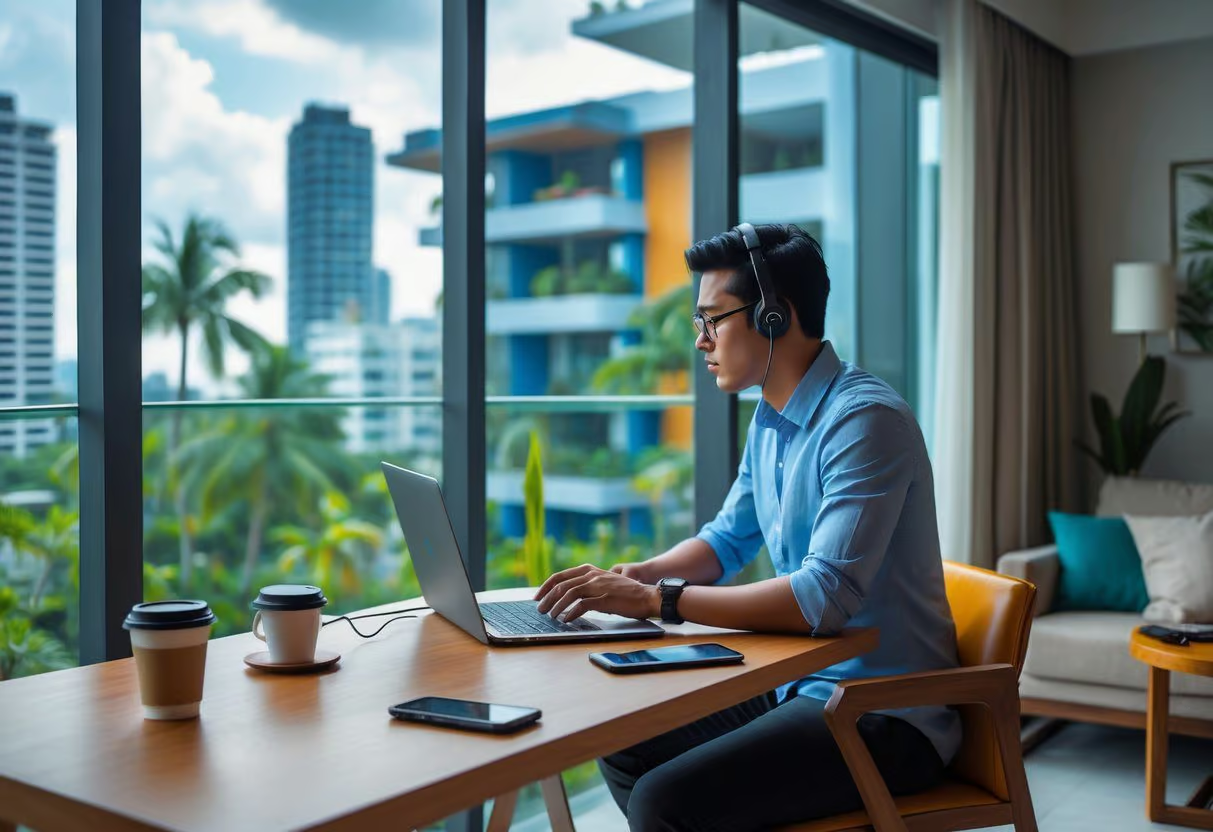
Cebu keeps drawing digital nomads, and their arrival is changing how the rental scene works. Remote workers want furnished units, fast Wi‑Fi, and short or flexible leases. Landlords are responding—upgrading units, opening co-living spaces near business hubs and even out by the coast.
Digital nomads are raising demand for furnished, flexible rentals and pushing rents higher in key parts of Cebu. Prices are climbing in Cebu Business Park, IT Park, and those dreamy beach areas, squeezing locals but giving investors new angles. The market’s moving faster, and standards are going up, but it’s not always smooth for everyone.
The city’s appeal? Reliable internet, cheaper living than most Asian cities, and plenty of work-friendly cafes. Cebu’s got city comforts and island escapes close by, so remote workers stick around, and that’s shaping what gets rented.
Key Takeaways
- Digital nomads are shaking up Cebu’s rental scene with higher standards and flexible demand.
- Furnished units and co-living spaces are booming in top districts.
- Rising rents are tough for locals but tempting for investors.
How Digital Nomads Are Shaping Cebu’s Rental Market

Remote workers are now a real force in Cebu’s rental market. They want flexible leases, furnished homes, shared living setups, and features that just make remote life easier.
Surging Demand for Furnished and Flexible Rentals
Most digital nomads show up with short plans and a “see how it goes” mindset. They’re after fully furnished units so they can settle in quick—no shopping for beds or pans. Aircon, a desk, and a half-decent kitchen? Suddenly, those are dealbreakers.
Short-term and flexible leases are hot. Many remote workers dodge long contracts and look for month-to-month or six-month options. Landlords near IT Park and Cebu Business Park are catching on and tweaking terms to stay in the game.
Now, listings lead with internet speed, work desks, and “move-in ready.” Unfurnished places with stiff contracts? Not much interest from this crowd.
The Rise of Co-Living and Remote Work-Friendly Spaces
Co-living’s taken off here. You get a private room but share kitchens, lounges, and workspace with others. It’s perfect if you want company but not chaos.
Most co-living deals roll in cleaning, utilities, and Wi‑Fi. That makes budgeting simple and keeps things hassle-free for short stays.
Buildings are getting smart—shared work areas, quiet zones, sometimes even events for meeting people. It’s less “just a bed” and more “mini community.”
Shifting Standards and Amenities in Cebu
Remote workers aren’t shy about what they want. Fast, stable internet is now a non-negotiable. Power backup, soundproofing, and good lighting are suddenly on everyone’s checklist.
Landlords are stepping up: swapping out old furniture, adding fiber, and carving out work nooks. Even mid-range apartments are playing the features game now.
Common upgrades driven by remote work
| Feature | Why It Matters |
|---|---|
| Fast Wi‑Fi | Daily video calls and uploads |
| Work desk | Comfort for long hours |
| Backup power | Fewer work interruptions |
| Security | Peace of mind for long stays |
These upgrades are starting to spill over into the broader rental market too.
Impact on Rental Prices and Market Dynamics
With more remote workers, rents are going up—especially in central spots and by the water, where that “work and play” vibe is strongest. Furnished units cost more than they used to.
It’s a mixed bag. Owners see bigger returns, but locals have fewer affordable choices. Investors are shifting focus, too—short-term and flexible rentals are suddenly more appealing than the old long-term model.
The market’s now juggling two groups with very different needs. Digital nomads are driving the changes, and Cebu’s having to hustle to keep up.
Key Factors Behind Cebu’s Magnetism for Remote Workers
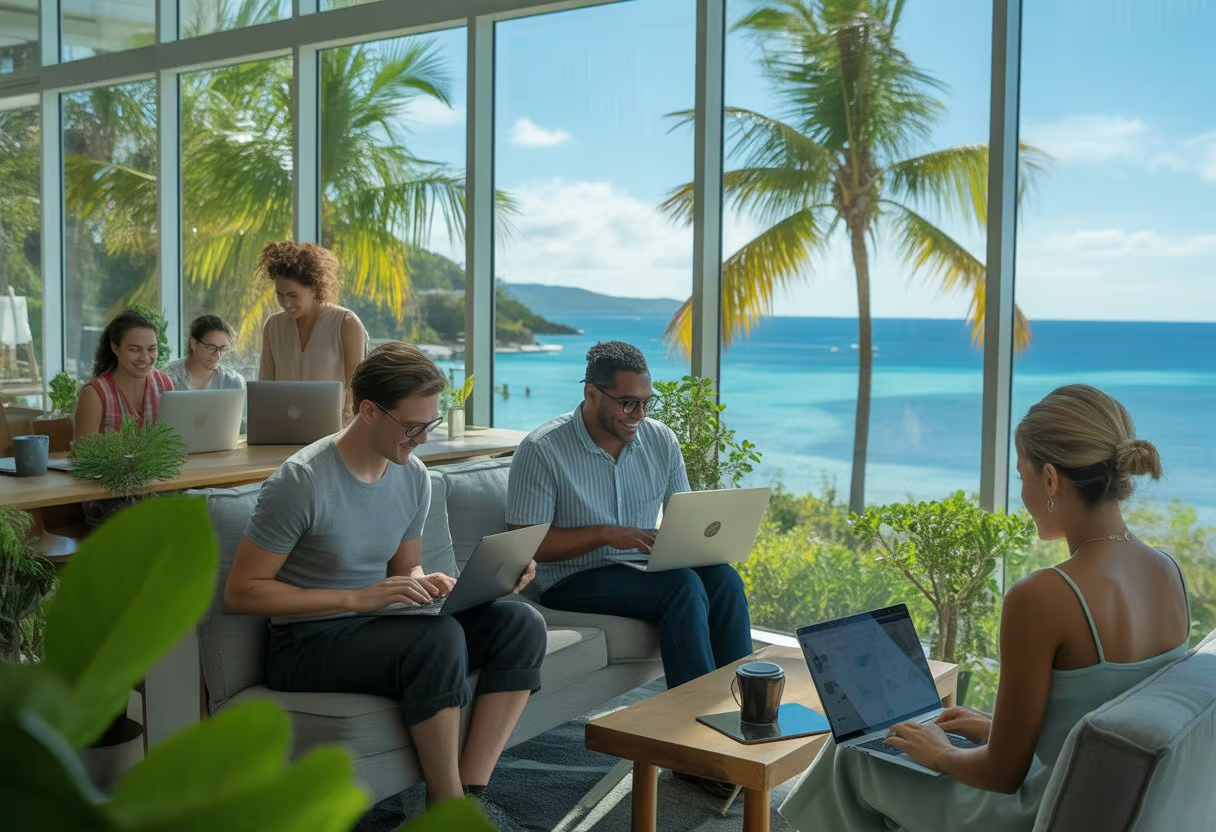
Cebu attracts remote workers with low daily costs, solid internet, and easy access to both city perks and nature. It shapes how people work, live, and, honestly, how they pick a place to rent in the Queen City of the South.
Affordable Cost of Living
Cebu’s living costs beat most Asian cities, but you still get the comforts. Rents are decent, especially outside the hotspots. A furnished studio here is way cheaper than in places like Singapore or Hong Kong, and food prices don’t jump around much.
Day-to-day expenses are easy to handle. Public transport, Grab rides, and local eats are all affordable. Utilities and internet add modest monthly fees, so planning a longer stay isn’t a headache.
Lots of folks work online and get paid in foreign currency, so their money stretches further here. That makes saving easier—and living well, too.
Common monthly costs in Cebu City:
- Rent: lower for long stays
- Food: local options stay affordable
- Transport: low-cost and flexible
High-Speed Internet and Infrastructure
Cebu’s got reliable internet in all the right places. IT Park and Cebu Business Park have fiber, backup power, and modern buildings. These areas pull in companies and solo workers alike.
Co-working spaces aren’t just desks—they’ve got meeting rooms, fast Wi-Fi, and events that help you plug in quick. It’s a solid way for newcomers to get settled and stay productive.
Mobile data is reliable across the city, and most remote workers use it as a backup. That combo of fixed and mobile keeps workdays running, even when things get glitchy.
Popular work-friendly areas:
- IT Park
- Cebu Business Park
- Central Cebu City
Work-Life Balance and City-Island Appeal
Cebu’s got that sweet spot—urban buzz with easy escapes. You can finish a call, then hit the beach or hike in the hills, all in the same day. That balance keeps burnout at bay.
The city’s got malls, hospitals, and schools, which is handy if you’re here for months. And then there’s Mactan and other islands close by for a change of scenery after work.
Honestly, once you start exploring, it’s easy to see why so many people end up staying longer than they meant to. Cebu’s pace is flexible, not frantic, and that keeps it high on the list for remote workers in the Philippines.
The Digital Nomad Community and Lifestyle in Cebu

Cebu makes remote work easy with strong internet, shared workspaces, and an active nomad community. Visa options, daily routines, and local culture all play into how long people stick around and how well they settle in.
Coworking Spaces and Networking Opportunities
Cebu’s coworking scene gives remote workers stable internet and a ready-made community. Favorites like The Company Cebu in IT Park and ASpace Cebu near Cebu Business Park offer day passes, monthly deals, and meeting rooms for all kinds of needs.
They’re not just about work—there are meetups, skill shares, and plenty of social events. Digital nomads use these spaces to meet clients, swap housing tips, or just find a friendly face. Online groups help newcomers get plugged in before they even land.
Some compare Cebu’s vibe with Siargao, but Cebu’s got more scale and easier access to business districts. The community’s active, both online and in real life.
Visa Options for Long-Term Remote Work
Most digital nomads show up on a visa-free entry, usually for 30 days. You can extend at local immigration offices—sometimes up to 36 months with regular renewals.
The government’s talked about a Philippines digital nomad visa, but it’s not here yet. For now, it’s all about tourist visa extensions.
It works for short- and mid-term stays, but you do need to plan. Renewals can sneak up, so nomads often work them around deadlines.
Cultural Integration and Daily Life
Life in Cebu blends city routines with local flavor. English is everywhere, making it easier to handle housing, transport, and daily stuff. Locals are usually welcoming and happy to help, no pressure.
Most digital nomads find a groove—cafes, gyms, weekend getaways. Beaches and islands are never far. It’s a good mix of work and downtime.
Fitting in is about the little things—being polite, patient with traffic, and open to local customs. Over time, a lot of nomads feel like they belong, not just passing through.
Challenges and Opportunities for Locals and Investors
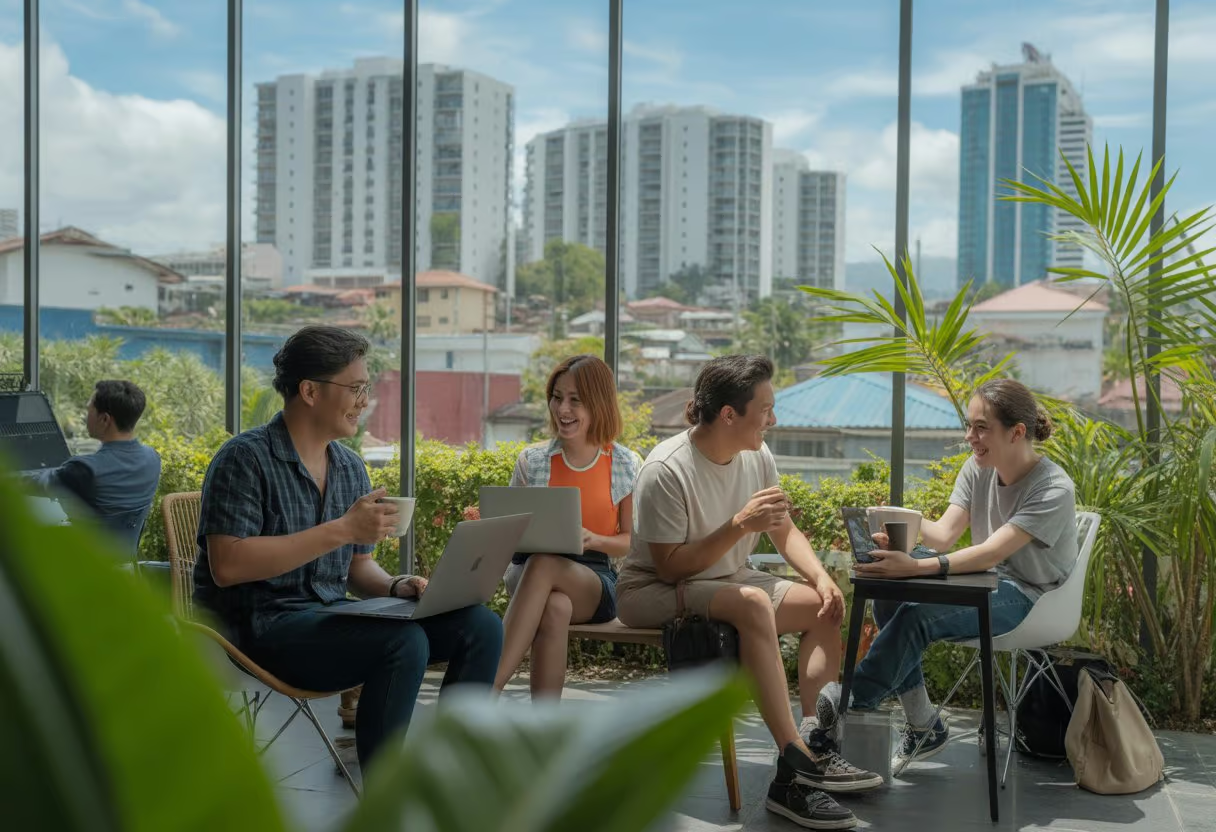
Cebu’s rental market is moving faster these days—and it’s definitely pricier. Locals feel squeezed by rising rents. At the same time, investors spot real chances for bigger returns. Both sides are figuring out how to keep up with renters whose needs are shifting, thanks to the remote work boom.
Rising Rents and Housing Affordability
Prices keep climbing in Cebu City, especially around IT Park, Cebu Business Park, and the coastal spots. Digital nomads usually shell out more for furnished places and short leases, which only pushes prices higher.
Locals are left with fewer choices near work or school. Some end up moving farther out to keep rents manageable. Others downsize or try smaller units or shared housing instead.
Biggest pain points right now:
- Higher monthly rents for studios and one-bedrooms
- Not enough long-term, unfurnished rentals
- Units turn over quickly, favoring short-term stays over locals
New Investment Avenues
Investors are chasing strong demand for rentals that fit remote work. Cebu’s continued growth in tourism, IT-BPO, and services keeps fueling this trend.
What’s hot right now:
- Furnished condos close to business centers
- Co-living spaces with work-friendly setups
- Mid-term rentals with flexible agreements
Returns look better when units have solid Wi-Fi, backup power, and basic work furniture. Proximity to co-working spots or transit helps, too.
Plenty of smaller investors are getting in by updating older units instead of building new. It’s cheaper up front and meets the current demand.
Adapting to the Evolving Market
Landlords are rethinking how they price and manage rentals. The old fixed one-year lease? Not always a fit anymore. Many now go for 3- to 6-month terms to keep up with what renters want.
The ones doing well tend to stick to a few basics:
- Reliable, fast internet (with a backup plan)
- Simple, modern furniture
- Online payments and support
Locals renting out spare rooms or family property can win, too, if they’re willing to adapt. Meanwhile, the city’s planners and developers are under the gun to boost housing supply.
Frequently Asked Questions

Cebu attracts remote workers with affordable living, steady internet, and easy access to beaches. Because of them, landlords are updating units, tweaking lease terms, and rethinking prices in the busiest neighborhoods.
What factors contribute to Cebu becoming a popular destination for digital nomads?
Cebu’s got that mix of city convenience and island life. IT Park and Cebu Business Park mean reliable internet, modern buildings, and easy commutes.
Living here still costs less than in most Asian cities. Plus, short-term visas and easy extensions make staying flexible.
How have rental properties in Cebu evolved to meet the needs of remote workers?
Landlords now offer more furnished units with work desks, fast Wi-Fi, and laundry in-unit. Many have ditched long leases for monthly or short-term options.
Co-living spaces are popping up in central areas, bundling rent, utilities, and internet into one payment.
In what ways have digital nomads influenced rental prices and housing affordability in Cebu?
Rents have gone up in hot spots like IT Park, Cebu Business Park, and the coast. Furnished places cost more since there’s more demand.
Locals have a harder time finding places in these areas. Investors get better returns, but they’re also spending more to set up.
What are the advantages of co-living spaces for digital nomads residing in Cebu?
Co-living cuts down on setup hassle and costs. You walk in and you’ve got furniture, internet, and work areas ready to go.
They’re also great for meeting people. Many host events so newcomers can connect and settle in faster.
What impacts are increased numbers of digital nomads having on Cebu’s infrastructure and local community?
There’s more demand for better internet and building amenities, so upgrades are happening. Cafes and co-working spaces have grown in business districts.
Traffic’s still a headache at rush hour. Growth brings jobs, but it also puts more pressure on roads and housing.
What regulatory challenges do landlords and investors face with short-term rentals in Cebu?
Short-term rentals in Cebu bump up against a patchwork of local zoning and building regulations. Some condominium buildings simply don’t allow stays shorter than a certain number of days, or they might have strict limits that catch a lot of owners off guard.
There’s also the headache of keeping up with taxes and registration—requirements that aren’t always clear and seem to change when you least expect it. Honestly, you’ve got to stay on your toes just to keep everything legit.