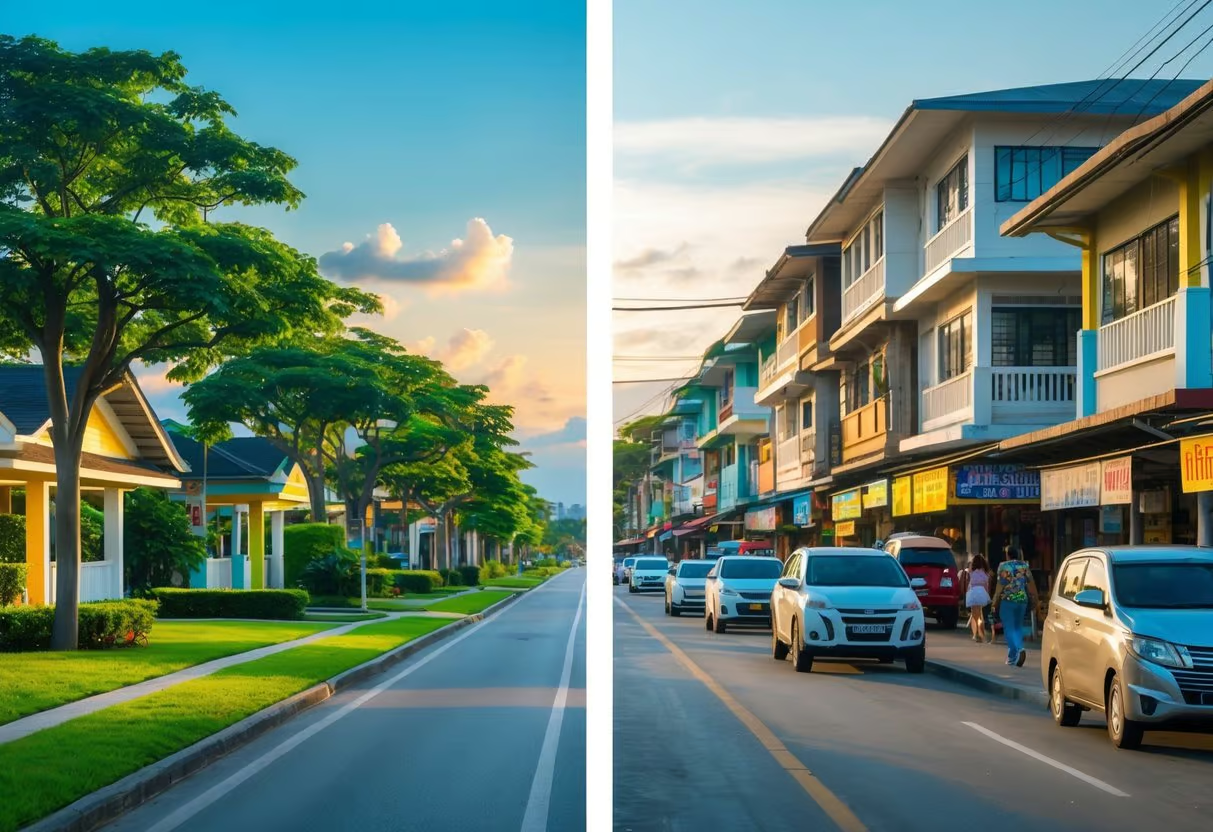
Quiet Streets vs Accessible Locations: Which Is Better for Your Next Home?
Picking a home often boils down to a classic tug-of-war: peace or convenience. The decision between Quiet Streets vs Accessible Locations is central to this choice. Some homes sit tucked away on calm, leafy streets with barely any traffic. Others are right in the thick of things—close to roads, schools, and transit, making daily life a bit easier to juggle.
The better fit really depends on your lifestyle. Quiet streets tend to offer rest and safety, while accessible spots are all about speed and, honestly, just making life easier. Quiet neighborhoods usually feel safer and help you sleep better—big wins for families. On the flip side, busy areas cut down travel time and tend to attract both workers and investors.
This guide lays out the differences, so you can match up what a location offers with your habits, plans, and what makes you comfortable at the end of the day.
Key Takeaways
- Quiet streets lean toward calm living and lower noise.
- Accessible locations mean shorter commutes and services close at hand.
- The right call depends on your routines and what you care about most.
Quiet Streets: Features and Benefits
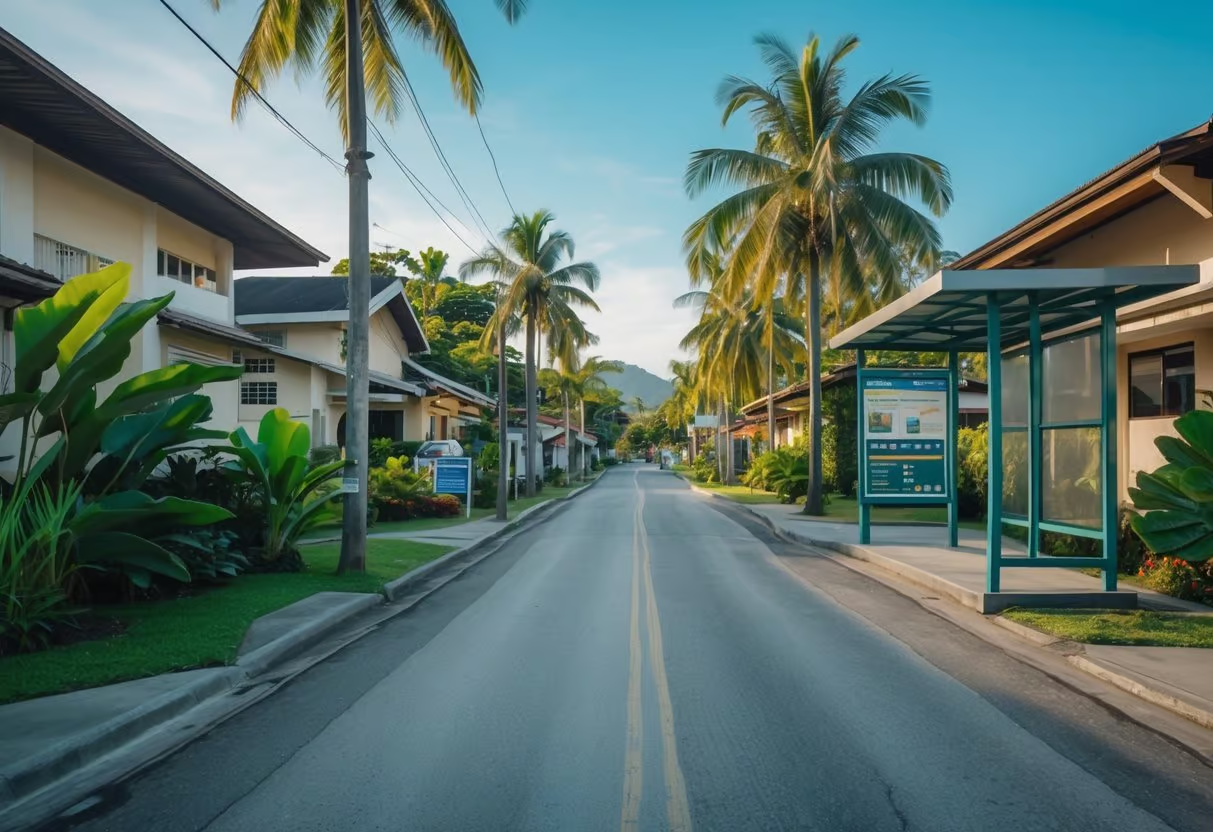
Quiet streets give you daily calm, less traffic, and a sense of stability. They’re known for safety, privacy, and a tight-knit community. These things shape both property values and how you live there.
Characteristics of Quiet Neighborhoods
These neighborhoods are usually tucked away from main roads. Local streets don’t see much traffic, and cars move slowly. Traffic calming measures—like speed bumps or narrower lanes—are common.
Trees line the streets, dampening noise. Houses sit a bit back from the road, so you get more privacy. Sidewalks are quieter, and the sounds you hear are more likely birds than engines.
Look for:
- Low traffic
- Little commercial activity
- Mostly residential zoning
- Steady, low noise
All this supports peace and quiet, but you’re usually not far from the basics.
Advantages: Peace, Safety, and Community
Lower noise means better sleep and easier focus—especially if you work from home. Kids can play outside more safely, and pets aren’t dodging cars. Neighbors are more likely to notice anything out of place, which adds a layer of security.
A peaceful neighborhood often feels more connected. People stick around, say hi, and look out for each other. Small gatherings and shared spaces help trust build naturally over time.
Impact on Property Values and Resale
Homes here tend to hold their value. Buyers who want a quieter life look for these spots, so demand stays steady. Prices might not skyrocket like in the city, but they usually don’t crash either.
Families, retirees, and remote workers all appreciate the quiet and safety. Homes on quiet streets also avoid the wear and tear that comes from constant traffic.
What keeps values up:
- Steady demand
- Less noise
- Well-kept appearance
Lifestyle Factors: Nature, Privacy, and Outdoor Activities
It’s easier to get outside—walk, jog, or bike—without worrying about cars. Yards and parks get used more, too.
Nature’s a bigger part of life here. Trees support birds and other wildlife, and green space helps you unwind after a long day.
Privacy is a big deal for a lot of people. Fewer people passing by means less noise and fewer interruptions. If you like quiet routines or just sitting outside with a coffee, it’s a good fit.
Accessible Locations: Convenience and Value

Accessible neighborhoods are all about saving time. Homes are close to transit, schools, and daily errands. This usually helps property values, too.
What Makes a Location Accessible?
In a good location, you can get most things done within 10 to 30 minutes—walking, biking, or hopping on public transit. That means less travel stress and more flexibility in your day.
What stands out:
- Easy access to buses, trains, or main roads
- Expressways nearby for longer trips
- Street layouts that make walking easier
But it’s not just about distance. Sidewalks, safe crossings, and good transit stops really matter. When all these pieces fit, you can get around without much hassle.
Key Benefits: Transportation, Schools, and Amenities
Being near transit or highways cuts commute times for work and school. That helps families keep up with busy schedules.
Nearby schools and services are a huge plus. Buyers often look for:
- Public and private schools
- Grocery stores and pharmacies
- Clinics, parks, and offices
This setup works for families, older people, and professionals. You can rely less on a car, which is a big deal for a lot of people. Convenience is a huge driver for renters and buyers looking at a new place.
Accessibility and Property Value Growth
Homes in accessible areas usually see steady property value growth. People pay more for the time they save and easy access to jobs or services. That kind of demand helps keep prices up, even when the market slows.
Some things that help values grow:
| Factor | Impact on Property Values |
|---|---|
| Proximity to transit | Brings in more buyers |
| Near schools | Boosts family interest |
| Close to jobs | Keeps demand steady |
No place is a sure thing, but accessible neighborhoods tend to keep attracting people. Investors and homeowners both see them as less risky because there’s always someone interested.
Trade-Offs: Noise, Cost, and Privacy
But convenience isn’t free. You’ll hear more traffic, especially near busy roads or commercial spots. Sometimes the noise goes late into the night.
Prices are usually higher. You might get a smaller yard, or share walls with neighbors, which cuts down on privacy.
Common trade-offs:
- Higher cost to buy
- More noise from the street
- Less private outdoor space
It’s a balancing act. For a lot of folks, getting to work, school, or the store quickly is worth a bit more noise or a smaller yard.
Quiet Streets vs Accessible Locations: A Comprehensive Comparison
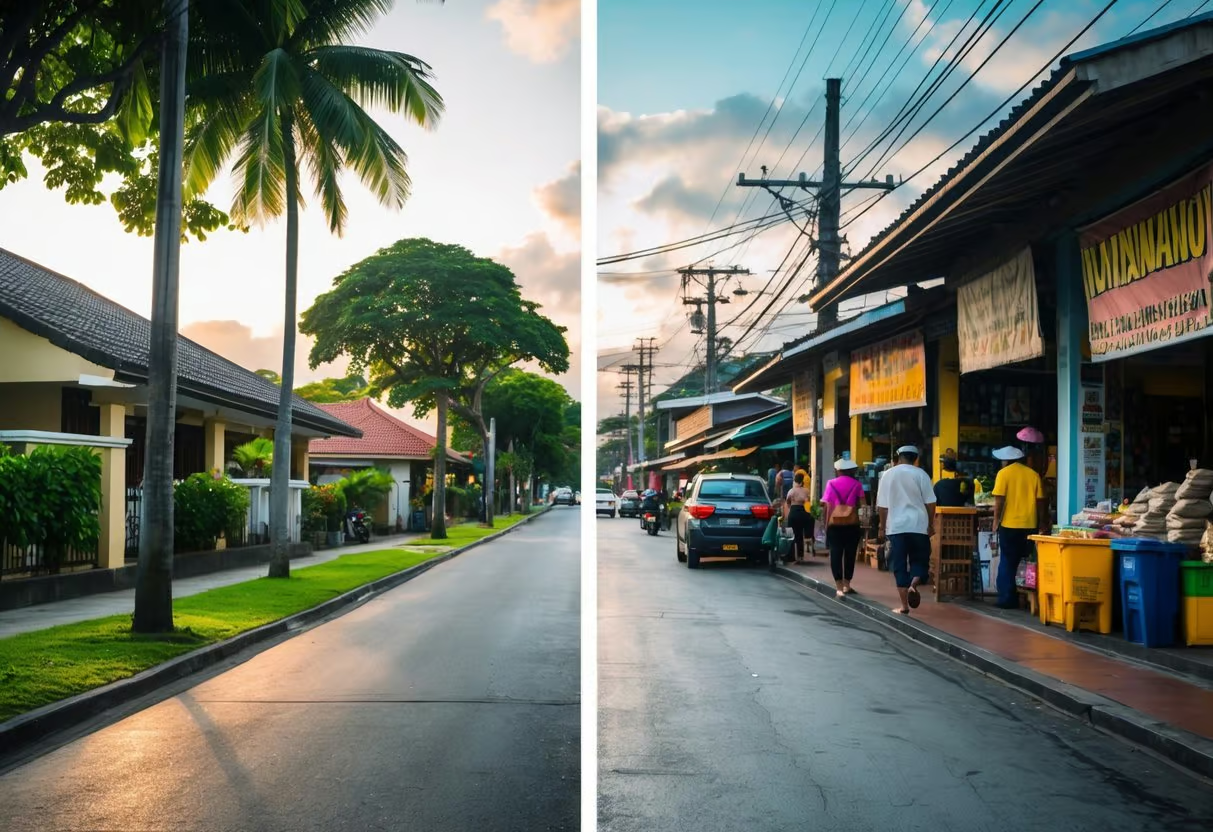
When you’re buying, it’s often a trade between daily comfort and daily convenience. Noise, travel time, safety, and property value all shape how a home feels—and how it holds up over time.
Noise Levels and Quality of Life
Quiet streets keep noise down. Less traffic and slower speeds make for peaceful evenings and better sleep. You notice the difference, especially if you’re sensitive to sound.
Accessible spots are busier. Traffic, buses, and shops mean more noise, especially at rush hour. Some folks don’t mind it, but others find it grating. How much you hear depends on your block, building, and how close you are to the action.
Things to compare
- Traffic and speed
- How close you are to shops and transit
- Building insulation and layout
Commute, Accessibility, and Daily Routine
Living near transit, schools, and offices cuts down your commute and makes life more predictable. Daily errands take less time and effort.
On quiet streets, you might be further from everything. That means longer trips—often by car—and you might plan errands in batches. It’s not a problem if you work from home or have a flexible schedule.
Everyday trade-offs
- Shorter vs fewer trips
- Transit access vs easier parking
- Walkability vs drive time
Safety, Community, and Family Considerations
Low traffic makes quiet streets feel safer. Kids and pets have more freedom, and drivers usually go slow. You’re more likely to know your neighbors, too.
Busier locations have their own safety perks—like better lighting, more people around, and quick access to help if you need it. Families like having schools and parks nearby, even if there’s more activity.
Family-friendly points
- Level of traffic
- Access to schools and parks
- Neighborhood watch and lighting
Property Value, Resale, and Investment Potential
Homes in accessible areas usually fetch higher prices. They sell faster and attract more renters, which is great for investors.
Quiet streets keep their value through stability. People stick around, and there’s less turnover. Families and buyers looking for calm neighborhoods keep demand steady.
Market signals
- Rental demand is higher near transit
- Price stability is stronger in quiet areas
- Resale speed depends on location and supply
| Factor | Quiet Streets | Accessible Locations |
|---|---|---|
| Noise | Low | Moderate to high |
| Commute | Longer | Shorter |
| Demand | Family-driven | Broad, renter-friendly |
| Property values | Stable | Often higher |
How to Choose the Best Location for Your Next Home
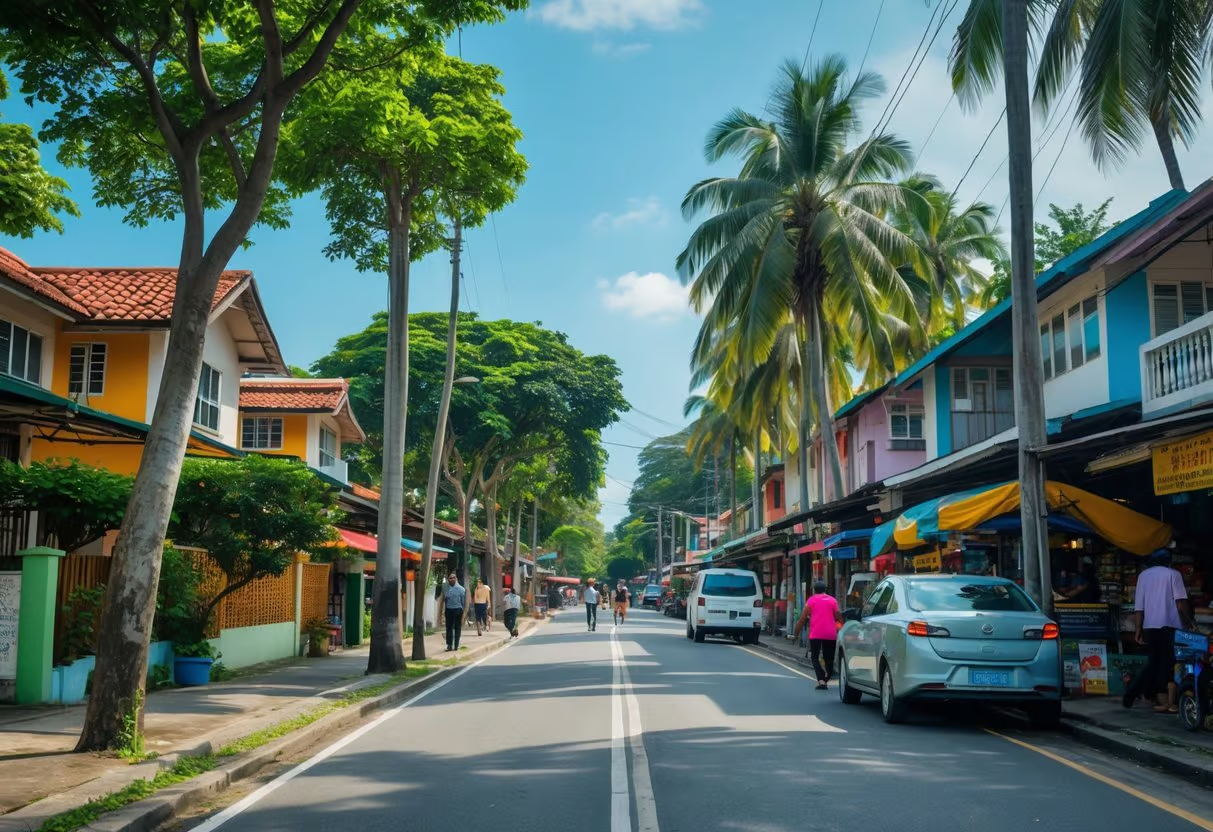
Picking the right spot for your next house comes down to your priorities and what you’re willing to trade off. Think about your daily habits, noise tolerance, commute, and even property value down the road.
Assessing Your Priorities and Lifestyle
Start with your routines. How far you travel to work or school, your work hours, and your family’s schedule all shape what “good location” actually means for you.
If you’ve got kids, quiet streets with slow traffic and sidewalks probably sound great. Working from home? You might want somewhere calm enough to concentrate and relax.
If you’re always out, or you depend on public transport, you’ll lean toward neighborhoods that make getting around easy.
Try making a quick checklist:
- Work location and hours
- School or childcare distance
- Need for public transport
- Preference for quiet or activity
Balancing Peace and Accessibility
It’s tough—most people want quiet but also want everything close by. Some neighborhoods actually pull this off, thanks to thoughtful planning.
Living a couple blocks off a busy road often means less noise but you’re still near shops and transit. Edge streets in a planned community can feel private without feeling cut off.
The table below sums up some common trade-offs:
| Factor | Quiet Streets | Accessible Locations |
|---|---|---|
| Noise | Low | Higher |
| Travel time | Longer | Shorter |
| Daily convenience | Limited | High |
| Property value trend | Steady | Often faster growth |
Seriously, try out your commute at rush hour before you commit. What looks quick on a map can be a slog in real life.
Questions to Ask Before Deciding
It’s smart to ask pointed questions before you buy. You’ll save yourself time, money, and maybe some headaches later.
Here’s what to ask:
- How long is the commute during rush hour?
- Are schools, clinics, and stores within a short drive or walk?
- What are the noise levels at night and on weekends?
- Does the area show stable or rising property value?
Go visit at different times—morning, evening, even weekends. You’ll get a real sense of the place, not just the realtor’s version.
Frequently Asked Questions
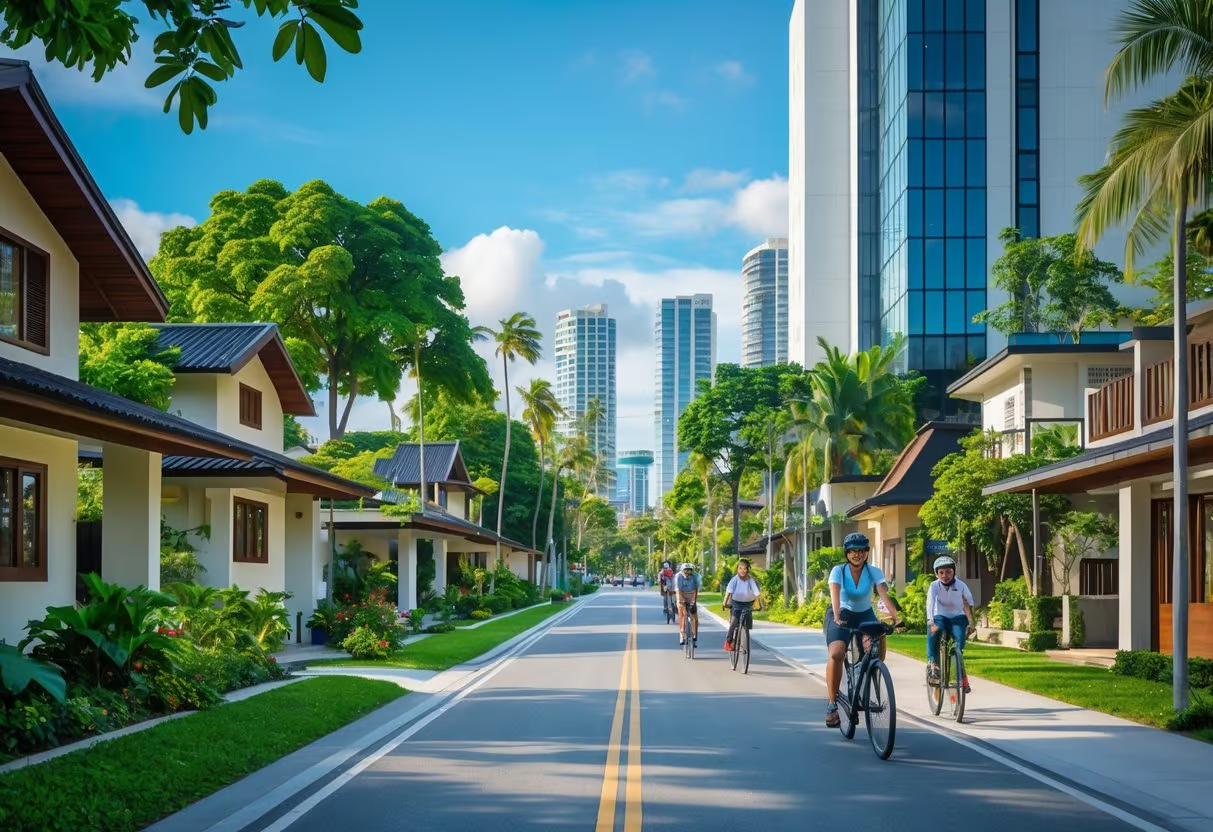
When homebuyers pick a location, they’re usually thinking about noise, commute, safety, and what the place will be worth later. Quiet streets and busy areas both shape your day-to-day life, just in different ways.
What are the main benefits of living on quiet streets for households and remote workers?
Quiet streets cut down on traffic noise and interruptions. That means better sleep, more focus, and less stress—honestly, who doesn’t want that?
If you work from home, fewer distractions are a big plus. People also tend to stick around longer in these neighborhoods, so you might actually get to know your neighbors.
How does residing in accessible locations impact commute times and property resale values?
Accessible spots put you near roads and public transit, so commutes are shorter and you spend less on travel.
These areas usually keep their value, since everyone wants convenience. They’re also popular with renters, which keeps demand steady.
What are potential downsides of choosing a home on quiet streets regarding transportation and amenities?
Quiet streets are often farther from transit and main roads. You’ll probably drive more.
Getting to shops, schools, or clinics can take longer, and there aren’t always a lot of places to eat or shop nearby.
What are the benefits and drawbacks of living in areas with high accessibility to urban conveniences?
Living in a high-access area puts schools, hospitals, and stores close by. Running errands and commuting is just easier.
But there’s a trade-off—traffic and business noise can mess with your downtime. Privacy’s a bit harder to come by, and prices tend to be higher.
Can families with children find safety advantages in quieter neighborhoods over more central ones?
Quieter neighborhoods usually mean less traffic and slower cars, so it’s safer for kids and pets outside.
Parents often prefer these streets because playtime feels less risky. Plus, less noise helps everyone get some rest.
How are current real estate trends reflecting the demand for balance between tranquility and accessibility in homes?
These days, a lot of buyers want homes close to transit but not right on busy streets. It’s a bit of a juggling act—people crave peace, yet don’t want to be isolated.
Developers are picking up on this. They’re tossing in buffer zones, adding more green space, and tweaking traffic flow here and there. The idea? Cut down the noise, but don’t make getting around a hassle.