
Top Mistakes to Avoid When Renting a Property in Cebu: First-Timer Essentials
Renting in Cebu for the first time seems straightforward, but small mistakes can spiral into big headaches. One of the key mistakes to avoid when renting a property is signing a lease without checking out the area or even walking through the place. That’s how you end up with noise, safety, or repair problems you never saw coming.
If you’re new to renting in Cebu, you’ll dodge most trouble by scoping out the neighborhood, inspecting the unit yourself, and reading every word of that lease before you sign. Each area’s got its own vibe, safety level, and transport options. Even a short visit—morning and night—might clue you in to flooding, traffic, or late-night noise you’d never guess from online photos.
Lease terms matter way more than just the rent sticker. Ignoring the fine print? That’s how you get surprise fees, confusion over repairs, or a fight over your deposit. Clear rules on payments, guests, pets, and maintenance make life smoother for everyone.
Key Takeaways
- Always check the neighborhood and unit in person before you commit.
- Know every lease term, fee, and repair responsibility.
- Pick a spot that fits your daily routine and travel needs.
Essential Steps Before Renting in Cebu

Planning ahead saves first-time renters a lot of headaches. Set your budget, check out the area, and always see the place in person—it’s just smarter.
Understanding Your Budget and Average Rental Prices
Figure out your monthly budget before you even start looking. Rent shouldn’t eat up all your cash—you’ve still got food, transport, and utilities to cover. In Cebu, average rental prices change a lot depending on location and type of unit.
| Area | Studio/1BR (Monthly) |
|---|---|
| Cebu City proper | PHP 10,000–18,000 |
| IT Park | PHP 15,000–25,000 |
| Mandaue | PHP 8,000–14,000 |
Renting a condo usually means extra fees—association dues, parking, sometimes even internet. Most landlords want one month advance and two months deposit.
Ask what your rent actually covers. Some places leave out water or electricity. Get clear numbers so you’re not caught off guard by bills or disputes.
Researching Neighborhoods and Safety
Location shapes daily life more than you’d think. Check your commute to work or school, and see if public transport is handy. Long trips drain your wallet and your patience.
Safety isn’t just about daytime. Drop by at night too. Check for street lights, security, and whether people are around. Quiet can feel peaceful—or sketchy—after dark.
Online forums and local Facebook groups are gold for honest opinions. Neighbors know about flooding, noise, and power outages. IT Park’s convenient, but it gets rowdy at night.
Having groceries, clinics, and banks nearby just makes life easier. These little checks can save you from big regrets.
Visiting and Inspecting Properties
Never rent sight unseen. Photos lie. When you visit, flip on the lights, run the faucets, and check the outlets. Small problems often hint at bigger ones.
Look for leaks or cracks on the walls and ceilings. Open the windows—see if there’s airflow or noise. Ask about water pressure and backup power, too.
Bring a quick checklist for your visit:
- Locks and doors—do they work?
- Bathroom—does it drain fast?
- Kitchen—any sign of pests?
- Meters—easy to read?
Ask what repairs the landlord covers. Snap photos before you move in. Trust me, this can save your deposit later.
Navigating Lease Agreements and Payment Terms

If you want a smooth rental, get clear on your lease and payment terms. Knowing your responsibilities and deadlines means fewer headaches down the line.
Reading and Negotiating Lease Terms
The lease is the rulebook for your stay. Don’t just skim for the rent and dates—read it all.
Look out for:
- Lease term: Is it fixed or month-to-month?
- Rent due date: When’s it due, is there a grace period, and what’s the late fee?
- Maintenance: Who pays for what?
- Termination: How much notice, and what are the penalties?
Don’t be shy about asking for changes before you sign. Maybe you want clearer repair rules or more flexible payment dates. Get every agreement in writing—verbal promises are as good as gone once you move in. Hold onto a signed copy of your final lease.
Security Deposits and Advance Payments
Most rentals in Cebu ask for one to two months of security deposit and one month advance rent. Make sure the lease spells out exact amounts and how the landlord can use them.
Double-check:
- When you get your deposit back
- What counts as a valid deduction
- How long the landlord has to refund you
Normal wear and tear—like faded paint—shouldn’t cost you. Damage, unpaid rent, or missing stuff probably will. Take dated photos when you move in. Receipts and written notes help if there’s a dispute later.
Association Dues, Maintenance Fees, and Post-Dated Checks
Condos usually tack on association dues and maintenance fees for things like security, elevators, and trash collection.
Ask your landlord:
- What fees are included in the rent?
- What do you pay separately?
- How often do rates go up?
Lots of landlords want post-dated checks for rent—it’s common here. Make sure your bank can do this and find out how many you’ll need. The lease should say what happens if a check bounces or there’s a bank error, so you don’t get hit with surprise penalties.
Amenities, Policies, and Daily Living Considerations
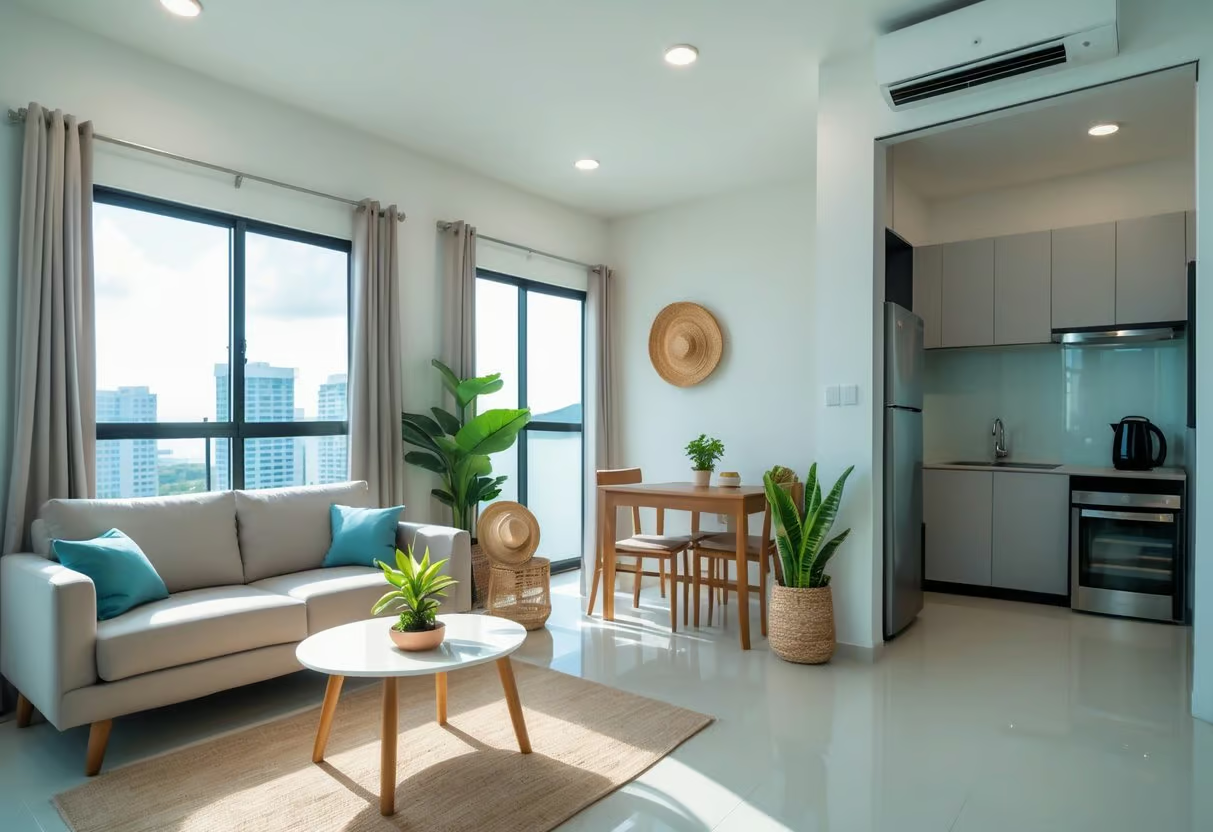
Comfort isn’t just about rent or location. Amenities, visitor rules, and building policies can make or break your daily life in Cebu.
Evaluating Building Amenities and Services
Amenities change both your costs and your comfort. Some rentals throw in elevators, security, backup power, or water tanks, but sometimes you pay extra.
Ask which amenities are included with rent and which cost more. Double-check:
- Security: guards, CCTV, ID checks
- Utilities: backup generator, water pressure, internet
- Shared spaces: laundry, parking, gym, pool
How fast does maintenance show up when something breaks? A fancy lobby’s nice, but not if it takes weeks to fix simple stuff. Reliable services matter, especially if you’re renting for the first time.
Understanding Visitor Policies and House Rules
Some places are strict about guests—maybe they need to show ID, get advance notice, or even pay to stay overnight.
Common house rules cover:
- Quiet hours (usually at night)
- How you use common areas
- Rules for short-term stays or subletting
Read these rules before you sign. If you like having friends or family over, a strict policy can be a pain. Knowing the rules now means fewer arguments with security or neighbors later.
Pet and Modification Policies
Not every Cebu rental is pet-friendly. Some allow only small pets, some ban them outright, and others want extra deposits.
Check:
- What pets (and sizes) are allowed
- Any extra fees or cleaning charges
- Required paperwork—like vaccinations
Landlords often ban drilling, painting, or any changes without permission. Even hanging shelves can cost you. Get the rules in writing so you don’t lose your deposit over small fixes.
Tips for a Successful Rental Experience in Cebu

A good rental experience in Cebu is all about being prepared and communicating clearly. If you stay organized and ask questions, you’ll avoid most headaches before they even start.
Avoiding Common First-Time Renter Mistakes
Slow down and check the details before you sign anything. Most problems come from rushing or trusting what someone says instead of what’s written down.
Smart moves:
- Visit in person—test lights, water, locks, and outlets.
- Get a full list of fees: association dues, parking, utilities.
- Read every line of the lease—not just the rent.
- Find out who handles repairs and how quickly.
Location matters, too. Check flood history, nighttime noise, and transport options. Business districts are handy but usually noisier and pricier.
Keep copies of everything—lease, receipts, move-in photos. These are your best defense if something goes wrong.
Building a Positive Landlord-Tenant Relationship
Good communication keeps things running smoothly. Set expectations early and always get agreements in writing.
Habits that help:
- Pay rent on time, the way you agreed.
- Report problems early, before they get worse.
- Stick to house rules about guests, pets, and noise.
Respect goes both ways. Take care of the place and let your landlord know before making changes. Usually, that means they’ll treat you better, too.
If something goes wrong, stay calm and direct. A professional message gets things fixed faster than an angry one.
Frequently Asked Questions

First-time renters in Cebu tend to run into trouble with picking the right location, confusing lease terms, and unexpected costs. Knowing what to expect with inspections, tenant duties, and insurance can save you a lot of headaches down the line.
What factors should I consider when selecting a neighborhood to rent in Cebu?
Think about how long it’ll take you to get to work or school, and whether public transport is close by. Long daily commutes can really wear you out—and let’s be honest, nobody wants that.
It’s smart to check out the area’s safety, noise, and whether it’s prone to flooding. Try visiting both during the day and at night; neighborhoods can feel totally different after dark.
What are common pitfalls for first-time renters to avoid in rental agreements?
Plenty of folks skip over details about rent hikes, how long the lease lasts, or what happens if you leave early. These things can seriously affect your budget and flexibility.
It’s easy to overlook rules about guests, pets, or subleasing, too. Breaking these can get you fined—or worse, kicked out.
Why is conducting a detailed property inspection crucial before moving into a rental property?
Inspections let you catch leaks, broken fixtures, or sketchy wiring before they become your problem. If you don’t flag them early, you might end up footing the bill later.
Snapping photos and jotting down notes gives you proof if there’s a dispute about your security deposit when you move out.
Can you explain some unexpected costs first-time renters might encounter in Cebu?
Besides rent, you might get hit with association dues, parking charges, or bigger-than-expected utility deposits. These can sneak up on you if you’re not careful.
Some landlords tack on fees for move-in permits or small repairs, too. It’s always worth asking for a full breakdown of costs upfront, just to keep things clear.
What rights and responsibilities should tenants in Cebu be aware of?
Tenants are entitled to a safe, livable place. Landlords have to handle big repairs and can’t just barge in whenever they want.
On your end, pay rent on time and keep the place decent. Following house rules and sticking to the lease keeps everyone happy.
Why is renter’s insurance advisable and what aspects does it generally cover?
Renter’s insurance steps in to safeguard your stuff if there’s a break-in, a fire, or even water damage. Just to be clear, it won’t pay for repairs to the building itself—that’s on the landlord.
Most policies toss in personal liability coverage, too. So if a guest trips and gets hurt in your apartment, you’re not left scrambling to cover the costs out of pocket.