
Ultimate Guide: First Time Home Buyer Cebu Financing Secrets
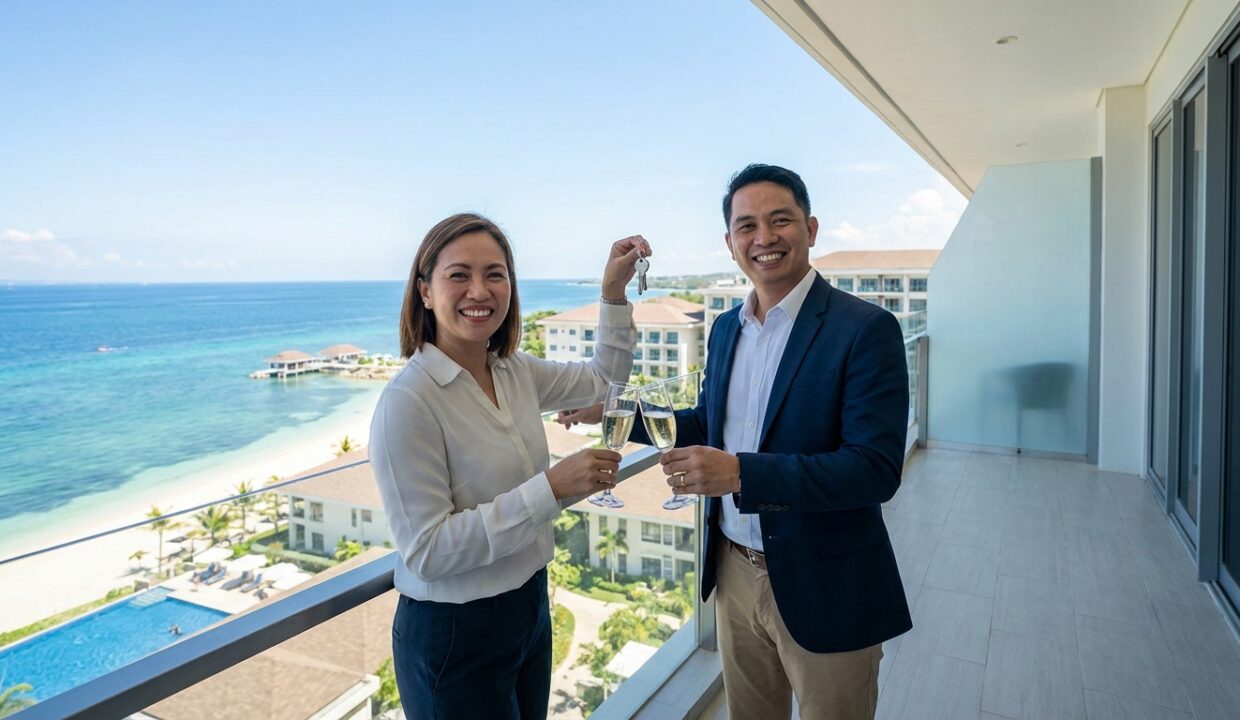
Taking the plunge into home ownership, especially in a dynamic market like Cebu, is an exciting milestone. For many Filipinos and OFWs, the dream of owning a piece of the Queen City of the South is strong. However, finding the right way to pay for it is often the most significant hurdle. This definitive guide is specifically tailored to the aspiring First time home buyer Cebu, providing essential strategies and insider tips to confidently navigate property financing and secure your first investment.
Whether you are considering a compact condo near Cebu IT Park, a spacious townhouse in Mandaue, or a secure house and lot package, understanding your financing options is non-negotiable. We will break down the most popular funding avenues—from utilizing Pag-IBIG Fund benefits to securing competitive bank loans—to ensure you make a financially smart decision that sets the stage for future real estate investment success in Cebu.
Navigating Financing Options as a First Time Home Buyer Cebu

As a First time home buyer Cebu, you have three primary paths to securing the necessary capital: maximizing your personal savings, pursuing institutional loans, or utilizing developer-assisted programs. Each option presents unique advantages and financial implications that directly affect your long-term wealth.
The Power of Personal Savings and Down Payments
While paying outright in cash avoids interest payments, most first-time buyers rely on savings for the critical down payment. In Cebu, developers and lenders typically require 10% to 30% of the property’s total contract price (TCP) upfront. Saving a larger percentage not only reduces your monthly mortgage obligations but also often qualifies you for better interest rates.
Expert Tip: Start a dedicated savings fund immediately. Consider placing your down payment funds in high-yield savings accounts or short-term time deposits while you finalize your property search. A substantial down payment of 20% or more significantly strengthens your position as a First time home buyer Cebu.
Securing a Bank Housing Loan for Cebu Properties
Bank housing loans remain the most popular choice for purchasing a condo for sale in Cebu or a house and lot. Major Philippine banks offer competitive rates and long loan tenures, often up to 20 years. Banks generally finance up to 80% of the appraised property value, requiring a strong credit history and stable income documentation. The interest rates are typically more competitive than in-house financing, making this a favored route for maximizing ROI.
Maximizing Your Pag-IBIG Fund Housing Loan Benefits
The Pag-IBIG Fund (Home Development Mutual Fund) is a highly accessible route for the average First time home buyer Cebu, particularly those in the low-to-middle income brackets. Pag-IBIG loans offer low fixed interest rates and exceptionally long terms (up to 30 years). The maximum loanable amount is currently up to ₱6 million, making it suitable for many affordable residential properties.
To qualify for a Pag-IBIG housing loan in Cebu, you generally need at least 24 months of contributions. OFW members often find Pag-IBIG particularly beneficial due to favorable terms and a streamlined application process geared toward overseas workers seeking property back home.
Step-by-Step Guide to Getting Your Cebu Property Pre-Approved
Obtaining pre-approval gives you a clear budget and credibility when negotiating property purchases. The process begins with meticulous document preparation and a keen understanding of lender criteria.
Document Checklist for Filipino and OFW Buyers
The complexity of your application often hinges on your employment status. Gathering these documents early streamlines the entire process, allowing you to move quickly once you find the perfect property in Cebu. Always consult your bank or Pag-IBIG office for the most current list, but generally, expect to provide the following:
| Category | Locally Employed | Self-Employed | OFW / Overseas Filipino |
|---|---|---|---|
| Basic IDs | Government IDs, Proof of Billing | Government IDs, Proof of Billing | Passport, Special Power of Attorney (SPA) |
| Income Proof | Certificate of Employment, Latest ITR, Payslips (3 months) | Business Permit, DTI/SEC Registration, Audited Financial Statements (2-3 years) | Job Contract, Certificate of Employment (from employer), Proof of Remittance |
| Financials | Bank Statements (6 months) | Bank Statements (6 months), Latest ITR | Bank Statements, Consularized documents |
| Property Docs | TCT/CCT, Tax Declaration, Contract to Sell (CTS) | TCT/CCT, Tax Declaration, Contract to Sell (CTS) | TCT/CCT, Tax Declaration, Contract to Sell (CTS) |
Understanding Loan-to-Value (LTV) and Interest Rates
The Loan-to-Value ratio determines how much the bank is willing to lend you based on the property’s value. Most banks cap LTV at 80%, meaning you must provide the remaining 20% plus closing costs as equity. Interest rates can be fixed (locked in for a period) or variable (fluctuating with market conditions). As a First time home buyer Cebu, opting for a 3- to 5-year fixed rate can provide payment stability as you settle into your new financial commitment. Remember to also factor in property appraisal fees and processing charges, which contribute to your total upfront costs.
Comparing Key Financing Programs for Cebu First-Timers
Choosing the correct funding partner drastically impacts your long-term affordability and flexibility. Here is a simplified comparison focusing on terms relevant to a First time home buyer Cebu target market:
| Financing Option | Typical Interest Rate (p.a.) | Max Loan Term | Processing Time | Ideal For: |
|---|---|---|---|---|
| Bank Housing Loan | 6.5% to 9.5% | Up to 20 years | 4-8 weeks | Buyers with stable income, good credit history, and sufficient liquid savings for equity. |
| Pag-IBIG Fund Loan | 6.5% to 7.5% (or lower for socialized housing) | Up to 30 years | 2-6 weeks | Members maximizing long-term, low-interest amortization and OFWs. |
| Developer In-House | 10% to 18% | 5-10 years (Shorter) | Days to 2 weeks | Buyers needing fast approval or who cannot meet strict bank/Pag-IBIG requirements. |
When to Choose Developer In-House Financing
In-house financing, while generally carrying higher interest rates and shorter terms, is sometimes the easiest and fastest way to acquire pre-selling properties in Cebu City. Developers often require less stringent documentation and can provide quick approvals, making it a lifeline for self-employed individuals or those with complex income streams who may struggle with traditional lenders. However, understand that the increased convenience comes at the cost of significantly higher borrowing costs over the loan duration. It should be seen as a short-term solution, perhaps with plans to refinance later with a bank offering better property financing services.
Strategic Use of Home Equity and Refinancing
While less common for the true first-timer, savvy buyers should understand alternative financing strategies for the future. If you already own one property, a home equity loan allows you to borrow against that home’s value to fund your next investment, effectively using your existing asset as collateral. Refinancing your existing mortgage in the future is also a smart strategy. If market rates drop, refinancing can secure a lower interest rate, reducing your monthly payments and freeing up capital that can be reinvested into other opportunities, keeping your portfolio competitive in the rapidly evolving Cebu real estate landscape.
Location Strategy for the First Time Home Buyer Cebu
Your choice of location fundamentally shapes the price, appraisal value, and future appreciation of your property. For the First time home buyer Cebu, targeting areas with robust infrastructure and economic drivers is key to securing a sound investment.
High-Appreciation Areas in Cebu City and Mandaue
Cebu City’s major business districts, like the Cebu Business Park and Cebu IT Park, command high prices but promise rapid property value appreciation and consistent rental demand from young professionals and BPO employees. For those seeking slightly lower entry points with excellent growth potential, Mandaue City offers a strategic location connecting major hubs and housing many industrial and commercial centers. Investing here means prioritizing liquidity and capital gains.
When searching for a house and lot for sale, look for subdivisions that are actively developing amenities and infrastructure, which signals future value growth. Being near commercial centers and transportation nodes significantly improves both livability and resale potential.
Finding Affordable Options in Talisay and Liloan
If capital preservation and lower monthly payments are your priorities as a First time home buyer Cebu, consider expanding your search beyond the immediate urban core. Southern Cebu, particularly Talisay City, offers more affordable housing projects without sacrificing proximity to Cebu City. Northern municipalities like Liloan and Consolacion are experiencing significant growth, driven by new government infrastructure and commercial projects. Properties here present lower barrier-to-entry costs and substantial potential for long-term appreciation as urbanization continues its outward sprawl. We regularly update our Buy & Sell Guides on these areas.
Finalizing Your Purchase: Closing Costs and Next Steps

The journey to becoming a homeowner doesn’t end with loan approval. Prospective homeowners must be financially prepared for the closing costs, which often catch first-time buyers off guard. Closing costs typically range from 3% to 7% of the total contract price and must be budgeted separately from your down payment.
Understanding Closing Costs: Taxes, Fees, and Title Transfer
- Documentary Stamp Tax (DST): A tax paid on the sale of property.
- Transfer Tax: A local government unit tax for transferring ownership.
- Registration Fee: Paid to the Register of Deeds for officially recording the property transfer.
- Miscellaneous Fees: Include attorney’s fees, notarization, and processing charges.
Always request a detailed breakdown of all expected closing costs from your broker or developer well in advance. Having these funds secured ensures a seamless transition of the property title into your name.
The Role of a Professional Real Estate Partner
Navigating the legal and financial complexities of buying a property in the Philippines can be overwhelming for a First time home buyer Cebu. Partnering with an experienced real estate agency like Cebu Grand Realty provides a crucial advantage. We offer comprehensive support, from assisting with loan application submissions to ensuring due diligence on property titles, minimizing the risk of costly mistakes.
A professional partner not only guides you through securing the best financing deal but also provides valuable expert real estate advice on market trends, property valuation, and future potential. Our local expertise ensures your first property purchase is not just a success, but a strong foundation for your financial future. Are you ready to find your first Cebu property? Consult with our experts today!