
Things To Know Before Buying In SRP (South Road Properties)
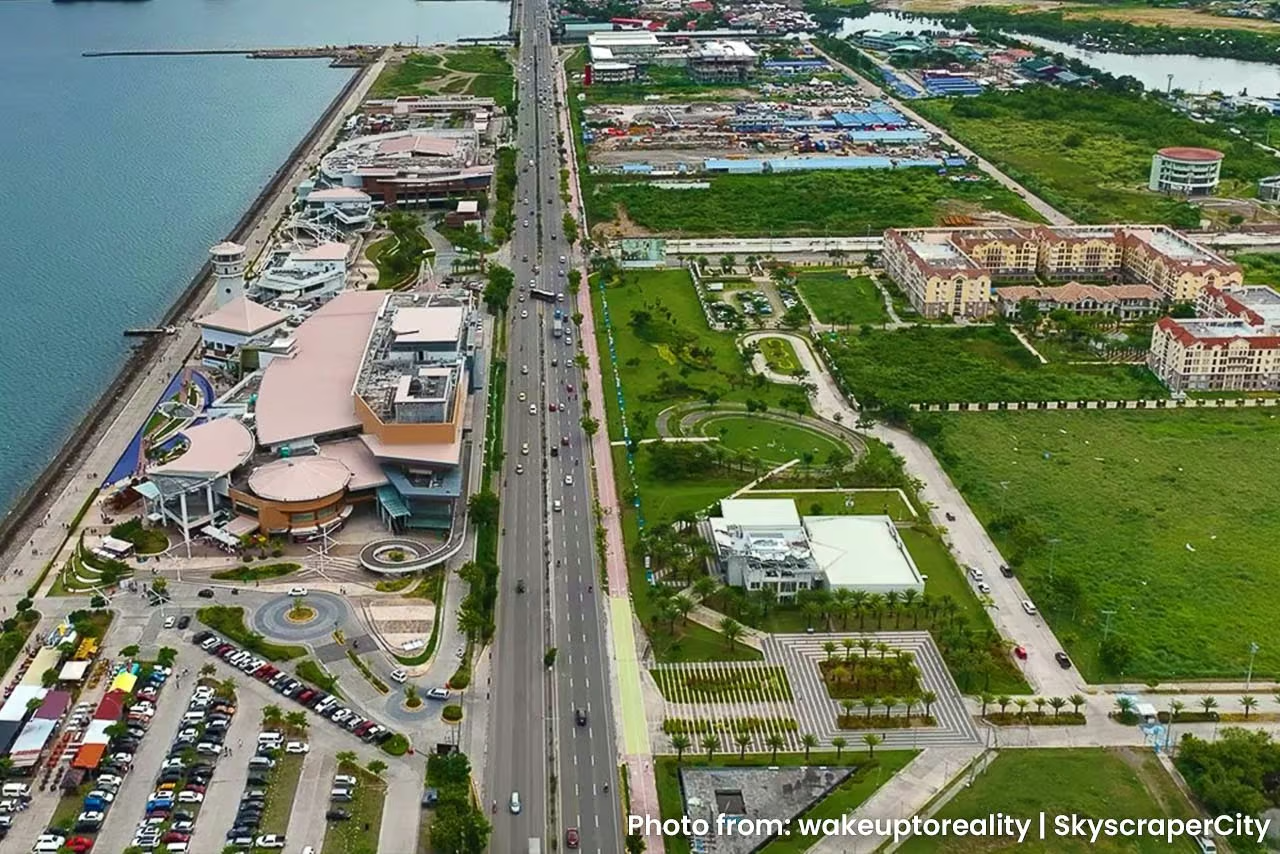
South Road Properties (SRP) has transformed Cebu City’s southern coast from reclaimed land into a lively urban district. If you’re considering a visit or investment, there are some important things to know about SRP. Big names like SM, Ayala, and Filinvest have set up shop with malls, towers, resorts, and mixed-use estates. It’s wild to think that not so long ago, this place felt almost deserted—now it’s buzzing with activity and plans that stretch years into the future.
SRP matters because its location, infrastructure, and master planning have a big impact on property prices and future value. CCLEX has made it easier to get to Mactan, and there are more road upgrades and a Bus Rapid Transit system in the pipeline to help people get around. All these improvements are good news for both businesses and everyday life.
Developers and the city government keep pushing SRP as a prime investment zone. More offices, homes, and leisure spaces are popping up, attracting tenants and buyers. That’s been supporting a slow but steady rise in prices through 2025 and probably beyond. If you want to do well here, you’ve got to understand the master plan, pick reputable developers, and keep your expectations grounded.
Key Takeaways
- SRP’s turning into a major urban and business center in Cebu City.
- Infrastructure and access are huge factors for long-term property value.
- Smart choices come down to planning, location, and a developer’s track record.
South Road Properties Overview
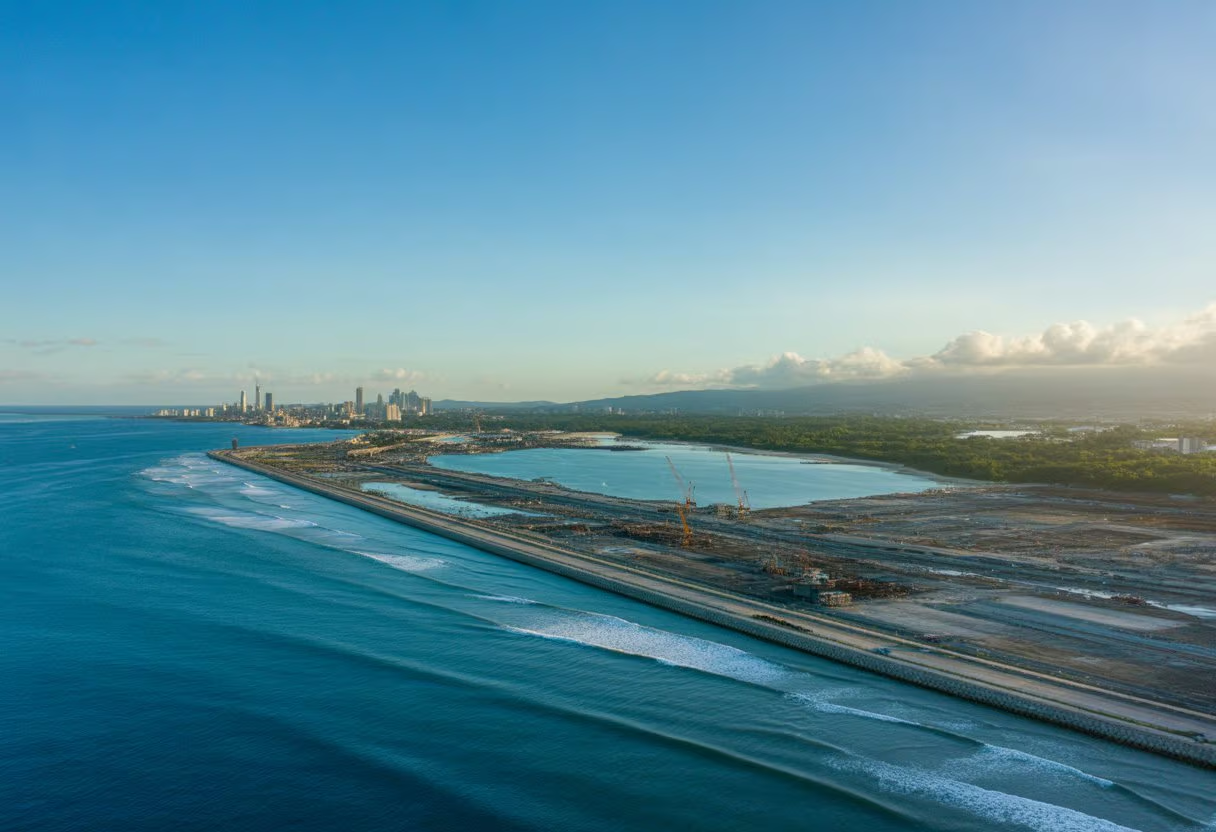
South Road Properties is built on reclaimed coastal land and has become Cebu City’s main growth area. Its story, location, and how it’s managed explain why so many investors and developers are focused on SRP now.
History and Reclamation
SRP started out as the South Reclamation Project, a long-term move by Cebu City to carve out new urban land. The city reclaimed about 300 hectares from the sea along the southern coast.
At first, SRP was mostly a transport corridor thanks to the South Coastal Road. For years, big chunks of land just sat there, barely used.
Things shifted when private developers came in. The city started pitching SRP as a planned district for business, tourism, and homes. That got projects from SM, Ayala, and Filinvest rolling, turning what was once empty land into busy estates.
City leaders saw SRP as a way to take some pressure off Cebu City’s crowded old core. The idea was to spread growth south, not just cram more buildings into the same old spots.
Geographic Features and Size
SRP runs along Cebu City’s southeastern shoreline, stretching from downtown to the Talisay City border. Its flat land makes it easier for big projects compared to hillside areas.
The district covers roughly 300 hectares. That makes it Cebu City’s largest chunk of land still open for development—plenty of space for wide roads, mixed-use zones, and green areas.
Some standout location perks:
- Direct access to the South Coastal Road
- Quick connection to CCLEX and Mactan Island
- Short drives to central Cebu
Its coastal setting is a big draw for resorts, leisure parks, and waterfront projects. Of course, that means flood control and drainage need extra attention.
Governance and Special Administrative Zone
SRP is run as a Special Administrative Zone under Cebu City, with a dedicated SRP governing board handling planning, leasing, and land use.
This board includes city officials and council members, like Councilor Rey Gealon, who’s been pushing for clearer rules and more investor-friendly systems. Oversight falls to the city leadership, with Acting Mayor Raymond Alvin Garcia backing coordinated development.
This setup lets them make decisions faster than in regular city districts, and it keeps master planning on track across SRP.
Some main governance priorities:
| Focus Area | Purpose |
|---|---|
| Land use control | Keep zones lined up with the master plan |
| Infrastructure coordination | Make sure roads and utilities match growth |
| Investor screening | Protect long-term land value |
Strong management helps SRP stay organized as it keeps growing.
Strategic Location and Connectivity
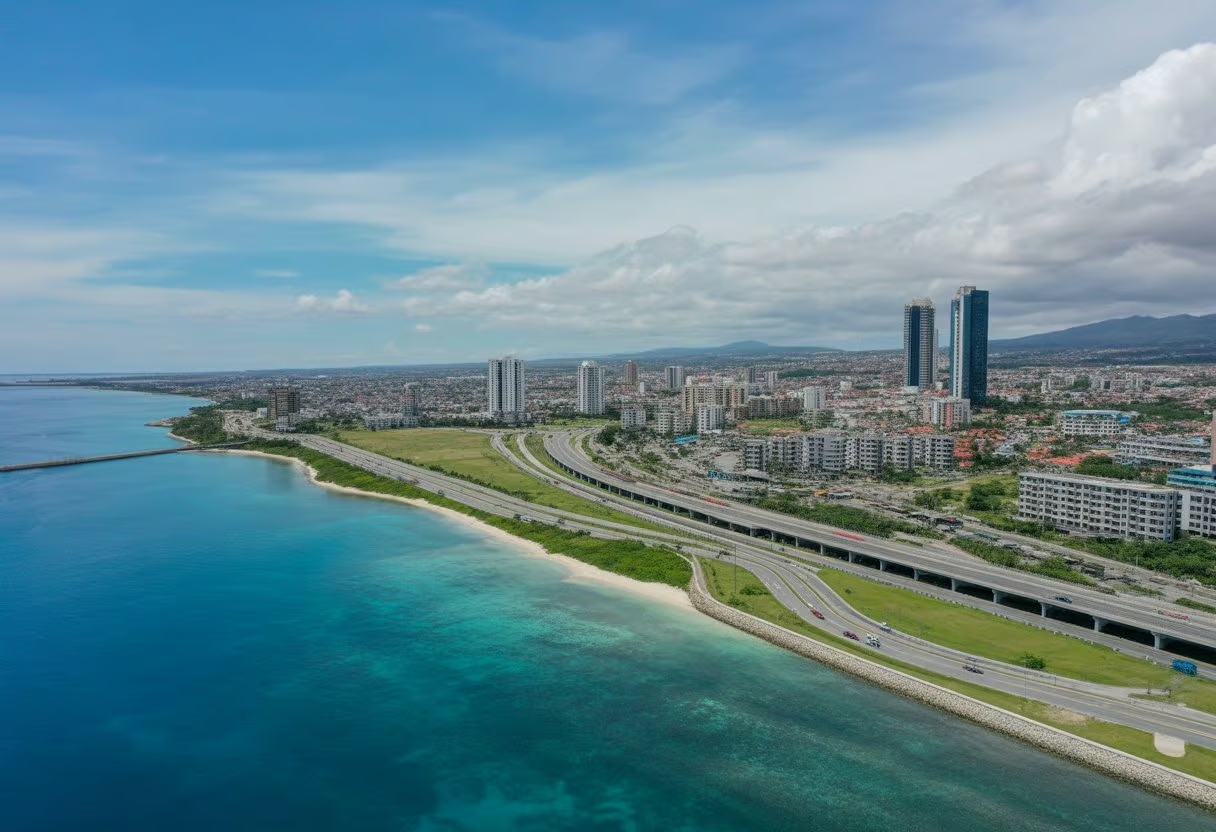
SRP sits right in the middle of Cebu City’s southern growth corridor. Its links to major roads, bridges, and nearby business districts make a real difference for convenience and, honestly, for long-term property value.
Proximity to Central Cebu and Mactan Island
SRP is just south of Cebu City’s main business district, so getting to offices, schools, and hospitals is a lot easier—you don’t have to fight through the city’s worst traffic.
Trips to downtown Cebu, Fuente, or the port are pretty manageable thanks to direct coastal routes. Mactan Island, with its international airport and export zones, is only a short drive away via the bridge.
For investors, this is a sweet spot. SRP appeals to people working in Metro Cebu who want newer developments and less congestion. Companies also like the quick links between the airport, city, and other hubs.
Cebu South Coastal Road and Key Transport Routes
The Cebu South Coastal Road runs right along SRP’s edge, giving a high-capacity route that skips the city center’s mess.
This road ties SRP to downtown Cebu, the South Road corridor, and northern Metro Cebu. Key access points like F. Vestil Street connect SRP directly to nearby neighborhoods and commercial areas.
For everyday life, this means shorter, more predictable commutes. For property, it helps reduce location risk. Developments along the South Coastal Road get steady traffic and visibility, which is good for both homes and businesses.
Role of Cebu-Cordova Link Expressway (CCLEX)
The Cebu-Cordova Link Expressway, or CCLEX, starts right inside SRP. It gives the area a direct shot to Cordova and Mactan Island.
CCLEX cuts travel time to the airport and Mactan’s business parks. That’s a big plus for logistics, tourism, and office work. It also helps spread growth beyond the old city center.
With CCLEX, SRP is really a transport gateway now. Properties near the expressway are extra appealing to companies and residents who need fast inter-island travel. This kind of infrastructure supports steady demand—not just quick-flip speculation.
Master Planning and Urban Development
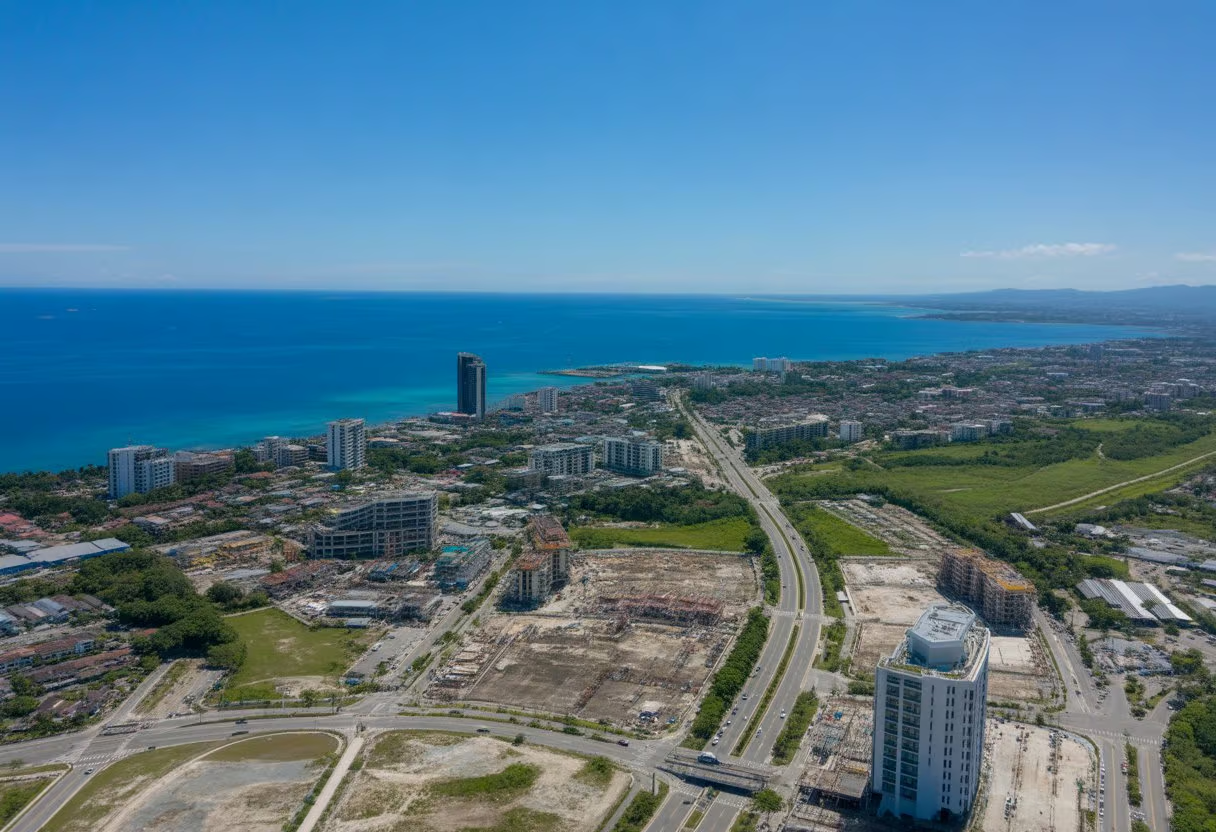
SRP follows a master plan that sets rules for land use, roads, and utilities. This helps large private projects fit with Cebu City’s long-term development goals.
Mixed-Use Townships and Integrated Estates
Developers are building large mixed-use townships at SRP, not just scattered buildings. These estates put homes, offices, malls, and hotels in one spot, making life easier for everyone.
Major players like SM, Ayala, and Filinvest lead these projects. City di Mare, Kawit Point, and spots near Kawit Island are big on waterfront living and commercial activity. Each estate has a long-term vision, not just a quick resale plan.
This approach matches the broader Metro Cebu development project. It creates a business-friendly environment that draws offices, retail, and service providers. For buyers, this kind of planning usually means better upkeep and more stable property values.
Infrastructure Projects and Utilities
Infrastructure is what’s driving SRP’s growth. The city built wide roads to handle future traffic, not just what’s there now. These roads tie SRP to downtown and nearby districts.
Some key projects fueling this growth:
- Cebu-Cordova Link Expressway (CCLEX) for quick access to Mactan
- Planned Bus Rapid Transit (BRT) routes through SRP
- Drainage and flood control built for reclaimed land
Utility upgrades are also a big deal. Developers work with power, water, and telecom companies to handle high-density use. That helps avoid service hiccups and supports Cebu’s long-term growth, not just single projects.
Discipline Zone and Traffic Management
SRP is run as a discipline zone, which means stricter rules for traffic, parking, and roads. Authorities actually enforce loading zones, speed limits, and set routes here—more than in older parts of the city.
This keeps traffic flowing better as the area fills up. Trucks, public transport, and private cars follow planned routes, not just whatever’s convenient. Developers have to stick to access and parking standards, too.
For residents and businesses, it makes getting around less of a pain. It also helps keep property values up by stopping congestion from getting out of hand. The discipline zone idea fits with SRP’s bigger role in Metro Cebu development—it’s about building for the long haul, not just a quick boom.
Major Investors and Anchor Projects
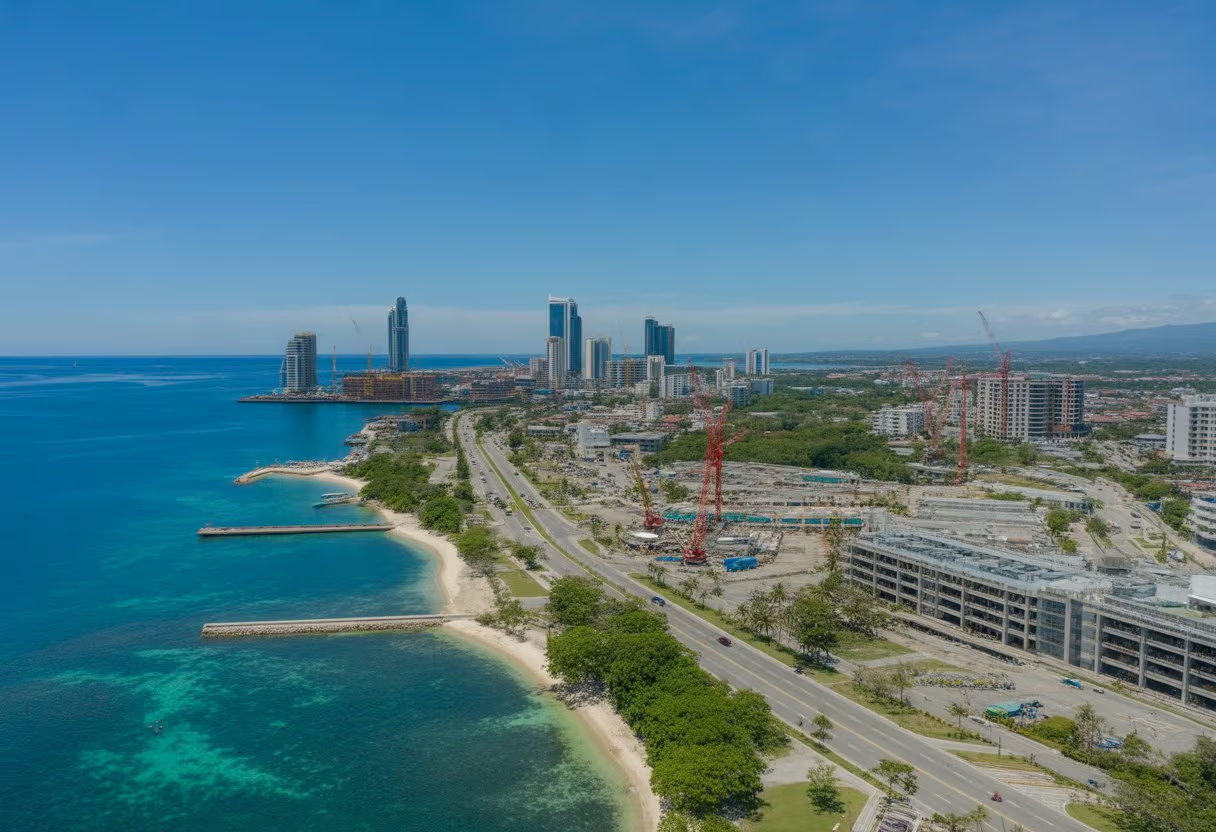
Large developers are the backbone of SRP’s growth, shaping everything from traffic patterns to job opportunities. Their projects influence how people live, work, and spend their weekends in this district.
SM Prime Holdings Developments
SM Prime has a big footprint in SRP with SM Seaside City Cebu, one of the Visayas’ largest malls. It pulls in crowds from all over Metro Cebu and helps support the offices, condos, and hotels nearby.
They’re also behind South Coast City, a sprawling mixed-use estate next to the mall. Offices, residences, hotels, and green spaces are all part of the plan. It’s designed to meet the ongoing need for housing and office space.
SM’s developments have direct road access and sit close to CCLEX, which really helps stabilize property values in these areas.
Ayala Land and Joint Ventures
Ayala Land brings a more long-term, township approach with projects like City di Mare and its nearby ventures. City di Mare mixes residential towers, offices, retail, and leisure spots along the waterfront.
They’re big on walkability, open spaces, and good property management—features that actually matter if you’re planning to live or work here.
Ayala’s reputation draws in corporate tenants and steady buyers, which helps keep rental income and resale values healthy in the long run.
Filinvest and Commercial Hubs
Filinvest focuses on commercial and mixed-use spaces that keep business humming in SRP. Their projects add offices, retail, and services for both locals and visitors.
Most Filinvest sites are near major roads, making them easy to reach. That’s a big plus for offices and shops counting on daily foot traffic.
Nustar Resort and Casino
Nustar Resort and Casino is SRP’s high-end entertainment anchor. The complex features luxury hotels, gaming, dining, and event venues.
Nustar brings in both local and international guests, which gives a boost to nearby hotels, rentals, and businesses.
Its presence raises SRP’s profile as a premium destination and nudges up land values, especially along the waterfront and near mixed-use projects.
Investment Opportunities and Market Outlook
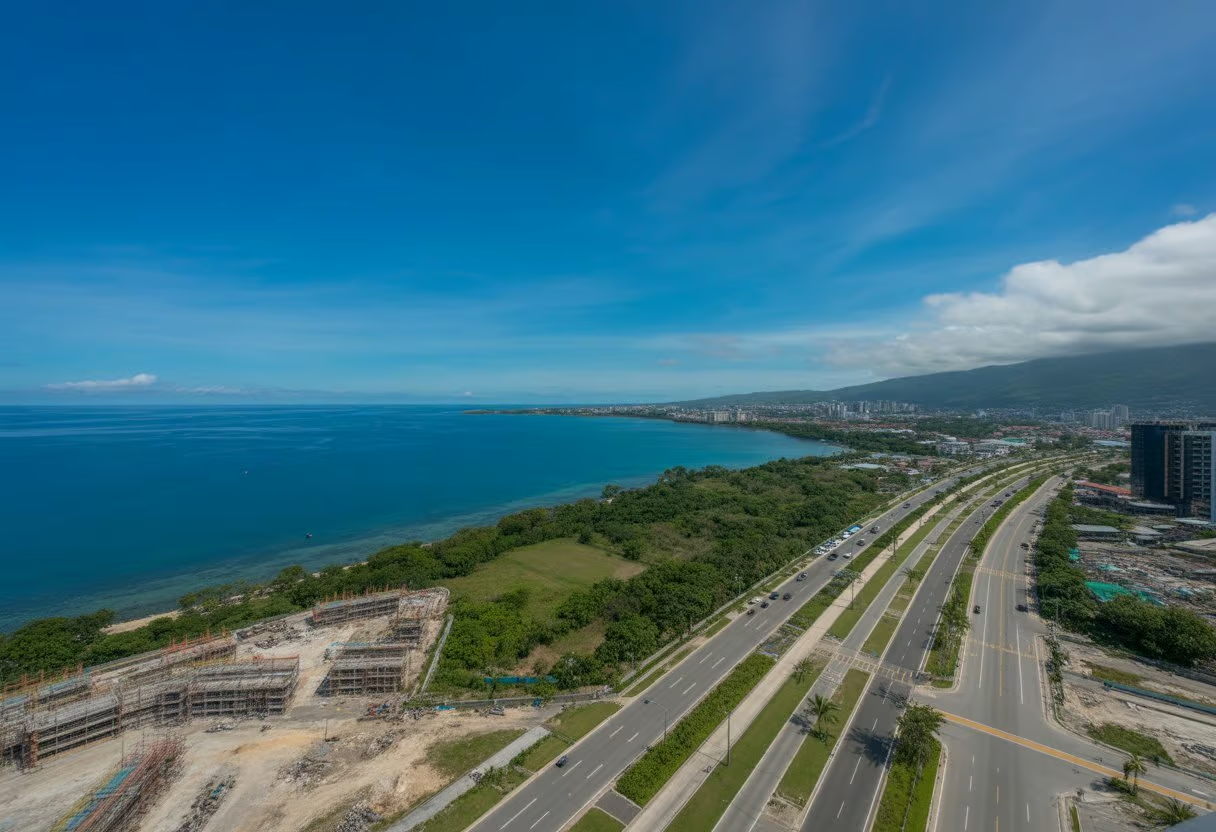
SRP lays out some pretty clear investment paths, thanks to its location, size, and long-term planning. Prices, infrastructure in the pipeline, and the track records of big developers all play into how buyers look at risk and value here.
Current Property Trends
Most activity in SRP centers on mixed-use estates and high-rise developments. Condos close to malls, casinos, and office clusters see the strongest demand. Buyers? You’ve got local professionals, overseas Filipinos, and small business owners in the mix.
Prices shift depending on how close you are to CCLEX and established areas. Units from major developers like SM, Ayala, and Filinvest often come with a premium—brand trust and property management make a difference.
There’s steady leasing demand for offices and retail in SRP, tied to a business-friendly environment that appeals to BPOs, hotels, and retailers.
Future Growth Drivers
Infrastructure is still SRP’s main growth engine. CCLEX slashes travel time to Mactan, and planned BRT routes should make daily commutes easier. These upgrades drive both residential and commercial demand.
The city government keeps pushing SRP as a flagship investment zone. Their work with private developers helps speed up things like permits and road fixes. The Cebu Chamber of Commerce and Industry frequently puts SRP in the spotlight when talking about future business districts.
Big land parcels mean projects can roll out in phases. That supports more hotels, offices, and lifestyle hubs—not just quick builds.
Long-Term Value Considerations
Long-term value in SRP isn’t just about the name—it’s about where you are in the district. Properties near transport, offices, and shops tend to hold up better over time.
Developer quality is key. Investors usually go for projects with solid master plans, good property management, and stable homeowners’ associations. These all affect resale and rental appeal.
Don’t forget the basics. Traffic, flood control, and access to schools or hospitals really matter for daily life. Being honest about these helps line up price growth with actual usability.
Challenges and Considerations for Investors
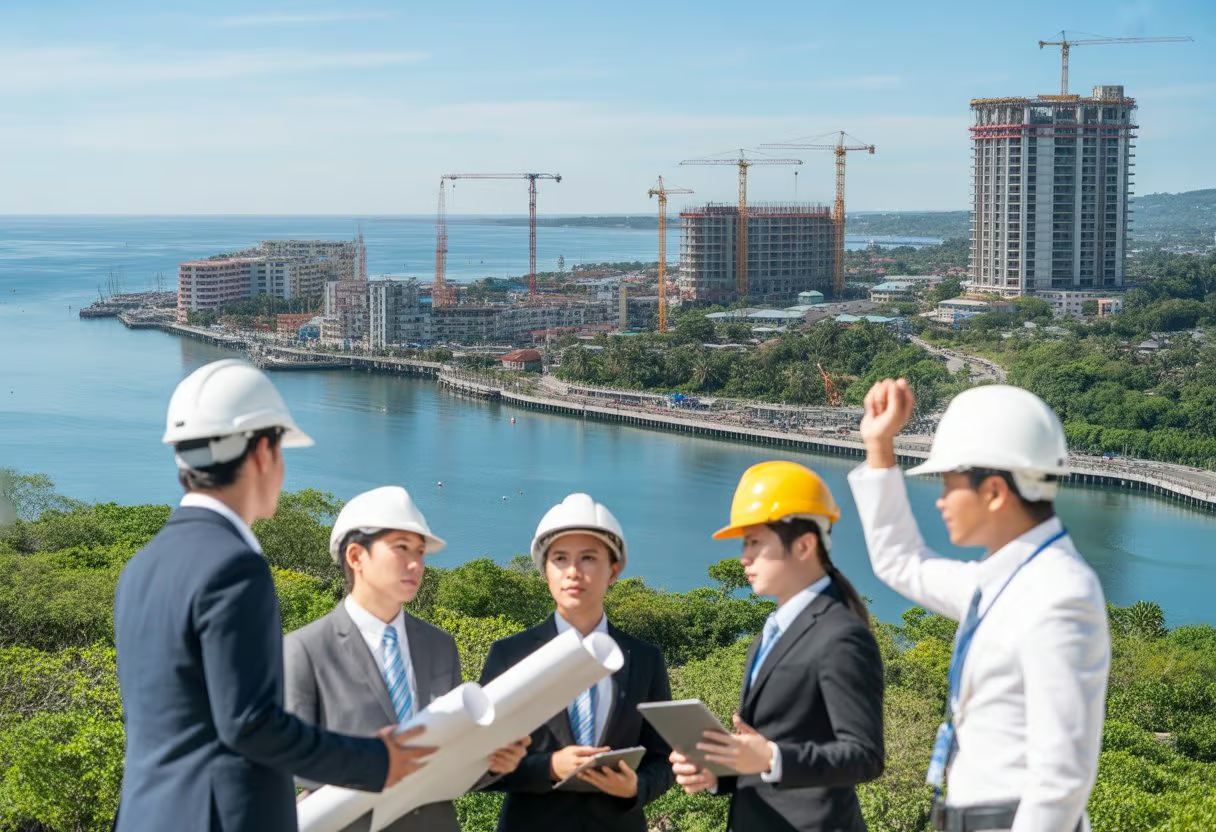
SRP’s upside is real, but there are risks—execution, public sector coordination, and day-to-day livability. Choices around developers, permits, and site planning can impact your returns just as much as location does.
Developer Credibility and Partnerships
SRP is home to projects from major players like SM, Ayala, and Filinvest. They bring funding, clear timelines, and mixed-use experience. That track record helps lower risk and keep prices steady.
There are also smaller developers in the mix. It’s smart to check past delivery, financial backing, and local partners. Joint ventures matter, since land ownership and project rights can vary a lot here.
The SRP governing board manages land use and partnerships. City leaders like Rey Gealon have pushed for more collaboration to attract both big firms and suppliers. How well developers and the city work together affects things like road access, utilities, and turnover dates.
Regulatory Processes and Administrative Incentives
SRP follows city rules, but there’s also a special governing structure. Permits, zoning, and utilities usually go through the SRP board, not just city hall. This can speed things up, but you still need coordination.
Cebu City officials, including Raymond Alvin Garcia, sometimes offer incentives to attract investors—maybe faster permits or special tax terms for priority projects. The details change depending on timing and project type.
Before buying, check:
- Zoning status and what’s allowed
- Permit timelines tied to SRP approvals
- Access commitments for roads and transport
Delays usually pop up because of missing paperwork or changes in the project scope.
Sustainability and Livability
Being on the coast, SRP faces some real-world challenges. Reclaimed land needs solid drainage, flood control, and soil treatment. It’s worth reviewing engineering plans and who handles long-term maintenance.
Livability depends on daily needs, too. Some spots still lack schools, clinics, or local services. Even with CCLEX, peak-hour travel can be a pain.
Mixed-use plans help, but results really vary by site. Projects with shaded streets, open space, and walkable blocks tend to keep their value better. Honestly, it’s smart to visit at different times to get a feel for noise, heat, and traffic.
Frequently Asked Questions
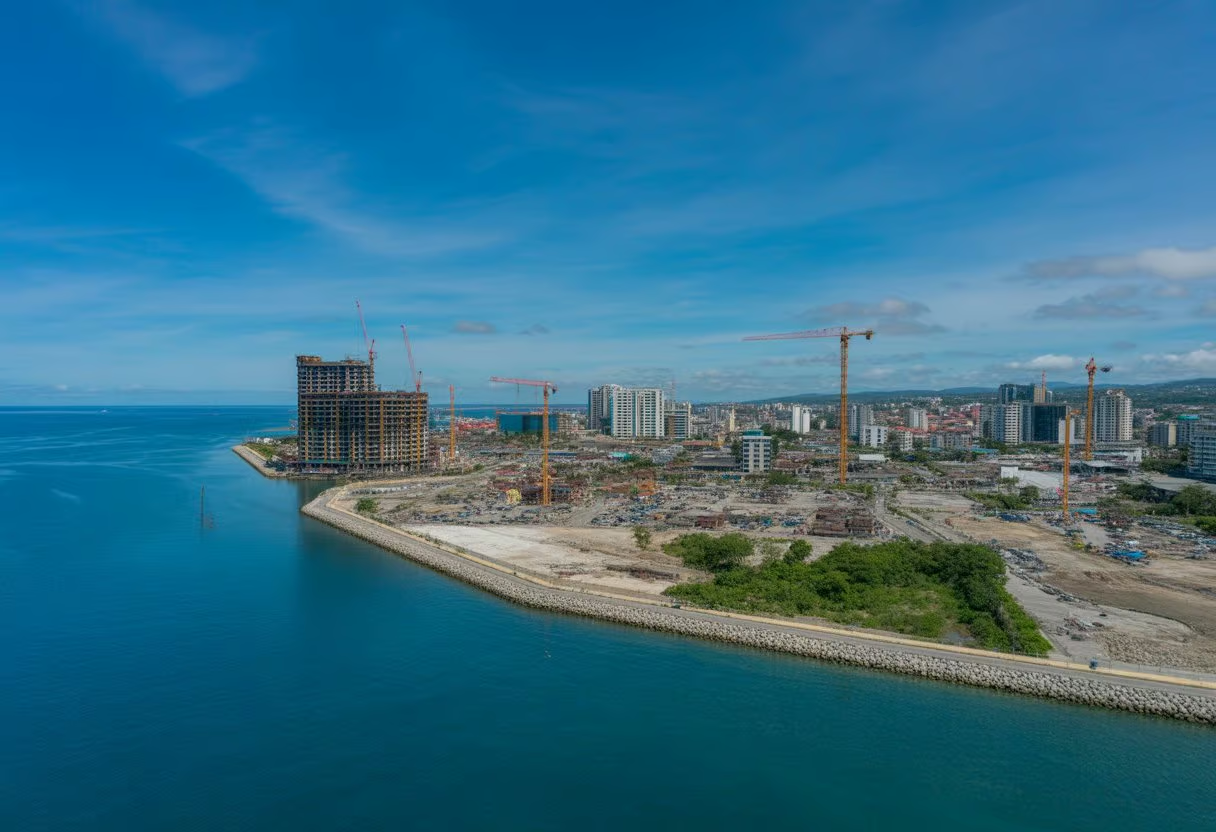
Investors usually weigh location access, developer reputation, flood risk, and their own time horizon when checking out SRP. Day-to-day convenience and future infrastructure also play into long-term value.
What are the key factors to consider before investing in a property at SRP?
Location within SRP is important—some areas are just closer to malls, offices, and main roads. Access affects daily travel time and rental demand.
It’s also smart to check zoning rules, master plans, and nearby projects. These details impact noise, traffic flow, and how land might be used in the future.
How does the developer’s reputation and track record affect my investment in SRP?
Developers with a solid reputation usually stick to their master plans and finish on time. This lowers risk and helps keep property values steady.
Good management also means well-kept estates, which attract long-term tenants and buyers.
Can you detail the connectivity and transportation options available in SRP?
SRP connects to Cebu City via the South Coastal Road, linking it to downtown and nearby cities.
The Cebu-Cordova Link Expressway gives direct access to Mactan Island and the airport. A planned Bus Rapid Transit system should make daily commutes even smoother.
What measures are in place to address potential flooding concerns in SRP?
SRP’s reclaimed land is built with engineered drainage. Developers design roads and blocks at higher levels to handle rainwater.
Some areas add seawalls and pumping systems. Still, it’s a good idea to check specific flood studies for any site you’re considering.
What is the anticipated investment horizon for properties within SRP?
SRP is better suited for a medium- to long-term investment—many buyers look at a seven to ten-year window for value growth.
Ongoing infrastructure and township projects support this timeline, but short-term gains can really depend on the project and location.
What amenities are currently available and planned for the future within South Road Properties?
SRP already has big malls, seaside dining spots, offices, and hotels. These places attract both locals and tourists—there’s a bit of something for everyone.
Looking ahead, there are plans for more mixed-use townships, extra office spaces, and new civic areas. The goal? To make SRP into a spot where people can live, work, and unwind all in one place.



)