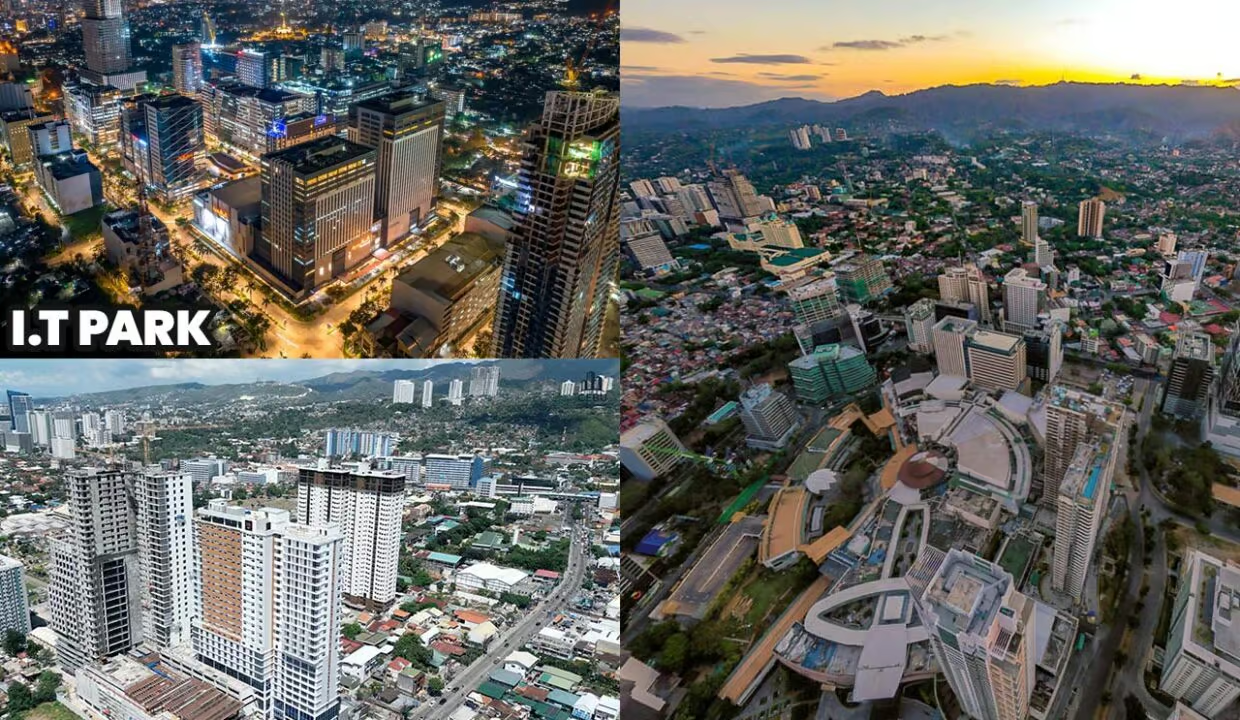

What Data Doesn’t Show About Cebu’s Property Market
Cebu’s property market looks strong on paper—prices are up, demand seems steady, and big projects keep popping up around Cebu City and nearby towns. Most reports point to growth, thanks to tourism, BPOs, and new roads and bridges. But honestly, the numbers only tell part of the story. They miss the forces that actually drive decisions on the ground.
Data doesn’t show buyer emotions, local trust, or those early job and infrastructure signals that often decide which Cebu properties will succeed in the long run. People want places near lifestyle hubs, safe streets, and lively communities—even if the price data looks just so-so. Sometimes, a developer’s reputation or a friend’s recommendation matters more than a spreadsheet with projected returns.
Local work patterns and rental demand shift faster than official numbers. A new office in IT Park or Mandaue can push up rents before the stats catch up. Short-term stays and student demand move with the seasons. These are the details that explain why some Cebu properties quietly outperform the averages.
Key Takeaways
- Cebu property market data shows growth but misses human and local factors.
- Early job and infrastructure shifts shape Cebu real estate before prices move.
- Philippine real estate decisions often rely on trust, timing, and local insight.
Hidden Drivers Behind Cebu’s Property Market Trends

Behind the numbers, it’s the daily choices and local context that really move the Cebu property market. Buyer behavior, shared knowledge, and lifestyle fit usually guide demand before prices ever react.
Emotional Motivators and Buyer Preferences
Most buyers in Cebu act on personal goals, not just what’s on a chart. People pick homes near beaches, malls, or work hubs, even if it means paying a premium.
Convenience is huge. Areas close to Cebu Business Park and IT Park draw buyers who want less time in traffic and a steady stream of renters.
Trust? It’s a big deal. Buyers go for developers with a solid track record for build quality and actually finishing on time. They’ll often overlook higher prices or smaller spaces if they trust who’s building.
Key buyer priorities often include:
- Location comfort, not just location value
- Perceived safety during day and night
- Ease of daily living, like food, clinics, and transport nearby
These things push demand in ways raw data just doesn’t show.
The Human Element: Local Advice and Reputation
Local advice is gold in Cebu property deals. Buyers listen to friends, family, and long-time residents way before they trust any market report.
Word-of-mouth fills in all the gaps that data leaves behind. Locals talk about flooding after heavy rain, which roads jam up at rush hour, and which new projects are just plain noisy.
And then there’s developer reputation. One delayed turnover or a badly maintained building can haunt sales in that area for years.
In reality, buyers weigh:
- What neighbors have experienced
- Feedback from building staff or guards
- What people are saying in online groups
These signals can tip the scales on pricing and demand right down at the street level.
Lifestyle and Community Influences on Investment Decisions
Lifestyle fit drives long-term value in Cebu. Walkable streets, nearby cafes, and green spaces keep demand steady, even when things slow down elsewhere.
Look at communities near Cebu Business Park. Professionals want mixed-use zones where work, food, and fun are all close by.
Community activity counts, too. Active homeowners’ groups and clean shared spaces help keep tenants and make units easier to resell.
Investors often watch:
- Daily foot traffic, not just how many units are built
- Tenant profiles, like BPO staff or families
- Community upkeep, which hints at future stability
These factors shape performance long before they show up in any official Cebu real estate data.
Economic and Infrastructure Factors Unseen in the Data

Economic growth and major projects shape Cebu property outcomes long before price charts react. Job clusters, airport expansion, and shifting rental uses move demand in ways standard reports just don’t catch.
The Impact of Local Job Creation and Business Hubs
Cebu’s job growth pulls demand into certain zones, not the whole city. BPO and tech companies crowd into Cebu Business Park and IT districts. Renters want units within a quick commute, even if it costs more.
Official labor data is always behind. On the ground, leasing activity jumps right after new offices open or expand. Studios and one-bedrooms feel it first.
Hiring trends also change who’s buying. Young professionals want walkable areas with food, gyms, and easy transit. That’s why mid-rise condos and townhomes near work hubs stay in demand.
What to watch beyond data
- New office openings and lease signings
- Nighttime activity and foot traffic
- Pre-leasing in nearby condos
Effects of New Infrastructure Like Mactan-Cebu International Airport
Infrastructure pushes value up before it’s even finished. The Mactan-Cebu International Airport upgrades made it way easier for tourists, OFWs, and business travelers. Demand picked up near Mactan and along new roads long before the rest of the city noticed.
Honestly, travel time matters more than distance. Buyers look at bridges, expressways, and port access—how they affect daily life, not just resale value.
Economic reports say Central Visayas has kept up with national growth lately. But property prices often move only after people actually feel the change—shorter commutes, more visitors, that sort of thing.
Early signals
- Hotel and serviced apartment bookings
- Announcements of new transport routes
- Land interest rising near access roads
Rental Market Nuances Beyond Official Numbers
Rental data often skips over short-term demand. Cebu has a strong market for serviced apartments and short stays, especially near the airport, business parks, and tourist spots. These units can earn more than the long-term averages suggest.
Seasonality is real. Student cycles and BPO hiring waves shift demand in a matter of months. Owners tweak rents faster than any report can keep up.
Some market segments stay healthy even when others slow down. Cebu doesn’t have the same condo glut as some other Philippine cities, which helps.
Rental demand drivers
- Short-term stays near MCIA
- BPO shift schedules
- School calendars and intake timing
Frequently Asked Questions

These questions dig into how personal choices, local activity, and reputation shape Cebu property decisions—way beyond the charts and reports. It’s about daily life, timing, and trust as the real market drivers.
How do emotional factors and lifestyle aspirations influence property decisions in Cebu?
People often pick homes near beaches, malls, and work hubs like IT Park to fit their routines. Convenience and comfort sometimes matter just as much as price.
Safety, walkability, and a calm street vibe also guide choices. You really only get a feel for these things by visiting—not from a spreadsheet.
In what ways does real-time economic activity, like the opening of BPO offices, impact the real estate market prior to being reflected in official data?
New BPO offices boost rental demand fast, especially for small units near job centers. Landlords usually bump up rents before the numbers show anything.
Hiring waves shift demand by area, too. IT Park and Mandaue are usually the first to feel it.
Why is local knowledge and word-of-mouth important in the property valuation process?
Residents know about flooding, rush hour traffic, and power issues—things that really affect daily life and long-term value.
Buyers trust advice from people who actually live nearby. That trust can make or break demand for a specific street or barangay.
Can rental demand variations in Cebu be anticipated through unofficial channels or market nuances?
Property managers and brokers spot demand changes early. They watch school calendars, BPO hiring, and tourist seasons.
Short-term rentals show shifts faster than long-term leases. These patterns rarely show up in public data right away.
How do cultural shifts and preferences affect housing trends and demands in the Philippines?
More buyers now want smaller units close to work and transit. Blame traffic and long work hours for that shift.
Families also look for mixed-use areas with schools, clinics, and shops nearby. These needs shape what gets built and where.
What role does a developer’s reputation play in the success and perception of their real estate projects?
A strong track record gives buyers a reason to trust. Things like past delivery, build quality, and even how the company handles issues after the sale all shape demand.
Here in Cebu, buyers tend to flock to developers they know and trust—even if it means paying a bit more. Reputation, for many, feels like a safety net in a market that can be unpredictable.