Cebu Coastal Road Project: Barangays That Benefit Most
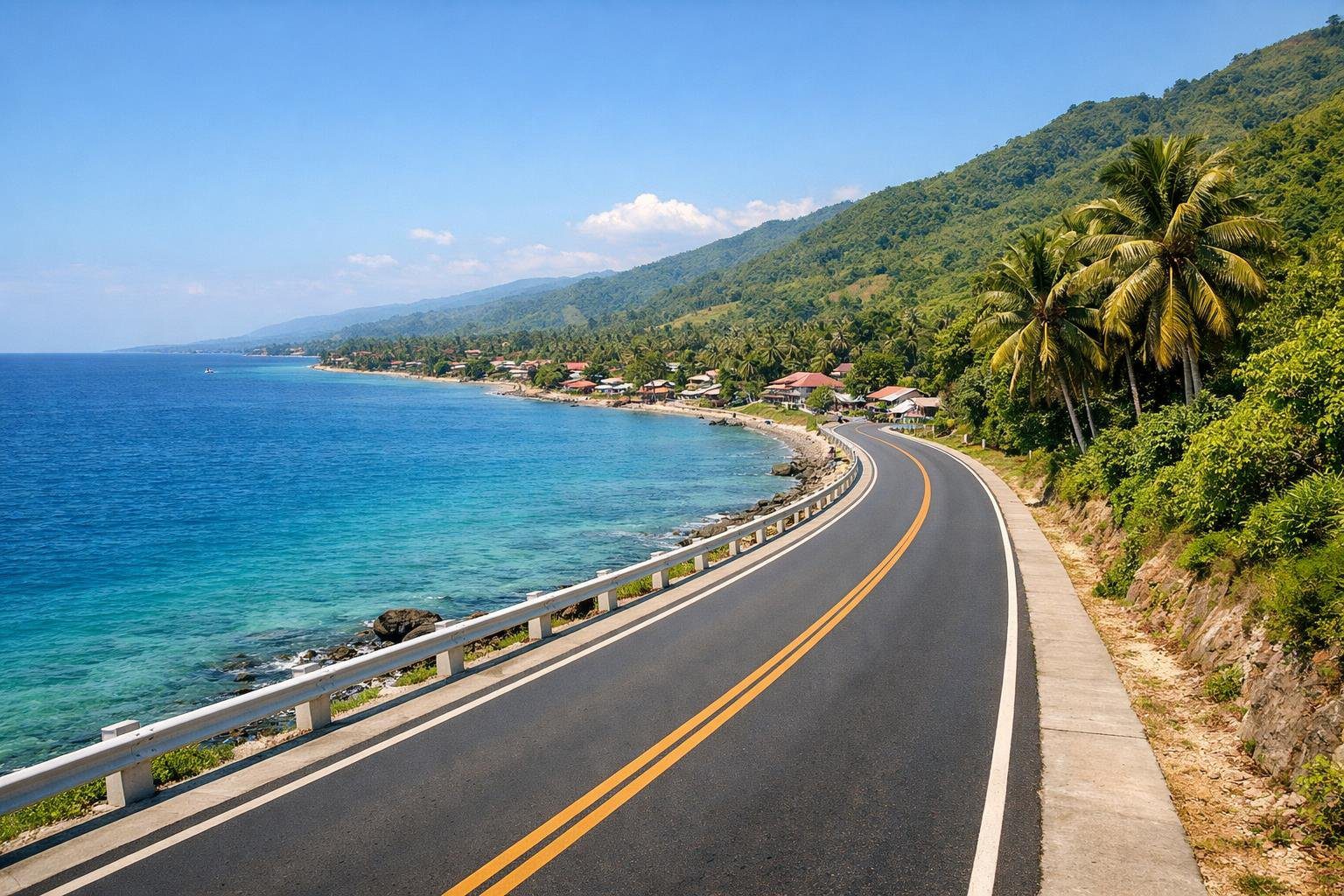
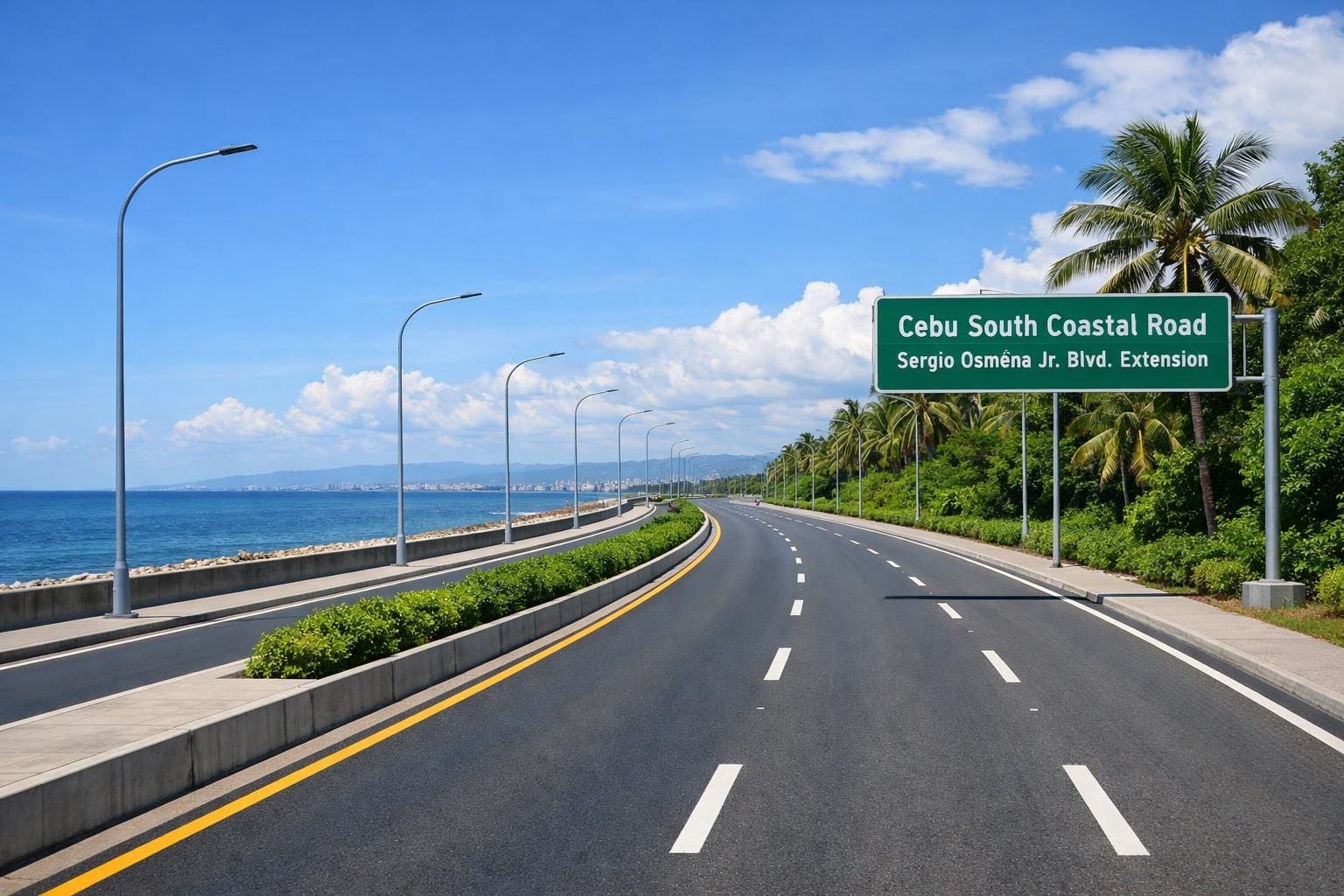
The Cebu Coastal Road Project is changing which barangays in Metro Cebu get the biggest boost. Better roads, rising property values, and new growth are all part of it. These coastal roads cover a wide area. They run from the Cebu South Coastal Road (CSCR) near the South Road Properties (SRP) to new links in Mandaue and Lapu-Lapu. Plans also extend the road south toward Naga. This opens up fresh chances for home buyers, renters, and investors.
The barangays closest to these roads stand to gain the most. Think easier access, higher land values, and a better quality of life. Southern Cebu City barangays near SRP, Talisay’s coastal communities, Cordova’s gateway areas, and specific spots in Mandaue and Lapu-Lapu (where the 4th Cebu-Mactan Bridge will land) are all in a sweet spot right now.
If you’re thinking about buying, renting, or investing in Cebu real estate, knowing which neighborhoods are along these corridors—and how far along each project is—can mean the difference between catching the wave early or missing out once prices jump.
Key Takeaways
- Barangays in southern Cebu City, Talisay City, Mandaue City, Lapu-Lapu City, and Cordova are the main winners from the coastal road projects underway or in the pipeline.
- Each barangay offers something a little different: maybe it’s rental demand, redevelopment, price price gains, or just a much better commute.
- Buyers need to check project timelines, the risk of route changes, and local zoning before they buy.
Which Barangays Benefit Most From The Cebu Coastal Road Project
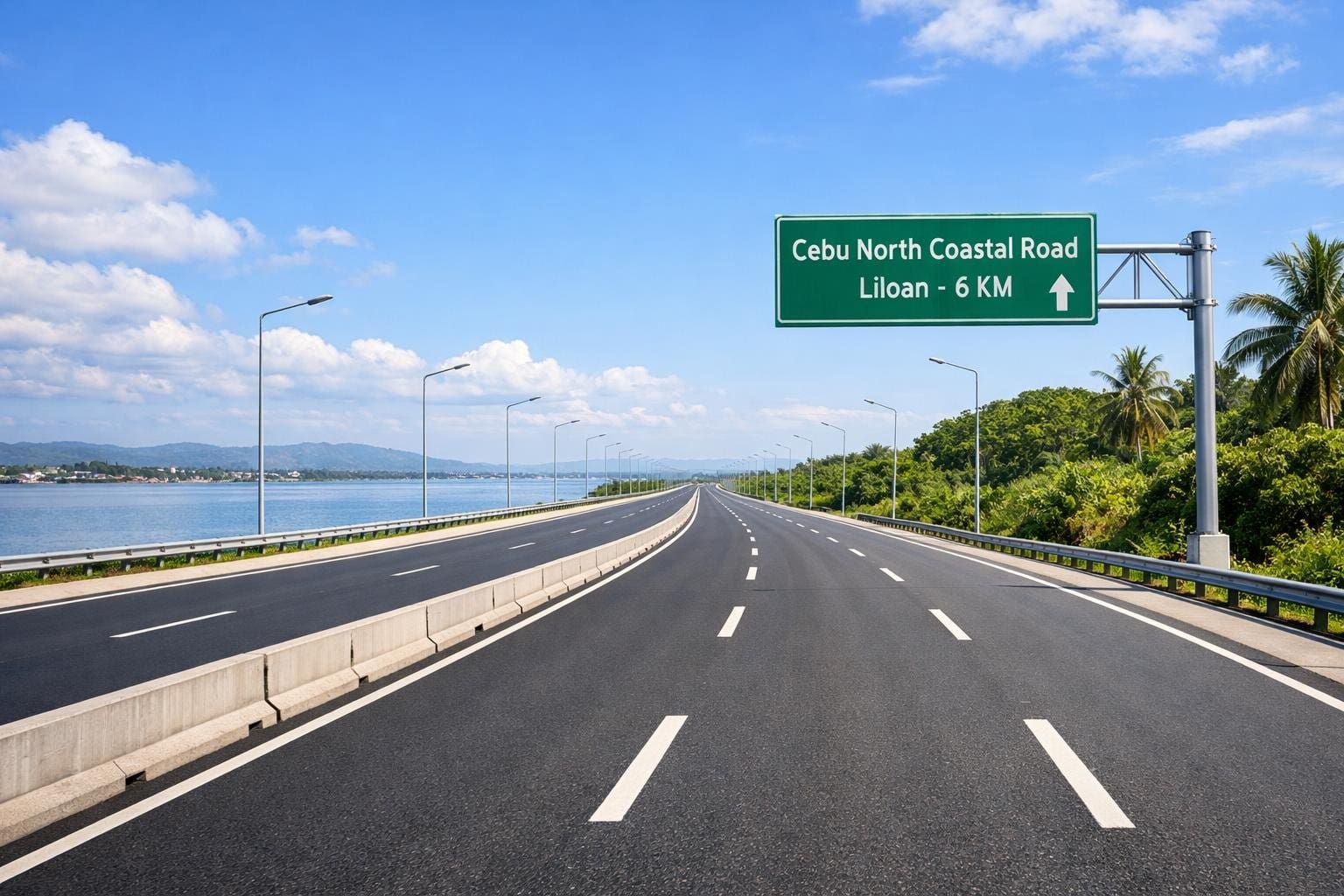
The coastal road network in Metro Cebu touches several cities. Which barangays benefit most depends on where they sit. Mambaling and Inayawan get a leg up from the CSCR and SRP. Talisay’s coastal barangays are in line for a boost from the planned southern extension. In Lapu-Lapu, Pusok and Ibo are right in the path of the 4th Bridge road. In Mandaue, Looc, Opao, Umapad, and Paknaan are also in that zone.
1. Mambaling, Cebu City
Mambaling is one of Cebu City’s 12 coastal barangays, hugging the SRP. With direct access to the Cebu South Coastal Road, people here skip most of the traffic on Natalio Bacalso Avenue. Getting to the city center is much faster.
Condo projects have been popping up steadily. The buzz from SRP, plus big names like SM Seaside and NuStar, keeps rental demand healthy.
For buyers who want low prices near a fast-growing road, Mambaling is still a smart pick in Cebu City.
2. Inayawan, Cebu City
Inayawan used to be known for its industrial and waste management facilities, but that’s slowly changing. New mixed-use projects are emerging, thanks to its proximity to SRP and the coastal road.
Prices here are still lower than in barangays near Cebu Business Park or IT Park. That price gap is what draws investors betting on future price gains.
The Cebu City Coastline Management Board is also focusing on environmental management in Inayawan, especially around mangrove areas. It’s worth keeping an eye on how these protections might affect future development approvals.
3. Talisay City Coastal Barangays
Talisay sits just south of Cebu City. It stands to gain from the proposed coastal road extension that runs from SRP to Barangay Tinaan in Naga. This extension needs new land filled in along Talisay’s shore. It would also build a toll road along the western coast.
Subdivisions and townhouse projects have already spread quickly in Talisay. Middle-income families are drawn by lower prices than Cebu City and improving road links.
The extension would cut travel time to SRP and Cebu City’s core even more, making Talisay’s coastal barangays attractive for both homeowners and landlords.
4. Pusok And Ibo, Lapu-Lapu City
Pusok and Ibo in Lapu-Lapu City are where the 4th Cebu-Mactan Bridge coastal road will be built. The DPWH has confirmed this route. It gives Mactan Island another way in and out, and should help ease traffic.
These areas are a mix of housing, commercial, and light industrial. The new road and bridge are set to push up demand. This is especially true for lots and rental homes near the new road.
If you’re an investor with patience, Pusok and Ibo offer an early-stage shot before prices catch up to the coming infrastructure.
5. Looc, Opao, Umapad, And Paknaan, Mandaue City
On the mainland, the 4th Bridge coastal road will run through six Mandaue barangays, with Looc, Opao, Umapad, and Paknaan most directly affected. DPWH has already begun talking to property owners here.
Mandaue is already a big industrial and commercial center. The coastal road will add another layer of road access, linking Mandaue to Mactan Island with a new crossing.
Properties along this stretch are likely to see more demand for business and mixed-use projects. Home spots nearby could also benefit as commutes get easier for workers in Mandaue’s busy factory and export zones.
6. Cordova Gateway Areas
Cordova, at the southeastern end of the Cebu-Cordova Link toll road (CCLEX), is a key gateway between Mactan Island and Metro Cebu. As the coastal road expands, Cordova’s location only gets more strategic.
Land in Cordova is still among the cheapest in Metro Cebu, which has drawn subdivision developers and resort-style housing projects. The CCLEX has already made it more accessible, and more coastal road work could boost that advantage.
That said, Cordova is still in early growth stages. Roads and services like drainage, water, and road quality can lag behind the city’s more developed areas.
How The Coastal Road Improves Daily Access And Mobility
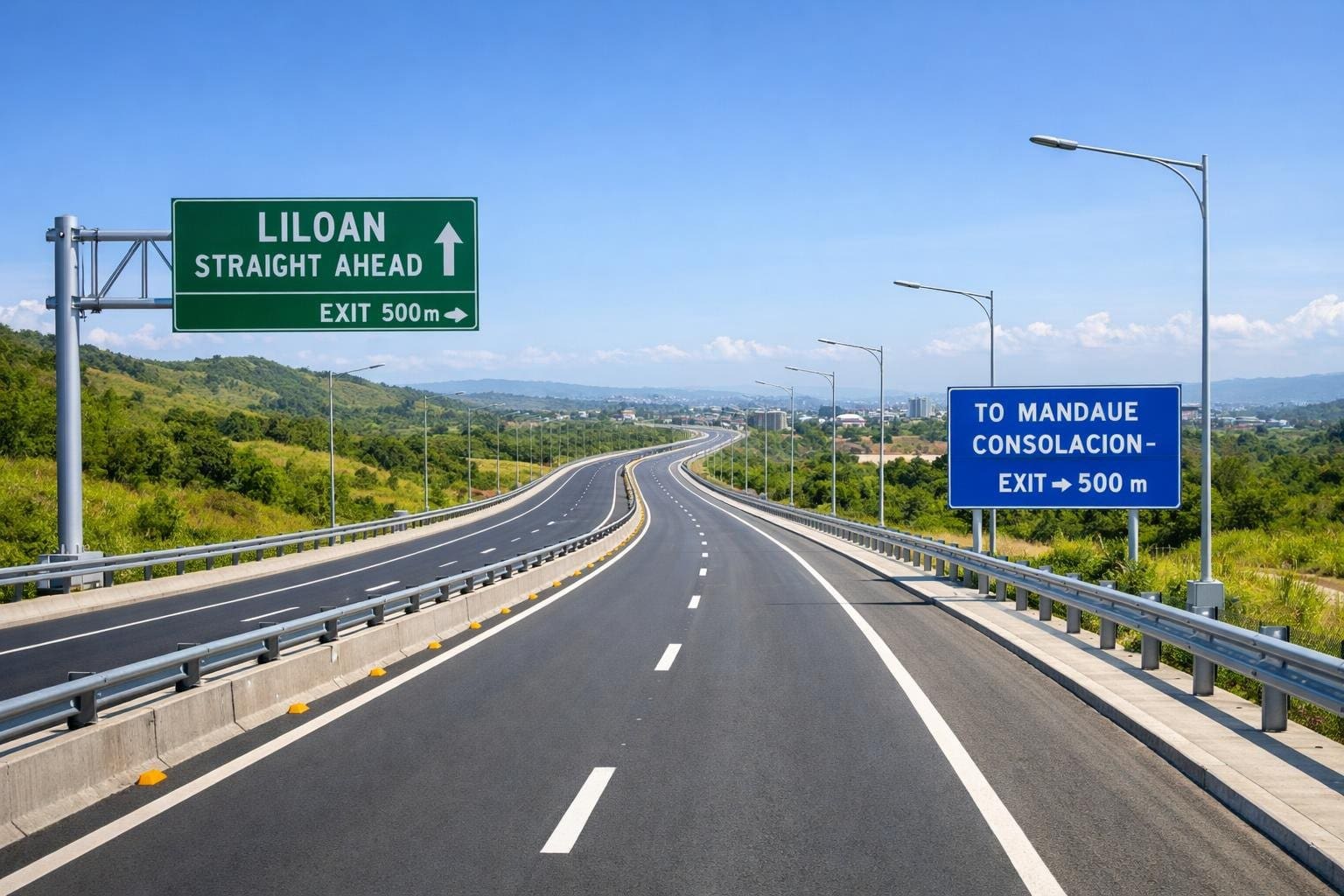
The coastal road network aims to tackle one of Metro Cebu’s most stubborn headaches: traffic. The CSCR already gives southbound drivers a faster option than Natalio Bacalso Avenue. The 4th Bridge road will also ease the traffic between Cebu and Mactan Island.
Faster Links To SRP And Cebu City Centers
The Cebu South Coastal Road is the main road linking Talisay to SRP and to downtown Cebu City. Before it opened, commuters heading south had to brave Natalio Bacalso Avenue’s gridlock.
Now that SRP hosts major commercial and entertainment hubs, the CSCR is a lifeline for thousands every day. A new pedestrian overpass has also been approved to make crossing safer for everyone on foot.
For people in Mambaling, Inayawan, and Basak San Nicolas, these upgrades mean shorter commutes and easier access to jobs, schools, and basic services.
Better road access To Mactan Island Via CCLEX
The CCLEX now crosses the Cebu Strait from SRP to Cordova. It gives Mactan Island a second main link. Combined with the coastal road, it spreads out traffic and takes pressure off the older Mactan bridges.
Folks traveling to Mactan-Cebu International Airport, Lapu-Lapu’s resorts, or the export zones have more route options. That extra choice matters for owners on both sides. Better road access usually means more buyers and renters.
Traffic Relief For Southbound And Cross-Channel Travel
The planned road from SRP to Naga, via Talisay and Minglanilla, would be a big relief for people heading south. The current south highway is packed, especially at rush hour.
A coastal toll road from SRP to Barangay Tinaan in Naga would run along the shore. It would cut travel time for people heading into the city from southern Cebu.
The 4th Bridge coastal road in Mandaue would also help by creating a new raised road and bridge to Lapu-Lapu City, easing cross-channel traffic.
Why These Locations Matter For Property Buyers And Investors
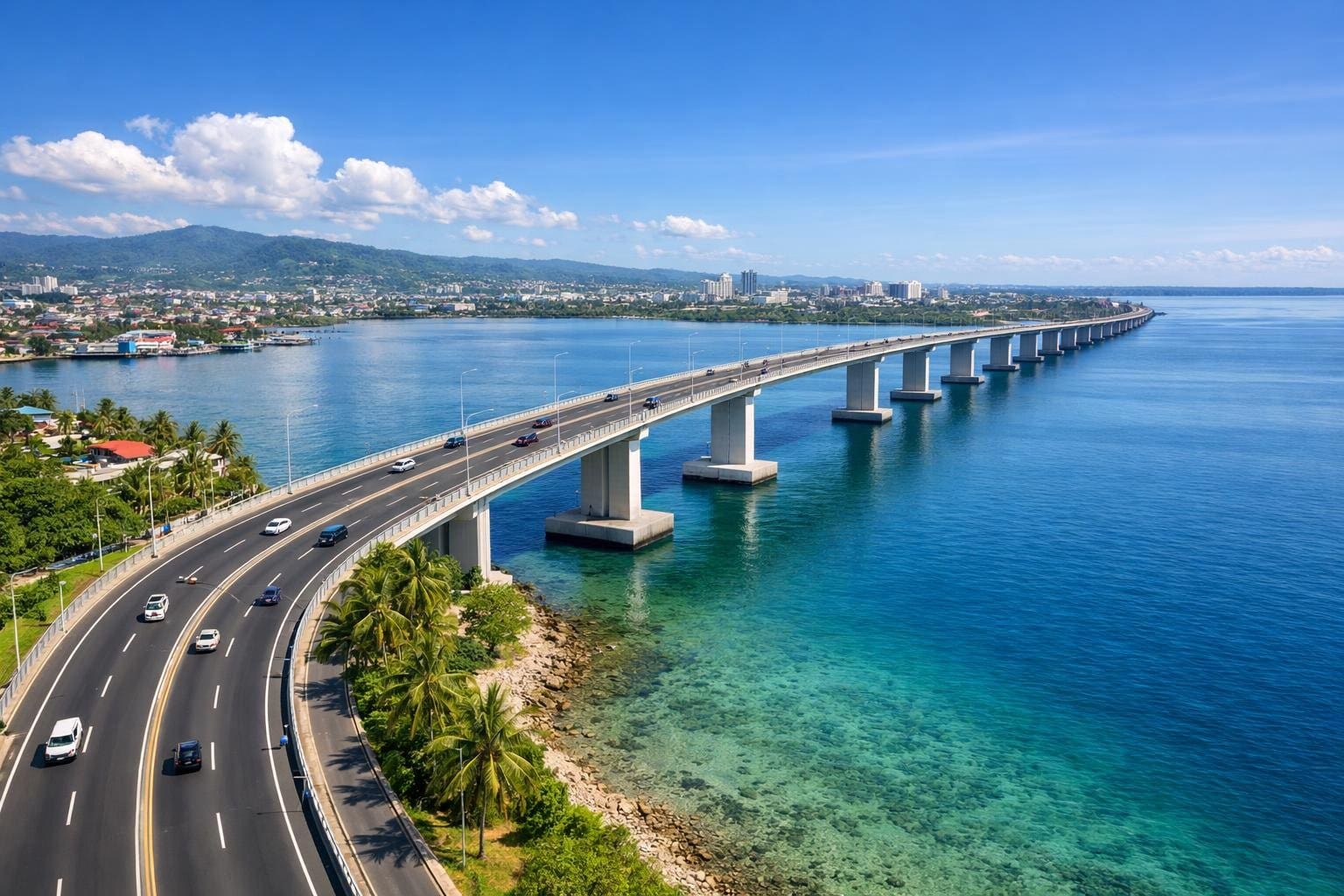
The barangays along Cebu’s coastal road corridors aren’t all created equal for investment. Some offer immediate rental income near job centers like SRP, SM Seaside, and NuStar Resort and Casino. Others are longer-term bets, where prices haven’t fully caught up to the coming road projects yet. It’s a mix, and timing really does matter here.
Where Residential Demand Is Likely To Rise First
Home demand picks up first where road access gets better and prices stay low. Talisay City fits that bill. There’s already a steady stream of new subdivisions, townhouses, and condos, and the coastal road extension should shave off more commute time.
Mambaling and Inayawan in Cebu City are also hot spots for home demand. Since they’re close to SRP’s business area, people working there would rather live nearby than deal with long commutes.
In Lapu-Lapu City, Pusok and Ibo could see a bump in demand once the 4th Bridge project gets further along and completion dates become less of a guessing game.
Commercial And Mixed-Use Growth Near Major Access Corridors
Commercial and mixed-use properties often see value go up near highway interchanges, bridge landings, and toll road access points. The SRP corridor is already a case in point, with big retail, hotels, and offices lining the CSCR.
Mandaue City’s barangays along the 4th Bridge coastal road seem primed for commercial growth. The city’s known for factories and shipping, and a new coastal road would make moving goods between the mainland and Mactan a lot smoother for businesses.
Cordova’s gateway areas could see more small-scale shops and malls—think retail or food stalls—popping up to serve the extra through-traffic from CCLEX.
How Price Gaps Create Opportunity Outside Prime Districts
Cebu City’s prime spots like Cebu Business Park and IT Park come with a hefty price tag. Properties there can cost two or three times more per square meter than units in Talisay, Mandaue, or Lapu-Lapu.
The coastal road network is starting to close that gap. It makes farther-out areas easier to reach. Buyers who see this change early can get properties at low prices where values are just starting to rise.
This is especially obvious in Inayawan and Talisay City, where developers are rolling out new projects at prices that appeal to middle-income buyers who can’t quite afford central Cebu.
Major Infrastructure Links Shaping The Coastal Corridor
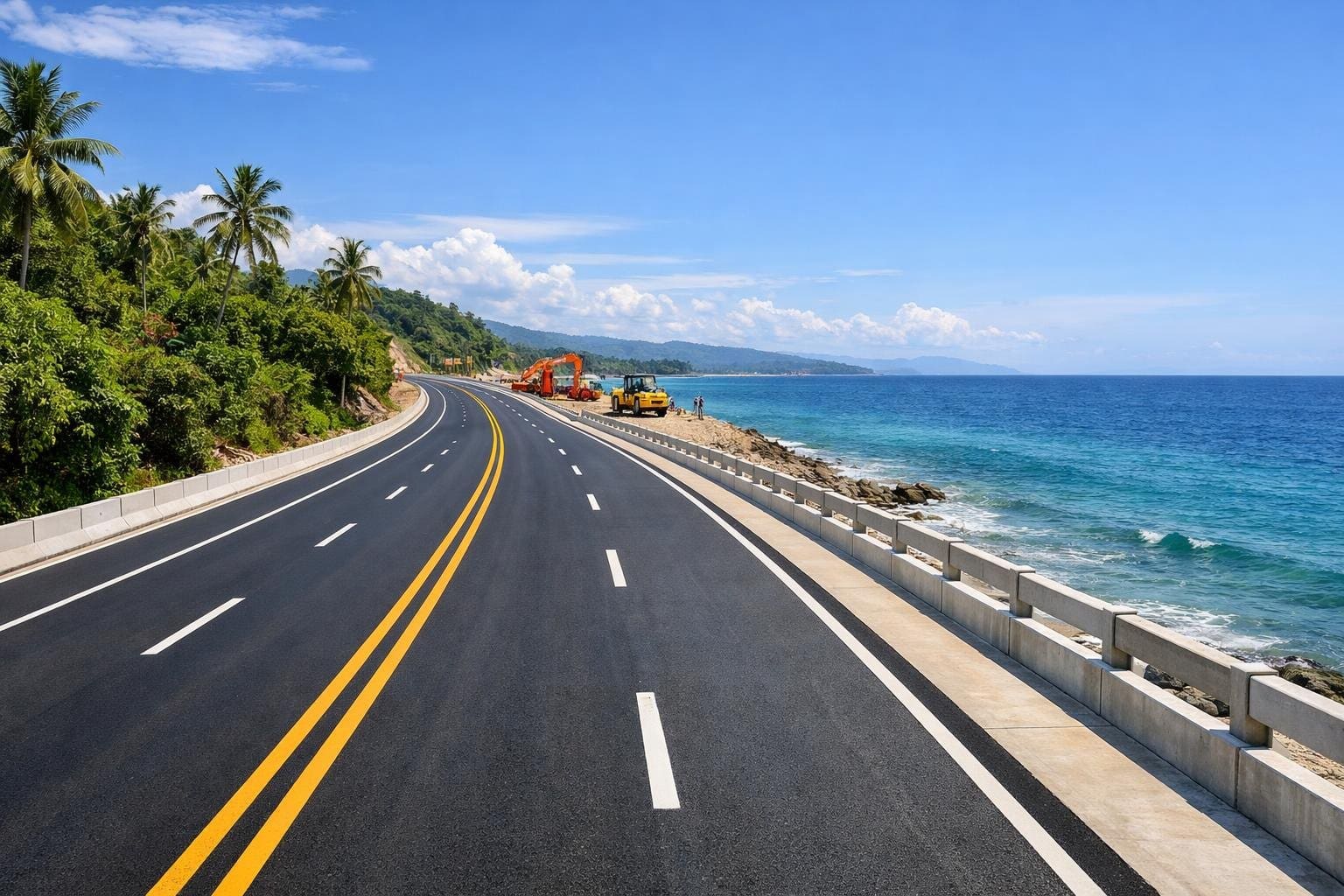
Several road and bridge projects are forming a coastal strip across Metro Cebu. The Cebu South Coastal Road, CCLEX, the 4th Cebu-Mactan Bridge, and the planned southern extension each play a key role.
The Role Of The Cebu South Coastal Road And SRP Spine
The CSCR runs along South Road Properties, connecting Talisay City to Cebu City’s southern core. It’s a national route (Route 840) and basically forms the backbone of the SRP development area.
SRP is the last big chunk of open land in Cebu City. It was built on land filled from the Mactan Channel, near barangays like Mambaling, Inayawan, and Pasil. The CSCR makes all of SRP reachable, which is why so many projects—both commercial and residential—are clustered there.
CCLEX And The Cordova Connection
The Cebu-Cordova Link toll road opened up a second link between Cebu mainland and Mactan Island, landing in Cordova and connecting to SRP. This 8.9-kilometer toll bridge crosses the Cebu Strait.
For the coastal road network, CCLEX acts as a connector between the SRP spine and Mactan Island, letting travelers skip the usual bottlenecks on the old Mandaue bridges. Properties in Cordova and southern Lapu-Lapu City are clearly benefiting from the better access.
The 4th Bridge And Coastal Road Plans In Lapu-Lapu And Mandaue
The 4th Cebu-Mactan Bridge is a PHP 76.4 billion DPWH project that includes both a bridge and a coastal road. The alignment passes through barangays in Mandaue City (Looc, Opao, Umapad, Paknaan) and Lapu-Lapu City (Pusok and Ibo).
The bridge and road would run beside E.C. Ouano Wharf, connect to Zuelig Road, and link the Lapu-Lapu flyover to Mandaue. Construction was supposed to start in 2024, with a five-year timeline.
This project aims to ease traffic across Metro Cebu. It will also make it easier to move people and goods between the mainland and Mactan.
Proposed Southward Expansion Toward Naga
The planned road from SRP to Barangay Tinaan in Naga is the biggest extension yet. It would need new land filled in at Talisay, Minglanilla, and Naga City.
Cebu Governor-elect Pamela Baricuatro is all for it, saying it could create jobs and help with southern Cebu’s traffic. The toll road would run along the western coast. It gives a second option to the current south highway.
If it gets built, this extension would link southern Cebu towns straight to SRP and, by extension, to CCLEX and the bigger Metro Cebu road network.
What To Watch Before You Bet On A Barangay
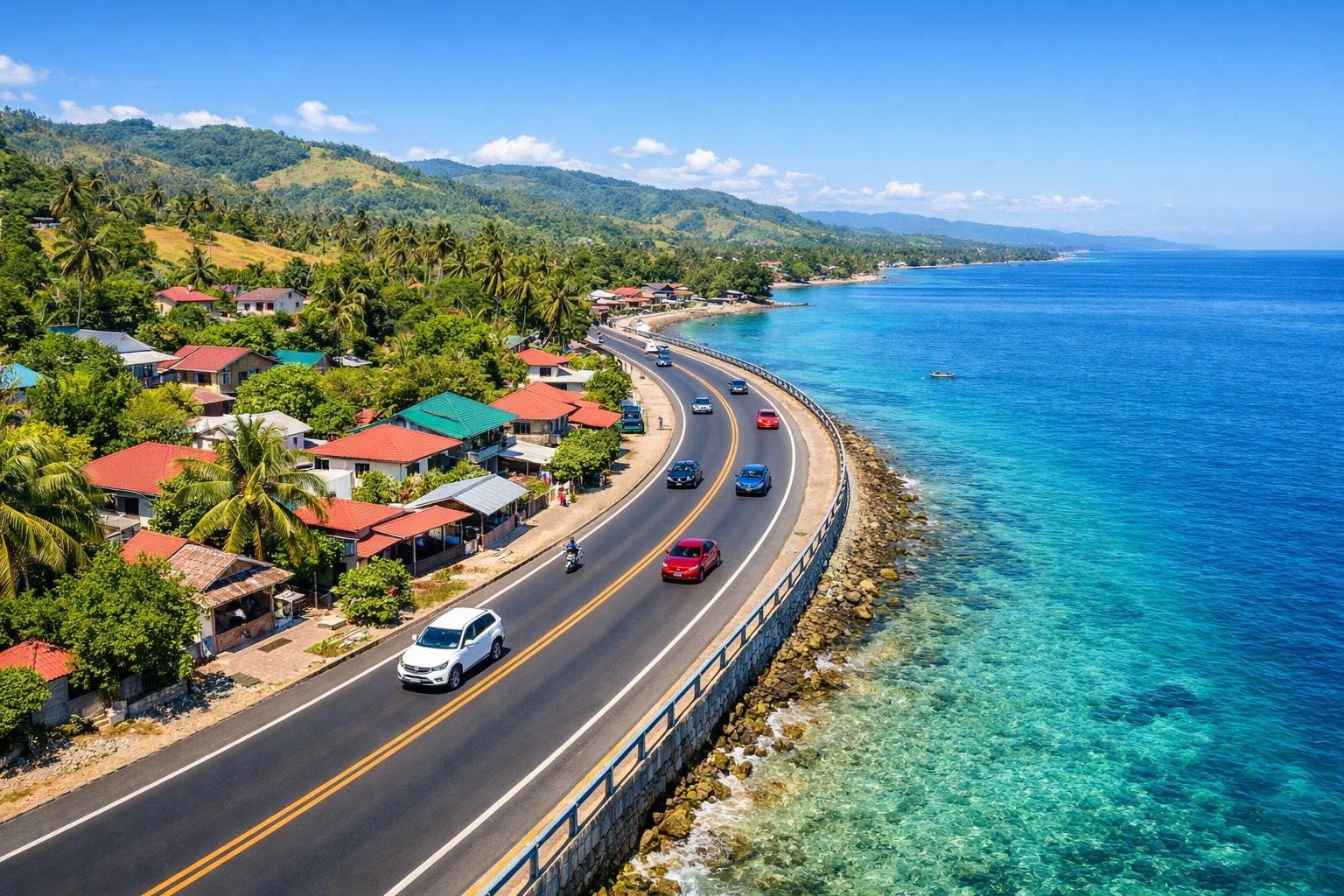
Not every barangay along a coastal road will give the same returns. There are real risks and unknowns to think about before you buy.
Project Stage, Alignment Changes, And Timelines
Some parts of the coastal road, like the CSCR, are already in use. Others, like the southward extension to Naga and the 4th Bridge coastal road, are still in planning or early construction.
Routes can change. The DPWH has held talks in Mandaue. Road routes can shift after studies, checks, or land deals. A property that looks “right on the route” now could end up farther away once the final plans are set.
Timelines are another thing. With a five-year build plan for the 4th Bridge, buyers in Pusok, Ibo, or nearby Mandaue areas should think mid-term. This is not a quick flip.
Road Right-Of-Way, Relocation, And Socialized Housing Issues
Big road projects mean land has to be acquired. The DPWH’s 4th Bridge project, for example, needed talks with property owners in Mandaue. Some buildings along the route might have to be demolished or moved.
Housing for displaced residents can also cause delays. If many people need to move, road work slows down. This leaves less land for new projects too.
Buyers should check if a property is in or near the road right-of-way. Check the title and look up the latest DPWH maps before you buy.
Flooding, Reclamation, And Coastal Area Considerations
Barangays along the coast, by definition, are close to the shoreline. That brings risks like flooding, storm surges, and the effects of land filling on water drainage.
The Cebu City government has revived its Coastline Management Board to push for sustainable development in coastal barangays from Mabolo to Inayawan. The city has even stopped some road development in areas with mangroves, especially near Inayawan and Cogon Pardo.
Anyone eyeing property in a reclaimed or low-lying coastal area should look at elevation, drainage, and flood history. These details matter for insurance, upkeep, and long-term value.
How To Use Coastal Road Growth In Your Property Search
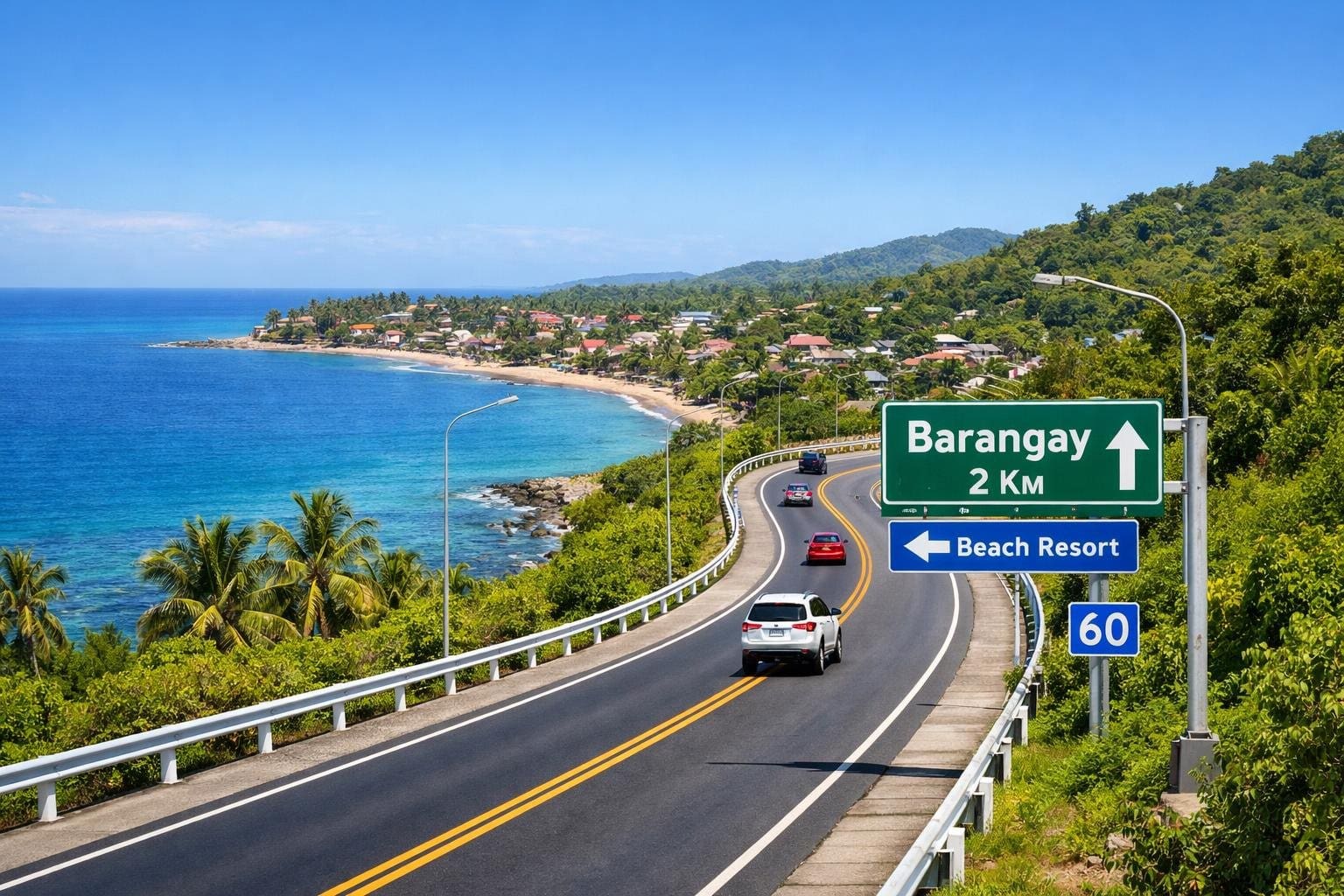
The coastal road network opens up different opportunities depending on whether you’re buying a home, looking for rental income, or aiming for long-term gains. Picking the right barangay for your goal is what makes the difference between a solid move and a risky one.
Best Fit For End-Users, Landlords, And Long-Term Investors
End-users who want to live close to work in SRP or central Cebu City should look at Mambaling and Talisay City. Both have ready-to-move-in housing, working road access via the CSCR, and are close to schools, markets, and hospitals.
Landlords after rental income should focus near job clusters. Mandaue’s barangays along the 4th Bridge route serve the factories and shipping crowd. Mambaling and Inayawan are good for workers at SRP, SM Seaside, and NuStar.
Long-term investors with a five-to-ten-year outlook might find the best deals in Cordova, Pusok, Ibo, and Talisay’s outer barangays. Prices are still lower, and their value depends on road projects still in the pipeline.
Questions To Ask When Comparing Barangays
When checking out properties in different barangays, these questions can help:
- Is the coastal road segment already up, under construction, or just a plan?
- How close is the property to the nearest coastal road entry or exit?
- What’s the current land use, and does it fit your plans?
- Are there any unresolved right-of-way or relocation issues nearby?
- What’s the lot’s flooding and drainage history?
- How do asking prices stack up against nearby barangays with similar access?
Local firms like Cebu Grand Realty can help buyers compare neighborhoods across Cebu City, Talisay, Mandaue, and Lapu-Lapu with verified listings and current market data.
How To Balance Accessibility, Budget, And Upside
The most accessible barangays along the CSCR, like Mambaling, usually have higher prices since the infrastructure’s already there. Barangays along planned extensions are cheaper but come with more doubt about timelines and final routes.
It’s practical to match your investment horizon to the project stage. If you need a place now, stick close to the existing CSCR. If you’re investing for the next decade, a barangay along the proposed Naga extension or the 4th Bridge corridor could offer more upside for your peso.
Don’t forget to factor in things like nearby amenities, schools, healthcare, and how well the barangay is run. Sometimes, a well-managed barangay with good drainage and responsive local officials is a better bet than one that’s just near a highway.
Frequently Asked Questions
Which areas along the new coastal route are seeing the biggest rise in property values?
Barangays next to the open Cebu South Coastal Road (CSCR) and SRP are seeing the most noticeable price jumps. Mambaling and Inayawan in Cebu City, plus coastal barangays in Talisay City, have had steady price gains thanks to better access to shops and malls like SM Seaside and NuStar Resort and Casino.
How will the new coastal connection change travel time between southern communities and Cebu City?
The planned toll road linking SRP to Barangay Tinaan in Naga should finally give folks a real option to the often jammed Natalio Bacalso Avenue. If you live in Talisay City, Minglanilla, or Naga, you might actually get to Cebu City without sitting in traffic for ages. Of course, the actual time saved will depend on the road route, what the tolls cost, and how drivers split between the old and new routes. Still, it’s a promising shift for anyone tired of the usual bottlenecks.
What types of real estate developments are expanding fastest near the shoreline corridor?
Condo and townhouse projects are popping up everywhere along the CSCR and SRP, mostly because young professionals and small families are eager to move closer to the city. There’s also a noticeable boom in mixed-use developments—think places where you can live, shop, and work without leaving the neighborhood. These are especially common near the big shops and malls in the SRP area.
Which neighborhoods are best positioned for business growth due to improved port and SRP access?
Barangays in Mandaue City along the 4th Bridge coastal road—like Looc, Opao, and Paknaan—are in a sweet spot for business and shipping growth. They’re close to the ports, manufacturing zones, and the upcoming bridge to Mactan Island. If you’re running a business that needs to move goods between the mainland and the island, these areas are starting to look pretty attractive.
What should buyers check in zoning and land-use plans before purchasing near the project?
Before buying, it’s smart to check with the local planning office to make sure the property’s zoning fits what you want to do—housing, commercial, or mixed-use. It’s also wise to see if the lot is inside or too close to the DPWH road right-of-way, since properties near the alignment could be up for acquisition or even demolition. Don’t forget to look at flood zone maps and reclamation boundaries, especially if you’re eyeing a coastal lot. It’s a bit of homework, but it could save you a headache later.
How can investors identify the best entry and exit points to target for long-term price gains?
Properties near coastal road interchanges, bridge landings, and toll road on-ramps usually see the quickest price gains because of their direct accessibility. It makes sense for investors to dig into DPWH alignment plans and pinpoint where these key nodes are going to be, then compare current land prices in those barangays to neighboring areas that don’t have the same access. Honestly, teaming up with a Cebu-based brokerage like Cebu Grand Realty can make it a lot easier to spot listings close to these high-value spots.