
Furnished vs Semi-Furnished Rentals: Which Attracts Better Tenants?
When considering Furnished vs Semi-Furnished Rentals, the choice really shapes who applies, how long they stay, and how much hassle the property brings. The setup affects rent price, vacancy time, and day-to-day management. Landlords who match their setup to what locals actually want tend to see better results—no big surprise there.
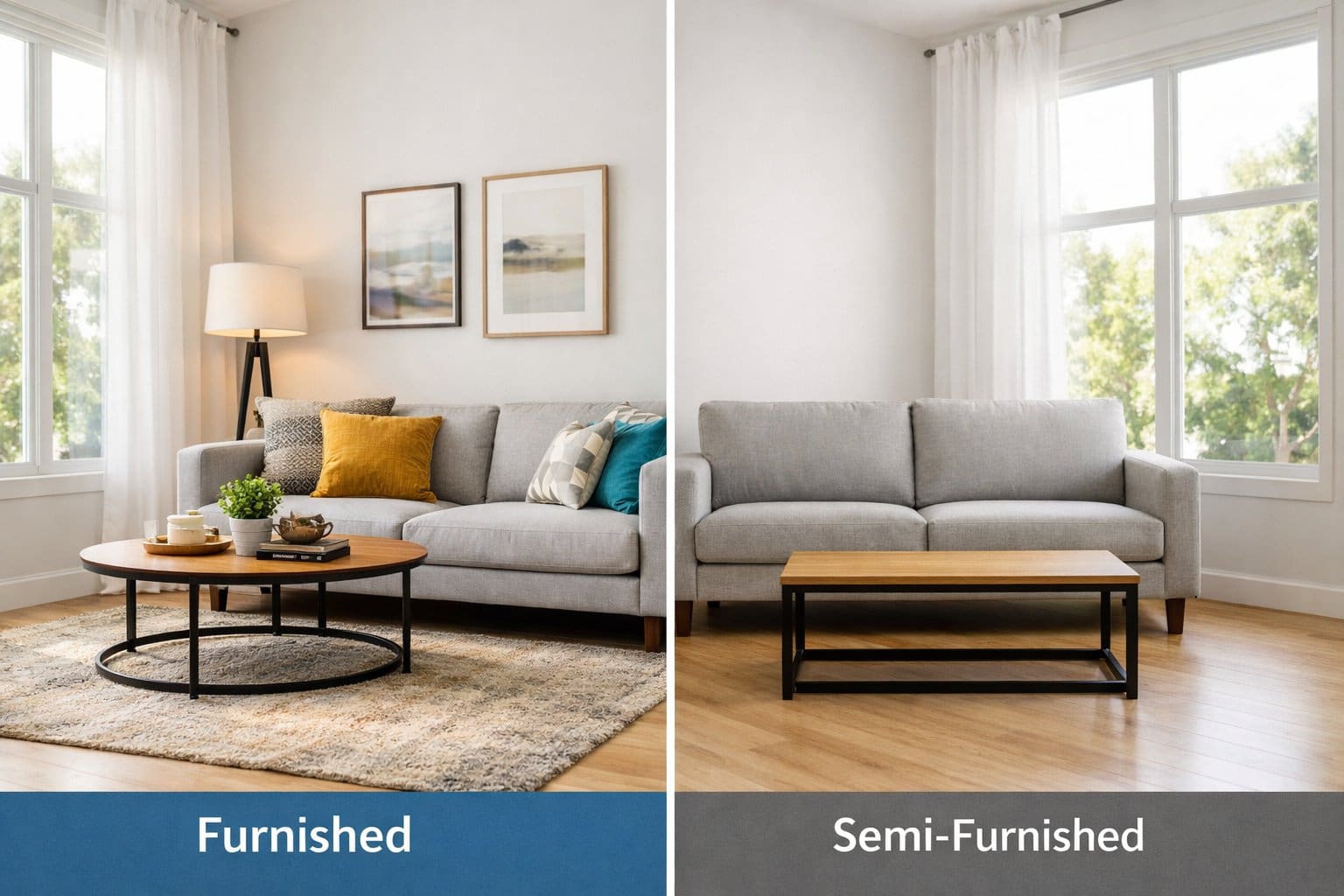
Semi-furnished rentals usually attract more stable, long-term tenants, while furnished rentals attract quicker move-ins at higher rent. Furnished units appeal to students, expats, and short-term renters who want speed and ease. Semi-furnished units draw families and professionals who plan to settle in and bring their own stuff.
Location matters, too. Areas near schools or business hubs lean toward furnished units that lease fast. Residential neighborhoods tend to favor semi-furnished units that reduce turnover and wear. It really comes down to what your tenants want, your budget, and how hands-on you want to be.
Key Takeaways
- Furnished units lease faster but cost more to manage.
- Semi-furnished units attract longer stays and mean less upkeep.
- Location and tenant goals should guide your setup.
Key Differences Between Furnished and Semi-Furnished Rentals
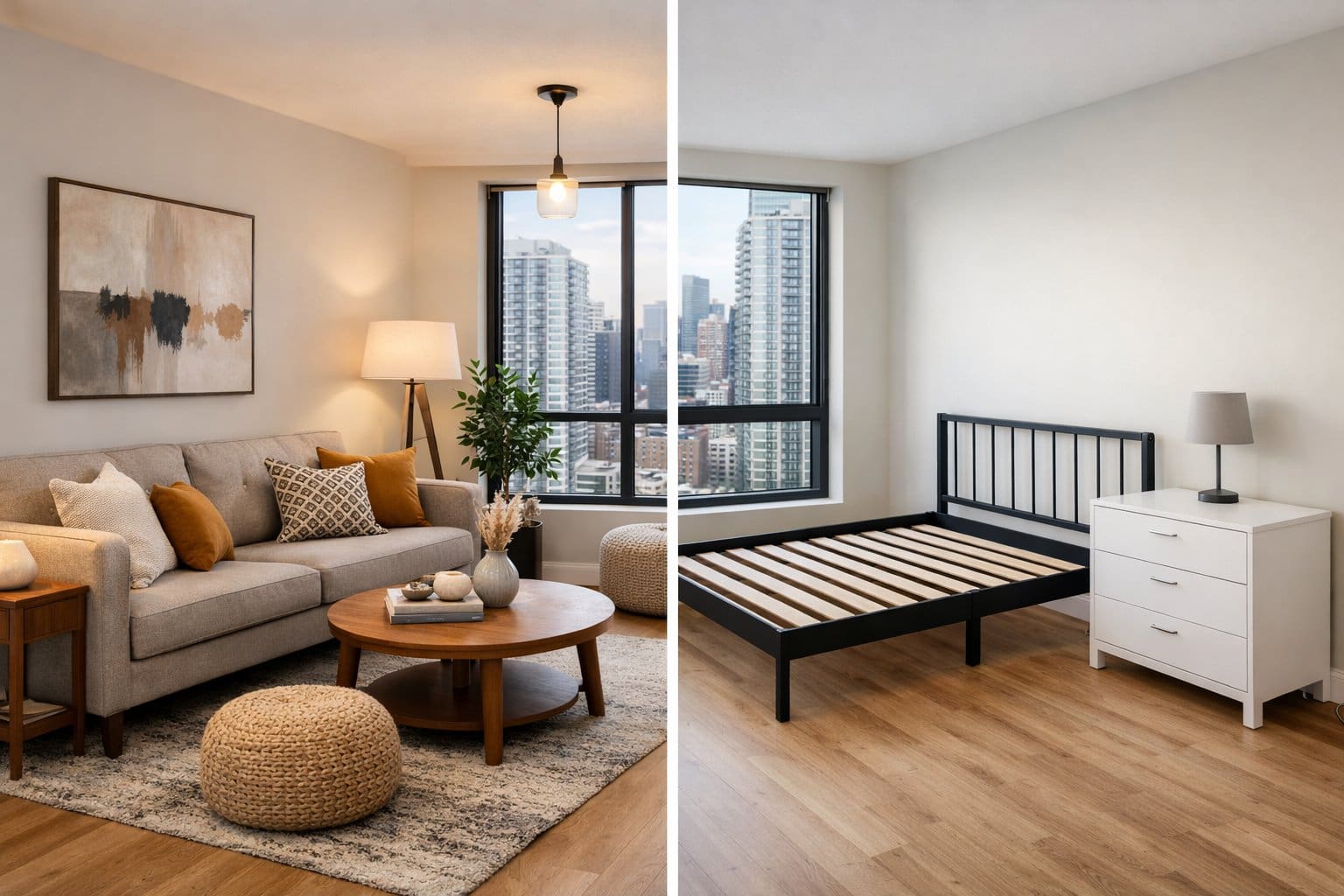
Furnished and semi-furnished rentals mainly differ in how much a tenant needs to bring on day one. This choice impacts rent, tenant type, and how much work you’ll have as a landlord. Clear definitions help match your setup to the right crowd.
What Defines a Furnished Rental
A furnished rental, sometimes called a fully furnished rental, comes with everything needed for daily living. Tenants can just show up with their clothes and maybe a toothbrush.
A fully furnished apartment usually includes sofas, a dining table, beds, and wardrobes. You’ll also find core appliances like a refrigerator, microwave, washing machine, and sometimes a dryer. Curtains, lighting, and basic kitchen items are often thrown in.
This setup is great for short stays and frequent movers. A furnished property attracts students, expats, and short-term workers. The landlord controls the furniture and layout, but has to deal with wear, damage, and replacements. Keeping an inventory list is a must to avoid arguments when tenants move out.
What Defines a Semi-Furnished Rental
A semi-furnished rental gives tenants the basics—fixed items and main appliances—but skips the loose furniture. Tenants bring their own beds, sofas, and dining sets.
A typical semi-furnished apartment has air-conditioning units, built-in cabinets, and key appliances like a refrigerator or washing machine. Sometimes there’s a wardrobe or kitchen fittings, depending on the market.
This option finds a middle ground between flexibility and cost. A semi-furnished property attracts tenants planning to stay longer who already own furniture. They tend to treat the place as their own. For landlords, semi-furnished rentals mean lower furniture costs and less damage from daily use.
Comparison With Unfurnished Rentals
An unfurnished rental is barebones: walls, floors, plumbing, and electricity. No appliances, no furniture—just the basics.
| Feature | Furnished | Semi-Furnished | Unfurnished |
|---|---|---|---|
| Furniture | Full set | None or minimal | None |
| Appliances | Most included | Core only | Usually none |
| Move-in ease | Very high | Moderate | Low |
| Tenant stay | Shorter | Longer | Longest |
An unfurnished property makes sense for long-term tenants who want to do things their way. Compared to a fully furnished rental or semi-furnished rental, it’s cheaper but least convenient.
How Furnishing Level Impacts Tenant Attraction
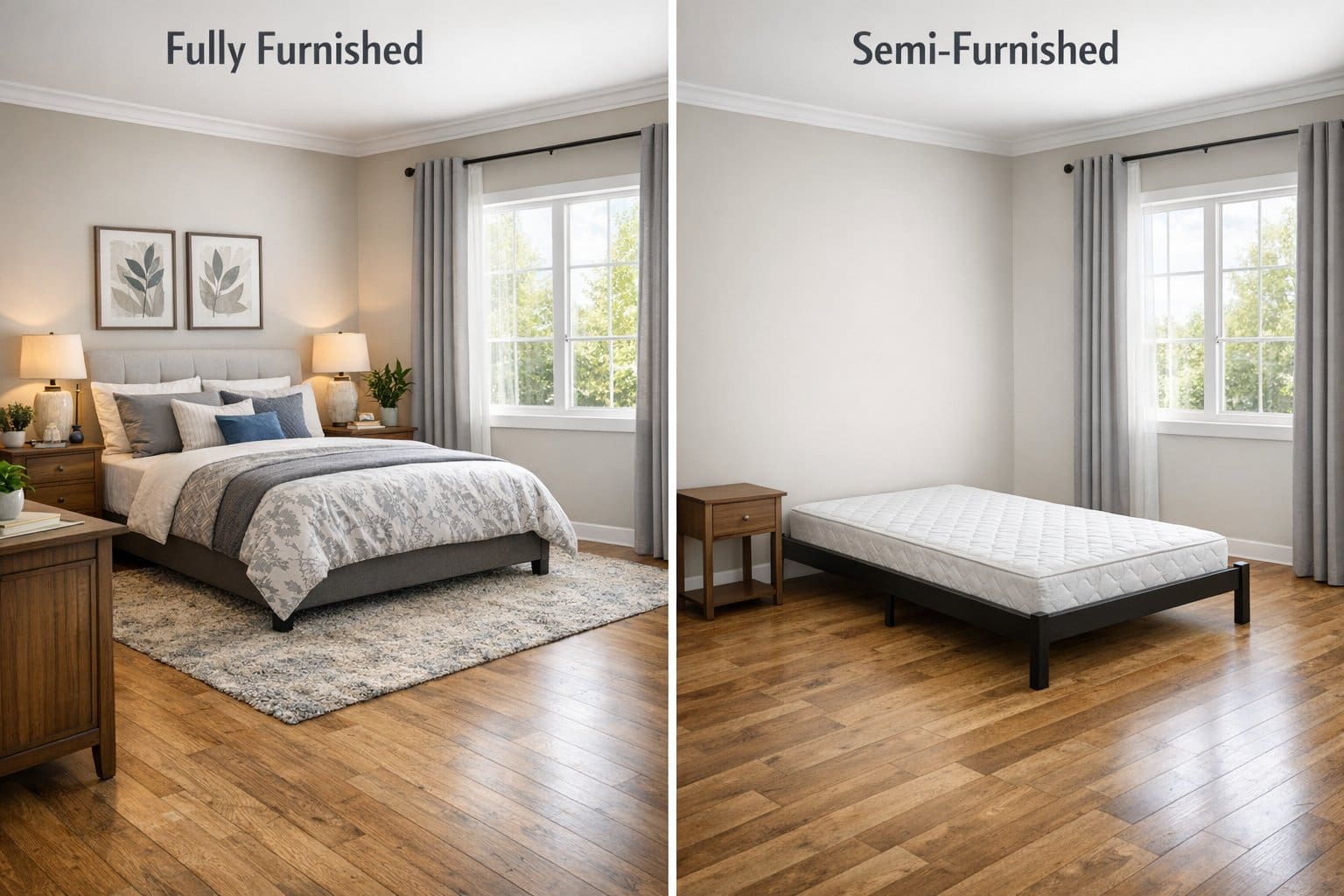
The amount of furniture you provide changes who answers your ads and how long they stick around. It also impacts your pricing, turnover, and how much hands-on work you’ll need to do.
Target Audience and Tenant Profiles
Furnishing level should fit the people you’re hoping to attract. Furnished units call to tenants who need a move-in ready place and don’t plan to stay long—think students, expats, and professionals on short assignments. Corporates often want furnished homes near business hubs.
Semi-furnished units get the attention of tenants who already have furniture and want to stay a while. Families and long-term tenants usually go for this. They like the space, the chance to decorate, and the lower monthly rent.
Common matches by rental type:
| Rental Type | Typical Tenants |
|---|---|
| Furnished | Students, expats, short-term renters, corporate tenants |
| Semi-Furnished | Families, long-term tenants, local professionals |
Tenant Preferences by Rental Type
Tenants make choices based on cost, comfort, and how much effort it’ll take to move in. Furnished rentals are for those who want to settle in quickly and skip furniture shopping. That’s a big plus for short-term renters and folks relocating for work.
Semi-furnished rentals are all about flexibility. Tenants bring their own beds, sofas, and storage. They’re fine with a bit more setup time if it means lower rent and a space that feels like theirs.
Key preference drivers:
- Furnished: convenience, fast move-in, short lease needs
- Semi-furnished: lower rent, personal furniture, long-term comfort
Lease Term and Tenant Stability
Lease length and furnishing level go hand in hand. Furnished rentals tend to have shorter leases—three to six months is common. Higher turnover means more cleaning and re-listing, which can be a headache. Sure, rent is higher, but stability? Not so much.
Semi-furnished rentals attract tenants who want to stay a year or more. Families and settled professionals like consistency and often renew.
Typical outcomes:
- Furnished: higher turnover, more flexibility
- Semi-furnished: longer leases, steadier occupancy
Financial and Management Considerations for Landlords
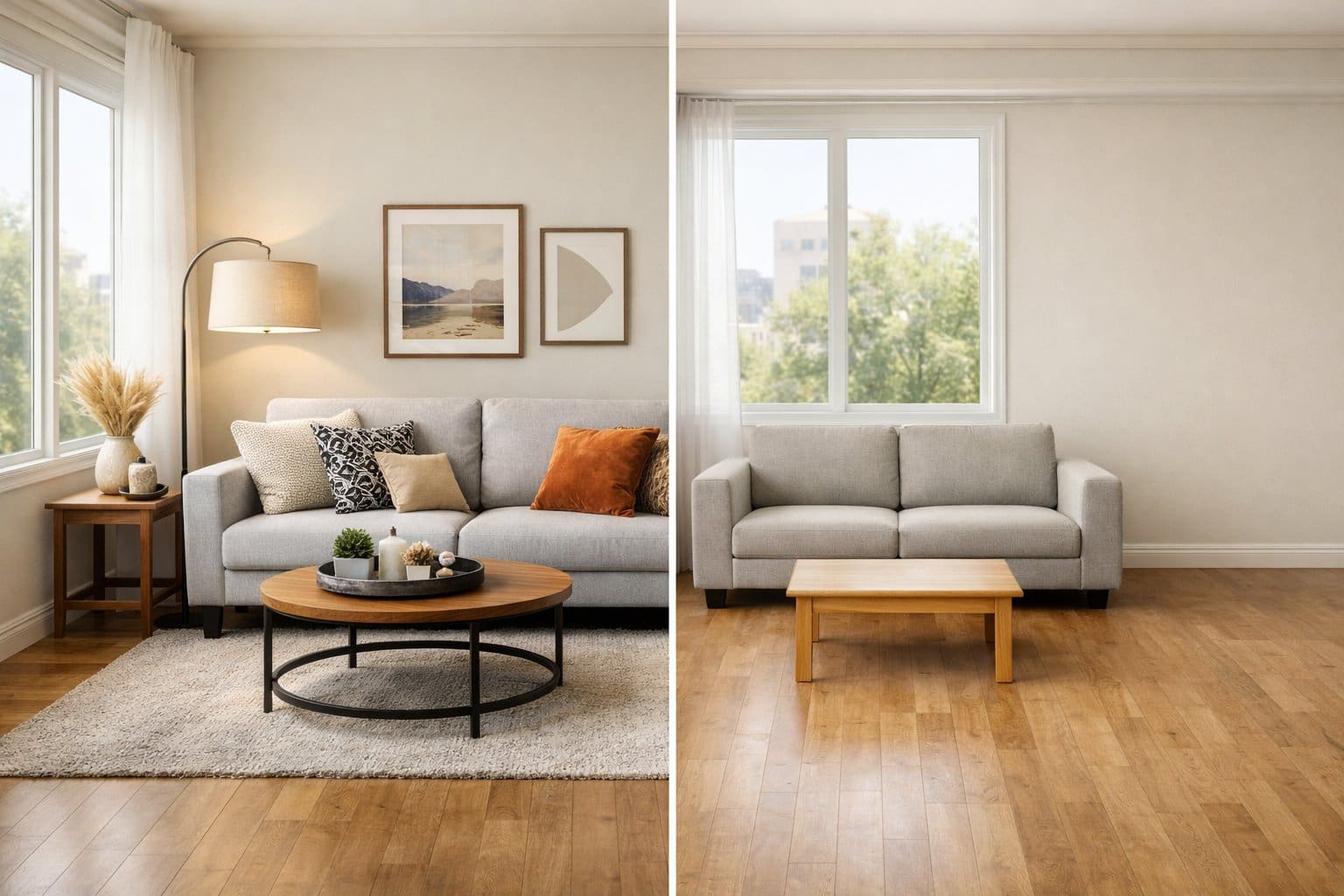
The choice between furnished and semi-furnished rentals affects rent, vacancy, and daily management. It also changes your long-term costs, tenant turnover, and how much control landlords have over the property.
Rental Price and Income Potential
Furnished rentals usually get a higher rent—tenants pay for convenience. In a lot of markets, landlords can charge 10% to 30% more than for semi-furnished units.
This premium works best where students, expats, or short-term workers are looking for homes. They want move-in-ready places and don’t mind paying extra.
Semi-furnished rentals bring in less per month, but the cash flow is steadier. Long-term tenants mean fewer re-leasing costs and less risk of unpaid rent between tenants.
If you want predictable income, semi-furnished units often make more sense for a conservative approach.
Vacancy Periods and Tenant Turnover
Furnished units are snapped up quickly—people who need housing fast don’t want to shop for furniture.
But, these units see higher tenant turnover. Short stays mean more time spent on marketing, screening, and move-in checks.
Semi-furnished rentals might sit empty a bit longer at first, but tenants usually stay longer and often renew each year.
Lower turnover means less hassle and steadier occupancy. That’s a win for landlords who like fewer interruptions.
Maintenance and Upkeep Costs
Furnished rentals come with higher maintenance costs. Furniture, appliances, and décor need regular fixing or replacing because of wear and tear.
You’ll need to keep inventory lists and deal with damage disputes, which can eat up time and money.
Semi-furnished units sidestep a lot of that. Fewer items mean fewer repairs and lower ongoing costs.
This setup is just simpler to manage and keeps long-term expenses down.
Customization and Flexibility
Semi-furnished rentals let landlords tweak things more easily. You can swap out appliances or fixtures without redoing the whole place.
Tenants get to bring their own furniture, so they usually take better care of the unit.
Furnished rentals are less flexible. You have to pick a style that suits everyone, and changes cost more.
If you want a property that’s easy to update and adapt, semi-furnished is the way to go for a long-term strategy.
Location, Market Trends, and Strategic Decision-Making

Where your property is and what renters want nearby make a huge difference. Matching your furnishing level to real demand means less vacancy and better leases. It’s not rocket science, but it does take a bit of local know-how.
Influence of Property Location
Location really shapes which setup works best. In city centers, business districts, and neighborhoods near universities, fully furnished apartments tend to get more attention. These spots see a lot of people coming and going, especially with short-term jobs and frequent moves.
Tenants here want to move in fast—they’re not looking to shop for a couch or haul a bed up the stairs. Convenience is everything.
Meanwhile, in the suburbs or quieter, family-friendly neighborhoods, semi-furnished apartments are a better fit. People usually stay longer and prefer to bring their own stuff.
Places near schools, hospitals, or industrial zones lean toward semi-furnished units too. These renters want stability and a bit more say in how their space feels.
Location-based fit:
| Location Type | Better Option |
|---|---|
| City center | Fully furnished |
| Near universities | Fully furnished |
| Suburbs | Semi-furnished |
| Family zones | Semi-furnished |
Current Market Demand
Rental trends these days? Flexibility is in. Tenants compare furnished, semi-furnished, and unfurnished apartments side by side, weighing their options.
Furnished rentals are still a hit with students, expats, and folks on short-term assignments. They’re all about being able to just show up and settle in.
Semi-furnished units attract those planning to stick around for a year or more. For them, things like a modular kitchen, built-in storage, and appliances matter way more than whether there’s a sofa.
With furniture prices climbing, some tenants pick semi-furnished homes so they can invest in their own pieces and stay put for a while.
It’s smart for landlords to check local listings every so often. Shifts in demand tend to show up there first, not in reports or articles.
Aligning Furnishing Strategy With Tenant Needs
A solid rental strategy starts with knowing your audience. Furnishing should make daily life easier, not just fill up space for the sake of it.
For furnished units, stick to the essentials—durable basics that can take a beating. Too much décor just means more to fix or replace down the road.
For semi-furnished apartments, the built-in stuff matters most:
- Modular kitchen
- Air-conditioning units
- Wardrobes or cabinets
- Major appliances
Unfurnished apartments still have their place, especially for tenants who already own furniture and want total control.
Frequently Asked Questions
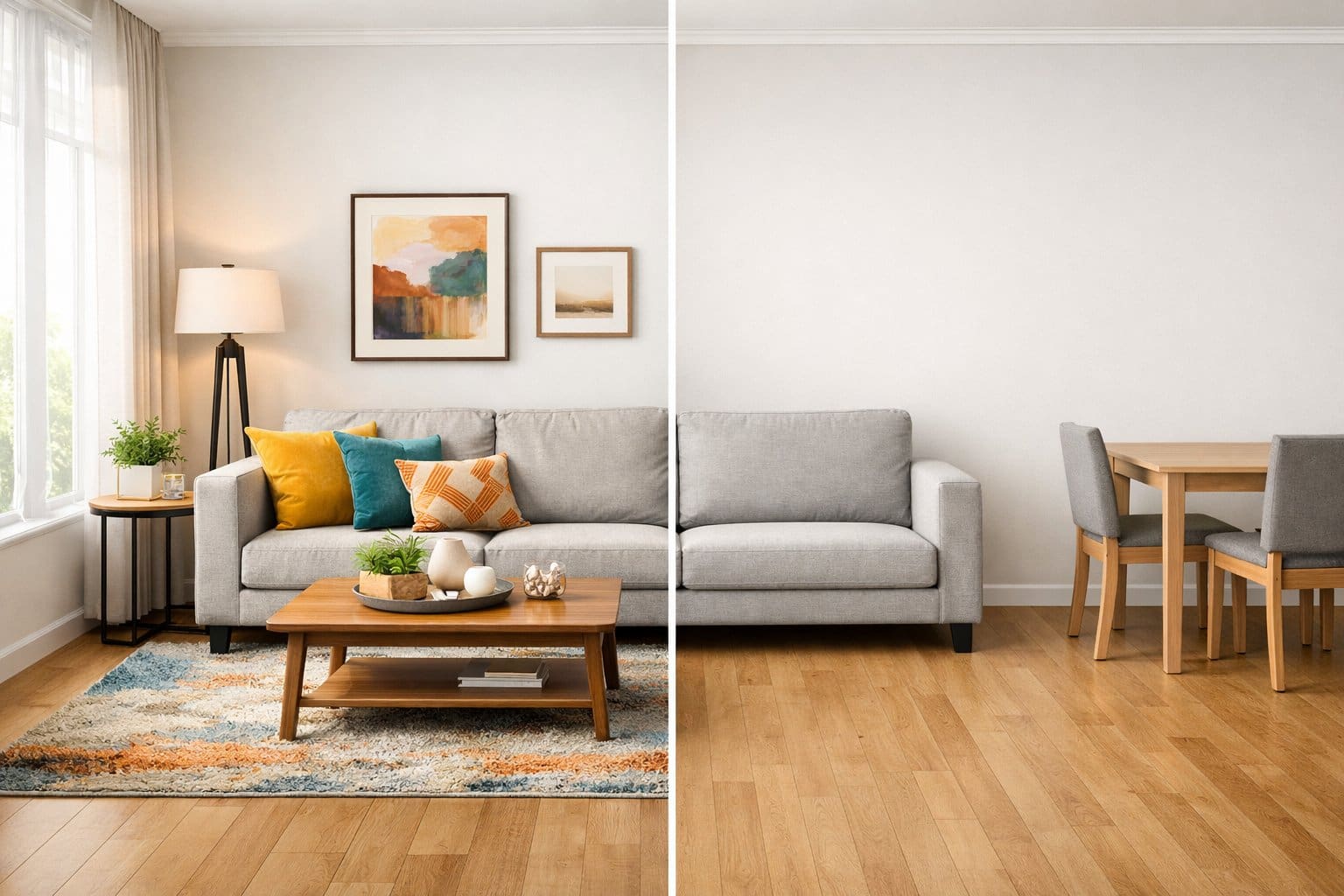
Landlords usually weigh furnishing options by looking at tenant demand, income potential, and how much work they’ll need to put in. Here’s a quick look at how each setup affects who rents, how long they stay, and what kind of upkeep you’re in for.
What are the primary differences between furnished and semi-furnished rentals?
A furnished rental comes with movable furniture—beds, sofas, tables—and the usual appliances. Tenants can show up with just their suitcases.
Semi-furnished rentals usually offer fixed items and big appliances, but you won’t find beds or sofas. Tenants bring their own essentials for comfort and storage.
Who typically prefers a furnished rental over a semi-furnished one, and why?
Furnished rentals draw students, expats, and short-term renters. For them, speed and convenience outweigh the need to customize.
They’re often moving for work or school and want to skip the hassle of buying or moving furniture. A ready-to-use unit just makes sense.
How does the choice of furnishing affect tenant stability in rental properties?
Semi-furnished rentals are more likely to attract long-term tenants. These renters are ready to invest in making the place feel like home.
Furnished rentals? Expect more turnover. Short contracts and frequent moves come with the territory.
Can landlords expect higher rental income from furnished or semi-furnished rentals?
Furnished rentals usually command higher monthly rent. How much higher depends on where you are and what tenants want.
Semi-furnished rentals bring in a bit less, but they can save on repair and replacement costs for furniture.
In terms of maintenance, how do furnished rentals compare to semi-furnished offerings?
Furnished rentals need more attention. Furniture, small appliances, and décor all wear out and need regular checks.
Semi-furnished rentals are simpler—just the basics to maintain, like fixed appliances and built-ins.
What key factors should a landlord consider when deciding to offer a property as furnished or semi-furnished?
Location really matters. If you’re near schools, business districts, or spots where people need short-term housing, furnished places often make more sense.
Think about lease length, who you’re hoping to rent to, and what you’re willing to spend. It’s smart to line up your setup with what renters in your area actually want—and what you can realistically manage.