
How We Handle Unrealistic Pricing Requests
Selling a home is a strange cocktail of money, emotion, and memories—no wonder so many people end up with unrealistic property pricing. Plenty of owners look at online listings, recall what they spent on renovations, or hear about that one big sale down the street. But these numbers rarely line up with what the market’s actually doing right now. At Cebu Grand Realty, we see Unrealistic Pricing Requests all the time, and we try to handle it with a lot of empathy—and hard data.
We tackle unrealistic pricing with clear data, straightforward advice, and options that keep your sale protected. Our team leans on market-based pricing, talks through buyer behavior, and points out the real risks of overpricing. This way, we keep things focused on results, not arguments.
This guide will walk you through how transparent pricing really does help homes sell faster—and with less stress. We’ll also cover some practical steps to avoid those long, painful days on the market and the price drops that can shake everyone’s confidence.
Key Takeaways
- Emotional value doesn’t equal market value
- Overpricing kills demand and slows sales
- Data-driven advice leads to better results
Why Unrealistic Property Pricing Happens
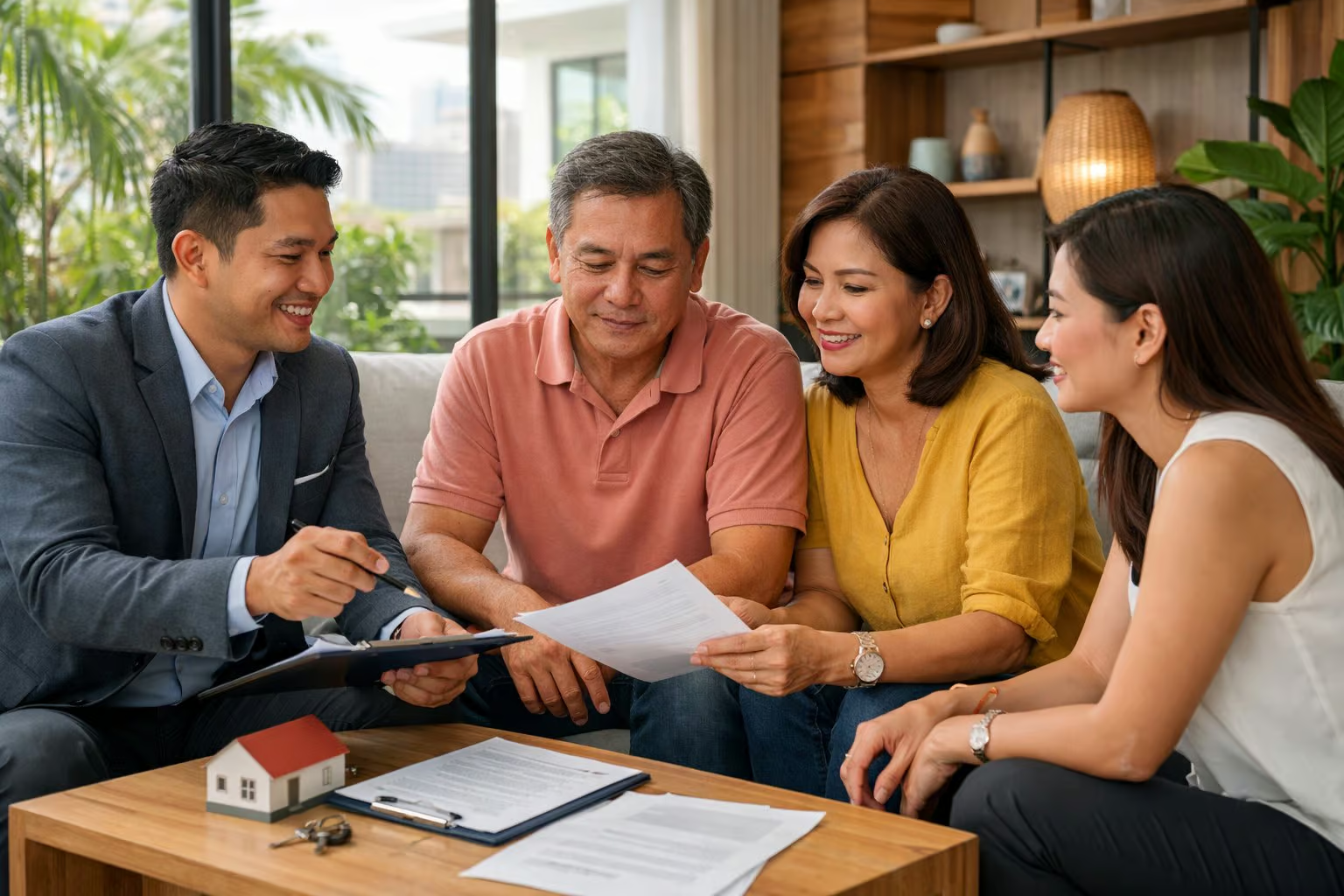
Unrealistic pricing usually starts with a swirl of emotion, mixed messages from websites, and a lot of uncertainty about the real market. These things shape a seller’s price, even when it’s out of step with what buyers will pay.
Emotional Attachment and Personal Value
It’s tough not to get attached. Sellers remember birthdays, holidays, or all the sweat and money poured into upgrades. That nostalgia can nudge the asking price way above what the market supports.
It’s common to expect buyers to pay for every cent of renovation. But honestly, buyers care more about location, the floor plan, or what sold nearby last month than your fancy new tiles.
Emotions also mess with timing. If someone feels rushed or pressured, they might crank the price up “just to make it worth it.” Ironically, that can drag the process out and pile on more stress later.
Big emotional drivers:
- Pride in the home
- Personal memories
- Overestimating renovation returns
Misinformation from Online Sources and Anecdotes
Online listings are a minefield. Most show asking prices, not what homes actually sold for. Sellers often assume these numbers are reality, even when those homes have been sitting unsold for ages.
Then there’s the stories from friends or neighbors—someone always knows a guy who got an unbelievable price. But chances are, they’re missing details like timing, special upgrades, or a buyer with a unique need. These stories rarely fit every situation.
Media and search results love to highlight the biggest sales. In a slow market, those numbers just don’t match what buyers are willing to pay. That gap can push asking prices way too high.
Online data gaps:
- List price vs. sold price
- Old sales vs. what’s happening now
- Unique homes vs. typical ones
Impact of Market Trends and Outdated Data
The market moves quickly. Interest rates, buyer demand, and new listings all shift value. Sellers using last year’s data often end up too high.
When buyers have options, homes need sharp pricing to get attention. Even being 5–10% above market can cut your showings in half. Less traffic means more days on the market—never a good sign.
Local trends are what count. A price that works in one Cebu neighborhood might flop in another. Recent, nearby sales matter way more than citywide averages.
What really shifts value:
- Recent closed sales
- Current demand
- Competing listings
The Risks and Consequences of Overpricing

Overpricing changes how buyers see your home, how long it’s listed, and how much leverage you keep when negotiating. These problems usually mean slower sales and weaker results than a realistic price would get you.
Reduced Buyer Interest and Market Visibility
Set your price too high, and you’ll miss the right buyers from the start. Most people shop within strict budgets, so overpriced homes just don’t show up in their searches. Fewer qualified buyers even see the listing.
Online platforms notice when a listing gets few clicks or inquiries. Their algorithms start to bury it. Visibility drops even more.
What happens:
- Fewer showings from serious buyers
- Less competition and urgency
- Missed early interest—when buyers are most excited
Buyers compare homes side by side. If your price is out of line, they’ll just move on.
Extended Listing Time and Stale Perception
Homes priced too high usually linger. In Cebu, overpriced properties can sit for weeks or months longer than well-priced ones.
The longer a listing sits, the more buyers wonder what’s wrong. Even if there’s no real issue, people start to suspect problems or a seller who won’t negotiate.
Common fallout:
- Lots of showings but no real offers
- Lowball bids from bargain hunters
- Lost momentum after the first month or two
Once a home feels “stale,” even price drops can’t always bring back lost interest.
Price Reductions and Lost Seller Leverage
Price cuts usually follow overpricing. While they help, they can also weaken your negotiating position. Buyers notice reductions and may hold out for more.
Every drop shifts leverage away from you. Negotiations start lower, and buyers push harder on everything else.
What can happen:
- Offers below your new price
- More demands on repairs or timing
- Final sale below what you could’ve gotten
Our Transparent Approach to Unrealistic Pricing Requests

At Cebu Grand Realty, we meet unrealistic pricing with facts, honest advice, and teamwork. We lean on local data, break down buyer behavior, offer flexible pricing plans, and share real feedback from the market.
Data-Driven Pricing with Comparative Market Analysis
We start with a comparative market analysis (CMA). This means looking at recent sales—not just asking prices—of comparable properties (or “comps”) in the area.
The CMA covers:
- Sold prices from the last 3–6 months
- Similar size, layout, and condition
- Location details like access and demand
- Current listings competing for the same buyers
| Factor | Why It Matters |
|---|---|
| Sold prices | Shows what buyers actually paid |
| Active listings | Defines current competition |
| Property condition | Impacts buyer offers |
| Timing | Reflects market speed right now |
This takes out the guesswork. Sellers get a clear price range tied to what’s really happening.
Educating Sellers on Buyer Behavior and Market Factors
We explain how buyers actually shop. Most set strict budgets and compare homes online. If your price is too high, they’ll never even see your listing.
Timing matters a lot, too. New listings get a burst of attention, but overpriced homes lose steam fast.
We talk through:
- How search filters can hide your home
- Why buyers skip big price gaps
- How days on market affect trust
It’s all about building a smart pricing strategy together—no pressure.
Strategic Pricing Options and Collaborative Solutions
If a seller wants to try a higher price, we offer options that keep the sale on track. Everything’s spelled out in the listing presentation.
Some options:
- Short trial price with a review date
- Step-down plan based on buyer activity
- Premium price, but only with extra upgrades or marketing
Each plan has clear timelines and triggers. That way, sellers stay in control but things stay realistic. No sudden, desperate price drops that scare off buyers.
Sharing Real Buyer Feedback
We pass along real buyer feedback fast and clearly. You’ll hear what people said during showings, calls, or online inquiries.
Feedback usually covers:
- How your price stacks up
- Condition versus expectations
- Features buyers liked or didn’t
We focus on patterns, not just opinions. This helps sellers adjust confidently and see if price—not the home—is the real problem.
Independent Valuation and Professional Guidance

Getting an outside, professional opinion can really help take the emotion out of pricing. Licensed experts use solid data, facts, and recent sales to back up fair, market-based pricing.
Role of Appraisers in Property Valuation
An appraiser gives an independent property valuation and doesn’t have a stake in the sale. They look at comparable sales—not just asking prices—to see what buyers actually paid. Then, they’ll tweak values for things like location, condition, and even timing.
Appraisers stick to set standards and document their steps. This helps lenders and buyers trust the process. Sellers get a clearer sense of how the market sees their place right now, not what it was worth years ago.
What does an appraiser actually use? Here’s the shortlist:
- Recent sold homes in the same area
- Lot size, age, and condition
- Local demand and supply trends
If a price feels too high, an appraiser’s report is a neutral gut check. It usually helps set a realistic range and keeps negotiations from getting too heated.
Importance of Square Footage and Physical Attributes
Square footage is a big deal for value and buyer interest. Appraisers measure usable living space by strict rules. If the size is exaggerated, it can push the price too high and make deals fall apart later.
Physical features count, too—stuff like layout, ceiling height, parking, and any upgrades buyers care about. Not every renovation boosts value, honestly. Some just don’t move the needle.
Common value drivers
- Accurate square footage
- Functional layout
- Natural light and ventilation
- Condition of kitchens and baths
Comparable sales reflect these factors. Two homes with the same size can end up with different prices if one’s in better shape or laid out smarter. Getting the details right means fair pricing and fewer surprises at closing.
Frequently Asked Questions

Clear pricing depends on market data, how buyers act, and just plain open talk. Here are some answers about why pricing goes sideways and how Cebu Grand Realty deals with it in real life.
What are common reasons for sellers to set unrealistic property prices?
Sellers often have a strong emotional connection to their homes. That attachment can push price expectations above what the market will bear.
Plenty of sellers also lean on online listings instead of looking at actual sold prices. Some use outdated info or just go by stories of big sales they’ve heard about.
What are the potential risks or consequences of overpricing a property?
Overpricing scares off buyers right away. If the price looks too high, fewer people even bother to look.
The longer a home sits, the more buyers start to wonder if there’s a problem. They’ll often wait for a price drop.
How does Cebu Grand Realty approach handling unrealistic pricing requests from sellers?
Cebu Grand Realty sticks to facts, not just opinions. The team shows clear market data and explains what buyers really see online.
They keep things honest but respectful. The focus is always on protecting the seller’s interests.
Can you explain the importance of using a Comparative Market Analysis (CMA) in pricing properties?
A CMA shows what buyers have actually paid for similar homes. It lines up things like location, size, condition, and when the sale happened.
This takes out the guesswork and ties the price to real market activity.
What options are available to sellers who prefer to list their properties at higher prices?
The team might suggest trying the seller’s price for a short time, with clear dates to review how it’s going.
They’ll also talk about possible price changes later. That way, the listing can stay competitive without dragging on.
How can correct pricing influence the sale process and buyer interest for a property?
Getting the price right boosts online visibility—your place pops up in searches where buyers are actually looking.
It helps with trust, too. When the price feels fair, serious buyers don’t hesitate as much. They might even jump in quicker if they sense the value’s there.